
Table of Contents >> Show >> Hide
- What Is Edema?
- Types of Edema (Because Swelling Has Many Personalities)
- Common Symptoms of Edema
- Why Edema Happens: A Friendly Plumbing Explanation
- Causes of Edema (From “Normal-ish” to “Needs Attention”)
- When Edema Is an Emergency
- How Edema Is Diagnosed
- Treatment: Fix the Cause, Then Manage the Fluid
- Prevention: Keeping Swelling From Setting Up Camp
- Quick FAQs
- Real-Life Experiences With Edema (What It Looks Like in the Wild)
- Final Thoughts
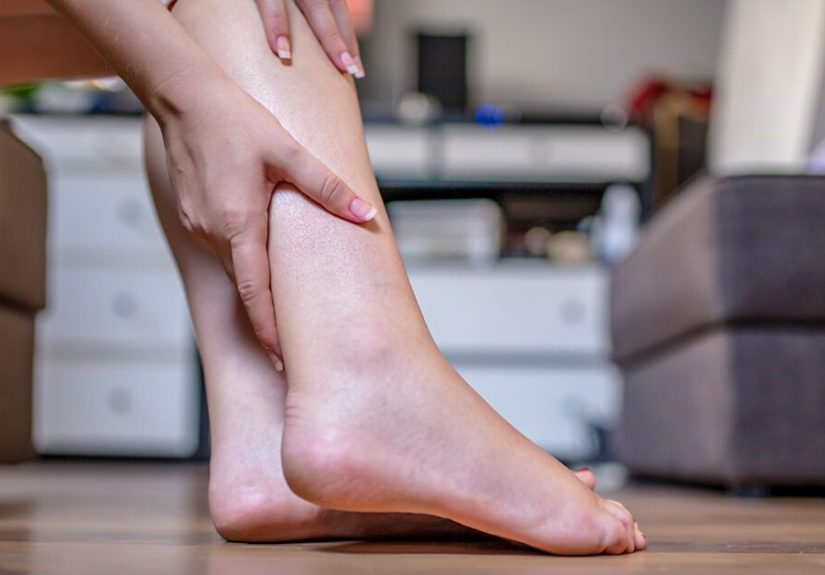
If your socks are leaving behind a “topographical map” of your ankles, welcome to the club nobody asked to join:
edema. It’s the medical word for swelling from extra fluid that’s gotten a little too comfortable in your tissues.
Sometimes it’s harmless (hello, summer heat and long flights). Other times it’s your body waving a small red flag… or a full-size parade banner.
This guide breaks down what edema is, why it happens, the different types, what treatments actually help, and when swelling
is a “make an appointment” situation versus a “please don’t wait” emergency.
What Is Edema?
Edema is swelling caused by excess fluid trapped in the body’s tissues. It can show up almost anywhere,
but it’s most commonly noticed in the feet, ankles, and lower legs. You might also see puffiness around the eyes,
swelling in the hands, or a tight, stretched feeling in the skin.
Pitting vs. Non-Pitting Swelling
A classic clue is pitting edema: press a thumb into the swollen area for a few seconds, and an indentation remains
like memory foam that’s holding a grudge. Not all edema pits, though. Some forms (like more advanced lymphedema or certain thyroid-related swelling)
can feel firmer and won’t leave a dent.
Types of Edema (Because Swelling Has Many Personalities)
Peripheral (Dependent) Edema
This is the most common “my legs look like they’re storing water for winter” situation. Gravity pulls fluid downward, so swelling
tends to worsen later in the day, after long periods of sitting or standing.
Lymphedema
This happens when the lymphatic system can’t drain fluid properly. It can be primary (rare, related to how lymph vessels formed)
or secondary (more common), such as after lymph node removal, radiation, infection, or injury. Lymphedema is often persistent and may come with
a heavy feeling, tight skin, and higher infection risk.
Pulmonary Edema
Pulmonary edema is fluid in the lungs. It’s a big dealespecially when it develops suddenlybecause it can make breathing difficult and may be life-threatening.
This typically requires urgent medical evaluation.
Ascites
Ascites is fluid buildup in the abdomen, often linked with liver disease (such as cirrhosis), though it can have other causes.
People may notice a swollen belly, rapid weight gain, and sometimes leg swelling, too.
Periorbital Edema
Puffiness around the eyes can happen for simple reasons (allergies, too much salt, crying during a movie you “totally weren’t emotional about”)
or medical ones (kidney-related fluid balance issues). Pattern and persistence matter.
Common Symptoms of Edema
- Visible swelling (especially ankles, feet, legs, hands, or face)
- Pitting when pressed (in many cases)
- Tight, shiny, or stretched skin
- Heaviness or aching in the affected area
- Reduced flexibility in nearby joints (ankles, knees, wrists)
- Clothes, rings, or shoes suddenly feeling “smaller”
- Rapid weight gain if fluid builds up quickly
- Shortness of breath or trouble lying flat (can signal fluid affecting the lungs or heart)
Why Edema Happens: A Friendly Plumbing Explanation
Your circulation is like a city water system: fluid moves through blood vessels, leaks a tiny bit into tissues (normal), and then returns through veins and lymph channels.
Edema happens when the balance gets thrown off. The main “why” categories are:
- Pressure problems: fluid gets pushed out of vessels (common with heart failure or venous issues).
- Protein problems: low blood protein (like low albumin) reduces the pull keeping fluid in vessels (seen in some liver and kidney conditions).
- Leaky vessels: inflammation or injury increases leakage (infection, allergic reactions, trauma, burns).
- Drainage problems: lymphatic blockage slows cleanup (lymphedema).
- Salt/water retention: the body holds onto sodium and water (kidney disease, some medications, hormone shifts).
Causes of Edema (From “Normal-ish” to “Needs Attention”)
1) Everyday or Temporary Causes
- Standing or sitting for a long time (desk jobs, road trips, flights)
- Hot weather (blood vessels dilate, fluid moves into tissues)
- High-sodium meals (salt encourages water retention)
- Sunburn (inflammation increases fluid leakage)
- Hormonal changes (menstrual cycle-related fluid shifts)
- Pregnancy (increased blood volume and pressure on veins can contribute to swelling)
2) Medications That Can Trigger Swelling
Medication-related edema is common enough that it deserves its own spotlight. A few frequent culprits:
- Calcium channel blockers (used for blood pressure; ankle swelling is a well-known side effect)
- NSAIDs (like ibuprofen and naproxen, which can affect kidney blood flow and sodium handling)
- Corticosteroids (can promote fluid retention)
- Hormones (estrogen-containing medications can contribute to swelling in some people)
- Some diabetes medications (certain classes can cause fluid retention in susceptible patients)
Important note: don’t stop a prescription medication on your own. If swelling started after a new medication or dose change,
ask your clinician whether an adjustment or alternative makes sense.
3) Venous Problems (The “Return Trip” Isn’t Working Well)
Your veins are responsible for bringing blood back to the heart. If valves weaken or veins are damaged, fluid can pool in the lower legs.
- Chronic venous insufficiency: often causes leg swelling that worsens through the day; may come with skin discoloration or varicose veins.
- Deep vein thrombosis (DVT): a blood clot in a deep vein. This is an urgent cause of swelling, especially if it’s one-sided and painful.
4) Heart-Related Causes
When the heart doesn’t pump effectively, blood can back up, increasing pressure in veins and pushing fluid into tissues.
Swelling in the legs can be part of heart failure, especially when paired with shortness of breath, fatigue, or rapid weight changes.
5) Kidney-Related Causes
Kidneys help regulate fluid and salt. If they can’t remove extra fluid well, swelling can show up in the legs, ankles, or around the eyes.
Kidney-related edema may come with changes in urination, high blood pressure, or lab abnormalities (like protein in the urine).
6) Liver Disease and Low Albumin
The liver makes proteins (including albumin) that help keep fluid inside blood vessels. With advanced liver disease, fluid may collect in the abdomen (ascites)
and also cause leg swelling. This is not a “drink less water” situationit needs medical evaluation.
7) Lymphatic Causes (Lymphedema)
Lymph nodes and vessels act like drainage pathways. When they’re removed, damaged, or blocked (for example, after cancer treatment),
fluid can accumulate and cause chronic swelling. Lymphedema management typically focuses on specialized therapies, compression, skin care,
and preventing infections.
When Edema Is an Emergency
Swelling alone isn’t always dangerousbut some combinations should prompt urgent care or emergency evaluation:
- Sudden shortness of breath, chest pain, coughing pink/frothy sputum, or feeling like you can’t get air
- Sudden swelling in one leg (especially with pain, redness, warmth, or tenderness)
- Swelling with fever, rapidly spreading redness, or severe skin pain
- New confusion, severe headache, weakness, or neurologic symptoms alongside swelling
- Rapid, unexplained weight gain over a few days with worsening swelling
How Edema Is Diagnosed
Clinicians usually approach edema like good detectives: timing, location, and accompanying symptoms provide the plot twist.
Expect some combination of:
History and Physical Exam
- Where is the swelling? One side or both?
- Is it worse at the end of the day or constant?
- Pitting or non-pitting?
- Skin changes (shiny skin, discoloration, thickening, wounds, warmth, rash)
- Medication review (new prescriptions, dose changes, OTC meds like NSAIDs)
- Symptoms like shortness of breath, fatigue, chest discomfort, abdominal swelling, or decreased urination
Common Tests (Depending on Your Situation)
- Blood tests: kidney function, liver enzymes, albumin, electrolytes, sometimes thyroid tests
- Urinalysis: checks for protein or other signs of kidney issues
- Ultrasound of leg veins: if a blood clot is suspected
- Heart evaluation: may include ECG, echocardiogram, or other tests when heart failure is a concern
- Chest imaging: if lung fluid or heart-related congestion is suspected
Treatment: Fix the Cause, Then Manage the Fluid
The most effective edema treatment is boring but true: treat the underlying cause. Symptom relief matters too,
but it works best when it’s paired with addressing what’s driving the fluid buildup.
Home and Lifestyle Strategies That Often Help
- Elevation: raise the swollen limb above heart level when possible. Gravity can be your enemy or your unpaid assistant.
- Movement: calf muscles act like pumps. Short walks, ankle circles, and standing breaks during long sitting can help.
- Compression garments: compression socks/stockings can reduce leg swelling, especially in venous issues. Fit matterstoo tight can backfire.
- Reduce sodium: edema often improves when sodium intake decreases (especially in fluid-retention states).
- Skin care: keep skin clean and moisturized; swelling can increase the risk of irritation, cracking, and infection.
- Track trends: daily weight and swelling patterns help identify fluid shifts earlyespecially in heart or kidney conditions.
Medical Treatments
Medical treatment depends on the cause and may include:
-
Diuretics (“water pills”): help the body excrete extra fluid through urine. These are commonly used in heart failure and some other fluid-overload states,
but they must be guided by a clinician because they can affect electrolytes, kidney function, and blood pressure. - Medication adjustments: if a drug is the likely trigger, clinicians may lower the dose, switch medications, or add strategies to counter swelling.
- Treatment for venous disease: compression therapy, leg elevation, exercise, and sometimes procedures for significant venous insufficiency.
- Blood clot treatment: if DVT is diagnosed, anticoagulation and urgent management are typical.
- Lymphedema therapy: often includes “complete decongestive therapy” (specialized massage, compression, exercises, and meticulous skin care).
- Pulmonary edema care: typically urgent and may involve oxygen and medications that reduce fluid and improve heart function, depending on the cause.
Special Cases: Pregnancy, Travel, and Heat
Pregnancy-related swelling can be common, especially in the legs and feet. Still, sudden swelling (particularly in the face/hands),
severe headaches, vision changes, or high blood pressure symptoms should be evaluated promptly.
For travel swelling: stand up periodically, flex ankles, stay hydrated, and consider compression socksespecially on long flights.
If you’re at risk for blood clots (history of DVT, recent surgery, certain cancers, clotting disorders), ask your clinician for individualized guidance.
Prevention: Keeping Swelling From Setting Up Camp
- Build “movement snacks” into your day: a 2–3 minute walk every hour can help leg circulation.
- Mind the sodium if you’re prone to fluid retention or have heart/kidney concerns.
- Maintain a healthy weight to reduce pressure on veins and improve circulation.
- Review medications with your clinician if swelling appears after a new start or dose change.
- Manage chronic conditions (heart failure, kidney disease, liver disease) with consistent follow-up.
Quick FAQs
Is edema always serious?
Not always. Mild swelling after standing all day or in hot weather can be temporary. But persistent, worsening, or sudden edemaespecially with other symptoms
deserves medical attention.
Do compression socks really work?
For many people, yesespecially when swelling is related to venous pooling. The key is using the right size and compression level and wearing them consistently.
If you have arterial disease or certain skin conditions, you should ask a clinician before using strong compression.
What’s the difference between edema and lymphedema?
Edema is a broad term for fluid-related swelling. Lymphedema is a specific type caused by lymphatic drainage problems. Lymphedema may be more persistent,
may become firmer over time, and often needs specialized management.
Can dehydration cause swelling?
It sounds backwards, but your body can retain sodium and water when it senses fluid imbalance. Still, true edema has many causesso it’s worth assessing the full picture
rather than guessing.
Real-Life Experiences With Edema (What It Looks Like in the Wild)
Edema isn’t just a textbook termit’s the kind of thing people notice in mirrors, shoe sizes, and awkward photos where someone’s ankles are mysteriously “missing.”
Below are a few realistic, composite scenarios (not real patient records) that show how swelling commonly presents, what people try first, and what tends to help.
Think of these as “swelling case studies,” with lessons you can borrow.
1) The Long-Flight “Sausage Ankles” Surprise
A frequent flyer steps off a six-hour flight and realizes their shoes feel tightlike they shrank midair. By the time they reach baggage claim,
there’s visible ankle swelling, and socks have left a dramatic indentation. This kind of travel swelling is often dependent edema:
sitting still lets gravity pull fluid into the lower legs. The easiest fixes tend to be simple: walking, ankle circles, leg elevation later that day,
and (for next time) compression socks and periodic movement breaks. The big warning sign here is one-sided swelling with pain or warmth,
which is a different story and deserves urgent evaluation because it can indicate a blood clot.
2) The Desk Job + Heat Wave Combo
Someone with a work-from-home routine realizes their ankles look puffier in the evenings, especially during a hot spell. They haven’t changed anything
except they’ve been sitting longer and drinking “basically iced coffee, which is a beverage, right?” In many cases, heat dilates blood vessels and prolonged sitting
reduces the “calf pump” action that helps return fluid upward. Small changes can make a surprising difference: standing every hour, short walks after meals,
elevating legs during a TV episode, and dialing back high-sodium snacks. When swelling is mild and improves overnight, it often fits a benign pattern.
But if it persists, worsens, or comes with shortness of breath, it’s worth getting checked.
3) The New Blood Pressure Medication Mystery
A person starts a new blood pressure medication and a couple weeks later notices ankle swelling that wasn’t there before. There’s no major pain,
but shoes feel snug and lower legs look puffy by late afternoon. This scenario is common with certain blood pressure medications
(particularly calcium channel blockers). The most helpful move is not “stop it cold,” but call the prescriber. Often, clinicians can adjust the dose,
switch to a different medication, or recommend targeted measures (like elevation and daytime compression) while keeping blood pressure controlled.
The key takeaway: medication-related edema is real, common, and manageableespecially when identified early.
4) The Post-Surgery “Heavy Arm” Feeling
After cancer treatment involving lymph node removal or radiation, someone notices one arm gradually feels heavier and tighter, and rings fit differently on that hand.
The swelling is persistent, and the skin feels less “squishy” over time. This is a classic pathway to lymphedema.
People often report that early intervention helps them regain controlspecialized therapy, compression garments, gentle exercise, and careful skin care to reduce infection risk.
Many also learn to watch for small changes (mild swelling, tightness, altered sensation) and address them quickly instead of waiting for a bigger flare.
5) The “It’s Not Just My Ankles” Wake-Up Call
In a more serious scenario, swelling is paired with fatigue and shortness of breathwalking upstairs feels harder than usual, and sleeping flat becomes uncomfortable.
Some people also notice rapid weight gain over a few days. This cluster can point toward systemic causes like heart, kidney, or liver issues.
The experience here is often: swelling wasn’t the only symptomit was just the most visible one. Once evaluated, treatment typically targets the underlying condition,
and swelling improves when the body’s fluid balance is managed appropriately (sometimes including diuretics, dietary sodium changes, and disease-specific therapy).
The thread across all these experiences is consistent: pattern matters. Swelling that shows up after heat, travel, or long sitting and improves with movement
is often less concerning than swelling that is sudden, one-sided, painful, or paired with breathing problems or rapid weight changes.
When in doubt, it’s always reasonable to ask a clinician, “Is this a normal situation for meor a warning sign?”
Final Thoughts
Edema is common, but it isn’t always simple. Sometimes it’s your body reacting to gravity, heat, salt, or a new medication.
Other times it’s a clue pointing toward veins, lymphatic drainage, the heart, kidneys, or liver. The best approach is to treat swelling like a symptom with a story:
look for patterns, watch for red flags, and address the root causenot just the puffiness.
If your swelling is new, persistent, worsening, one-sided, or comes with shortness of breath, chest pain, fever, or sudden discomfort, seek medical care promptly.




 Close
Close