
Table of Contents >> Show >> Hide
- What Dyshidrotic Eczema on the Feet Usually Feels Like
- The Best First-Line Foot Treatment: Barrier Repair and Gentle Skin Care
- Creams for Dyshidrotic Eczema Feet Treatment
- Medications Beyond Creams
- When Sweaty Feet Are the Real Plot Twist
- Phototherapy and Other Office-Based Treatments
- Trigger Hunting: The Part Nobody Loves but Everybody Needs
- When to See a Doctor
- A Practical Daily Routine for Dyshidrotic Eczema on the Feet
- Real-Life Experiences: What Foot Dyshidrotic Eczema Can Actually Be Like
- Conclusion
When dyshidrotic eczema shows up on your feet, it does not exactly knock politely. It barges in with tiny blisters, fierce itching, stinging, peeling, and the kind of discomfort that makes every sock feel suspicious. If you have ever looked at the bottoms of your feet and thought, “Why do my toes look like they lost a fight with a bubble machine?” you are not alone.
Dyshidrotic eczema, sometimes called pompholyx, is a form of eczema that causes small, itchy, fluid-filled blisters on the hands, feet, or both. On the feet, it can be especially annoying because the skin is thick, shoes trap heat and sweat, and walking is not exactly optional. The good news is that while there is no permanent cure, there are very real ways to calm a flare, protect the skin barrier, reduce itch, and prevent repeat outbreaks.
This guide breaks down what actually helps: over-the-counter creams, prescription treatments, medications for stubborn flares, trigger control, and smart daily habits that make living with foot eczema less dramatic.
What Dyshidrotic Eczema on the Feet Usually Feels Like
Foot dyshidrotic eczema often starts before you even see a rash. Many people notice itching, burning, tenderness, or a prickly feeling first. Then come the tiny blisters, usually on the soles, sides of the feet, or around the toes. After the blisters dry out, the skin may peel, crack, scale, and become painfully dry.
Because this happens on weight-bearing skin, symptoms can hit harder than they would on other body areas. A mild flare on your hand is irritating. A mild flare on your foot can make every step feel like your shoe has turned into a tiny cheese grater.
It is also easy to confuse dyshidrotic eczema with athlete’s foot, allergic contact dermatitis, or another blistering rash. That matters because the treatment plan changes depending on the cause. If your “eczema” is not improving, a clinician may need to rule out fungus, infection, or contact allergy.
The Best First-Line Foot Treatment: Barrier Repair and Gentle Skin Care
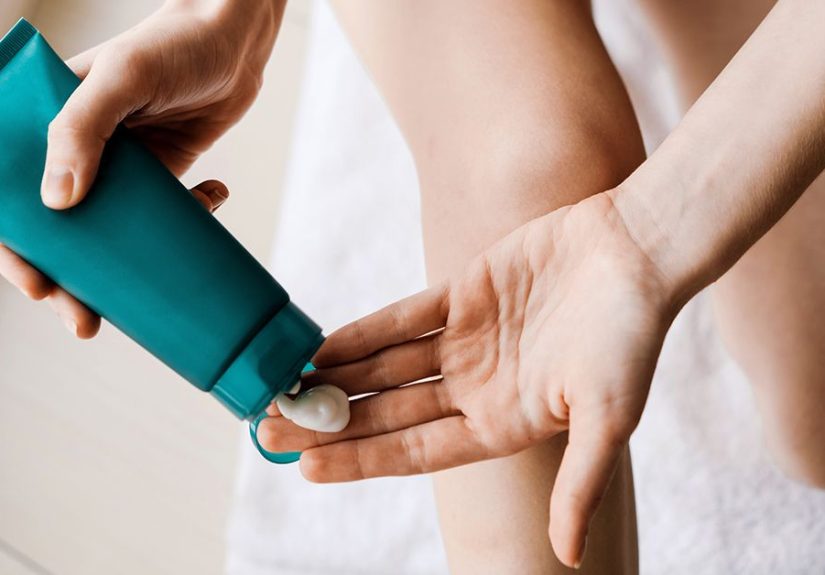
Before you think about stronger medications, start with the boring hero of eczema care: moisturizing. Thick, fragrance-free creams and ointments help repair the skin barrier, reduce water loss, and make the feet less reactive. This is not glamorous. It is also wildly effective.
What kind of cream works best?
Look for rich, fragrance-free products rather than watery lotions. Creams and ointments generally work better for dyshidrotic eczema on the feet because the skin is thicker and drier there. Ingredients such as ceramides, petrolatum, glycerin, or dimethicone can help protect and restore the barrier.
How to use it
Apply moisturizer right after bathing, after washing your feet, and anytime the skin feels dry. During a flare, many people do best applying it at least twice daily. At night, a thick layer under clean cotton socks can help seal in moisture. Yes, your bedtime fashion may become “grandpa at a spa,” but your skin will not complain.
Supportive home care that actually helps
- Use lukewarm water, not hot water, for bathing or foot washing.
- Choose a mild, fragrance-free cleanser.
- Pat dry instead of rubbing.
- Use cool compresses for 10 to 15 minutes when itching is intense.
- Wear moisture-wicking socks and change them if they get damp.
- Rotate shoes so damp interiors have time to dry fully.
If sweat is one of your triggers, daily foot-drying habits matter almost as much as medication. Dyshidrotic eczema and sweaty feet are frequent travel companions, and unfortunately they are both terrible houseguests.
Creams for Dyshidrotic Eczema Feet Treatment
1. Over-the-counter hydrocortisone
Mild flares sometimes improve with low-strength hydrocortisone cream, especially if the irritation is caught early. That said, the soles of the feet have thick skin, so over-the-counter steroid creams are often not strong enough for anything beyond a minor flare.
2. Prescription topical corticosteroids
These are usually the main treatment for active dyshidrotic eczema. Steroid creams and ointments reduce inflammation, calm redness, shrink the blistering response, and help relieve itching. On the feet, dermatologists often choose medium- to high-potency products because the thick plantar skin does not absorb medication as easily as thinner areas such as the face.
The trick is using them correctly. Too little, too briefly, or too randomly often leads to disappointing results. Too much for too long can cause side effects such as thinning of the skin or other steroid-related problems. That is why a specific plan from a clinician matters, especially if the flare is severe or recurrent.
3. Steroid-sparing creams and ointments
If flares keep returning, or if you need long-term control, a doctor may prescribe a nonsteroid anti-inflammatory topical such as tacrolimus ointment or pimecrolimus cream. These medications are often used when people want to limit repeated steroid use or need a maintenance option between flares.
Some clinicians may also consider other nonsteroid eczema topicals depending on the exact diagnosis and how your skin responds, but dyshidrotic eczema on the feet often needs a customized plan rather than a one-size-fits-all tube from the pharmacy shelf.
Medications Beyond Creams
Oral antihistamines
Antihistamines do not cure eczema, but they can be helpful for itch management, especially at night. If scratching in your sleep is making the skin worse, a clinician may recommend an option that helps reduce nighttime itching. Some are less sedating than others, so the right choice depends on when you take it and how your body responds.
Short courses of oral steroids
For a severe flare, especially one that makes walking miserable, a doctor may prescribe a brief course of oral corticosteroids such as prednisone. These are usually used as a short bridge, not a long-term strategy. They can calm things down quickly, but they are not something most clinicians want you living on.
Antibiotics if infection develops
Antibiotics are not routine treatment for dyshidrotic eczema itself. However, they may be needed if scratching opens the skin and a bacterial infection develops. Warning signs include increasing redness, swelling, warmth, pus, yellow crusting, or pain that keeps escalating instead of easing.
Systemic immune-modifying medications
If your foot eczema is stubborn, widespread, or keeps coming back despite strong topical care, a dermatologist may consider treatments that work throughout the body. Depending on the case, these can include immunosuppressive or immune-modifying medications. These are specialist-level decisions and usually come into play when standard measures are not enough.
Biologics and newer specialist options
In difficult cases, dermatologists may sometimes use newer eczema treatments such as biologic medications, especially when a person has overlapping atopic dermatitis or severe disease that refuses to cooperate. This is not usually the first stop on the treatment train, but it can be part of the conversation for hard-to-treat cases.
When Sweaty Feet Are the Real Plot Twist
For many people, sweat is not just an annoyance. It is a flare trigger. If your eczema worsens in hot weather, during sports, in work boots, or after long days in closed shoes, controlling moisture becomes a major part of treatment.
What can help
- Prescription antiperspirants for the feet.
- Moisture-wicking socks, ideally changed midday if damp.
- Breathable footwear and shoe rotation.
- Removing shoes when possible to let feet cool and dry.
- Specialist treatment for excessive sweating, including botulinum toxin in selected cases.
That last option may sound intense, but for people whose flares clearly track with excessive sweating, it can make a meaningful difference.
Phototherapy and Other Office-Based Treatments
If creams and trigger control are not enough, dermatologists may recommend light therapy. Narrowband UVB and other targeted approaches can help stubborn hand and foot dermatitis, including dyshidrotic eczema. This is done under medical supervision, not by “I stood outside for a while and hoped for the best.” Tanning beds do not count as treatment, and they come with real skin cancer risk.
Some doctors may also use occlusion or wet-wrap-style techniques for carefully selected patients to improve absorption of topical medications. These approaches can be helpful, but because foot skin can crack, macerate, or get infected, it is smarter to do them with guidance rather than improvising with plastic wrap and optimism.
Trigger Hunting: The Part Nobody Loves but Everybody Needs
Treatment works better when you reduce whatever keeps poking the fire. Dyshidrotic eczema is often linked to triggers such as heat, sweating, stress, wet work, irritating skin products, and contact allergy to metals like nickel or cobalt. Sometimes fungal infections or friction also make the skin angrier.
Common foot-related triggers
- Sweaty sneakers, boots, and nonbreathable shoes
- Long periods in damp socks
- Harsh soaps, deodorizing sprays, or fragranced foot products
- Adhesives, rubber, dyes, or shoe materials
- Stress, especially when flares seem to arrive right on schedule with chaos
- Heat and humidity
If flares are frequent, your doctor may recommend patch testing to look for allergic contact triggers. That is especially useful when the pattern suggests your shoes, socks, or personal care products may be part of the problem. If symptoms keep coming back in the same places, it is worth asking whether something touching your feet is helping to keep the cycle alive.
When to See a Doctor
Do not try to tough it out forever. Get medical care if:
- You cannot walk comfortably because of pain or blistering.
- The rash is not improving with basic care.
- You keep having repeat flares.
- You are unsure whether it is eczema, athlete’s foot, or something else.
- You notice swelling, spreading redness, warmth, pus, or yellow crusting.
- The itching is wrecking your sleep or daily life.
Foot eczema can look deceptively simple from the outside. Inside the shoe, however, it can be a full-time nuisance. Getting the diagnosis right is the fastest way to stop wasting money on products that were never going to help.
A Practical Daily Routine for Dyshidrotic Eczema on the Feet
Morning
Wash gently if needed, pat dry, apply any prescribed medication to active spots, then seal the rest of the foot with a thick moisturizer. Put on clean moisture-wicking socks.
Midday
If your feet sweat, change socks and let shoes air out. Reapply moisturizer to dry or peeling areas if possible.
Evening
Use a cool compress if itching is flaring. Apply medications as directed. Follow with a thick cream or ointment. Wear breathable cotton socks overnight if that helps hold the product in place.
Weekly check-in
Notice patterns. Did the flare follow hot weather, stress, long hours in boots, a new foot spray, or a new pair of shoes? Eczema loves patterns, even when it pretends to be random.
Real-Life Experiences: What Foot Dyshidrotic Eczema Can Actually Be Like
People who deal with dyshidrotic eczema on their feet often describe a very specific kind of misery: it is small in size but weirdly huge in impact. A few tiny blisters do not sound dramatic until they sit on the part of your foot that rubs against a sock seam for twelve hours straight. Then suddenly you are planning your day around footwear, air circulation, and whether walking across the grocery store is going to feel normal or like stepping on a patch of irritated sandpaper.
One of the most common experiences is the itch-before-the-rash phase. People notice that their feet feel hot, prickly, or deeply itchy, but the skin still looks almost normal. Then the blisters arrive, and the mystery solves itself in the least fun way possible. Others say the worst stage is not even the blistering. It is the drying and peeling that comes next. Once the blisters settle down, the skin can become tight, flaky, and cracked, especially around the toes or on the ball of the foot. At that point, every step can feel like the skin is being tugged in the wrong direction.
Foot flares also affect routines in sneaky ways. Exercise becomes harder. Long walks become less appealing. Shoe choices turn into strategy. People start favoring the same soft sneakers, open-back slippers, or breathable sandals because certain materials trigger rubbing, sweating, or irritation. Summer can be rough because heat and sweat increase symptoms, but winter is not always kind either. Dry air plus thick socks plus stiff boots can create a whole different kind of flare.
There is also the frustration factor. Many people try antifungal creams first because blisters and peeling on the feet look like athlete’s foot. When that does not help, they bounce to another product, then another, and end up with a bathroom cabinet full of false starts. Getting the right diagnosis often feels like the turning point. Once people understand that barrier repair, anti-inflammatory treatment, and trigger control matter more than random product roulette, things often become more manageable.
Emotionally, the condition can be draining in a very ordinary, daily way. It interrupts sleep when the itching kicks up at night. It makes people self-conscious in locker rooms, at yoga, or anytime shoes come off in public. It can be hard to explain to other people because from a distance it may look minor, but the discomfort is real. The upside is that many people do get better control once they learn their patterns. They figure out which socks behave, which shoes are traitors, which moisturizers their skin likes, and when to start treatment before a flare really takes off. That is often the biggest lesson: foot dyshidrotic eczema may be stubborn, but it is not unbeatable.
Conclusion
Dyshidrotic eczema on the feet is one of those conditions that sounds tiny and behaves like a diva. The best treatment plan usually combines thick fragrance-free moisturizers, properly used topical steroids, trigger control, and moisture management. More stubborn cases may need steroid-sparing topicals, phototherapy, sweating treatment, or prescription medications that work more broadly.
If your feet keep blistering, peeling, cracking, or itching despite your best over-the-counter efforts, do not assume you just need a stronger lotion and a pep talk. A dermatologist or primary care clinician can help confirm the diagnosis, check for infection or contact allergy, and build a treatment plan that fits your actual triggers. In other words: your feet deserve better than guesswork.





 Close
Close