
Table of Contents >> Show >> Hide
- What Exactly Is Durban Curry?
- How Durban Became a Curry Capital
- The Flavor Blueprint: Why It Hits Different
- Bunny Chow: The Most Iconic Way to Eat Durban Curry
- So… Is It Really “The Best in the World”?
- How to Make Durban-Style Curry at Home (Without Overthinking It)
- Serve It Like Durban (Even If You’re in Ohio)
- Common Mistakes (And How to Avoid Curry Regret)
- A Love Letter in a Pot
- Experience Notes (Extra): What Durban Curry Feels Like in Real Life
Some foods taste good. Some foods taste like a whole life decision. Durban curry is the second kindbold, aromatic,
unapologetically spicy, and the sort of meal that makes you pause mid-bite like, “Wait… why is everything else trying
so hard?” If you’ve never had it, think of Durban as a coastal South African city where Indian heritage, local tastes,
and street-food practicality teamed up and created a curry with a reputation that travels faster than the smell of
toasted cumin.
This is not a delicate “whisper of turmeric” situation. Durban curry shows up with heat, depth, and a thick, clingy
gravy that was basically designed to hug bread, rice, or a spoonideally all three. And if you’ve heard of bunny chow
(the legendary bread-loaf curry bowl), that’s Durban curry’s most famous ride-or-die serving style. Together, they’re
messy, brilliant, and weirdly unforgettablelike the best kind of vacation photo, except you can eat it.
What Exactly Is Durban Curry?
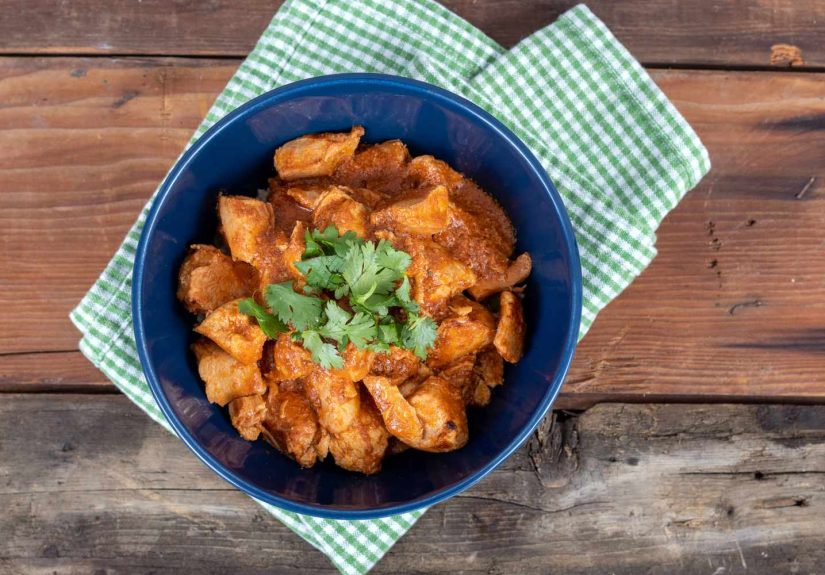
“Durban curry” isn’t just “curry made in Durban.” It’s a recognizable stylean Indian South African curry tradition
known for a deep-red color, a serious chili presence, and a sauce that’s often thicker than many restaurant curries
you might be used to in the U.S. It’s typically built on onions, ginger, garlic, tomatoes, and a spice blend that
leans warm and earthy (think coriander, cumin, turmeric, cinnamon, cloves, fenugreek), then pushed into high gear
with chili powder and fresh chilies.
The result is layered: first you get fragrance (the “hello” from toasted spices), then savory richness, then a steady
build of heat that doesn’t feel like punishmentmore like an enthusiastic coach yelling, “You’ve got this!”
How Durban Became a Curry Capital
Durban’s curry culture is tightly tied to South Africa’s Indian community, especially people whose families came
through waves of migration and labor history in KwaZulu-Natal. Over time, South Indian flavors met local ingredients,
local economics, and local eating habitsand a distinct regional curry identity formed.
That identity didn’t stay in fancy dining rooms. It became street food. It became takeaway food. It became “feed a
crowd” food. And it also became a story of adaptation: the kind of cooking that happens when people preserve
tradition while making it work in a new home, with whatever is available and affordable.
The Flavor Blueprint: Why It Hits Different
Durban curry has a signature personality: hot, aromatic, and intensely savory. But what makes it feel “bigger” than
many curries is the way the flavor is stacked in phases rather than dumped in all at once.
1) The aromatic base (the foundation)
Onions are cooked until sweet and golden. Ginger and garlic come nextfresh if you can, paste if you want speed.
This step matters because it turns sharp aromatics into mellow depth. If your curry tastes “spicy but flat,” it’s
often because the base didn’t get enough time to develop.
2) The spice blend (the voice)
Durban-style spice mixes often include coriander, cumin, turmeric, and warming spices like cinnamon, cardamom, cloves,
and fenugreek. The mix is fragrant, earthy, and slightly sweetthen chili powder (and often fresh chilies) brings the
heat that Durban curry is known for.
3) Tomatoes (the bridge)
Tomatoes do more than add tang. They help carry spices into a cohesive sauce, balancing heat and making the curry
taste “complete” instead of like separate ingredients arguing in the pot.
4) The simmer (the glow-up)
This is where the curry becomes itself. A longer simmer softens edges, deepens color, and turns “spice mix” into
“this tastes like somebody’s auntie made it and now you’re emotionally attached.”
Bunny Chow: The Most Iconic Way to Eat Durban Curry
Bunny chow is Durban curry’s most famous partner-in-crime: a hollowed-out loaf (or quarter loaf) of white bread filled
with curry, often served with simple chopped salads and/or pickles on the side. It’s practical, portable, and the
bread soaks up the sauce until the last bites taste like the best part of a stew and the best part of fresh bread
decided to become one thing.
If you’ve never eaten curry this way, here’s the vibe: you tear bread, scoop curry, and slowly realize utensils were
optional all along. It’s messy in the way a great sandwich is messyevidence that you’re doing it right.
So… Is It Really “The Best in the World”?
“Best” is subjective, sure. But Durban curry has a real argument, and it’s not just hype. If we define “best” as a
curry that delivers maximum flavor, emotional comfort, and repeat cravings, Durban curry checks a suspicious number
of boxes.
- Intensity without chaos: It’s hot, but the heat is supported by deep savory spice, not just fire-for-fire’s sake.
- Thick, clingy sauce: The gravy is designed to hold flavor in every biteespecially when eaten with bread.
- Versatility: Chicken, lamb/mutton, beans, seafoodDurban curry adapts without losing its identity.
- Street-food brilliance: Bunny chow turns curry into a hand-held meal that’s both comforting and fun.
- Cultural depth: It’s not only delicious; it’s a cuisine with history and meaning.
In other words: it’s not trying to be trendy. It’s trying to be delicious. That confidence tastes like something.
How to Make Durban-Style Curry at Home (Without Overthinking It)
You don’t need a suitcase full of specialty ingredients to get close. You need the right method: build a strong base,
bloom the spices, and simmer long enough for the sauce to turn from “ingredients” into “curry.”
Step 1: Start with onions, then go slower than you want
Cook chopped onions in oil until they’re soft and starting to brown. This is the flavor engine. If you rush it, the
curry can taste sharp and raw even if you add every spice known to humanity.
Step 2: Add ginger and garlic (paste is totally fine)
Stir in ginger and garlic and cook until the raw smell softens. If things stick, a splash of water helpsthink of it
as “deglazing for people who just want dinner.”
Step 3: Bloom your spices
Add your spice blend and cook it briefly in the oil and onion base. This “blooms” the spices, unlocking aroma and
smoothing out harsh edges. At minimum, include coriander, cumin, turmeric, and chili powder. If you have them, add
cinnamon, cloves, fenugreek, and a pinch of cardamom for that Durban-style warmth.
Step 4: Tomatoes, then patience
Add chopped tomatoes (or canned crushed tomatoes) and cook until the mixture looks thicker and darker. This step
turns the pot from “spiced onions” into a sauce base that can carry meat and vegetables.
Step 5: Add protein and potatoes (a classic move)
Durban curries often include potatoes, which soak up flavor and give the dish comfort-food power. Add cubed potatoes
and your proteinchicken thighs, lamb, or chickpeas/beans. Add water or stock to cover, then simmer until tender.
Step 6: Balance at the end
Taste and adjust: salt for structure, a little acidity (lemon or vinegar) for brightness, and chili for heat. If it’s
too fiery, don’t panicserve with cooling sides (yogurt, cucumber, or a simple chopped tomato-onion salad).
Serve It Like Durban (Even If You’re in Ohio)
The most iconic way is bunny chow style. But Durban curry is generousit won’t judge you for choosing rice.
Bunny chow at home
Use a firm white bread loaf (or even individual rolls). Cut a “lid,” hollow the center, and fill with curry. Let it
sit 2–3 minutes so the bread starts absorbing sauce, then serve with chopped onion-tomato salad and/or pickles.
Rice + Durban curry
Basmati works great. If your curry is thick, rice keeps things balanced and makes the meal feel calmer (like your spice
level hired a financial advisor).
Roti rolls
Wrap curry in roti or flatbread for a neat, portable optionDurban flavors, fewer drips, same happiness.
Common Mistakes (And How to Avoid Curry Regret)
- Burning spices: Bloom them briefly and keep the heat moderate. If the pan is dry, add a splash of water.
- Watery sauce: Simmer uncovered to reduce, or use less liquid at the start. Durban-style curry often likes a thicker gravy.
- Heat with no flavor: More chili won’t fix a weak base. Build sweetness with onions and depth with time.
- Undersalting: Salt doesn’t just make it “salty”; it makes spices taste like themselves.
- Skipping acidity: A small squeeze of lemon or a tiny splash of vinegar at the end can make flavors pop.
A Love Letter in a Pot
Durban curry earns its reputation because it’s not just a recipeit’s a style with muscle. It’s a dish built by real
lives, adapted through real history, and perfected through the very serious practice of feeding hungry people quickly
and well. And that practicality is exactly why it tastes so good: it’s meant to satisfy, not just impress.
If you want a curry that feels alivehot, fragrant, thick, and generousDurban curry is waiting. Just don’t wear your
favorite white shirt the first time you try bunny chow. This is joy, but it is not tidy joy.
Experience Notes (Extra): What Durban Curry Feels Like in Real Life
Even if you’ve never been to Durban, the “Durban curry experience” has a recognizable rhythmone that food writers,
home cooks, and travelers keep describing in the same way: it starts before you eat. The smell hits first. You’re not
tasting anything yet, but your brain is already like, “We should sit down for this.” There’s usually a warm, toasty
spice aromacoriander and cumin up frontfollowed by something darker and sweeter underneath, like cinnamon and
caramelized onions.
Then comes the heat, but not immediately in a cartoon “my mouth is on fire” way. Durban curry tends to build. The
first bite is rich and savory. The second bite is warmer. By the third bite, your forehead has opinions. By the
fourth bite, you’re making plans to keep eating anyway. It’s the kind of spice that feels intentional, like it’s
designed to keep the flavor moving, not just prove a point.
If you eat it bunny chow style, the experience gets even more dramatic (in a good way). You tear into the bread and
scoop curry, and at first the bread is just… bread. Soft, white, innocent. But once the curry starts soaking in, the
bread transforms into this savory, spicy spongeespecially at the bottom corners where the sauce collects. People
often say the “best bite” is that last, curry-soaked piece when the loaf has absorbed everything and you’re basically
eating a stew-flavored cloud with your hands.
There’s also a social side to it. Bunny chow is rarely eaten with a “fine dining posture.” It’s casual. It’s shared.
Someone usually laughs because sauce drips, or because the bread “lid” slides, or because the curry is hotter than
anyone admitted it would be. The mess becomes part of the memory. It’s not just food; it’s a small event.
Home cooks who try to recreate Durban curry often talk about the moment they realize it’s not about chasing one exact
recipeit’s about method and confidence. They’ll tweak heat levels, switch proteins, add potatoes, or swap tomato
types. But when they nail the foundationsweet onions, properly cooked spices, a simmer that thickens and deepensthe
flavor suddenly “clicks.” That’s when people say things like, “Okay, now I get why Durban curry has a fan club.”
And maybe that’s the real magic: Durban curry is bold enough to feel exciting, but familiar enough to feel like home.
It’s comfort food with a passport. It’s the meal you make when you want warmth and drama at the same timelike a cozy
blanket that also does stand-up comedy.







 Close
Close