
Table of Contents >> Show >> Hide
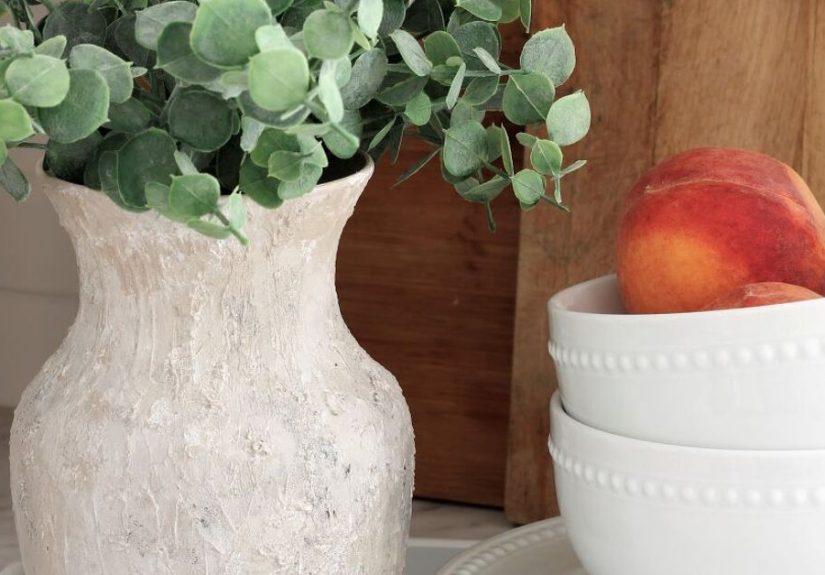
Love Pottery Barn’s chunky earthenware vases but not the three-digit price tags? Same. The good news is you don’t need a pottery wheel, a kiln, or a decor budget the size of a small car payment to get that high-end look. With a thrifted vase, some simple materials, and a little patience, you can create a DIY Pottery Barn inspired earthenware vase that looks like it came straight out of a glossy catalog spread.
Home DIYers all over the U.S. have been turning plain glass and ceramic vases into “designer” pieces using joint compound, lightweight spackle, chalk paint, and the famous baking-soda-and-paint hack. These techniques create that matte, textured, “found pottery” finish you see in Pottery Barn, Anthropologie, and high-end boutiques for a fraction of the cost.
Why Make a Pottery Barn Inspired Earthenware Vase?
Before we dive into the “how,” it helps to know why this project is so popular with Hometalk-style DIYers and decor lovers.
1. You Get the Look for Less
Pottery Barn’s artisan-style vases can run well over $100, especially the larger earthenware vessels. DIY bloggers have shown that you can create very similar looks with a $5–$10 thrift store vase, a tub of drywall compound or joint compound, and paint you probably already have in your stash.
2. You Can Customize the Shape and Color
Unlike buying a single vase off the shelf, DIY gives you endless flexibility. You can:
- Choose any silhouette from the thrift store: tall and narrow, round and chunky, handles or no handles.
- Match the color to your existing decorwarm greige, creamy white, moody charcoal, olive green, or terracotta.
- Adjust the amount of texture, from soft and subtle to heavily rustic and “dug out of ancient ruins.”
3. It’s Beginner-Friendly
Most Pottery Barn vase dupe tutorials use very forgiving products: joint compound, lightweight spackle mixed with chalk paint, or paint thickened with baking soda. If you can frost a cake or stir pancake batter, you can handle this project. Mistakes are easy to sand, wipe back, or simply paint over.
Materials You’ll Need for a DIY Earthenware Vase
Every creator has a slightly different recipe, but most Pottery Barn inspired earthenware vase projects rely on the same core supplies. Mix and match based on what you can find locally.
Core Supplies
- Base vase or vessel: A glass, ceramic, or metal vase from a thrift store, discount retailer, or your own “what-was-I-thinking” decor bin. Look for simple, rounded shapes that mimic high-end earthenware.
- Joint compound or lightweight spackle: Used to create thick, stone-like texture. Drywall compound gives a slightly smoother look; lightweight spackle can be easily tinted with chalk paint.
- Chalk paint or matte acrylic paint: For color and adhesion. Chosen shades often mimic stone, clay, or aged potterythink white, sand, greige, taupe, charcoal, or indigo.
- Baking soda (optional but popular): When mixed 1:1 with paint, it thickens the paint and adds a gritty pottery-like texture.
- Brushes and tools: A basic paintbrush, a cheap putty knife, and possibly a comb-like or notched tool to drag through the compound for extra texture.
- Primer (optional): A multi-surface primer helps paint and compound adhere better to shiny glass or glazed ceramics.
- Sealer: A clear matte sealer or topcoat protects your finish and keeps it looking like “real” pottery rather than freshly painted craft project.
Helpful Extras
- Sandpaper (220–320 grit) to soften heavy ridges once the compound dries.
- A damp cloth or sponge to gently knock back texture.
- Small craft paints in warm browns or blacks for speckling and aging.
- An old toothbrush for flicking on tiny specks for that speckled stone look.
Step-by-Step: How to Make a Pottery Barn Inspired Earthenware Vase
There are several ways to tackle this DIY. Below is a hybrid approach that combines tips from popular U.S.-based tutorials using joint compound, spackle, and baking-soda paint for a realistic earthenware finish.
Step 1: Choose and Prep Your Vase
- Hunt for a good shape. Visit thrift stores, yard sales, or the clearance aisle. Focus on the silhouette, not the color or print. Rounded shoulders, slightly tapered necks, and simple forms are easiest to transform and feel the most “Pottery Barn.”
- Clean thoroughly. Wash the vase with warm soapy water to remove dust, oils, or sticker residue. Allow it to dry completely.
- Scuff the surface. Lightly sand glossy glass or ceramic so the primer and compound adhere better.
- Prime (optional but recommended). Apply a coat of multi-surface primer. Let it dry according to the manufacturer’s instructions.
Step 2: Create the Textured “Clay” Base
Here’s where the magic happens. You’re going to give your vase that thick, hand-built pottery feel.
Option A: Joint Compound or Drywall Compound
- Mix your compound. In a disposable container, stir joint compound until it has the consistency of frosting. If it’s too thick, add a tiny bit of water. If you want color in the base, mix in some chalk paint so the texture isn’t stark white underneath.
- Spread it on. Use a putty knife to apply a thin but even layer all over the vase, working in sections. Think of icing a cakeorganic, imperfect movement looks more like handmade pottery.
- Add deliberate texture. Before it fully sets, use your knife edge, a comb-like tool, or even your fingers to create subtle ridges, swoops, or vertical strokes.
- Let it dry. Allow the compound to dry completely, usually overnight. It should feel hard and chalky.
- Lightly sand. Use fine-grit sandpaper to knock down any razor-sharp peaks or obvious globs while keeping the overall texture intact.
Option B: Lightweight Spackle + Chalk Paint
- Tint the spackle. Mix lightweight spackle with chalk paint until you reach a smooth, mayonnaise-like consistency. This pre-colors your texture coat.
- Apply with a brush or knife. Brush it on in irregular strokes or trowel it on with a putty knife for a heavier, stone-like look.
- Dry and sand. Let dry completely, then lightly sand just as you would with joint compound.
Option C: Baking Soda + Paint Hack
If you want a simpler method with fewer steps, you can skip the compound and use a thickened paint mixture instead.
- Mix baking soda and paint 1:1. Combine equal parts of matte acrylic or chalk paint and baking soda. The mixture should look like slightly grainy pudding.
- Paint the vase. Brush on one thin coat and let it dry. Follow with a second, thicker coat where you intentionally dab and stipple to build up texture.
- Layer colors as needed. You can mix slightly darker or lighter shades for the second coat to add dimension.
Step 3: Add Color, Depth, and Patina
Once you have your textured base, it’s time to make it look like a high-end earthenware vase, not a frosted cake.
- Choose a base color. Many DIYers start with a warm neutrallike greige, taupe, or stone grayto mimic real clay or terracotta. Others go bold with indigo or charcoal for a dramatic statement piece.
- Dry-brush highlights. After your base coat dries, lightly dip a dry brush into a lighter shade and wipe most of it off on a paper towel. Gently drag the brush over the raised areas of the vase to create depth and dimension.
- Age it with washes. Mix a little dark brown or black craft paint with water to create a wash. Brush it into crevices and quickly wipe back the excess with a cloth. This gives your vase that aged, collected-over-decades look.
- Add speckles (optional but realistic). Thin some darker paint and flick it onto the vase using an old toothbrush. Tiny specks mimic natural stone or ceramic glazes.
Step 4: Seal and Style Your Vase
- Seal the finish. Once all paint layers are bone dry, apply a clear matte sealer. This locks in the texture and keeps the vase from feeling chalky or shedding dust.
- Decide how you’ll use it. Many makers use these vases for dried stems or faux florals only, especially if the interior isn’t waterproof. If you want to use real water and fresh flowers, keep the interior uncoated and protected or insert a smaller watertight container inside.
- Style like a pro. Cluster your DIY Pottery Barn inspired earthenware vase with a stack of coffee table books, a candle, and a small bowl. Or showcase it solo on a console table with dramatic branches to make it the star of the vignette.
Tips, Tricks, and Common Mistakes
Don’t Panic If the Texture Looks “Too Much”
While everything is still damp, you can smooth over heavy ridges or blobs with a slightly damp sponge or paper towel. Even after it dries, gentle sanding can calm things down. The key is to step back often and look at the vase from different angles.
Be Patient with Dry Time
Joint compound and thick paint layers may look dry on the surface while still soft underneath. Rushing into sanding or repainting can cause peeling or gouges. Many DIYers recommend leaving the vase overnight (or even a full 24 hours in humid climates) before the next step.
Embrace Imperfections
The charm of Pottery Barn’s “artisan” vases comes from irregularity. Hand-built pottery rarely looks machine-perfect. Slightly uneven brush strokes, subtle color variations, and tiny nicks make your piece look more authenticnot less.
Start Small, Then Go Big
If you’re nervous, test your technique on a small, inexpensive vase first. Once you’re comfortable with how the compound or baking-soda paint behaves, move on to the large statement vase for your entryway or dining table.
of Real-Life DIY Experience with Pottery Barn Inspired Earthenware Vases
Once you make your first DIY Pottery Barn inspired earthenware vase, it’s very hard to stop. Ask anyone who’s tried it: suddenly every shiny vase, lamp base, and random decorative object looks like a candidate for a textured makeover.
The first time many DIYers tackle this project, they underestimate just how transformative texture can be. A simple tulip-shaped glass vase that once screamed “supermarket flowers” turns into a substantial, sculptural piece after a coat of compound and layered paint. It doesn’t just look differentit behaves differently in a room. It holds visual weight, anchors a vignette, and makes faux greenery look expensive.
A common “aha” moment comes during the coloring and aging stage. At first, the vase can look a little flatpretty, but clearly painted. Then, a thin dark wash settles into the crevices, a few dry-brushed highlights catch the light, and suddenly the surface comes alive. It stops looking like painted joint compound and starts looking like clay that’s been handled, fired, and handled again over time.
There’s also a surprising amount of freedom in this project. One creator may mix joint compound with a soft greige chalk paint and aim for a calm, coastal feel. Another might go all in with a deep charcoal base and warm brown washes that channel old-world Tuscan pottery. Someone else might create a rich indigo vase that feels modern and moody, perfect for a bookshelf or a black-and-white gallery wall. Despite following similar steps, no two vases ever come out exactly alikeand that’s part of the fun.
From a practical standpoint, this DIY is also incredibly forgiving. If you accidentally make the texture too heavy, you can sand it back. If the color is too cool, you can layer on warmer washes. If the whole thing goes sideways, you can simply re-prime the vase and start over. Compared with cutting lumber or working with power tools, there’s very little that can truly “ruin” the project beyond repair.
Decor-wise, the most satisfying part is integrating your new faux earthenware vases into your existing space. One vase on a mantel might be all you need to shift the vibe from “mass-produced” to “curated.” A trio of vases in varying heights on a dining table can stand in for a more formal centerpiece, especially when paired with simple greenery or dried stems.
For those inspired by Hometalk-style communities, sharing the finished vase online is almost as enjoyable as making it. Before-and-after photos are dramatic: the original vase often looks bright, glossy, and oddly lightweight; the finished version looks like it belongs in a design catalog. Other DIYers chime in with questions about techniques, favorite paint colors, and whether the surface can handle outdoor use or live plants.
Over time, as you experiment with different textures, colors, and shapes, you develop a personal “recipe” for your ideal Pottery Barn inspired earthenware finish. Maybe you discover that you prefer a thinner compound layer but heavier speckling. Maybe you realize you love soft, chalky whites in spring and summer and moodier charcoal vases for fall and winter. In any case, the project becomes less of a one-time craft and more of an evolving creative practice.
In the end, that’s the magic of the DIY Pottery Barn inspired earthenware vase: it’s a budget-friendly project that delivers both immediate decor impact and long-term creative satisfaction. You get the satisfaction of saying, “Thanks, I made it,” every time someone compliments your “designer” vaseand you get to laugh quietly knowing the whole thing started with a thrift store find and a tub of compound.







 Close
Close