
Table of Contents >> Show >> Hide
- Why DIY Industrial Pipe Open Shelving Works So Well
- Where to Use Industrial Pipe Shelves
- Choosing the Right Look Before You Build
- Materials and Tools You Will Likely Need
- How to Plan Your Shelves Like a Smart Person Instead of a Chaotic One
- Step-by-Step: How to Build DIY Industrial Pipe Open Shelving
- Best Wood Finishes for Industrial Pipe Shelves
- Common Mistakes to Avoid
- Styling Ideas for a Better Finished Look
- How Much Does DIY Industrial Pipe Open Shelving Cost?
- Experience: What Building DIY Industrial Pipe Open Shelving Really Feels Like
- Final Thoughts
- SEO Tags
If you have ever looked at a blank wall and thought, “You know what this room needs? More storage and a little less personality crisis,” DIY industrial pipe open shelving might be your new favorite weekend project. It combines warm wood, rugged metal, and practical storage in a way that feels equal parts workshop, loft apartment, and “yes, I absolutely meant for it to look this cool.”
Industrial pipe shelves are popular for a reason. They work in kitchens, bathrooms, laundry rooms, home offices, garages, coffee corners, entryways, and awkward little wall spots that usually end up holding nothing but regret. Open shelving also gives you a chance to display the things you actually use and the things you want guests to think you use, like matching jars, cookbooks, or that one plant you are trying very hard not to accidentally destroy.
This guide walks you through the design, planning, materials, build process, styling ideas, and real-world lessons behind DIY industrial pipe open shelving. It is written for beginners, cautious DIYers, and confident people with a drill who still say “well, this should be interesting” before every project.
Why DIY Industrial Pipe Open Shelving Works So Well
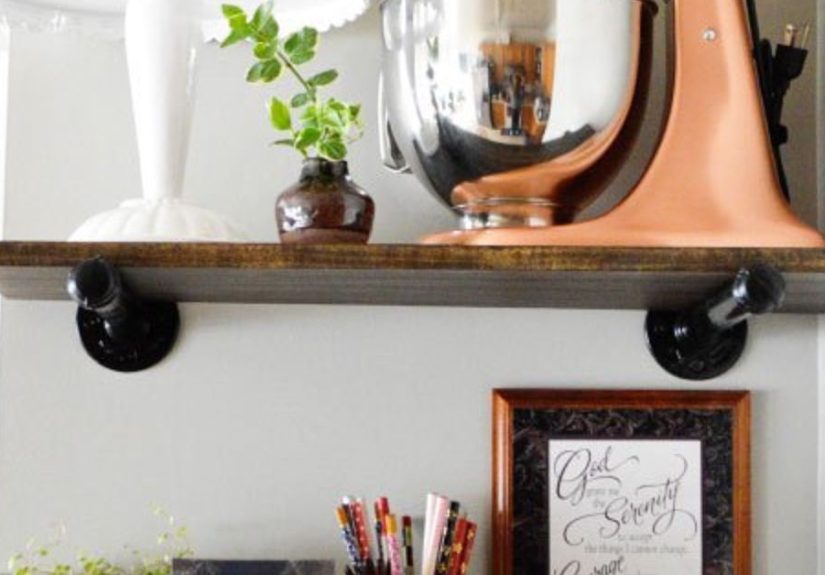
The best home projects solve two problems at once: they add function and improve the look of a space. Industrial pipe open shelving does exactly that. The pipe creates a bold frame and a sturdy support system, while the wood adds warmth so the finished shelves do not feel cold or overly mechanical.
Open shelving also visually lightens a room. Closed cabinets can make a small kitchen, bathroom, or office feel boxed in. Shelves keep the wall feeling more open, which is especially useful in narrow spaces. In practical terms, they make everyday items easier to grab. In design terms, they say, “I have my life together,” even if the lower cabinet is secretly a junk drawer battlefield.
Another huge advantage is flexibility. You can build a single shelf above a toilet, a two-tier coffee station, a long kitchen shelf for dishes, or a full wall of shelving for books and decor. The industrial style works with farmhouse, modern rustic, loft, vintage, and even minimalist interiors when you keep the lines clean.
Where to Use Industrial Pipe Shelves
Kitchen
Open shelving in a kitchen is ideal for mugs, bowls, plates, glassware, spice jars, and small decor accents. A two-shelf setup over a coffee bar can turn an ordinary corner into a feature wall.
Bathroom
Pipe shelving above the toilet or beside a vanity adds vertical storage without eating up floor space. Towels, baskets, toiletries, and a small plant all look right at home here.
Laundry Room
Industrial pipe shelves are excellent for detergent, folded linens, cleaning supplies, and labeled bins. A rugged finish feels appropriate in a hardworking utility space.
Home Office
Need a shelf that looks more grown-up than a basic laminate board? Pipe shelves can hold books, framed art, storage boxes, and office accessories while giving the room a custom look.
Living Room or Entryway
A few well-placed shelves can display books, family photos, baskets, candles, and objects with personality. In an entryway, they can even become a drop zone for keys, mail, and small storage containers.
Choosing the Right Look Before You Build
Before you buy materials, decide what kind of industrial shelving you want. This sounds obvious, but it saves money, avoids return trips, and dramatically reduces the chance of standing in a hardware aisle whispering, “Why are there seventeen kinds of elbows?”
Pipe Finish
Black pipe is the classic choice for an industrial look. It gives the shelves a more vintage, workshop-inspired appearance. Galvanized pipe feels a little brighter and more utilitarian. Both can work, but black pipe tends to deliver the moody, rustic-industrial style most people are after.
Wood Species
Pine is budget-friendly and easy to work with. Oak feels more upscale and durable. Poplar is smooth and paint-friendly. Reclaimed wood brings extra texture and character, though it can require more prep. If you want the fastest path to a good result, a quality solid wood board with a nice stain is usually the sweet spot.
Shelf Depth and Length
Shallow shelves are great for decor, spices, toiletries, or small storage. Deeper shelves are better for dishes, baskets, books, or pantry items. Longer shelves look dramatic, but they require better support planning. The more ambitious the span, the more important it is to think about mounting points, stud placement, and how much weight the shelf will actually carry.
Bracket Style
Some pipe shelves use visible side supports. Others run pipe vertically through drilled boards for a full frame look. Wall-mounted flange-and-pipe brackets are usually the simplest option for beginners. They look substantial without requiring advanced woodworking.
Materials and Tools You Will Likely Need
Materials
- Wood boards cut to your shelf dimensions
- Black pipe or galvanized pipe
- Floor flanges
- Elbows, tees, nipples, or straight sections depending on your design
- Wood stain or paint
- Protective topcoat such as polyurethane
- Wood screws
- Wall-mounting screws or lag screws suitable for your wall type
- Anchors if studs are unavailable and the load allows for it
- Sandpaper in medium and fine grits
Tools
- Tape measure
- Level
- Stud finder
- Drill and drill bits
- Driver bit set
- Saw if you are cutting boards yourself
- Clamps
- Rags or brushes for stain and finish
- Pencil
- Safety glasses
How to Plan Your Shelves Like a Smart Person Instead of a Chaotic One
Planning is what separates a satisfying shelf project from a Saturday afternoon meltdown. Measure your wall. Then measure it again. Decide exactly what the shelves need to hold. Decorative bowls and a trailing pothos are very different from stacks of dishes, books, or detergent bottles.
Mark your intended shelf height and width on the wall with painter’s tape. This simple step helps you visualize the final look before you drill anything. It also shows whether the shelf will feel balanced with nearby cabinets, mirrors, art, or furniture.
Next, find the studs. This matters. A lot. The safest and strongest setup is fastening into wall studs whenever possible. If your design spans multiple support points, great. If not, you may need to adjust the spacing or overall width so the shelf lands where the wall can actually support it.
Think through the load as well. Decorative shelves are one thing. Functional storage shelves are another. If the plan is to load them with cookbooks, cast iron, or a heroic number of canned goods, choose stronger hardware, solid boards, and conservative spacing. Good shelf design is not just about what looks nice on day one. It is about what still looks straight six months later.
Step-by-Step: How to Build DIY Industrial Pipe Open Shelving
Step 1: Finalize the Design
Choose how many shelves you want, how wide they should be, and whether the pipe will act as side brackets or a full frame. Sketch it out. It does not need to look like an architect made it. It just needs to make sense to Future You when the parts are on the floor.
Step 2: Buy and Dry-Fit the Pipe Parts
Before you mount anything, assemble the pipe pieces on the floor or a workbench. This lets you check proportions and ensure all fittings thread together properly. Industrial shelving hardware is wonderfully sturdy, but it can also be hilariously unforgiving when you realize one piece is the wrong length after everything is halfway assembled.
Step 3: Cut, Sand, and Prep the Wood
Cut your boards to size or have them cut at the store. Sand the boards thoroughly, starting with a coarser grit if needed and moving to a finer grit for a smoother finish. Always sand with the grain. Remove dust carefully before staining or painting.
If you are using a softwood like pine, take your time with prep. Softwoods can absorb stain unevenly. Testing your stain on a scrap piece first is one of those boring grown-up moves that pays off immediately.
Step 4: Stain or Paint the Shelves
Apply stain evenly, wipe away excess, and let it dry fully. For a darker tone, add another coat if the product directions allow it. Once the color looks right, add a protective finish. A clear topcoat helps the shelves resist moisture, fingerprints, and general life. For shelves that will see daily use, more than one protective coat is worth the effort.
Step 5: Mark the Wall
Use a level to mark your mounting points. Double-check alignment before drilling. Crooked industrial shelves do not look artisanal. They look like someone lost a fight with geometry.
Step 6: Mount the Pipe Supports
Attach the flanges or bracket supports to the wall using appropriate screws for studs or approved anchors for the wall type. Tighten everything securely, but do not overdo it and damage the drywall or strip the hardware.
Step 7: Attach the Shelves
Set the wood on the mounted pipe frame and make sure it is level. Some builds leave the wood resting in place; others use screws from underneath or through hidden points for extra security. If the shelves will be in a busy household, securing the wood is the smarter move.
Step 8: Style, Test, and Adjust
Before decorating the shelves fully, place a few intended items on them and check for movement, wobble, or sag. Make any final tweaks now. It is much easier to fix a problem before you beautifully arrange baskets, dishes, books, and your favorite ceramic owl.
Best Wood Finishes for Industrial Pipe Shelves
The finish changes the personality of the project. A dark walnut stain with black pipe looks rich and dramatic. A medium brown stain feels warm and classic. Natural matte wood with black hardware gives a more modern-industrial look. Painted shelves can lean farmhouse, coastal, or contemporary depending on the color.
For kitchens, bathrooms, and laundry rooms, durability matters. Use a finish that protects against moisture and everyday wear. Satin and matte topcoats are popular because they look less plastic than high gloss. A slightly worn or distressed finish can also work beautifully if you want the shelves to feel more vintage and lived-in.
Common Mistakes to Avoid
Ignoring Wall Structure
The biggest mistake is designing a shelf based only on appearance and not on how it mounts. The wall has the final vote. Stud locations, surface material, and intended load all matter.
Using Boards That Are Too Thin
Thin boards can look skimpy and feel flimsy, especially when paired with chunky pipe hardware. Thicker wood generally gives a better visual balance and stronger finished result.
Skipping the Dry-Fit
Pipe parts may look straightforward, but threaded components can change the final dimensions more than you expect. Test-fit first and save yourself a dramatic sigh later.
Rushing the Finish
Stain and topcoat need real drying time. Touching, stacking, or mounting too soon can mar the finish and turn a beautiful board into a sticky life lesson.
Overstyling the Shelves
Open shelving works best when it has breathing room. Mix practical items with decorative pieces, but leave some empty space. A shelf should feel curated, not like it is panicking.
Styling Ideas for a Better Finished Look
In the kitchen, combine dishes, glass jars, wooden cutting boards, and a small plant. In the bathroom, try rolled towels, amber bottles, woven baskets, and one framed print. In an office, mix books with storage boxes, a task lamp, and one or two sculptural objects.
The secret is contrast. Pair smooth ceramics with rough wood, black metal with greenery, and useful items with softer decor. Repeating a few colors across the shelf helps everything feel intentional. You do not need a designer budget. You need a little restraint and the courage to remove that seventh decorative object.
How Much Does DIY Industrial Pipe Open Shelving Cost?
The cost depends on the wood species, pipe type, number of shelves, and overall size. A small two-shelf bathroom project can be relatively affordable, while a long wall of heavy-duty shelving made with hardwood and multiple fittings will cost more. Pipe fittings add up faster than many first-time builders expect, so budget realistically.
That said, the DIY route often gives you better size customization and more visual impact than many ready-made shelves. You also get the satisfaction of saying, “I built that,” which is one of the best returns on investment in home improvement.
Experience: What Building DIY Industrial Pipe Open Shelving Really Feels Like
There is a very specific kind of satisfaction that comes from building industrial pipe shelves. It starts with inspiration, usually somewhere between “I need storage” and “I saw a gorgeous shelf online and suddenly I am an ambitious person.” Then comes the planning stage, where you discover that shelves are not just shelves. They are measurements, wall conditions, pipe diameters, wood thickness, finish choices, and at least one moment of standing silently in a hardware store aisle while comparing fittings like you are solving a metal puzzle.
Once the materials are home, the project becomes strangely personal. You start imagining where the mugs will go, which books deserve display space, and whether this shelf is going to make the whole room look more expensive. Spoiler: it probably will. Even unfinished boards and a pile of pipe fittings have a weird amount of promise in them.
The most memorable part is usually the assembly. The pipe pieces feel satisfyingly heavy, and the threading process makes the project feel more engineered than decorative. You tighten a fitting, step back, hold it up against the wall, and suddenly the design starts making sense in real life. Then you realize one part is upside down, fix it, and feel humble again. DIY has range.
Finishing the wood is where the shelves really come alive. Freshly sanded boards feel clean and full of possibility, and the first coat of stain can be a minor emotional event. Grain patterns show up, the color deepens, and suddenly the boards stop looking like lumber and start looking like furniture. Adding the topcoat is less glamorous, but it is what makes the finished piece feel complete and durable rather than temporary.
Mounting day is a combination of focus and nerves. You measure, level, re-measure, check the studs, and question all previous life decisions for about ten minutes. But when that first support goes in straight and solid, confidence returns. Once the shelves are mounted and the boards are in place, the project shifts from construction to transformation. A blank wall becomes useful. A cluttered corner becomes a feature. A forgettable bathroom suddenly looks styled.
The best part comes after the tools are cleaned up. You start placing items on the shelves one by one, and the room changes with each object. Towels look better. Coffee supplies look more intentional. Even ordinary storage baskets suddenly feel like part of a design plan. That is the quiet magic of DIY industrial pipe open shelving: it does not just hold your stuff. It changes how the space feels.
And unlike trendy decor pieces that get replaced after one season, a well-built pipe shelf has staying power. It feels grounded, useful, and a little proud of itself. Which is fair. It earned that attitude.
Final Thoughts
DIY industrial pipe open shelving is one of those rare projects that hits the sweet spot between style and usefulness. It can be simple enough for a weekend build, yet impressive enough to look custom and high-end when finished well. With good planning, solid mounting, a durable wood finish, and a little design discipline, you can create shelves that feel sturdy, functional, and seriously good-looking.
Whether you are building one shelf for a bathroom nook or an entire wall of open storage, the core idea stays the same: make it strong, make it level, and make it look intentional. The result is a storage upgrade that works hard and shows off just enough.
SEO Tags
Note: This article is fully rewritten, web-ready HTML content with unnecessary citation artifacts removed for clean publishing.







 Close
Close