
Table of Contents >> Show >> Hide
- Dermabrasion vs. Microdermabrasion: The Quick Difference
- How Each Treatment Works (Without the Sci-Fi Vibes)
- What Dermabrasion and Microdermabrasion Can Treat (And What They Can’t)
- Who’s a Good Candidate (And Who Should Absolutely Pause)
- What to Expect During the Appointment
- Recovery and Aftercare: Where Results Are Won (Or Lost)
- Side Effects and Risks (The Part Everyone Scrolls Past and Shouldn’t)
- Results: Realistic Expectations Beat Magical Thinking
- Choosing a Provider: The Most Important Step No One Wants to Do
- How These Treatments Fit Into Bigger Plans (Combination Wins)
- Frequently Asked Questions
- Real-World Experiences (Composite Stories, Realistic Lessons)
- Conclusion
If your skin has ever looked in the mirror and said, “I’m fine,” while quietly panicking about acne scars, fine lines,
or that one patch of texture that refuses to mind its businesswelcome. You’ve probably heard the words
dermabrasion and microdermabrasion tossed around like they’re the same thing.
They’re not. Think of them as cousins who share a last name but have very different personalities:
one is “deep-clean the garage with power tools,” and the other is “tidy up the countertop with a gentle scrub.”
This guide breaks down what each treatment can realistically do for acne, acne scars,
wrinkles, sun damage, and overall skin textureplus who should consider it, who should skip it,
what recovery actually feels like, and how to avoid paying money to be disappointed (a universal fear).
Dermabrasion vs. Microdermabrasion: The Quick Difference
Both treatments are types of skin resurfacingthey intentionally exfoliate so your skin can rebuild smoother.
The difference is how deep they go.
-
Dermabrasion is a more aggressive, medical resurfacing procedure that removes deeper layers of skin.
It’s commonly used for more noticeable concerns like certain acne scars and wrinkles. -
Microdermabrasion is a gentle, non-invasive exfoliation of the top layer of skin (think “polish,” not “renovation”).
It can brighten, smooth mild texture, and help with dullness and uneven tone.
Translation: microdermabrasion is usually low downtime and subtle; dermabrasion is higher downtime but can produce
more dramatic changes for the right person and the right problem.
How Each Treatment Works (Without the Sci-Fi Vibes)
Dermabrasion: Controlled “Sanding” With a Purpose
Dermabrasion uses a rapidly rotating instrument (often described as a brush or wheel) to remove the top layers of skin.
Your provider controls the depth based on your skin and the issue being treated. As the area heals, new skin forms and
the surface can look smoother, with some scars and wrinkles appearing less noticeable.
It’s typically performed by a dermatologist or plastic surgeon and often involves numbing (and sometimes additional sedation).
It’s a real medical procedure, not a “spa facial with ambition.”
Microdermabrasion: A Gentle Resurfacing “Polish”
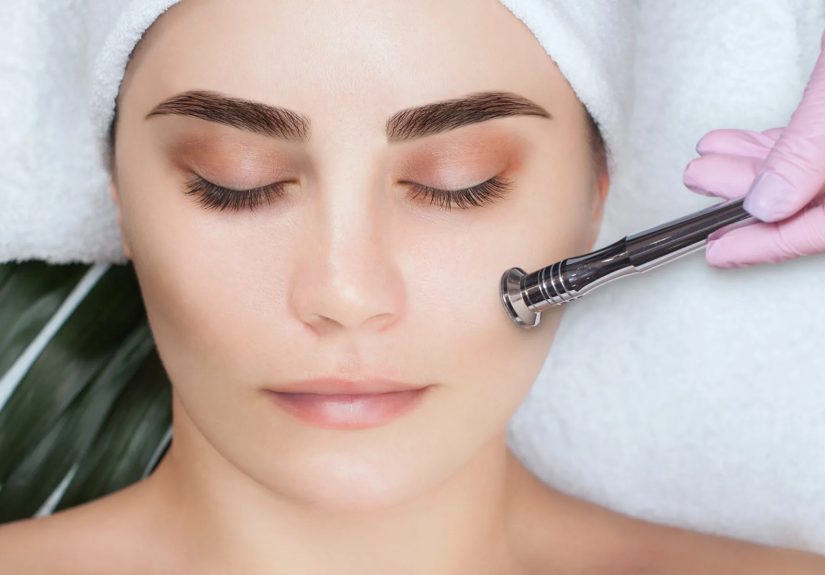
Microdermabrasion exfoliates the outermost layer of dead skin cells using either a crystal-based system or a diamond-tip wand
paired with suction. It’s designed to improve surface-level issues like dullness, mild uneven texture, and the look of
enlarged pores or blackheads.
Many people describe it as a light scratching, suctioning, or “sandy” sensation. Not usually painfulmore like your skin is
getting a firm pep talk.
What Dermabrasion and Microdermabrasion Can Treat (And What They Can’t)
Acne: Active Breakouts vs. Post-Acne Marks
If you’re dealing with active, inflamed acne, neither procedure is automatically the first choice.
Scrubbing irritated skin can backfire (hello, redness and flare-ups). Some providers may use microdermabrasion cautiously
for certain comedonal (clogged pore) situations, but it’s not a one-size-fits-all acne solution.
Where these procedures can shine is the “after party” acne leaves behind: discoloration, uneven tone, and texture changes.
Microdermabrasion may help brighten and smooth very superficial roughness and improve how skin reflects lightso marks look less obvious.
Acne Scars: The Big Asterisk
Acne scars aren’t all the same. Some are discoloration (red or brown marks), while others are true textural scars (indentations).
Here’s the honest breakdown:
-
Dermabrasion can help make certain scars less noticeableespecially more superficial, broad-based textural changes.
It may be used for more severe scarring, but results vary by scar type and skin type. -
Microdermabrasion is usually too superficial for true depressed acne scars.
It may improve tone and overall smoothness, and it can be used as a supportive “finishing” step alongside other scar treatments.
If you have deeper scars (like ice-pick or sharply edged boxcar scars), a dermatologist may steer you toward treatments that reach
deeper layerslike laser resurfacing, microneedling, subcision, fillers, or a combination plan. (Skin is complicated. If it were simple,
we’d all be done in one appointment.)
Wrinkles and Fine Lines
For fine lines, both treatments may helpmicrodermabrasion by smoothing the skin’s surface and improving radiance,
dermabrasion by more significantly resurfacing areas where lines are etched in. Dermabrasion is more likely to help with
certain facial wrinkles because it can reach deeper.
Sun Damage, Age Spots, and Uneven Tone
Microdermabrasion can help with dullness and uneven tone from mild sun damage. Dermabrasion can be used for more pronounced damage
and texture changes, but it also comes with higher risk for pigmentation changesespecially if sun protection isn’t taken seriously.
Quick PSA: post-procedure sun exposure is like putting ketchup on a white shirt and hoping it’s “fine.” It is not fine.
Sunscreen and shade are non-negotiable.
Enlarged Pores and Texture
Microdermabrasion can make pores look smaller by cleaning out surface debris and smoothing the top layer. Dermabrasion can temporarily
make pores look larger while swelling resolves, and then often improve overall texture once healing is complete.
Who’s a Good Candidate (And Who Should Absolutely Pause)
Microdermabrasion: Usually Low Risk, Still Not for Everyone
Microdermabrasion is considered gentle, but you should talk with a dermatologist first if you:
have changing moles or suspicious lesions, have frequent cold sores, scar easily, have eczema/psoriasis flares,
or have recently taken isotretinoin for severe acne.
Dermabrasion: More Results, More Rules
Dermabrasion tends to work best for people with lighter skin tones and specific scar/wrinkle patterns, but the bigger issue is safety.
You may not be a good candidate if you:
- Have active acne or frequent severe breakouts
- Have frequent cold sores or an active skin infection
- Have a history of keloids or thick, raised scars
- Have certain medical conditions that affect healing
- Have taken isotretinoin within the past 6–12 months (your clinician will advise based on your case)
- Have significant burn scars or radiation-damaged skin in the area
A good consult should feel like a collaboration, not a sales pitch. If someone guarantees perfection, run. (Politely. With sunscreen.)
What to Expect During the Appointment
Microdermabrasion: Quick, Gentle, and Usually No Numbing
A typical session includes cleansing, treatment with a handheld device, and moisturizer afterward. Many in-office treatments take
around 30–40 minutes for the face. There’s usually no recovery period, but you might look pink for a day or two.
Most people need a series of treatments to see meaningful resultsoften several sessions spaced weekly, every two weeks,
or monthly depending on goals and skin tolerance.
Dermabrasion: A Procedure With Real Downtime
Dermabrasion starts with a medical evaluation. Your provider may advise you to stop certain medications, avoid smoking around the procedure,
and sometimes take preventive antiviral medication if you’re prone to cold sores.
During the procedure, the area is numbed and the top layers of skin are carefully resurfaced. Afterward, the treated skin is covered with
a moist, nonstick bandage and you’ll get detailed aftercare instructions. Expect redness, swelling, and a “freshly resurfaced” look that
can last weeks.
Recovery and Aftercare: Where Results Are Won (Or Lost)
After Microdermabrasion
Most people have minimal downtime. Common short-term effects include pinkness, mild swelling, dryness, or increased sun sensitivity.
Your best move: gentle cleanser, moisturizer, and diligent sunscreen. Avoid harsh acids and strong retinoids for a short window
if your skin feels sensitive.
After Dermabrasion
Dermabrasion recovery is more involved. You’ll likely be instructed to cleanse the skin several times a day, keep it moist with ointment,
change dressings as directed, avoid sun exposure, and attend follow-up visits.
Many people can return to work in about two weeks, but redness and sensitivity can linger. Your skin color may take
months to fully normalize. You’ll also be advised to avoid chlorinated pools for a period and skip activities that could
irritate the treated area while healing.
Side Effects and Risks (The Part Everyone Scrolls Past and Shouldn’t)
Microdermabrasion Risks
Side effects are typically mild: temporary redness, slight swelling, dryness/flaking, bruising in some cases, and sun sensitivity.
If you’re prone to hyperpigmentation (dark spots after inflammation), professional oversight matters.
Dermabrasion Risks
Dermabrasion has higher stakes. Possible side effects include swelling and discoloration, milia (tiny white bumps), enlarged pores,
infection, cold sore flare-ups, and scarringespecially if too much skin is removed or aftercare is ignored.
Pigment changes can be more common (and sometimes longer-lasting) in people with darker skin tones.
The biggest risk multiplier? Sun exposure during healing. If you do dermabrasion and then “forget sunscreen,” your skin may remember forever.
(Dramatic? Yes. Untrue? No.)
Results: Realistic Expectations Beat Magical Thinking
Microdermabrasion tends to deliver a refreshed, smoother lookoften described as “brighter” and “more even.” Results are usually temporary
and maintenance sessions may be needed.
Dermabrasion can provide more noticeable improvement for certain scars and wrinkles, but it’s not a face reset button.
Many experts consider around 50% improvement a solid outcome for dermabrasion in appropriate cases.
The goal is “less noticeable,” not “erased from history.”
Choosing a Provider: The Most Important Step No One Wants to Do
For microdermabrasion, you’ll see it offered everywhere from med spas to dermatology offices. For dermabrasion,
prioritize a board-certified dermatologist or plastic surgeon with specific resurfacing experience.
Questions worth asking
- How many of these procedures do you perform each month?
- What results are realistic for my scar type and skin tone?
- What’s my risk of hyperpigmentation or scarring?
- What is the aftercare plan, and what happens if complications show up?
- Do you recommend antiviral prevention if I’ve had cold sores before?
Bonus tip: if someone pushes an aggressive treatment without discussing your skin tone, scar type, or medical history,
that’s not confidencethat’s negligence wearing a lab coat.
How These Treatments Fit Into Bigger Plans (Combination Wins)
Skin concerns often respond best to a layered approach. A dermatologist might combine or sequence treatments like:
- Topical retinoids (when appropriate) to improve texture and fine lines over time
- Chemical peels for tone, pigment, and mild texture
- Microneedling for collagen stimulation and certain acne scars
- Laser resurfacing for deeper texture and pigment issues
- Subcision or fillers for tethered or depressed acne scars
Microdermabrasion can be a supportive “polishing” tool, while dermabrasion is more of a “major resurfacing” step for carefully selected cases.
Your best outcome usually comes from the right matchnot the most intense procedure.
Frequently Asked Questions
Does microdermabrasion help acne scars?
It can help with overall smoothness and the appearance of uneven tone, and it may make very mild marks look less noticeable.
But true depressed acne scars often need deeper treatments. If your scars have texture you can feel, ask a dermatologist about options
designed for deeper remodeling.
Does dermabrasion work for acne scars?
Dermabrasion can improve the appearance of certain acne scarsespecially more superficial patternsbut results vary, and it comes with downtime and risks.
A scar assessment is essential because different scar types respond to different procedures.
How many sessions will I need?
Microdermabrasion often requires multiple sessions (commonly a series). Dermabrasion may be done once, with improvement continuing as healing progresses
though some people may pursue additional treatments later depending on goals.
What’s the cost?
Costs vary widely by location, provider, and treatment area. Microdermabrasion is often priced per session and may be bundled into packages.
Dermabrasion tends to be more expensive because it’s a medical procedure and may involve anesthesia and facility fees.
If insurance covers anything at all, it’s usually only when there’s a medical indicationnot purely cosmetic goals.
Real-World Experiences (Composite Stories, Realistic Lessons)
Below are composite experiencesmeaning they’re built from common patient patterns and clinician feedback rather than any single person’s story.
Why? Because skin outcomes vary wildly, and nobody needs the internet arguing about whose face healed “the correct way.”
Still, these examples can help you picture what the journey can feel like.
Experience #1: “I tried microdermabrasion for post-acne marks and glow”
Taylor, 29, wasn’t dealing with deep scarsmore like the lingering red/brown marks that acne leaves behind and a rough “sandpapery” texture
from old breakouts. After a consult, Taylor chose microdermabrasion because there was basically no downtime. The first session delivered a quick,
satisfying “my face looks brighter” effectlike someone quietly replaced the overhead office lighting with softer bulbs. But the bigger change
was after a few sessions: makeup went on more evenly, and the overall tone looked less patchy.
The lesson Taylor learned the hard way: skipping sunscreen after a treatment is a terrible idea. Even one “oops” sunny afternoon increased sensitivity
and made the skin feel irritated for a couple of days. Once Taylor committed to daily sunscreen and a gentle routine, sessions were smootherand results lasted longer.
Another surprise: active breakouts didn’t always love being exfoliated. If Taylor came in with a flare, the skin felt crankier afterward. Timing mattered.
Experience #2: “Dermabrasion helped my scars, but the downtime was real”
Marcus, 41, had noticeable acne scarring on the cheekstextural, not just discolorationand wanted something more powerful than a standard facial.
After a detailed consult (including a candid talk about realistic improvement and pigment risks), Marcus opted for dermabrasion with a specialist.
The procedure itself wasn’t the scary part; healing was the main event.
The first week felt like a full-time job: careful cleansing, ointment, avoiding the sun like it was a personal enemy, and resisting the urge to “check progress”
every ten minutes. By week two, Marcus could return to normal routines, but redness lingered and required patience (and occasionally, strategic video-call lighting).
Over the next couple of months, the payoff became clearersome scars looked softened and less obvious in side lighting, and overall texture looked more even.
The big takeaway: dermabrasion isn’t instant gratification. It’s “let your skin rebuild itself” gratification.
Experience #3: “I wanted wrinkle help, but I didn’t want drama”
Denise, 52, cared most about fine lines and dullnessnot deep wrinkles. Denise chose microdermabrasion because it fit a low-drama lifestyle:
lunch break appointment, mild redness, back to life. The results were subtle but consistent: smoother texture, slightly softened fine lines, and
a more even finish. Denise paired it with a dermatologist-approved home routine (think gentle retinoid, moisturizer, sunscreen) and treated microdermabrasion
as maintenancenot a miracle. That mindset made the results feel like a win rather than a letdown.
The shared theme across most experiences: the procedure matters, but aftercare and expectations matter more.
If you want to maximize results, plan your timing, avoid sun exposure, be honest about your medications and skin history, and pick a provider who
treats your skin like a medical organnot a canvas for trendy sales.
Conclusion
Dermabrasion and microdermabrasion can both improve the look of skinbut they’re built for different jobs.
Microdermabrasion is a gentle, low-downtime option for brightness, mild texture, and tone. Dermabrasion is more intensive, with more downtime and more risk,
but it can offer stronger improvement for certain scars and wrinkles when performed by an experienced clinician on the right candidate.
If you take one thing from this: don’t choose based on hype. Choose based on your scar type, skin tone, medical history, and willingness to commit to aftercare.
Your future skin will thank you. (It might not write a thank-you note, but it will glow with quiet appreciation.)







 Close
Close