
Table of Contents >> Show >> Hide
- Why a Resin Tray with Pressed Flowers Is the Perfect Custom Decor
- What You’ll Need for a DIY Resin Tray with Pressed Flowers
- Choosing the Right Resin: Epoxy vs. UV Resin
- Step-by-Step: How to Decorate a DIY Resin Tray with Pressed Flowers
- Safety Tips When Working with Resin
- Styling and Using Your Pressed Flower Resin Tray
- Fun Variations to Try Next
- Real-Life Experiences & Lessons from DIY Resin Flower Trays
- 1. The Flower Darkening Surprise
- 2. Floating Flowers and “Why Are You Moving?” Moments
- 3. Bubble Drama (and How to Calm It Down)
- 4. The “Too Much Stuff” Problem
- 5. Choosing the Right Tray Makes Life Easier
- 6. Patience Pays Off (Even If You’re Not Naturally Patient)
- 7. The Joy of Using Something You Made
If you’ve ever looked at a boring tray and thought, “You could be so much prettier,” this project is for you. A DIY resin tray with pressed flowers looks like something you’d find in a fancy boutique, but it’s totally doable at home with a little patience, some safety gear, and a healthy respect for sticky liquids. Whether you’re inspired by tutorials on Hometalk or scrolling through Pinterest at 2 a.m., this is a gorgeous way to turn everyday blooms into custom home decor.
In this guide, we’ll walk through everything: choosing and pressing your flowers, picking the right resin, laying out your design, avoiding those sneaky bubbles, and finishing the tray so it’s as functional as it is pretty. We’ll also share real-life tips and “oops” moments at the end, so you can learn from other people’s mistakes instead of your own. (You’re welcome.)
Why a Resin Tray with Pressed Flowers Is the Perfect Custom Decor
Resin trays are basically the overachievers of home decor. They’re pretty enough to display, tough enough to use, and customizable enough to fit your style. Add pressed flowers and suddenly you’ve got a piece that feels like a little window into your gardenminus the pollen and bugs.
- Fully customizable: Choose flowers from your yard, a special bouquet, or even seasonal greenery.
- Practical and decorative: Use it to serve drinks, hold candles, corral remotes, or style your coffee table.
- Sentimental value: Preserve wedding flowers, baby shower blooms, or anniversary bouquets in a tray you’ll see every day.
- Beginner-friendly: Compared to big furniture pours, a tray is a manageable starter project if you’re new to resin.
Think of this project as part artwork, part keepsakeand a great excuse to justify that bouquet you “accidentally” bought at the grocery store.
What You’ll Need for a DIY Resin Tray with Pressed Flowers
You don’t need a full-blown art studio to make a beautiful resin tray, but you do need the right tools and safety gear. Here’s a practical list to get you started:
Core Materials
- Tray base: A wood, metal, or acrylic tray with raised sides. Look for something sturdy and level. Thrifted trays or simple wood trays from the craft store work great.
- Two-part epoxy resin: Choose a clear, food-safe (or at least “food contact safe”) tabletop or art resin that self-levels.
- Pressed flowers and leaves: Completely dry and pressed so they don’t discolor or mold inside the resin.
- Sealant: Clear-drying spray sealer (like an acrylic spray) or a thin brush-on sealer to pre-coat your flowers and tray surface.
Tools and Accessories
- Disposable measuring cups with clear markings
- Stir sticks (wooden or silicone)
- Gloves (nitrile is best)
- Protective mask or respirator suitable for organic vapors (strongly recommended)
- Plastic drop cloth or silicone mat to protect your work surface
- Level (a small bubble level is perfect)
- Toothpick, heat gun, or small torch for popping bubbles
- Optional: glitter, metallic flakes, mica powder, or a touch of alcohol ink for tinting the resin
Flower-Pressing Options
If you don’t already have pressed flowers on hand, you can:
- Press them between heavy books with absorbent paper (classic method).
- Use a microwave flower press or DIY microwave setup for faster results.
- Dry them in silica gel for more 3D blooms, then gently flatten if desired.
Whichever method you choose, the goal is the same: flowers that are completely dry, papery, and coolno moisture, no warmth, no squish.
Choosing the Right Resin: Epoxy vs. UV Resin
For a tray, epoxy resin is usually the best choice. It’s designed for deeper pours and larger surfaces, and it cures into a durable, glassy finish that can handle everyday use. UV resin cures faster under a UV lamp, but it’s better suited for small jewelry pieces, thin layers, or tiny embellishments rather than a full serving tray.
- Epoxy resin: Great clarity, self-leveling, durable, suitable for deeper pours. Takes longer to cure (often 24–72 hours).
- UV resin: Cures in minutes under UV light, ideal for small or thin projects, but more brittle and not ideal for thick tray pours.
If your plan is a practical resin tray with pressed flowers that can actually be used (not just stared at lovingly), choose a high-quality epoxy designed for tabletops or art projects.
Step-by-Step: How to Decorate a DIY Resin Tray with Pressed Flowers
Step 1: Prep Your Workspace and Tray
Resin is beautiful, but it’s also clingy. Once it lands on your table, it’s staying for the long haul. So:
- Cover your work area with a plastic drop cloth or silicone mat.
- Set your tray on small risers (plastic cups or wood blocks) so resin drips don’t glue it to the table.
- Use a level to make sure the tray sits perfectly flat. If it’s even slightly off, your resin will pool on one side like it’s trying to escape.
Clean the tray surface so it’s free of dust, oils, and mystery crumbs. A quick wipe with a lint-free cloth and a little rubbing alcohol (if compatible with your tray material) usually does the trick.
Step 2: Arrange and Test Your Pressed Flowers
Before any resin comes out of the bottle, plan your design. Lay the pressed flowers in the empty tray and play with different layouts:
- Try clusters in the corners with more open space in the center.
- Create a loose “wreath” around the edges, leaving the middle clear.
- Use complementary colorspinks and whites, blues and yellows, or all greens for a botanical look.
Take a quick photo with your phone once you like the arrangement. This helps you remember where everything goes later, when your brain is busy thinking, “Did I stir this resin for long enough?”
Step 3: Seal the Flowers and Tray
This step seems skippable, but it’s the difference between crisp petals and flowers that slowly turn dark or release air bubbles into your resin. Lightly seal the tray surface and both sides of your pressed flowers using a clear acrylic spray or a thin coat of brush-on sealer.
Let everything dry completely according to the product instructions. You want a smooth, dry, non-tacky surface before you move on.
Step 4: Mix Your Resin (Slowly!)
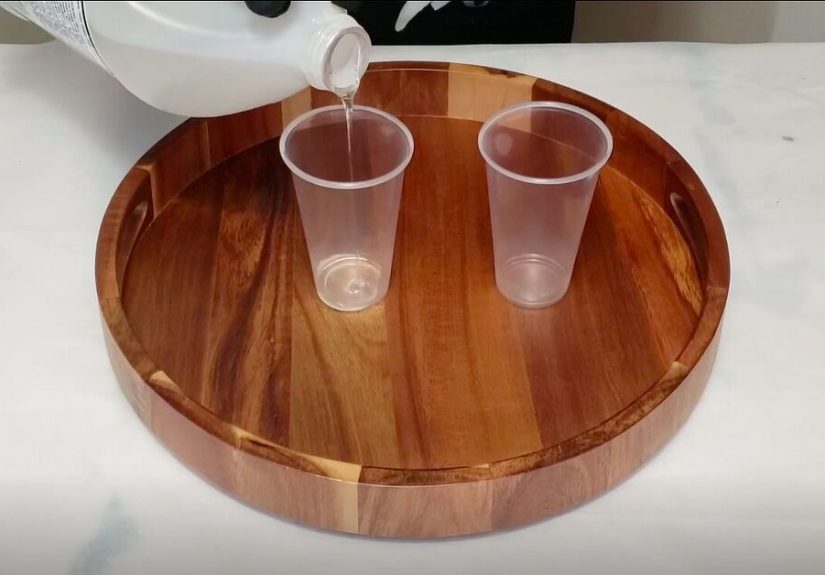
Read your resin instructions. Then read them again. Each brand has its own mixing ratio (commonly 1:1 by volume for art/tabletop resins) and working time.
- Measure equal parts of resin and hardener into a clean mixing cup.
- Stir slowly for the recommended time (often 2–3 minutes), scraping the sides and bottom.
- If desired, add a tiny amount of mica powder, alcohol ink, or fine glitter. Remember: a little goes a long way. You want to see your flowers, not bury them in shimmer fog.
If the resin looks cloudy or streaky, keep mixing until it’s uniformly clear. Rushing this step is a fast track to soft spots and sticky regret.
Step 5: Pour the First Layer and Place the Flowers
For a tray, it’s often best to pour in layers:
- Pour a thin base layer of resin into the tray firstjust enough to cover the surface.
- Use a stir stick to gently guide resin into corners and edges.
- Pop any surface bubbles with a quick pass of a heat gun or by teasing them with a toothpick.
Let this base layer thicken slightly until it’s just tacky (check your resin’s working time). Then carefully place your sealed pressed flowers onto the sticky surface. The tackiness helps them stay put instead of floating off like tiny floral life rafts.
Step 6: Encapsulate with a Second Resin Layer
Once your flowers are arranged:
- Mix a second batch of resin if needed.
- Pour slowly over the flowers, starting from the center and moving outward.
- Avoid pouring from too high, which can create more bubbles.
Check that the resin fully covers the flowers. If some petals peek out a bit, that can be a pretty, slightly textured look. If you want a completely smooth, glassy finish, make sure there’s enough resin to create a level top layer.
Use your heat gun or torch (carefully!) to pop surface bubbles. Keep the tool moving and don’t linger in one spotyou want to release bubbles, not scorch the resin or flowers.
Step 7: Let It Cure (This Is the Hard Part)
Cover the tray with a clean cardboard box or plastic tub to protect it from dust. Then walk away. Really. No poking it “just to see.”
Curing time depends on the brand and room temperature, but many epoxies need at least 24 hours to demold and up to 72 hours to fully cure. Follow your product’s instructions and resist the temptation to test it early with your fingertip. (We’ve all done it. We all regretted it.)
Safety Tips When Working with Resin
Resin is amazing, but it’s also made of chemicals that deserve respect. A few basic safety rules go a long way:
- Wear nitrile gloves to protect your skin.
- Work in a well-ventilated space; open windows and use fans if possible.
- Wear a respirator mask rated for organic vapors if you’re working indoors or for extended periods.
- Keep food and drinks far away from your resin workspace.
- Don’t pour leftover resin down the sinklet it cure in the cup, then dispose of it according to local guidelines.
Once cured, most art resins are considered inert, but always follow the manufacturer’s safety guidelines, especially if you plan to use the tray around food. Many people use resin trays for serving drinks or holding wrapped snacks rather than direct-contact food items.
Styling and Using Your Pressed Flower Resin Tray
After curing, your tray is ready for its close-up. A few styling ideas:
- Coffee table centerpiece: Add a candle, a small plant, and a stack of coasters.
- Bedroom vanity: Use it to corral perfume bottles and jewelry.
- Entryway station: Keep keys, sunglasses, and a small dish for loose change.
- Seasonal decor: Make trays with flowers that match the seasonspring pastels, summer wildflowers, autumn leaves.
To clean, use a soft cloth and mild soap if needed. Avoid harsh cleaners or abrasive scrubbers, which can scratch the surface. Treat it like you would a nice piece of glassgentle but regular cleaning keeps it looking fresh.
Fun Variations to Try Next
Once you get the hang of making a DIY resin tray with pressed flowers, it’s dangerously easy to start planning your next five projects. Try these ideas:
- Add metallic flakes (gold, copper, or silver) scattered among the petals for a luxe look.
- Use a very soft tint of resinlike a pale blush or smoky grayto create a dreamy background behind the flowers.
- Combine pressed greenery (ferns, eucalyptus leaves) with just a few flowers for a more modern, botanical vibe.
- Create a matching set: a tray plus coasters or small trinket dishes using the same flowers.
Each tray becomes a little snapshot of a season, event, or mood. And the more you experiment, the more “designer” your pieces start to look.
Real-Life Experiences & Lessons from DIY Resin Flower Trays
Here’s where we get honest. DIY resin trays with pressed flowers look Pinterest-perfect, but the path to that gorgeous final photo often involves a few bubbles, some panic, and a sticky elbow. Learning from real experiences can save you time, money, and stress.
1. The Flower Darkening Surprise
One of the most common complaints from beginners is: “My flowers turned brown!” Fresh or half-dried petals can react with resin and slowly darken over time. That’s why fully drying and sealing your blooms is non-negotiable. People who tried to shortcut the drying phase often end up with trays that look beautiful on day one and a little sad six months later. Take the extra day (or use a microwave press) to dry properlyit’s worth it.
2. Floating Flowers and “Why Are You Moving?” Moments
Another classic: carefully arranged flowers suddenly drifting out of place once the resin is poured. The fix many makers swear by is using a two-layer pour. They pour a thin base layer, let it get tacky, then place the flowers so they gently “stick” in place before pouring the final layer. If you’ve ever watched your perfect layout float toward one corner like a tiny floral landslide, this trick feels life-changing.
3. Bubble Drama (and How to Calm It Down)
Bubbles love to gather around petals, stems, and edgesbasically, anywhere that will annoy you. People who have made multiple trays almost always mention three bubble-busting habits:
- Mixing slowly to avoid whipping air into the resin in the first place.
- Using a heat gun on low setting and moving quickly across the surface.
- Checking the tray every few minutes during the early curing phase for new bubbles and popping them with a toothpick.
The first tray may have more bubbles than you’d like, but by tray two or three, you’ll start to develop your own rhythm and techniques.
4. The “Too Much Stuff” Problem
It’s so tempting to use every beautiful flower you’ve pressed. But crowded trays can look cluttered and make it harder for resin to flow evenly. Many crafters eventually realize that less is more: a few thoughtfully placed blooms and sprigs of greenery often look more elegant than a wall-to-wall bouquet. Negative space lets each flower shinekind of like white space in good graphic design.
5. Choosing the Right Tray Makes Life Easier
Not all trays are created equal. Makers who reuse thrifted or vintage trays sometimes discover that certain finishes don’t play nicely with resin (peeling, reacting, or not bonding well). Simple, unfinished wood trays or resin-ready blanks from craft stores tend to give more predictable results. If you’re using a thrifted tray, test a small area with sealer and a bit of resin first, or give it a light sanding and sealing before your main pour.
6. Patience Pays Off (Even If You’re Not Naturally Patient)
The biggest shared lesson across resin projects? Patience. It’s tempting to handle the tray early, flip it, or start styling photos before it’s truly cured. But moving the tray too soon can lead to fingerprints, dents, or subtle waves in the surface. Experienced resin artists often plan pours so they cure overnight or while they’re out of the houseout of sight, out of mind, out of temptation.
7. The Joy of Using Something You Made
Despite the learning curve, almost everyone who sticks with resin trays says the same thing: there’s a unique satisfaction in using a piece you designed yourself. Serving drinks on a tray that includes flowers from your own garden, or setting your keys down on petals from a special bouquet, makes everyday moments feel a little more intentional and a lot more beautiful.
And if a tray doesn’t turn out perfectly? It’s still a teacher. You’ll know exactly what to adjust next timemore sealant here, fewer flowers there, slower mixing, or a different resin brand. That’s the beauty of DIY: every project adds to your creative toolbox.
So when you decorate a DIY resin tray with pressed flowers for custom home decor, you’re not just making something pretty to look at. You’re learning new skills, preserving memories, and adding a piece of art to your home that’s uniquely yours. Imperfections and allthat’s kind of the point.
SEO JSON







 Close
Close