
Table of Contents >> Show >> Hide
- What Counts as Dark Chocolate?
- Why People Think Dark Chocolate Helps With Weight Loss
- Why Dark Chocolate Is Not a Weight-Loss Food
- How Dark Chocolate Can Actually Support a Weight-Loss Plan
- The Best Ways to Eat Dark Chocolate Without Derailing Progress
- When Dark Chocolate May Not Be Helpful
- So, Is Dark Chocolate Beneficial for Weight Loss?
- Real-World Experiences: What People Often Notice When They Add Dark Chocolate to a Weight-Loss Routine
- SEO Tags
Dark chocolate has a very polished public image. It is rich, sophisticated, and somehow manages to sound healthier than the average dessert just by being slightly bitter and wearing darker packaging. That has led to a big question: can dark chocolate actually help with weight loss, or is this just another case of a delicious food receiving a wellness promotion it did not apply for?
The honest answer is somewhere in the middle. Dark chocolate is not a magic fat-burning food, and it will not melt body fat while you sit on the couch pretending your third square is “functional nutrition.” But it can be useful in a weight-loss plan when it replaces more sugary desserts, helps control cravings, and is eaten in sensible portions.
In other words, dark chocolate is not the hero of the story. It is more like a very charming supporting character. Used wisely, it may help you stay consistent. Used carelessly, it can quietly turn a calorie deficit into a calorie detour.
What Counts as Dark Chocolate?
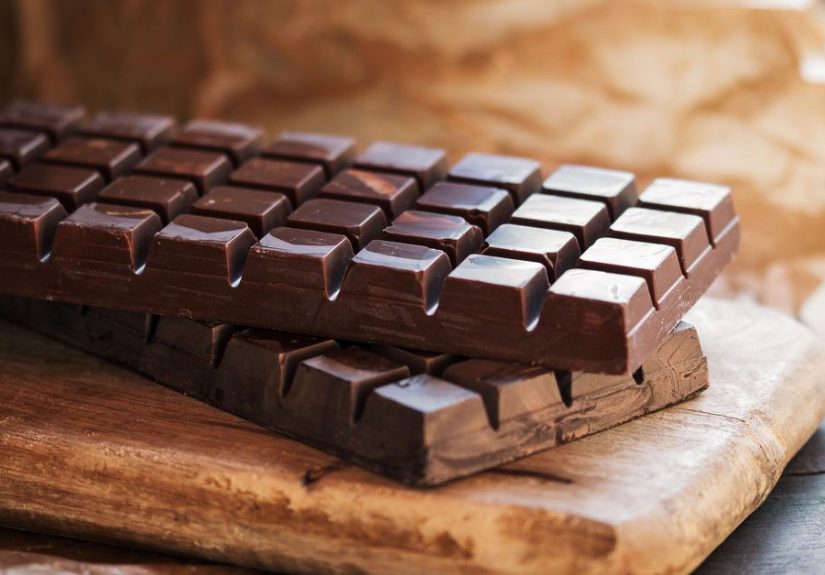
Dark chocolate is made with cocoa solids, cocoa butter, and sugar, but unlike milk chocolate, it contains little to no milk solids. In general, the higher the cocoa percentage, the more intense the flavor and the lower the sugar content tends to be. That is why many nutrition experts recommend choosing dark chocolate with at least 70% cacao if you want the better trade-off between taste and nutritional value.
The cocoa solids are the part that bring flavanols and other plant compounds to the party. These compounds have been studied for potential benefits related to heart health, blood flow, and inflammation. That sounds impressive, and it is. Still, a food can have beneficial compounds and be calorie-dense at the same time. Dark chocolate is a perfect example of that nutritional plot twist.
Why People Think Dark Chocolate Helps With Weight Loss
It can feel more satisfying than sweeter desserts
One reason dark chocolate gets attention in weight-loss conversations is satiety. Because it is richer, more intense, and less candy-like than milk chocolate, some people find that a small amount is enough to satisfy a craving. You are less likely to inhale it like popcorn at the movies. At least, that is the theory when portion sizes remain reasonable.
There is also some research suggesting dark chocolate may reduce the desire to keep eating compared with milk chocolate. That does not mean it has mystical appetite-control powers. It means that a strong, slightly bitter flavor can be more self-limiting than a sweet, creamy bar that practically begs for a sequel.
It may help prevent the “I’m on a diet, now I need cookies” cycle
Extreme restriction often backfires. When people label all treats as forbidden, they may end up obsessing over them, then overeating later. A planned portion of dark chocolate can make a weight-loss approach feel more realistic and less punishing. That matters because consistency beats perfection every time.
If two squares of dark chocolate after dinner help you ignore the siren song of leftover cake, that is not failure. That is strategy. Nutrition does not always need to be dramatic to be effective.
Dark chocolate has a better nutrition profile than many desserts
Compared with milk chocolate and ultra-processed sweets, dark chocolate often contains less sugar and more cocoa solids. It may also provide small amounts of minerals such as iron, magnesium, and copper. That does not turn it into kale wearing a tuxedo, but it does make it a more thoughtful choice than many sugary snacks.
Why Dark Chocolate Is Not a Weight-Loss Food
It is still high in calories
This is the part many people conveniently whisper. Dark chocolate is energy-dense. A one-ounce serving can contain roughly 150 to 170 calories, and a large bar can climb fast into several hundred calories. If you eat it casually, absentmindedly, or directly from the package while answering emails you do not respect, it becomes very easy to overshoot your calorie goals.
Weight loss still depends largely on overall energy balance. If dark chocolate fits into a calorie deficit, fine. If it pushes you out of one, it is not helping, no matter how many antioxidants are standing nearby looking supportive.
The overall evidence on body weight is mixed
Here is where the hype cools off. Research on cocoa and dark chocolate is much more convincing for certain cardiometabolic markers than for actual weight loss. Some trials and subgroup findings suggest possible modest improvements under specific conditions, but overall reviews have not shown a strong, consistent effect on body weight, body mass index, or waist circumference.
Translation: dark chocolate may be a reasonable dessert choice, but it is not a reliable fat-loss tool by itself. You do not lose weight because chocolate is dark. You lose weight because your habits, portions, food quality, and overall calorie intake line up over time.
Health halos can lead to overeating
One of the sneakiest problems with dark chocolate is its reputation. Because it sounds healthier, people may eat more of it than they would eat of other sweets. That is the nutrition version of buying a giant smoothie because it has spinach in it, then forgetting it also has enough calories to qualify as a side hustle.
Dark chocolate can absolutely be overconsumed. “Healthy-ish” is not the same thing as unlimited.
How Dark Chocolate Can Actually Support a Weight-Loss Plan
1. Use it as a planned treat, not a random habit
Dark chocolate works best when it is intentional. A measured serving after lunch or dinner is very different from nibbling from a bar every time you pass through the kitchen. Planned eating reduces mindless calories and makes indulgence feel satisfying instead of chaotic.
2. Choose higher cacao percentages
Aim for 70% cacao or higher if you enjoy the taste. Higher-cacao chocolate generally brings more cocoa solids and less sugar than milk chocolate. It may also feel richer, which can make smaller portions more satisfying. If 85% tastes like a breakup, start lower and work your way up.
3. Keep the serving small
A practical serving is often around one ounce, which is usually one to three small squares depending on the brand. That amount can fit into many eating patterns without causing major calorie chaos. Once the serving turns into half a bar “because it was a long day,” the math changes quickly.
4. Pair it with nutrient-dense foods
Dark chocolate tends to work better in combination with foods that add volume, protein, or fiber. A few examples include:
- Two squares with fresh berries
- A small amount chopped over plain Greek yogurt
- A square or two with almonds or walnuts
- Unsweetened cocoa powder stirred into oatmeal or a smoothie
These combinations can make dessert more filling and reduce the urge to keep hunting for something else after you finish.
5. Let it replace, not simply add
This is the golden rule. Dark chocolate helps most when it replaces a larger dessert or a more sugary snack. If you add it on top of your usual treats because you heard it is “good for weight loss,” you have not discovered a hack. You have discovered extra calories.
The Best Ways to Eat Dark Chocolate Without Derailing Progress
If your goal is weight loss, the smartest approach is not to treat dark chocolate like medicine. Treat it like dessert with better manners.
After meals is often better than between meals
Many people find that dark chocolate is easiest to manage after a balanced meal. When you are already satisfied, a small portion feels complete. When you eat it on an empty stomach in the middle of a stressful afternoon, it can turn into a warm-up act for more snacking.
Use unsweetened cocoa powder when possible
If you love the flavor of chocolate but want more flexibility, unsweetened cocoa powder is a clever option. It delivers cocoa flavor and flavanols with far fewer calories than a chocolate bar. Stir it into oatmeal, yogurt, chia pudding, smoothies, or homemade energy bites. It is basically dark chocolate’s practical cousin.
Read the label like a suspicious adult
Not all dark chocolate is equal. Some bars are loaded with added sugar, caramel, toffee bits, cookie pieces, or enough extras to resemble dessert cosplay. Look at serving size, calories, sugar, and ingredient list. “Dark” on the front of the package does not automatically mean “light” in your diet.
When Dark Chocolate May Not Be Helpful
Dark chocolate is not the best fit for everyone. If you deal with acid reflux or heartburn, chocolate can be a trigger. Some people also notice that it worsens nighttime symptoms, especially when eaten late. In that case, forcing yourself to keep eating it because the internet called it healthy is not noble. It is annoying and uncomfortable.
People who are sensitive to caffeine may also notice that dark chocolate affects sleep or makes them feel jittery if eaten in large amounts. And if chocolate is one of your personal binge-trigger foods, portion control may be harder in practice than it sounds in theory. Self-awareness beats nutrition trends every time.
So, Is Dark Chocolate Beneficial for Weight Loss?
Yes, but with a very important footnote the size of a brownie pan.
Dark chocolate can be beneficial for weight loss indirectly. It may help satisfy cravings, feel more filling than sweeter treats, and make an eating plan easier to stick with. It may also offer some health perks thanks to cocoa flavanols, especially when you choose higher-cacao options and keep portions small.
But dark chocolate does not cause weight loss on its own. It is still calorie-dense, and the overall research does not support the idea that simply eating more of it leads to meaningful fat loss. The real benefit is behavioral: it can be a smart, enjoyable dessert that helps you stay consistent without feeling deprived.
So if you like dark chocolate, enjoy it. Just do not expect it to perform miracles while wrapped in foil. Its best trick is making a healthy routine feel human.
Real-World Experiences: What People Often Notice When They Add Dark Chocolate to a Weight-Loss Routine
In real life, people tend to have one of several very recognizable experiences with dark chocolate. The first is the “wow, this is richer than I expected” reaction. Someone switches from milk chocolate to a bar with 70% or 85% cacao and quickly realizes that two small squares feel very different from eating half a bag of candy. The deeper flavor slows them down. They eat less, feel satisfied sooner, and stop treating dessert like a speed event. For many people, this is where dark chocolate shines. It creates a natural pause.
The second common experience is that dark chocolate helps reduce the all-or-nothing diet mindset. Instead of trying to “be good” all week and then face-planting into a giant dessert on Friday night, people build in a small, enjoyable treat each day or a few times a week. That often feels more sustainable. A modest portion of dark chocolate after dinner can turn a restrictive plan into one that actually resembles normal life, which is useful if the goal is not just losing weight, but keeping it off without becoming emotionally dramatic around dessert.
Then there is the less glamorous experience: the healthy halo problem. Many people buy dark chocolate because it sounds smarter, then accidentally eat far more than they intended. One square becomes three, then five, and suddenly the “small healthy treat” has quietly become a several-hundred-calorie event. This is especially common when the chocolate is eaten straight from the bar while working, driving, watching television, or stress-scrolling. People often assume dark chocolate will regulate itself because it is intense, but packaging and habit still matter. Pre-portioning works much better than trust-falling into an open wrapper.
Another pattern people report is that timing matters. When dark chocolate is eaten after a balanced meal, it often feels satisfying and complete. When it is used as a rescue snack during a long afternoon of hunger, it may not be enough on its own, and the person keeps snacking afterward. Pairing it with berries, yogurt, or nuts tends to work better because the combination adds fiber, protein, or healthy fat, which makes the whole experience more filling.
Some people also find that their taste changes over time. At first, darker chocolate may seem bitter or too intense. But after a few weeks of eating less sugar overall, many start to enjoy that stronger cocoa flavor and find ultra-sweet desserts less appealing. That shift can be surprisingly helpful. Weight loss often becomes easier when your palate stops expecting every treat to taste like a sugar parade.
And finally, there is the mindset experience. People who stop treating chocolate like a guilty secret often do better with moderation. When dark chocolate becomes a planned choice instead of a forbidden indulgence, it loses some of its power to trigger overeating. That may be the most useful lesson of all. In practice, dark chocolate tends to help not because it is magical, but because it can support calmer, more deliberate eating. And honestly, calmer eating is underrated.





 Close
Close