
Table of Contents >> Show >> Hide
- The quick timeline (because this wasn’t one single bad week)
- What Joann’s bankruptcy actually means (and what it doesn’t)
- Why Joann filed: the real-world causes behind the court documents
- What customers needed to know during the bankruptcy period
- The ripple effects: employees, suppliers, and craft communities
- Where people shopped next (and how to adapt without losing your mind)
- What Joann’s bankruptcy teaches about modern retail
- Experiences from the Joann era (and the closing-season scramble)
- Conclusion: what remains after the aisles are gone
If you’ve ever walked into a Joann for “just one spool of thread” and walked out with three yards of fabric, a hot-glue gun,
and a fall wreath you didn’t know you wantedthis story probably hits close to home.
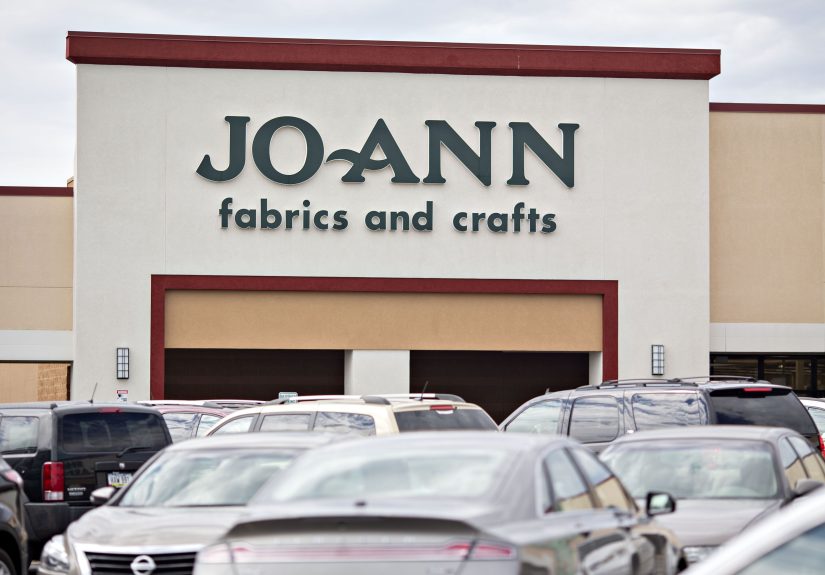
Joann (stylized as JOANN), the Hudson, Ohio-based crafts and fabric retailer that has been a go-to for sewing,
quilting, yarn projects, classroom crafts, and “I’m totally starting a new hobby today” energy, filed for bankruptcy protection
in the U.S.and not just once. The company’s Chapter 11 journey became a cautionary tale about how modern retail can unravel when
inventory, debt, and consumer demand stop playing nice.
The quick timeline (because this wasn’t one single bad week)
- March 18, 2024: Joann files for Chapter 11 with a prearranged restructuring plan.
- April 30, 2024: The company exits bankruptcy with a large debt reduction and keeps stores open.
- January 15, 2025: Joann files for Chapter 11 again, citing severe inventory issues and ongoing financial strain.
- February 2025: Store-closure plans accelerate and the company moves toward an orderly wind-down and liquidation sales.
That timeline matters because it shows something important: the first bankruptcy wasn’t “the end.” It was the start of a race
to stabilize the businessone that Joann ultimately couldn’t finish.
What Joann’s bankruptcy actually means (and what it doesn’t)
In the U.S., Chapter 11 bankruptcy is typically a legal process that lets a company reorganizemeaning it can keep operating while
renegotiating debts, leases, and contracts under court supervision. Customers often hear “bankruptcy” and picture a sudden
locked door and a lonely “Everything Must Go” sign flapping in the wind. Chapter 11 is usually more like a renovation with the lights on:
messy, expensive, and occasionally involving a lot of paperwork taped to the wall.
For Joann, the first filing in 2024 was designed to be fast and structured. Stores continued operating, employees stayed on payroll,
and the goal was to reduce debt so the company could invest in stronger operations. But the second Chapter 11 filing in early 2025
signaled that the underlying problems weren’t fully fixedespecially the ability to keep shelves stocked with the basics that make Joann,
well, Joann.
Why Joann filed: the real-world causes behind the court documents
1) Post-pandemic demand whiplash
Joann benefited from the pandemic-era crafting boom. When people were stuck at home, sewing machines started humming, yarn disappeared
like it was a limited-edition sneaker drop, and DIY projects became a form of therapy (and a way to justify buying more storage bins).
But as life reopened, spending shifted. Consumers pulled back, and discretionary categorieslike craftsfelt the squeeze.
Retailers in hobby-driven categories are especially vulnerable to “trend timing.” A surge can mask deeper issues for a while,
but it doesn’t automatically solve long-term challenges like high lease costs, competition, and the need for consistent inventory.
2) Inventory problems: the business can’t run if the shelves can’t
Joann’s second bankruptcy filing repeatedly pointed to a harsh operational reality: inventory shortages.
If customers show up for fabric, thread, needles, patterns, batting, or yarnand the aisle looks like a set from a post-apocalyptic
crafting moviethose customers don’t “wait patiently.” They improvise, switch stores, or move online.
In crafts retail, “in-stock” is not a nice-to-have. It’s the entire point. Joann built its reputation on being a one-stop shop.
When core items became unpredictable, the brand promise weakened fastbecause a half-finished project is the enemy of customer loyalty.
3) Debt, rent, and the math problem no coupon can fix
The numbers behind Joann’s filings paint a classic retail stress pattern: meaningful sales, but heavy fixed costs and big obligations.
Even after the first restructuring reduced a large chunk of debt, Joann still carried substantial liabilities during the second filing.
Add the reality of rent for hundreds of large-format stores, distribution costs, and supplier payments, and the margin for error shrinks.
Another retail truth: you can’t clearance-sale your way into a stable future if the business model is still underwater.
Discounting moves product, but it can also drain profitabilityespecially if you’re already battling higher freight costs,
inflation pressures, and financing expenses.
4) Competition isn’t only “another craft store” anymore
Joann wasn’t just competing with other big craft chains. It was competing with:
- Online marketplaces where shoppers can price-compare instantly
- Fast-shipping platforms that make “I need it tomorrow” feel normal
- Specialty online fabric sellers with deep niche selection
- Local quilt shops and yarn stores that win on expertise and community
And in crafts, shoppers often blend all of the above. They might buy batting in-store, order fabric online, grab yarn at a different chain,
and still stop by a local shop for advice. The market is fragmentedand that makes it harder for a big-box retailer to rely on habit alone.
What customers needed to know during the bankruptcy period
Bankruptcy headlines trigger very practical questions. When Joann entered and re-entered Chapter 11, shoppers typically wanted to know:
“Is my store still open?” “Will my gift card work?” “What about returns?” and “Should I stock up on my weirdly specific shade of embroidery floss?”
Stores and online ordering
During Chapter 11, companies often keep operating. Joann’s filings and public updates indicated continued operations during the process,
and later announcements described going-out-of-business sales and an orderly wind-down (with timing varying by location).
Gift cards, returns, and promos
Policies can change quickly during bankruptcy and liquidation, sometimes with hard deadlines. In Joann’s case, major reporting at the time
noted a specific cutoff date for honoring gift cards. Returns were also reported as restricted during the wind-down period.
The big takeaway: when a retailer enters liquidation mode, use gift cards sooner rather than later, and always check current
store policy before making a large purchase you might need to return.
The ripple effects: employees, suppliers, and craft communities
A chain like Joann isn’t just a place to buy fabricit’s infrastructure for making things. When the company struggled, the impact hit multiple groups:
Employees
Thousands of employees across the country depended on those stores for jobs, benefits, and predictable hours. Bankruptcy can protect
a business while it reorganizes, but it also creates uncertaintyespecially when a second filing shifts the conversation from “restructure”
to “sell or liquidate.”
Suppliers and small makers
Joann relied on vendors for everything from seasonal decor to the non-glamorous essentials (zippers, elastic, interfacingaka the stuff
that actually finishes a project). When payments get delayed or inventory becomes inconsistent, suppliers face their own risk.
Meanwhile, small businesses that buy materials in bulk or rely on local access can get squeezed by higher prices and fewer convenient options.
Schools, clubs, and communities
Teachers, theater departments, quilting circles, and youth programs often used Joann as the practical “run to the store” solution.
For many communitiesespecially where specialty shops aren’t nearbyJoann served as a hub for creative work that is social, educational,
and therapeutic.
Where people shopped next (and how to adapt without losing your mind)
If you’re a crafter, you probably already know the answer: people didn’t find one replacement. They built a patchwork.
Here are common paths shoppers took after Joann’s bankruptcy news and closures:
Other big-box craft retailers
Chains like Michaels and Hobby Lobby became the quickest substitution for general craft supplies. But fabric selection, apparel sewing notions,
and certain specialty categories often required extra searching or online supplementation.
Independent quilt shops and yarn stores
Local specialty stores can be pricier than big-box retail, but they often deliver what Joann fans loved most: knowledgeable staff,
curated selection, and community classes. For many makers, the tradeoff felt worth itespecially for high-quality fabric, yarn,
and project guidance.
Online fabric and craft suppliers
Online shopping works best when you plan ahead. Tips that crafters commonly use:
- Order swatches when color matching matters (screens liepolitely, but consistently).
- Buy basics in bulk (neutral thread, needles, rotary blades) to reduce shipping costs.
- Keep a “project pantry” so you’re not stuck mid-make.
- Compare return policies before you click “checkout” on anything expensive.
What Joann’s bankruptcy teaches about modern retail
Joann’s story is bigger than one chain. It’s a case study in how retail pressure stacks up:
-
Debt relief helps, but operations matter more. Reducing debt can buy time, but inventory reliability and customer experience
decide whether you keep revenue. - Big footprints demand consistency. Hundreds of stores mean rent, staffing, and logistics are always runningwhether sales are up or down.
-
Crafting is emotional commerce. People don’t just buy supplies; they buy identity (“I’m a quilter now”), comfort (“this calms me”),
and belonging (“this is my community class”). Retailers that support those experiences can build real loyaltyif they can stay stocked. -
Omnichannel isn’t optional. Shoppers expect to browse online, check store availability, use promotions, and pick up quickly.
If any of those pieces break, customers drift.
Experiences from the Joann era (and the closing-season scramble)
You can understand bankruptcy in spreadsheets and court filings, but Joann’s impact shows up best in everyday momentsthe kind that happen
in aisle seven next to the cutting counter.
For many shoppers, Joann wasn’t a store; it was a ritual. You’d walk in with a plan (one zipper) and leave with a cart that looked like
your craft room had been selected for a makeover show. People learned to time trips around promotions, because Joann’s coupon culture was practically
its own hobby. If you didn’t have at least one discount loaded on your phone, were you even craftingor just raw-dogging retail?
Then came the “something feels off” phase that longtime customers recognized before it made headlines: uneven stock, gaps in the essentials,
and the weird experience of seeing seasonal decor overflow while basic project supplies were missing. Crafters are problem-solvers by nature,
so many improvisedsubstituting thread brands, switching to different fabric types, or ordering the missing pieces online. But that only works
for a while, because the magic of Joann was convenience: being able to touch fabric, compare colors, and leave with everything in one trip.
During the bankruptcy and later wind-down period, shoppers described a different kind of urgency. It wasn’t only about bargains (although,
yes, plenty of people chased deals like it was an Olympic sport). It was about closure: grabbing the last bolts of a favorite fabric line,
stocking up on classroom basics, or buying notions in bulk because you didn’t know where you’d find the same variety locally.
People who had gift cards suddenly treated them like ticking clockstrying to use them before deadlines, double-checking policies at the register,
and hoping the item they wanted hadn’t been scooped up five minutes earlier by someone with the same idea.
Employees’ experiences were often the emotional center of the story. In craft retail, staff aren’t just cashiers; they’re troubleshooters:
the person who helps you match a zipper, explains why your bobbin is betraying you, or calmly walks you away from the glitter aisle when you’re
making decisions you can’t undo. When a store is closing, that expertise disappears from the neighborhood, and shoppers feel it immediately.
Communities that relied on Joann for sewing groups, theater costumes, and last-minute school projects had to rebuild their supply routines.
The most common “post-Joann” experience has been adaptation by patchwork: buying fabric from a specialty shop, grabbing basic paints elsewhere,
ordering niche tools online, and sharing recommendations in local groups. In a way, it’s fittingcrafters responded to a retail unraveling by
sewing together new solutions. Still, for many people, the loss wasn’t just about a store. It was about losing a familiar place that made creativity
feel accessible, spontaneous, and a little bit magical.
Conclusion: what remains after the aisles are gone
Joann’s bankruptcy marked the end of an era for many American makers. The company’s filings reflected real pressuresdemand shifts, inventory failures,
heavy obligations, and fierce competition in a market that no longer rewards “big footprint” retail unless it runs flawlessly.
But creativity doesn’t file for Chapter 11. If anything, the response to Joann’s collapse has shown how resilient the crafting community is:
people share alternatives, teach each other new sourcing tricks, and keep making thingsbecause making things is the point.






 Close
Close