
Table of Contents >> Show >> Hide
- What Is a Copper IUD?
- How Does the Copper IUD Work?
- How Effective Is the Copper IUD?
- Benefits of the Copper IUD
- Common Side Effects of the Copper IUD
- Less Common but Important Risks
- Who Might Be a Good Candidate?
- The Copper IUD Procedure: What to Expect
- Copper IUD Removal
- Copper IUD vs. Hormonal IUD
- Does the Copper IUD Protect Against STIs?
- Cost and Access
- Real-World Experiences and Practical Takeaways
- Conclusion
The copper IUD is the tiny T-shaped overachiever of birth control: no daily alarm, no monthly refill panic, no hormones, and no “Wait, did I take my pill?” detective work at 11:47 p.m. Officially called a copper intrauterine device, and best known in the United States by the brand name Paragard, it is a long-acting reversible contraceptive placed inside the uterus by a healthcare professional. Once inserted, it works quietly in the background for years.
But like any medical option, the copper IUD is not a magic wand. It has major advantages, a few very real drawbacks, and a procedure that deserves honest discussionespecially when it comes to pain, bleeding, cramping, and what to expect before and after insertion. This guide breaks down copper IUD efficacy, benefits, side effects, and the procedure in plain American English, with enough detail to help readers have a smarter conversation with a clinician.
Medical note: This article is educational and should not replace personal advice from a licensed healthcare provider. Anyone considering a copper IUD should discuss their health history, pregnancy risk, STI risk, pain-control options, and menstrual concerns with a clinician.
What Is a Copper IUD?
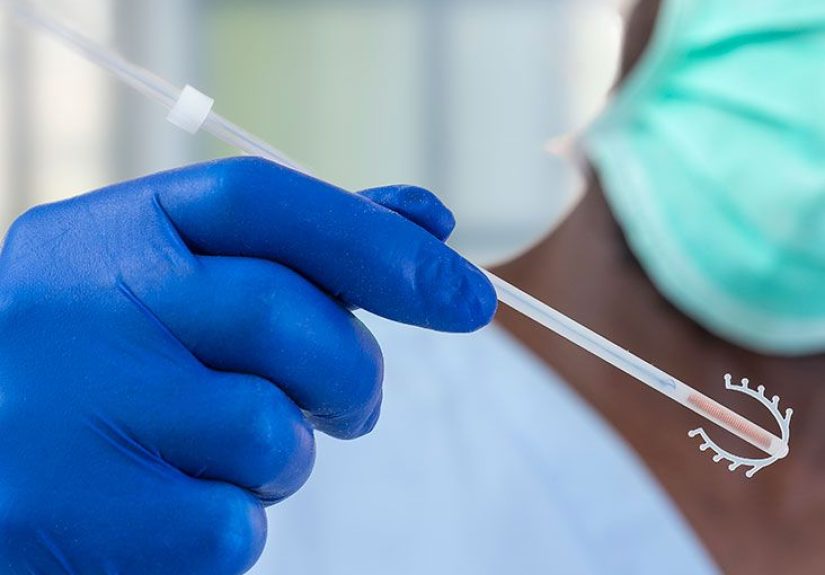
A copper IUD is a small, flexible, T-shaped device wrapped with copper. A clinician inserts it through the cervix and places it inside the uterus. Once in position, it provides continuous pregnancy prevention without using estrogen, progestin, or any other hormone.
In the United States, Paragard is the copper IUD option most people are talking about. It is approved for long-term contraception for up to 10 years, though some reproductive health organizations discuss evidence and clinical practice around longer use in certain cases. For web readers, the safest phrasing is this: follow the labeled duration and your clinician’s guidance. The important point is that the copper IUD is long-lasting, reversible, and low-maintenance.
How Does the Copper IUD Work?
The copper IUD works mainly by creating an environment that sperm do not enjoy. If sperm had a Yelp account, copper would get one star and a dramatic review. Copper ions interfere with sperm movement and viability, making it much harder for sperm to reach and fertilize an egg.
Unlike hormonal IUDs, the copper IUD does not thicken cervical mucus with progestin or intentionally lighten periods. Its contraceptive power comes from copper’s local effect inside the uterus. It does not stop ovulation for most users, and it does not “turn off” the menstrual cycle. That is why many people continue to have regular periods while using it.
How Effective Is the Copper IUD?
The copper IUD is one of the most effective reversible birth control methods available. With typical use, its failure rate is less than 1% per year. In everyday language, that means fewer than 1 out of 100 users are expected to become pregnant in the first year of use.
Why is it so effective? Because it removes human forgetfulness from the equation. Pills, patches, rings, and condoms can work well, but they depend on correct and consistent use. The copper IUD sits in place and does its job without requiring daily, weekly, or monthly action. There is no app notification, no pharmacy line, and no “I packed everything except my birth control” vacation moment.
Copper IUD as Emergency Contraception
One standout feature of the copper IUD is that it can also be used as emergency contraception. If inserted by a healthcare professional within five days after unprotected sex, it is highly effective at reducing the risk of pregnancy. Even better, it can remain in place afterward as ongoing birth control.
This makes it different from emergency contraceptive pills, which are taken once and do not provide continued contraception for future sex. The copper IUD can be both the emergency plan and the long-term planlike calling a firefighter who also installs smoke detectors.
Benefits of the Copper IUD
1. It Is Hormone-Free
For people who cannot use hormonal birth control or simply prefer not to, the copper IUD is a major option. It does not contain estrogen or progestin, so it avoids hormone-related side effects some users experience with other methods, such as breast tenderness, mood changes, acne, or hormone-triggered headaches.
This does not mean it has no side effects. It simply means its side-effect profile is different. The copper IUD is more about menstrual changesespecially heavier bleeding and crampingthan systemic hormonal symptoms.
2. It Lasts for Years
The copper IUD is designed for long-term pregnancy prevention. Once placed, it can work for up to 10 years under U.S. labeling. That makes it appealing for people who want reliable contraception without frequent appointments, refills, or supplies.
3. It Is Reversible
The copper IUD can be removed by a healthcare provider at any time. After removal, contraceptive protection ends quickly, and fertility generally returns to what is normal for that person. In other words, it is long-term but not permanent.
4. It Is Low-Maintenance
Once the IUD is inserted, there is very little to manage. Some clinicians teach users how to check for the strings, though not everyone is comfortable doing thatand that is okay. Routine follow-up depends on the clinician’s advice and the user’s symptoms. The big rule is simple: if pain, bleeding, missing strings, pregnancy symptoms, or unusual discharge appears, call a healthcare professional.
5. It Can Be Used While Breastfeeding
Because it is hormone-free, the copper IUD is often discussed as an option for people who are breastfeeding. Timing after childbirth matters, so postpartum users should ask their clinician when insertion is appropriate based on delivery type, infection risk, bleeding, and personal recovery.
Common Side Effects of the Copper IUD
The copper IUD’s most common side effects involve periods. For some people, periods become heavier, longer, or more crampyespecially during the first three to six months after insertion. Spotting between periods can also happen early on.
Many users find that symptoms improve as the body adjusts. Others decide the heavier bleeding is not worth it. Both experiences are valid. Birth control is not a personality test; it is a practical health decision.
Heavier Periods
A copper IUD can increase menstrual bleeding. Someone who already has heavy periods, anemia, severe cramps, endometriosis, fibroids, or a bleeding disorder should talk carefully with a clinician before choosing this method.
More Cramping
Cramping may be strongest during insertion, in the first few days afterward, and during early periods with the IUD. Some clinicians recommend nonsteroidal anti-inflammatory drugs, such as ibuprofen or naproxen, when medically safe. However, people with kidney disease, stomach ulcers, blood-thinner use, or other medication risks should ask before taking NSAIDs.
Spotting and Irregular Bleeding
Spotting can happen after insertion and between periods. It is usually not dangerous, but heavy bleeding, foul-smelling discharge, fever, severe pelvic pain, or pregnancy symptoms should be evaluated promptly.
Less Common but Important Risks
Serious complications are uncommon, but they deserve clear mention. Possible risks include expulsion, perforation, infection, embedment, and pregnancy with an IUD in place. Expulsion means the IUD partly or completely comes out of the uterus. Perforation means it passes through the uterine wall, which is rare but serious.
Pelvic infection risk is mostly concentrated around the time of insertion if bacteria are introduced or if an untreated STI is present. That is why clinicians may screen for chlamydia and gonorrhea based on age, symptoms, risk factors, and local protocols.
If pregnancy occurs with an IUD in place, medical care is needed quickly. Pregnancy is uncommon with a copper IUD, but when it happens, clinicians must evaluate location and safety, including the possibility of ectopic pregnancy.
Who Might Be a Good Candidate?
A copper IUD may be a strong fit for someone who wants highly effective, long-term, reversible, hormone-free contraception. It may also appeal to people who want a method that does not require action before sex and does not depend on daily memory.
It may not be ideal for someone who already has very heavy or painful periods, has certain uterine abnormalities, has unexplained vaginal bleeding, has an active pelvic infection, has a copper allergy, or has Wilson disease, a rare condition involving copper metabolism. The best candidate is not “everyone”; it is the person whose body, goals, and risk profile match the method.
The Copper IUD Procedure: What to Expect
Before Insertion
The appointment usually starts with a medical history, pregnancy assessment, and discussion of risks and benefits. The clinician may ask about last menstrual period, recent unprotected sex, STI risk, pelvic pain, abnormal bleeding, medications, allergies, and previous pregnancy or birth history.
Pain management should be part of the conversationnot an afterthought whispered while the speculum is already out. Options vary by clinic but may include over-the-counter pain relievers, local anesthetic, a paracervical block, anti-anxiety support, or other individualized strategies. People with past trauma, anxiety, difficult pelvic exams, or prior painful procedures should say so upfront. A good clinician will take that seriously.
During Insertion
The user lies on an exam table, similar to a Pap test or pelvic exam. A speculum is inserted into the vagina so the clinician can see the cervix. The cervix and vagina may be cleaned with an antiseptic solution. The clinician may measure the depth of the uterus with a thin instrument, then place the folded IUD through the cervix into the uterus using an inserter. Once inside, the IUD arms open into the T shape.
The actual placement often takes only a few minutes, but the experience varies. Some people feel mild cramps. Others feel intense cramping, dizziness, nausea, or sweating. This is why honest pain counseling matters. “You may feel a pinch” is not enough for everyone; some people feel a pinch, and some feel like their uterus just filed a formal complaint.
After Insertion
Cramping and spotting are common after insertion. Many people return to normal activities the same day, while others prefer rest, a heating pad, and low-drama snacks. A clinician may recommend backup contraception depending on timing and individual circumstances, although the copper IUD works very quickly when correctly placed.
Users should call a healthcare professional if they develop severe pain, heavy bleeding, fever, chills, unusual discharge, pain during sex, pregnancy symptoms, or if they think the IUD has moved. If strings feel much longer or shorter than before, or if the hard plastic part can be felt, the IUD may be out of position.
Copper IUD Removal
Removal is usually quicker than insertion. A healthcare provider gently pulls the IUD strings with forceps, and the arms fold upward as the device comes out. Mild cramping or spotting can happen afterward. If the strings are not visible, removal may require additional tools or imaging, but most removals are straightforward.
People should not try to remove an IUD themselves. Internet bravery is not a substitute for sterile technique and medical training.
Copper IUD vs. Hormonal IUD
The copper IUD and hormonal IUDs are both highly effective, long-acting, and reversible. The main difference is how they work and how they affect periods. A copper IUD contains no hormones and may make periods heavier or crampier. Hormonal IUDs release progestin and often make periods lighter over time, though they may cause irregular bleeding at first.
The “better” option depends on the person. Someone who wants hormone-free contraception may prefer copper. Someone with heavy periods may prefer a hormonal IUD because it may reduce bleeding. Someone using an IUD as emergency contraception may be offered a copper IUD or, in some clinical settings, certain hormonal IUD options depending on current guidelines, availability, and eligibility.
Does the Copper IUD Protect Against STIs?
No. The copper IUD prevents pregnancy, not sexually transmitted infections. Condoms, internal condoms, dental dams, STI testing, mutual monogamy with tested partners, and PrEP for HIV prevention when appropriate may still be important parts of sexual health.
Cost and Access
Copper IUD cost can vary widely depending on insurance, clinic type, location, and whether the visit includes consultation, insertion, testing, ultrasound, or follow-up. Under many insurance plans, contraception may be covered, but users should verify details before the appointment when possible. Community clinics, university health centers, public health departments, and reproductive health organizations may offer lower-cost options.
Real-World Experiences and Practical Takeaways
Experiences with the copper IUD vary dramatically, which is one reason online reviews can feel like reading restaurant comments for two completely different planets. One person says insertion was “just a big cramp,” while another says it was the most painful medical experience they have had. Both can be true. Pain is influenced by anatomy, anxiety, previous births, trauma history, provider technique, cervical sensitivity, timing, and available pain control.
A common positive experience is relief from daily contraceptive management. Many users love not thinking about birth control every morning, every month, or every time they have sex. For people who have struggled with nausea from pills, mood changes from hormones, or inconsistent condom use, the copper IUD can feel refreshingly simple. Once it is in place and confirmed to be comfortable, it becomes almost invisible in daily life.
Another common experience is the “adjustment period.” The first few months may bring heavier bleeding, stronger cramps, or surprise spotting. For some users, this settles into a manageable rhythm. They learn to keep stronger period products nearby, use a heating pad, plan workouts around heavier days, and talk with their clinician about safe pain relief. For others, the bleeding remains too disruptive. If someone is soaking pads quickly, feeling dizzy, developing symptoms of anemia, or missing work or school because of pain, that is not something to simply “tough out.” It is a reason to get medical advice.
Some people describe the copper IUD as empowering because it gives long-term protection without hormones and without depending on a partner. Privacy can also matter. There are no pill packs in a drawer, no monthly deliveries, and no visible device outside the body. However, partners may sometimes feel the strings during sex. Usually, strings soften and curl around the cervix over time, but if they are bothersome, a clinician may be able to trim or adjust them.
The most helpful real-world advice is to prepare for insertion like a medical appointment, not like a quick errand between coffee and emails. Ask about pain-control options before the day of the procedure. Eat beforehand unless told otherwise. Consider bringing a support person if the clinic allows it. Plan a lighter schedule afterward. Wear comfortable clothing. Keep pads, not tampons or menstrual cups unless cleared by the clinician, available for spotting after insertion. Have a heating pad ready at home. Most importantly, do not let anyone dismiss severe pain or unusual symptoms.
For people who ultimately love the copper IUD, the story is often: “The beginning was rough, but now I barely think about it.” For people who remove it, the story is often: “It worked, but the bleeding or cramps were not worth it for me.” Neither story is a failure. The best birth control is not the one with the flashiest statistics; it is the one that fits a person’s body, priorities, access, relationships, and peace of mind.
Conclusion
The copper IUD is a highly effective, hormone-free, long-acting, reversible birth control method. It can be an excellent choice for people who want years of pregnancy prevention without daily effort and without hormonal exposure. It can also serve as emergency contraception when inserted soon after unprotected sex.
Its biggest trade-offs are menstrual: heavier bleeding, stronger cramps, and spotting are common, especially in the first few months. The insertion procedure can be quick, but pain varies and should be discussed honestly. Anyone considering a copper IUD should ask about eligibility, STI testing, pain management, side effects, warning signs, cost, and removal. Tiny device, big decisionworth making with good information and a clinician who listens.







 Close
Close