
Table of Contents >> Show >> Hide
- What Climate Change Really Means
- Essential Climate Change Facts Everyone Should Know
- How Climate Change Affects the Economy
- Direct Damage: The Most Obvious Cost
- Infrastructure Strain: Roads, Grids, and Water Systems Under Pressure
- Insurance and Housing: The Quiet Financial Stress Test
- Agriculture and Food Prices: Climate Hits the Dinner Table
- Health and Labor: A Less Visible but Huge Economic Cost
- Supply Chains and Business Operations
- What the Bigger Economic Picture Looks Like
- Who Pays the Most?
- Can the Economy Adapt?
- Why Climate Change Facts Matter for Everyday Decisions
- Experiences That Show the Economic Effect of Climate Change
- Conclusion
Climate change is often talked about like it is some distant, abstract problem floating around in a science textbook. In real life, it is much less mysterious and much more expensive. It shows up in heat waves that make outdoor work more dangerous, storms that wreck roads and power lines, crop losses that squeeze farmers, insurance premiums that make homeowners blink twice, and supply chain disruptions that turn “just in time” into “not on time at all.” In other words, climate change is not only an environmental story. It is a money story, a jobs story, a business story, and a household-budget story.
If that sounds dramatic, well, the weather has not exactly been auditioning for a gentle supporting role lately. The good news is that the facts are clear enough to understand without a PhD and gloomy enough to take seriously without needing a horror soundtrack. This article breaks down the key climate change facts, explains how those facts connect to the economy, and shows why the economic effect of climate change is already here rather than parked politely in the far future.
What Climate Change Really Means
Climate change refers to long-term shifts in temperature, precipitation, sea level, and weather patterns, driven largely by human activity, especially the burning of coal, oil, and natural gas. These activities release greenhouse gases that trap heat in the atmosphere. Think of it as Earth putting on a thicker blanket while also being told to run a marathon. The result is warming, but also bigger swings in many parts of the climate system.
That warming does not simply make every day feel like July. It changes how moisture moves through the atmosphere, how oceans store heat, how snowpack forms and melts, how drought develops, and how storms behave. Some places get drier. Some get wetter. Some get both, just to be extra inconvenient. The point is not that every weather event is caused by climate change. The point is that climate change loads the dice toward more damaging extremes and shifts the background conditions that economies rely on.
Essential Climate Change Facts Everyone Should Know
To understand the economic effect, it helps to start with the basic facts. These are the climate realities that matter most for families, businesses, and governments.
1. The planet is warming, and the United States is feeling it locally
Climate change is global, but its costs are local. In the United States, communities are seeing more extreme heat, heavier rainfall in many regions, more costly coastal flooding, larger wildfire risks, and worsening drought in others. That matters because local economies are built on local conditions. Cities, farms, ports, roads, and water systems were designed around older climate patterns, not the new remix version.
2. Extreme weather is becoming more expensive
Weather disasters are not just tragic; they are budget items. When storms, wildfires, floods, and droughts strike more often or hit harder, households lose property, governments spend more on response and repairs, and businesses face downtime. Disaster costs now land not only in emergency rooms and news headlines but also in tax bills, insurance statements, utility rates, and grocery receipts.
3. Sea level rise is not a future-only problem
Rising seas increase the frequency and severity of coastal flooding, threaten roads and wastewater systems, damage homes, and reduce the reliability of ports and shoreline infrastructure. Coastal property markets are deeply tied to the broader economy, so when flood risk rises, so do questions about mortgage risk, insurance availability, and municipal budgets.
4. Agriculture is becoming more unpredictable
Farmers have always dealt with weather. What they do not enjoy, understandably, is weather becoming less predictable while also getting more extreme. Heavy rain can delay planting, drought can shrink yields, heat can stress livestock, and shifting seasons can expand pests and diseases. That means climate change can affect both the quantity of food and the price consumers pay for it.
5. Heat hurts worker productivity
Extreme heat is not just uncomfortable; it lowers labor productivity, increases health risks, and can reduce hours worked, especially in construction, agriculture, warehousing, transportation, and other outdoor or poorly cooled settings. When people cannot safely work at the same pace, the economy slows down in very human ways.
6. The costs are unevenly distributed
Climate change does not hand everyone the same bill. Lower-income households, rural communities, coastal areas, Indigenous communities, farmworkers, and places with older infrastructure often face higher risks and fewer resources to adapt. That means climate change can deepen inequality even while raising costs for nearly everyone.
How Climate Change Affects the Economy
The phrase economic effect of climate change sounds technical, but the mechanism is straightforward. Economies need stability. They need workable temperatures, reliable water, functioning infrastructure, affordable insurance, dependable supply chains, and healthy workers. Climate change disrupts each of those ingredients.
Direct Damage: The Most Obvious Cost
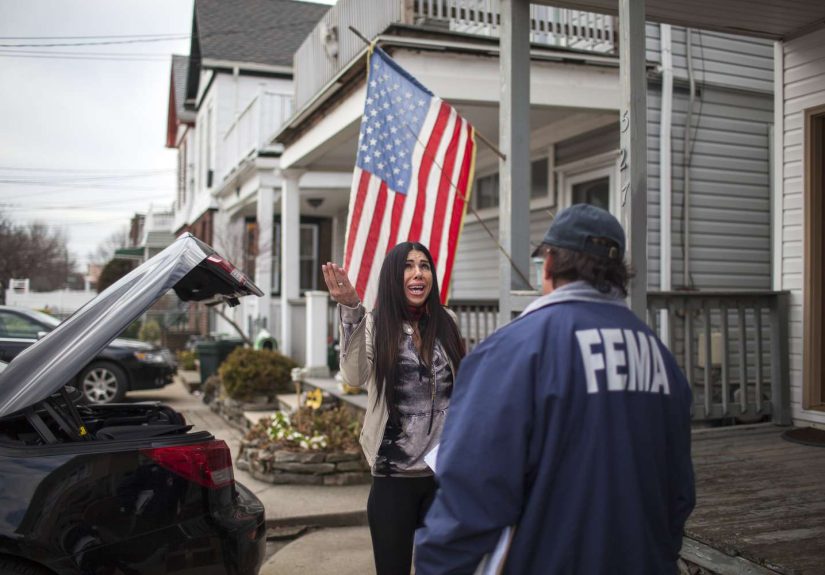
The clearest economic effect is physical destruction. A hurricane floods homes, a wildfire burns neighborhoods, a storm destroys power lines, or a flood washes out roads and rail lines. Rebuilding creates spending, yes, but that is not the same thing as prosperity. Replacing a ruined bridge is not a fun new growth strategy; it is the national equivalent of paying to fix a smashed windshield again and again.
Direct damage includes destroyed homes, damaged commercial buildings, crop losses, wrecked vehicles, interrupted utilities, and public infrastructure repairs. It also includes hidden losses, like business closures during cleanup, missed school days, delayed medical care, and lost tourism revenue. By the time an event is over, the cost is often spread across insurers, taxpayers, households, and local businesses.
Infrastructure Strain: Roads, Grids, and Water Systems Under Pressure
American infrastructure was largely built for yesterday’s climate. Roads buckle in extreme heat. Rail lines warp. Ports and coastal highways face more flooding. Stormwater systems get overwhelmed by intense downpours. Electric grids struggle under higher cooling demand and wildfire risk. Water systems face both too much water and not enough, which is a remarkable feat of unfairness.
When infrastructure becomes less reliable, businesses face delays and higher operating costs. Municipalities face larger maintenance bills. Households deal with outages, detours, and utility price increases. And because infrastructure supports nearly every part of the economy, the damage ripples far beyond the site of the original event.
Insurance and Housing: The Quiet Financial Stress Test
One of the biggest economic warning lights is the insurance market. As climate-related losses rise, homeowners insurance can become more expensive and harder to obtain in higher-risk areas. That affects mortgage lending, real estate values, and local tax bases. If a home is harder to insure, it can become harder to finance or sell. Suddenly climate change is no longer just an environmental concern; it is standing in your kitchen with a calculator.
State and local governments also feel the pressure. If property values weaken or if borrowing costs rise because risk looks higher, communities have less room to fund schools, roads, emergency services, and adaptation projects. The places that most need resilience investments may have the hardest time paying for them.
Agriculture and Food Prices: Climate Hits the Dinner Table
Climate change affects agriculture through heat, drought, shifting rainfall, smoke exposure, pest pressure, and more volatile growing conditions. That can reduce yields, increase input costs, and make farm income less stable. The effect does not stay on the farm. It moves through food processing, trucking, distribution, and retail.
When climate shocks disrupt supply chains, some foods become less available or more expensive. Lower-income households are hit hardest because food takes up a larger share of their budget. Rural communities also face unique challenges because they are both producers and economically vulnerable to climate-related disruptions.
Health and Labor: A Less Visible but Huge Economic Cost
Heat stress, poor air quality, wildfire smoke, and disaster-related injuries all raise health costs. Workers may need time off, employers may face lower productivity, and healthcare systems may operate under greater strain. A construction crew stopping early due to dangerous heat is not a political talking point. It is a real productivity loss. The same goes for delivery workers, farm laborers, warehouse teams, and emergency responders.
There is also a long-tail effect. Repeated disasters and chronic heat can affect mental health, school performance, community stability, and labor force participation. Economists increasingly treat these as serious components of climate damage because they shape long-run growth, not just temporary disruption.
Supply Chains and Business Operations
Modern supply chains are efficient when the world behaves itself. Climate change, unfortunately, did not get the memo. Flooded ports, heat-damaged roads, wildfire-related rail disruptions, low river levels, and storm-hit manufacturing hubs can all delay goods. Businesses then face inventory shortages, higher shipping costs, or production slowdowns.
This matters far beyond giant corporations. Small businesses depend on reliable deliveries, affordable utilities, working internet, and steady customer demand. Climate disruption can weaken all four at once. A restaurant with spoiled inventory after a long outage, a local manufacturer waiting on delayed parts, or a retailer hit by flood cleanup costs all experience climate change as an economic problem before they ever call it that.
What the Bigger Economic Picture Looks Like
At the national level, climate change can reduce economic growth over time by damaging capital, lowering labor productivity, increasing health burdens, pressuring public budgets, and discouraging investment in high-risk areas. Some economic models project that U.S. GDP in 2100 could be meaningfully lower because of climate change, especially if warming continues without sufficient adaptation and emissions cuts.
That does not mean every region loses in exactly the same way or at the same pace. Some places may see temporary benefits in certain sectors, such as longer growing seasons for specific crops or lower winter heating demand. But those narrow gains are generally outweighed by broader costs from extreme heat, disasters, coastal impacts, ecosystem disruption, insurance stress, and infrastructure damage. A few economic bright spots do not cancel the wider bill. They are more like finding a coupon after your roof blew off.
Who Pays the Most?
One of the most important facts about climate change is that its economic burden is not evenly shared. Wealthier households and large firms often have more options: better insurance, stronger buildings, more savings, backup generators, or the ability to relocate. Lower-income households usually have fewer buffers. When food prices rise, utility bills climb, or a storm knocks out a paycheck, the damage is immediate.
Workers in heat-exposed jobs face higher risk. Farmers face yield swings and rising adaptation costs. Coastal and wildfire-prone communities face insurance and housing pressure. Local governments in already stretched areas can struggle to recover from repeated shocks. This is why climate change is increasingly discussed not only as an environmental issue but also as a question of economic fairness.
Can the Economy Adapt?
Yes, but adaptation costs money, planning, and political patience, which is not always the easiest trio to assemble. Still, adaptation works. Communities can upgrade drainage systems, strengthen building codes, create cooling centers, restore wetlands, redesign roads, protect water supplies, and improve early-warning systems. Businesses can diversify suppliers, harden facilities, change work schedules during heat, and invest in risk planning.
There is also economic upside in mitigation and resilience. Clean energy, grid modernization, efficient buildings, climate-smart agriculture, wildfire prevention, and coastal restoration can create jobs while reducing future damages. Put simply, spending wisely now can lower the size of the future repair bill. That is not charity for the planet. It is risk management with better branding.
Why Climate Change Facts Matter for Everyday Decisions
For households, climate knowledge helps with decisions about home insurance, where to live, energy use, and emergency planning. For businesses, it shapes supply chains, site selection, workforce safety, and long-term capital planning. For policymakers, it affects everything from zoning and transportation to water management and public health. Facts matter because climate change is no longer a niche topic for scientists and activists. It is an operating condition for the economy.
The central lesson is simple: climate change is not only about polar ice and future generations, though it certainly includes both. It is also about present-day costs, present-day jobs, present-day markets, and present-day risk. Ignore that, and the economy ends up learning the hard way, which tends to be the most expensive class available.
Experiences That Show the Economic Effect of Climate Change
To make the topic more concrete, it helps to look at the kinds of experiences Americans are already having. A farmer in the Midwest may start the season worried about drought, then get hit with such heavy spring rain that fields cannot be planted on time. If crops go in late, yields may drop. If yields drop, revenue tightens. If revenue tightens, equipment purchases, hiring, and debt payments all get harder. That single weather swing does not stay on the farm; it reaches seed suppliers, truckers, local banks, food processors, and grocery shoppers.
A homeowner in a coastal or storm-prone area may have a different climate experience, but the economic lesson is similar. First comes the storm warning, then the deductible, then the repair estimate, then the insurance renewal that looks like it was written by someone who recently discovered gold. In some regions, the larger problem is not just paying more for coverage. It is finding coverage at all. Once insurance becomes harder to secure, the value and liquidity of a home can change, and that affects family wealth in a very direct way.
For outdoor workers, climate change often shows up as heat that makes a normal workday less normal. Roofers, road crews, farmworkers, and delivery drivers may start earlier, slow down more often, or stop sooner because dangerous heat raises the risk of injury and illness. Employers lose hours. Workers may lose wages. Projects take longer. Costs rise. No dramatic movie soundtrack is required; the economics are already doing the talking.
Small businesses feel climate pressure in practical, frustrating ways. A restaurant loses refrigerated food during an extended outage. A hardware store closes for flood cleanup during the exact week it expected strong sales. A manufacturer waits on delayed parts because a transport route was damaged. A tourism business sees cancellations during smoky wildfire periods or after a beach-flooding event. These are not abstract losses. They are payroll decisions, inventory write-downs, and cash-flow headaches.
Local governments live this reality too. A town that has to repair roads, culverts, sewer systems, and public buildings after repeated disasters may postpone other investments such as parks, libraries, or school improvements. Budget choices get narrower. Borrowing can become more expensive. Residents still expect services, and rightly so, but the cost of maintaining those services rises when the climate becomes more punishing.
Even households that never flood, farm, or work outside can feel the economic effect of climate change through food prices, utility bills, and taxes. When utilities invest more in resilience, those costs can flow into rates. When disaster aid increases, public budgets absorb the hit. When supply chains seize up after climate events, consumers pay more at the register. Climate change has a sneaky way of showing up in ordinary receipts.
These experiences point to one conclusion: climate change is not merely something people read about. It is something they budget around, insure against, rebuild after, sweat through, and adapt to. The economic effect is real because the lived experience is real. And once that becomes obvious, the smartest response is not denial. It is preparation.
Conclusion
Climate change is a scientific reality with a growing economic footprint. The facts are no longer limited to rising temperatures on a chart. They now include damaged infrastructure, higher insurance costs, food system stress, health impacts, lower labor productivity, and growing pressure on local and national budgets. The more warming continues, the larger the bill becomes.
Still, this is not a story with only one ending. The economy can adapt, and smart policy, business planning, and household preparedness can reduce risk. Cleaner energy, stronger infrastructure, better land use, climate-smart agriculture, and more resilient communities can lower future costs while creating new opportunities. Climate change may be expensive, but ignoring it is usually the premium package.






 Close
Close