
Table of Contents >> Show >> Hide
- What Makes This Classic Two Egg Vanilla Pound Cake Work
- Classic Two Egg Vanilla Pound Cake Ingredients
- Equipment You Will Need
- How to Make Classic Two Egg Vanilla Pound Cake
- Why 325°F Is Your Friend
- Texture, Flavor, and What to Expect
- Best Tips for a Perfect Small Batch Pound Cake
- Common Mistakes and How to Avoid Them
- Easy Variations on This Vanilla Pound Cake Recipe
- How to Serve It
- How to Store Pound Cake
- Why This Recipe Deserves a Spot in Your Baking Rotation
- Real Kitchen Experiences With a Classic Two Egg Vanilla Pound Cake
- Conclusion
- SEO Tags
If you have ever wanted a pound cake that feels old-school, tastes buttery, smells like real vanilla, and does not require half the egg carton or a pan the size of a satellite dish, this is your moment. This classic two egg vanilla pound cake recipe is a scaled-down version of the beloved American favorite: rich, golden, tender, and just dense enough to feel proper. In other words, it is the kind of cake that looks humble on the counter and then somehow disappears slice by slice.
Unlike giant celebration cakes loaded with frosting and drama, pound cake wins with texture and flavor. It is straightforward, reliable, and deeply comforting. This small-batch loaf keeps the classic spirit alive while making sense for an ordinary weeknight, a slow Sunday afternoon, or any time you want homemade cake without opening a second stick of panic. The crumb is tight but soft, the vanilla shines, and the buttery finish makes every slice taste like it belongs next to coffee, tea, berries, whipped cream, or absolutely nothing at all.
What Makes This Classic Two Egg Vanilla Pound Cake Work
A good pound cake is all about balance. You want richness without heaviness, sweetness without sugar overload, and a crumb that feels velvety rather than rubbery. This recipe gets there by keeping the ingredient list simple and the technique clean. Butter provides structure and flavor. Sugar helps with tenderness and that delicate golden crust. Two eggs give the loaf lift and body. Vanilla brings the bakery-case perfume. A small amount of milk smooths out the batter so the cake bakes up moist instead of stubborn.
The real secret, though, is the mixing method. Creaming softened butter and sugar until light and fluffy builds the base. Adding the eggs one at a time keeps the batter smooth. Folding in the flour gently prevents the cake from turning into a bread impersonator. Pound cake is not complicated, but it is a little bossy about technique. Respect the process and it will reward you with a loaf that tastes like you know exactly what you are doing.
Classic Two Egg Vanilla Pound Cake Ingredients
- 1/2 cup unsalted butter, softened
- 3/4 cup granulated sugar
- 2 large eggs, room temperature
- 1 1/2 teaspoons pure vanilla extract
- 1 cup all-purpose flour
- 1/4 teaspoon baking powder
- 1/4 teaspoon salt
- 1/4 cup whole milk, room temperature
Optional finishing ideas
- Powdered sugar for dusting
- Simple vanilla glaze
- Fresh strawberries, raspberries, or blueberries
- Lightly sweetened whipped cream
This is a true pantry-friendly vanilla pound cake. No sour cream, no cream cheese, no mystery ingredient that requires a special trip. Just classic baking staples doing their job like tiny overachievers.
Equipment You Will Need
- 8 1/2 x 4 1/2-inch loaf pan
- Hand mixer or stand mixer
- Mixing bowls
- Rubber spatula
- Wire rack
- Parchment paper, optional but helpful
How to Make Classic Two Egg Vanilla Pound Cake
- Preheat the oven. Heat your oven to 325°F. Grease a loaf pan well and lightly flour it, or line it with parchment paper and grease the paper. Pound cake loves a prepared pan. An unprepared pan is how heartbreak begins.
- Mix the dry ingredients. In a small bowl, whisk together the flour, baking powder, and salt. Set aside.
- Cream the butter and sugar. In a larger bowl, beat the softened butter and sugar together for 3 to 5 minutes, until pale and fluffy. Do not rush this step. This is where much of the cake’s final texture is built.
- Add the eggs. Beat in the eggs one at a time, mixing well after each addition. Scrape down the bowl as needed. Stir in the vanilla extract.
- Add flour and milk. With the mixer on low, add half the flour mixture, then the milk, then the rest of the flour mixture. Mix just until combined. The batter should look smooth and thick.
- Fill the pan. Spoon the batter into the prepared loaf pan and smooth the top. Tap the pan lightly on the counter once or twice to settle the batter.
- Bake. Bake for 50 to 60 minutes, or until the top is golden and a toothpick inserted in the center comes out clean or with a few moist crumbs.
- Cool properly. Let the cake cool in the pan for 10 to 15 minutes, then turn it out onto a wire rack to cool completely.
Why 325°F Is Your Friend
Pound cake is not in a hurry, and neither should you be. A slightly lower oven temperature helps the loaf bake evenly from edge to center. That means fewer dry corners, less risk of the outside getting too dark before the middle is done, and a better chance of getting that classic tight, tender crumb. This is not a race. This is butter-based architecture.
Texture, Flavor, and What to Expect
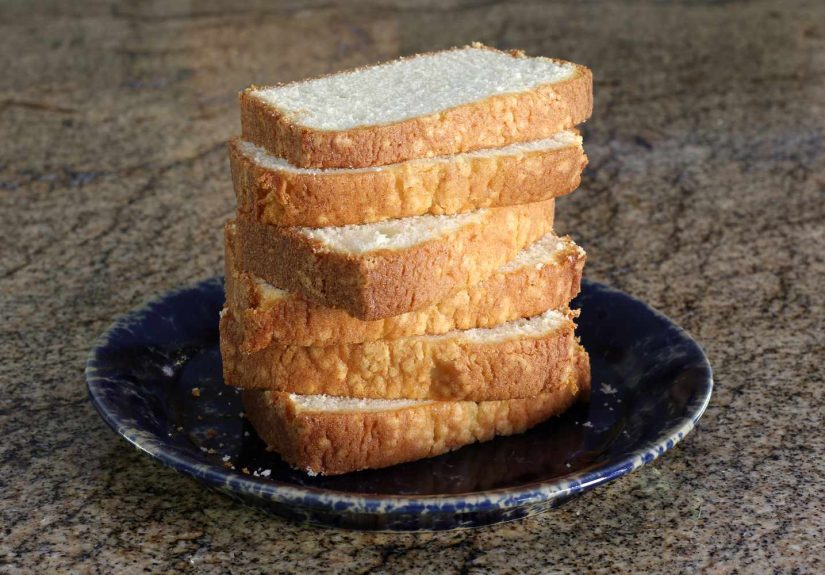
This vanilla pound cake loaf is buttery, fragrant, and satisfyingly rich. It is denser than a birthday cake but softer than a quick bread. The crumb is fine and neat, making it ideal for clean slices. The top may crack slightly, which is normal and honestly part of the charm. That crack is the rustic little wink that says, “Yes, I was made from scratch.”
Flavor-wise, this cake leans on butter and vanilla instead of extra add-ins. That makes it a wonderful base recipe. It tastes excellent plain, but it also plays well with fruit, glaze, toasted nuts, or a scoop of vanilla ice cream if you are committed to a strong vanilla theme. Respect.
Best Tips for a Perfect Small Batch Pound Cake
Use room-temperature ingredients
Softened butter creams better, room-temperature eggs blend more smoothly, and milk that is not ice-cold helps keep the batter from curdling. Cold ingredients do not make you a rebel. They make your batter grumpy.
Cream the butter and sugar long enough
This is not the place for impatience. If the mixture is still dark yellow and heavy, keep going. You want it lighter in color and fluffier in texture.
Do not overmix once the flour is added
After flour goes in, mix only until you no longer see dry streaks. Overmixing develops too much gluten and turns a lovely vanilla pound cake into a chewy life lesson.
Measure carefully
Too much flour is one of the fastest ways to get a dry loaf. Spoon flour into the measuring cup and level it off instead of scooping directly from the bag.
Cool the cake the right way
Letting the cake sit briefly in the pan helps it set. Leaving it there too long can trap steam and make the crust soggy. Pound cake enjoys boundaries.
Common Mistakes and How to Avoid Them
The cake is dry
This usually comes from too much flour, overbaking, or overmixing. Check your oven accuracy, start testing a few minutes early, and do not beat the batter forever once the flour is in.
The cake sank in the middle
That can happen if the batter was underbaked, the oven door was opened too early, or the ingredients were not properly creamed. A sunken center is not ideal, but with berries and whipped cream it can still mysteriously vanish.
The cake stuck to the pan
Grease and flour the pan thoroughly, especially in the corners. Parchment paper is a very smart backup plan for loaf cakes.
The crumb is heavy
Pound cake should be rich, but it should not feel like edible paperweight. Be sure the butter and sugar are creamed well, and do not use cold ingredients straight from the fridge.
Easy Variations on This Vanilla Pound Cake Recipe
Lemon vanilla pound cake
Add 1 teaspoon of finely grated lemon zest for a brighter flavor that still keeps the vanilla center stage.
Almond vanilla loaf cake
Use 1 teaspoon vanilla extract and 1/2 teaspoon almond extract for a more bakery-style aroma.
Berry serving version
Serve slices with macerated strawberries or blueberries and whipped cream. Suddenly your simple loaf cake looks like it has excellent manners.
Glazed pound cake
Whisk together 1/2 cup powdered sugar, 1/2 teaspoon vanilla extract, and enough milk to make a pourable glaze. Drizzle over the cooled cake.
How to Serve It
This classic two egg vanilla pound cake recipe is versatile enough to work at breakfast, brunch, dessert, or that suspiciously specific hour when you just want “something good” with coffee. Serve thick slices plain for a traditional feel, or toast leftover slices lightly and top them with fruit and cream. You can even turn it into a shortcut strawberry shortcake situation when summer berries are around.
It also travels well, which makes it perfect for potlucks, neighbor drop-offs, bake sales, and family visits where people say, “Oh, you did not have to bring anything,” while clearly hoping you brought cake.
How to Store Pound Cake
Once fully cooled, wrap the loaf tightly in plastic wrap or store it in an airtight container. It will keep well at room temperature for 3 to 4 days. For longer storage, refrigerate it for up to a week, though room temperature gives the best texture. You can also freeze slices individually for up to 2 months. Thaw at room temperature and enjoy.
Like many butter cakes, the flavor often seems even better the next day. The crumb settles, the vanilla rounds out, and the whole loaf tastes more cohesive. In short, it ages more gracefully than most people do after a bad night of sleep.
Why This Recipe Deserves a Spot in Your Baking Rotation
Some recipes are flashy. Some are practical. The best ones are both. This small batch pound cake recipe earns repeat status because it is simple enough for beginners, dependable enough for experienced bakers, and delicious enough that nobody complains about the lack of frosting. It uses two eggs instead of a mountain of them, fits in a standard loaf pan, and still delivers that classic buttery crumb people expect from a true vanilla pound cake.
In a world full of trendy desserts with ten layers and seventeen toppings, this loaf is refreshingly calm. It does not need a marketing team. It just needs butter, vanilla, and a little patience. Then it quietly becomes the cake everyone asks you to make again.
Real Kitchen Experiences With a Classic Two Egg Vanilla Pound Cake
One of the most useful things about a classic two egg vanilla pound cake is how often it saves the day in ordinary kitchens. Not every baking moment is a holiday production with six bowls and a soundtrack. Sometimes you just want a dependable cake that fits a loaf pan, uses ingredients already in the house, and does not leave you with half a dozen egg whites staring at you from the refrigerator like disappointed interns. That is exactly where this recipe shines. It feels manageable, and that matters.
Many home bakers discover that this kind of pound cake becomes a confidence builder. The first time, they are careful. They soften the butter properly, read the steps twice, and check the oven light every ten minutes like the cake is a tiny science project. The second time, they relax. By the third time, they know what the batter should look like, how the top should dome, and when the vanilla smell starts drifting through the kitchen. Familiarity turns the recipe into a habit, and habit is where the best baking lives.
There is also something deeply satisfying about the size. A giant tube-pan pound cake is wonderful for a crowd, but a small vanilla loaf feels more personal. It suits weeknights, small households, and casual weekends. A baker can make it on Friday, slice it on Saturday morning with coffee, serve it again after dinner with berries, and still have enough left for one excellent snack on Sunday. It stretches just far enough to feel generous without becoming a commitment. That is a rare and beautiful thing in dessert.
Another common experience is realizing how much technique changes the outcome. Bakers who once thought pound cake was always dry are often surprised by how tender it becomes when the butter and sugar are creamed long enough and the flour is mixed in gently. Tiny details suddenly feel important in a good way. Room-temperature eggs stop seeming fussy and start seeming smart. A properly greased pan feels less like a chore and more like insurance. The recipe teaches patience without being punishing.
And then there is the serving ritual. People rarely take a slice of pound cake and say, “That is nice,” in a quiet, forgettable way. More often they pause, look at the crumb, and ask whether there is more. Kids like it because it is soft and sweet without being wild. Adults like it because it tastes nostalgic, even when they cannot quite place why. Grandparents call it classic. Friends call it perfect with coffee. Someone always asks for the recipe. Someone else always says they have not had pound cake like this in years. That kind of reaction is why simple cakes endure.
In the end, the experience of making this cake is not just about dessert. It is about having one reliable, buttery, vanilla-scented recipe that works when you need something homemade, comforting, and absolutely worth turning on the oven for.
Conclusion
This classic two egg vanilla pound cake recipe proves that a simple loaf can still feel special. It is buttery, tender, fragrant, and easy to make without sacrificing that traditional pound cake character. Whether you serve it plain, dust it with powdered sugar, or dress it up with berries and whipped cream, it delivers the kind of comfort dessert people come back to again and again. Keep this one nearby. It is the quiet classic that earns loud praise.







 Close
Close