
Table of Contents >> Show >> Hide
- What Exactly Are French Cornichons?
- Key Ingredients for Classic French Cornichons
- Step-by-Step: How to Make Classic French Cornichons
- Tips for Perfect Cornichons Every Time
- How to Serve Classic French Cornichons
- Common Questions About Cornichon Pickles
- Extra : Real-World Cornichon Experiences & Ideas
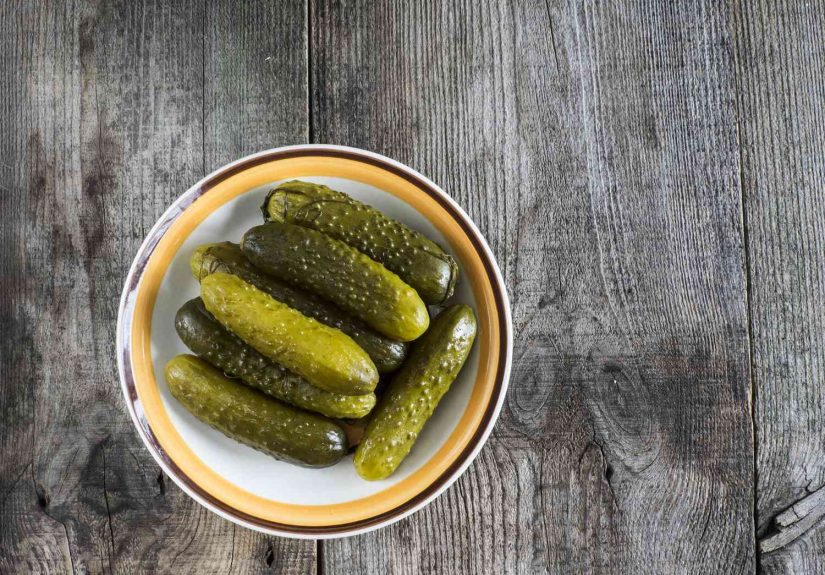
Picture this: you’re at a tiny French bistro, there’s a slab of pâté on your plate, a smear of strong mustard, and a few tiny, tangy green pickles that somehow steal the entire show. Those little flavor grenades are
cornichons classic French pickled gherkins and the good news is you can absolutely make them at home.
This classic French cornichon pickles recipe walks you through everything: choosing the right cucumbers, making a brine that’s both safe and delicious, and packing your jars so they stay crisp, snappy, and unapologetically sour. Along the way,
we’ll sprinkle in practical tips from tested pickling guidelines and tried-and-true cornichon recipes, so you get restaurant-level results without needing a French grandma on speed dial.
What Exactly Are French Cornichons?
Cornichons are tiny pickled cucumbers usually 1–2 inches long that are picked very young, then brined in a sharp vinegar solution seasoned with herbs and spices like tarragon, mustard seeds, peppercorns, bay leaves, and onions.
Unlike big deli pickles that are sometimes mild or even sweet, traditional French cornichons are:
- Very tart: They rely on high-acid vinegar, not a ton of sugar.
- Highly aromatic: Think whiffs of tarragon, garlic, and bay leaf when you crack the jar.
- Extra crunchy: Small cucumbers + salt pre-soak = maximum snap.
- Meant for pairing: They shine next to charcuterie, pâté, cheese boards, smoked fish, and rich meats.
In France, cornichons are more than a side garnish they’re almost a condiment, offering a bright, acidic contrast to buttery, fatty dishes. You’ll also see them chopped into sauces like sauce gribiche or remoulade.
Key Ingredients for Classic French Cornichons
Here’s a flexible, French-inspired ingredient list for about 2 pounds of baby cucumbers. You can scale up or down as needed.
Cucumbers
- 2 pounds very small cucumbers (gherkin type), about 1–2 inches long
Look for firm, unwrinkled cucumbers with thin skins often sold as pickling cucumbers or gherkins. The smaller they are, the more “classic cornichon” the final pickle will feel.
Pre-Salting
- 1/4 cup kosher or pickling salt (for drawing out moisture)
The salt helps keep the pickles crisp by drawing out excess water and lightly seasoning the cucumbers before the vinegar brine hits them.
Brine
- 2 cups 5% white wine vinegar or distilled white vinegar
- 2 cups water
- 1 1/2 tablespoons pickling or kosher salt
- 1 teaspoon sugar (optional, for balance but not sweetness)
A 50/50 blend of vinegar and water using vinegar with at least 5% acidity gives you bright flavor while staying within common safety recommendations for quick pickles and many tested canning recipes.
Aromatics & Spices
- 8–10 small pearl onions or cocktail onions, peeled
- 3–4 cloves garlic, peeled and halved
- 2–3 fresh tarragon sprigs (or 1 teaspoon dried)
- 2 bay leaves, broken in half
- 2 teaspoons yellow mustard seeds
- 1 teaspoon black peppercorns
- 6–8 whole cloves (optional, for a warm spice note)
- 1 teaspoon fresh dill (optional, less traditional but delicious)
French-style cornichon recipes commonly mix onions, tarragon, mustard seeds, bay leaves, peppercorns, and sometimes cloves or coriander, giving the pickles their signature herbal, slightly floral flavor.
Step-by-Step: How to Make Classic French Cornichons
Step 1: Prep the Cucumbers
- Rinse the cucumbers thoroughly under cool water and gently scrub off any dirt or prickles.
- Trim just the blossom end if present (that’s the end that once had a flower attached). The blossom end contains enzymes that can soften pickles over time, so trimming it off improves crunch.
- Place cucumbers in a large bowl, sprinkle with the 1/4 cup of salt, toss, and cover. Let them sit in the fridge for 4–12 hours, stirring once or twice. This draws out water and firms the texture.
When the salting time is up, rinse the cucumbers well under cold water and pat them dry with clean towels.
Step 2: Sterilize the Jars
- Wash your canning jars, lids, and rings in hot, soapy water and rinse well.
- To be extra safe, simmer the jars in hot water or run them through a dishwasher on a hot cycle while you prepare the brine. Always follow up-to-date home-canning guidelines from trusted extension or USDA sources if you want shelf-stable pickles.
Step 3: Make the Brine
- In a nonreactive pot, combine vinegar, water, pickling salt, and sugar (if using).
- Bring the mixture to a gentle boil, stirring until the salt and sugar dissolve.
- Once dissolved, reduce the heat to a low simmer while you pack the jars.
The idea is to pour the brine over the cucumbers while it’s still very hot, which helps distribute flavors evenly and improves the seal if you’re water-bath canning.
Step 4: Pack the Jars
- Divide the onions, garlic, tarragon, bay leaves, mustard seeds, peppercorns, cloves, and dill (if using) among your jars.
- Pack the cucumbers vertically, fitting them snugly but not crushing them. Think “tightly organized subway crowd,” not “trash compactor.”
- Carefully pour the hot brine into the jars, leaving about 1/2 inch of headspace at the top. Use a clean utensil to release any trapped air bubbles by sliding it down the side of the jar.
Step 5: Choose Your Storage Method
Refrigerator Cornichons (Easiest Option)
- Wipe the rims of the jars clean and add the lids and rings.
- Let the jars cool to room temperature, then refrigerate.
- Let them pickle for at least 3–5 days before eating; the flavor continues to deepen over the next 1–3 weeks.
This quick-pickle approach is simple and great if you’ll eat the cornichons within a couple of months and have refrigerator space.
Water-Bath Canned Cornichons (Shelf Stable)
If you want your cornichons shelf-stable at room temperature, they must be processed using a tested recipe that specifies vinegar strength, vegetable amounts, and processing times.
- After filling jars with hot brine, wipe rims and apply lids and rings.
- Process in a boiling water bath according to a reliable, tested pickle recipe that matches your jar size and ingredients.
- When processing is complete, let the jars cool undisturbed. Check that the lids have sealed (they should not flex up and down in the center).
- Store sealed jars in a cool, dark place. Refrigerate any jar that does not seal properly.
Because acidity is crucial for safety, don’t improvise large changes in vinegar type, water ratio, or vegetable volume if you’re canning for shelf storage.
Tips for Perfect Cornichons Every Time
1. Respect the Vinegar Ratio
Home pickling experts recommend keeping the brine at least 50% 5% vinegar, especially when you’re not fermenting but using a straight vinegar brine, as we are here.
2. Only Use Food-Safe Vinegars
Choose vinegar labeled for culinary use at 5% acidity such as distilled white, white wine, or cider vinegar. Avoid “cleaning vinegar” (often up to 25% acidity) and homemade vinegars with unknown acidity.
3. Keep It Crisp
- Start with very fresh cucumbers.
- Use the pre-salting step to pull out water.
- Trim the blossom end to reduce softening enzymes.
- Don’t overprocess jars if canning follow tested times only.
4. Flavor Variations (Still “French-ish”)
- Add a few slices of hot chili for a spicy twist.
- Swap some white wine vinegar for red wine vinegar for a deeper, slightly fruity tang (the color will be darker but still beautiful).
- Play gently with herbs: thyme, more dill, or a little fresh parsley can join the tarragon.
How to Serve Classic French Cornichons
Once your cornichons are ready, they become the friend who shows up to every party and makes the cheese board look instantly fancier. Try them:
- Next to pâté, rillettes, or cured meats on a charcuterie board.
- On cheese boards with soft-ripened cheeses, aged Gruyère, or blue cheese.
- Chopped into potato salad or egg salad for extra brightness.
- As a garnish for burgers, sandwiches, croque-monsieur, or grilled sausages.
- Finely diced into homemade tartar sauce, remoulade, or sauce gribiche.
Because they’re so sharply acidic, even one or two cornichons on the plate can balance a rich, buttery main dish like adding a squeeze of lemon, but crunchier.
Common Questions About Cornichon Pickles
How long do homemade cornichons last?
In the fridge, quick-pickled cornichons typically keep their best texture for around 1–2 months, often longer if they stay submerged and you always use a clean utensil to remove them. Canned, properly processed pickles made with a tested recipe can last a year or more in a cool, dark pantry, though quality is best within the first year.
Can I use regular slicing cucumbers?
You can, but the result won’t be a true petite cornichon. Slicing cucumbers have more seeds and water and can turn softer. If that’s what you have, slice them into spears or chunks and accept that they’ll be more like “French-inspired pickles” than classic cornichons.
Do I have to use tarragon?
Tarragon is a signature herb in many French recipes for cornichons, giving a subtle anise-like note that feels very bistro-chic. If you’re not a fan, you can reduce it or replace it with dill or thyme you’ll lose a bit of “classic” character, but you’ll still have excellent homemade pickles.
Extra : Real-World Cornichon Experiences & Ideas
Making your first batch of classic French cornichon pickles feels a bit like hosting a tiny culinary science project in your kitchen. There’s the lineup of jars, the tangy fragrance of simmering vinegar, and that moment when you pour the hot brine over perfectly stacked cucumbers and hear them gently crackle. It’s oddly satisfying and dangerously habit-forming.
One of the most common “aha!” moments people have with cornichons is realizing just how much they can transform simple, everyday food. Imagine a grilled cheese sandwich: good bread, melty cheese, maybe some butter brushed on the outside. It’s already great. Now add a few chopped cornichons inside the sandwich or serve them on the side. Suddenly you get little bursts of acid and crunch between bites of rich cheese, and the whole thing feels like you snuck into a Paris café during your lunch break.
Another great cornichon experience happens at the charcuterie board level. If you’ve ever put out meat and cheese for friends and felt like something is missing, it was probably acid. You can pile up all the salami and Brie in the world, but without something sharp and bright, everything starts to taste heavy. A small bowl of cornichons solves this instantly. Guests will “just try one” and then keep coming back, because the pickles reset their palate and make the next bite of cheese taste as exciting as the first.
Cornichons are also fantastic for “leftover makeover” nights. That roast chicken that’s a little dry on day two? Slice it up, toss it with a spoonful of mayo, some chopped cornichons, a little mustard, and fresh herbs, and suddenly you’ve got a chicken salad that tastes like it came from a fancy deli instead of your fridge. The briny bite cuts through any heaviness and brings the whole dish back to life.
If you like playing with textures, try adding cornichons to warm dishes right before serving. For example, stir a handful of chopped cornichons and fresh parsley into warm boiled potatoes with olive oil or butter. They add tiny pockets of crunch and brightness that make the potatoes feel far more complex than the five minutes of effort you actually put in.
On the more “cook’s reward” side, there’s the simple pleasure of snacking straight from the jar while you’re making dinner. You’re stirring a pot, waiting for water to boil, or standing around while something bakes a quick cornichon or two is the perfect bite: salty, tangy, crunchy, and just enough to keep you out of the chip bag. They’re also low in calories, which is a nice bonus when you’re taste-testing your way through an evening of cooking.
People who fall in love with cornichons often end up customizing each batch. One jar might lean extra herby, with more tarragon and a few sprigs of thyme. Another jar might get a slice or two of fresh chili for heat. You might even make a “party jar” with mixed small vegetables tiny carrots, pearl onions, and cauliflower florets tucked in among the cucumbers all sharing the same bracing French-style brine. As long as you keep the vinegar ratio and safety rules intact, you can experiment with herbs and add-ins to build your own house style.
Perhaps the most rewarding part of the whole cornichon journey is opening a jar you made several weeks ago. The brine has turned slightly more golden from the herbs and spices, the flavors have settled and deepened, and the cucumbers have transformed into those tiny, sharp, intensely flavored pickles that feel like a secret handshake with French cuisine. Serve them proudly with pâté, cheese, roast meats, or just a hunk of good bread and enjoy the fact that you’ve captured a little bit of bistro magic in a jar.






 Close
Close