
Table of Contents >> Show >> Hide
Chicken recipes are the Swiss Army knife of home cooking. They can be quick, cozy, crispy, saucy, smoky, spicy, creamy, or gloriously simple with just salt, pepper, and a hot oven. One night, chicken becomes a skillet dinner with lemon and garlic. The next, it shows up as a tray of sticky thighs, a roast bird with crackly skin, or a soup that could cure a bad day faster than a motivational poster ever could.
That is exactly why chicken remains such a kitchen MVP in American homes. It works for busy weeknights, casual Sunday dinners, meal prep, family gatherings, and those mysterious evenings when everyone is hungry but nobody agrees on what sounds good. The real magic is not just that chicken is versatile. It is that a few smart techniques can make even a basic recipe taste like you secretly attended culinary school and just forgot to tell anyone.
In this guide, we are digging into what makes great chicken recipes actually work. You will find practical cooking advice, flavor-building ideas, common mistakes to avoid, and a lineup of recipe styles worth putting into regular rotation. Whether you love baked chicken recipes, easy chicken dinners, juicy chicken breasts, or crispy chicken thighs, this article is built to help you cook smarter, tastier, and with a lot less kitchen drama.
Why Chicken Recipes Never Go Out of Style
Chicken earns its spot on so many menus because it plays well with almost every flavor profile. It can lean Mediterranean with lemon, olive oil, and oregano. It can go Southern with buttermilk and a crunchy crust. It can head toward comfort food with cream sauce and mushrooms, or get weeknight-practical with sheet-pan vegetables and pantry spices. In short, chicken is the overachiever of the protein aisle.
It also offers flexibility by cut. Chicken breasts are lean and quick-cooking. Thighs bring richer flavor and tend to stay juicy more easily. Drumsticks are budget-friendly and kid-approved. A whole chicken can become dinner on day one and soup or sandwiches the day after. That is not just efficient cooking. That is grocery-list strategy with a cape on.
Essential Rules for Better Chicken Every Time
1. Match the Cut to the Recipe
If you want speed, go with boneless chicken breasts or cutlets. If you want flavor insurance, choose thighs. For a dramatic centerpiece, roast a whole chicken. When people say their chicken recipe did not turn out, the issue is often not the seasoning. It is that the cut and cooking method were not built for each other.
2. Season Earlier Than Feels Necessary
Chicken likes seasoning. A lot. Salt ahead of time if possible, especially for roast chicken or bone-in pieces. Add acid, herbs, garlic, yogurt, mustard, soy sauce, paprika, or honey depending on the direction you want to go. Bland chicken is rarely a mystery. It is usually just a seasoning problem wearing a fake mustache.
3. Dry the Surface for Better Browning
Pat the chicken dry before roasting, pan-searing, or grilling. Moisture on the outside creates steam, and steam is the enemy of golden skin. If your dream is crispy chicken, a paper towel is not optional. It is your opening act.
4. Do Not Overcook It
The difference between juicy and disappointing chicken can be just a few minutes. An instant-read thermometer is one of the best small kitchen tools you can own. It saves dinner, your mood, and the reputation of chicken everywhere.
5. Let It Rest
Resting chicken after cooking helps the juices redistribute instead of spilling out the second you cut into it. It is a boring tip, which is exactly why people ignore it, and then wonder why their cutting board looks like a puddle.
7 Chicken Recipe Styles Worth Making Again and Again
Classic Roast Chicken
A classic roast chicken is still one of the smartest recipes to master. Rub a whole bird with oil or softened butter, season it generously, and roast it with aromatics like garlic, onion, lemon, and herbs. The goal is crispy skin, juicy meat, and pan drippings so good they deserve their own fan club. Pair it with carrots, potatoes, or a simple green salad and suddenly an ordinary evening looks suspiciously elegant.
Roast chicken also wins on leftovers. Slice the breast meat for sandwiches, shred the dark meat for tacos or soup, and save the bones for stock. One chicken can turn into multiple meals, which is the culinary version of getting bonus levels without paying extra.
Sheet-Pan Chicken Dinners
If convenience had a mascot, it would be the sheet-pan chicken dinner. Toss chicken thighs or breasts with vegetables like potatoes, Brussels sprouts, carrots, or bell peppers. Add olive oil, salt, pepper, and a flavor booster such as Dijon, balsamic vinegar, Italian seasoning, smoked paprika, or lemon zest. Spread everything out and roast.
The beauty here is balance. The chicken juices flavor the vegetables while the vegetables become the side dish. You dirty one pan, get a complete meal, and feel weirdly accomplished for someone who mostly just arranged things flat in an oven. That is efficiency with charm.
Skillet Chicken with Pan Sauce
For a dinner that feels restaurant-ish without requiring candlelight or a culinary degree, skillet chicken with pan sauce is hard to beat. Sear seasoned chicken cutlets or thighs until browned, then build a fast sauce in the same pan with shallots, garlic, broth, lemon juice, mustard, cream, or butter. The browned bits at the bottom are flavor gold. Do not scrub them away. Use them.
This technique works with dozens of variations. Mushroom pan sauce feels cozy. Lemon-caper sauce feels bright. Garlic cream sauce feels like a decision you will not regret until you remember leftovers are not breathing exercises. Serve with rice, mashed potatoes, or crusty bread.
Grilled Chicken Recipes
Grilled chicken is summer’s greatest edible confidence trick. Done badly, it is dry and forgettable. Done well, it is smoky, juicy, and exactly the thing people hover around before dinner is officially ready. Marinades are especially useful here. Think yogurt and spices, honey-mustard, soy-ginger, garlic-herb, or citrus-pepper combinations.
Boneless thighs are especially forgiving on the grill, but chicken breasts can also be excellent if they are not cooked like punishment. Pound thick breasts to an even thickness, marinate them, and pull them the moment they are done. Then slice and serve with salads, wraps, pasta, or grilled corn.
Baked Chicken Thighs
Chicken thighs are the reliable friend of the poultry world. They bring more fat, more flavor, and more forgiveness than chicken breasts. Bake them at a fairly high temperature with simple seasoning, or coat them in a glaze made from honey, soy sauce, garlic, and chili flakes for a sticky, savory finish.
They work beautifully in one-pan meals, rice bakes, and weeknight dinners where nobody wants to babysit a skillet. If you are cooking for people who claim they are “not excited about chicken,” this is often the cut that changes their mind.
Comforting Chicken Casseroles and Bakes
There is a reason casseroles keep coming back. They are practical, satisfying, and built for real life. Shredded chicken can become enchilada casserole, chicken and rice bake, chicken pot pie filling, or a cheesy pasta casserole with vegetables folded in for virtue. These recipes are especially helpful when you have leftover chicken and not much patience.
The trick is to avoid making them too heavy or too bland. Add contrast with herbs, mustard, roasted vegetables, a crunchy topping, or a bright finish like parsley and lemon. Good casseroles should feel comforting, not like you accidentally baked an entire beige mood.
Chicken Soup, Stew, and Braises
When the weather is bad, your schedule is worse, or the group chat is somehow discussing taxes again, chicken soup and braises come to the rescue. Bone-in chicken simmered with vegetables, stock, herbs, and aromatics creates deep flavor with relatively little hands-on effort. Braised thighs with onions, cider, tomatoes, beans, or greens can taste like they spent all day in a countryside kitchen, even if you made them while answering emails.
These recipes are ideal for building comfort and stretching ingredients. They also reheat beautifully, which means tomorrow’s lunch gets to feel smug.
How to Build Flavor Without Overcomplicating Things
The best chicken recipes do not necessarily use a mile-long ingredient list. They use contrast. Salt and acid. Fat and herbs. Sweetness and heat. Crunch and tenderness. That is what turns a plain chicken dinner into something people actually remember.
Here are a few combinations that work again and again:
- Lemon, garlic, and herbs: bright, classic, and excellent for roast or grilled chicken.
- Honey, mustard, and thyme: sweet-savory and easy to love.
- Soy sauce, ginger, and brown sugar: quick, bold, and ideal for thighs or skewers.
- Buttermilk and spices: a great starting point for fried or oven-fried chicken.
- Tomatoes, olives, and capers: salty, punchy, and perfect for braised dishes.
- Butter, shallots, and white wine or broth: a fast route to an excellent pan sauce.
In other words, you do not need twenty ingredients. You need a plan.
Common Chicken Recipe Mistakes to Avoid
Using Boneless Breasts for Everything
Chicken breasts are useful, but they are not the answer to every recipe. Thighs may give better flavor and texture for roasting, braising, and grilling. Use the cut that suits the method instead of forcing every dinner into the same shape.
Crowding the Pan
If chicken pieces are packed too closely together, they steam instead of brown. Leave room between pieces whether you are roasting or searing. Chicken likes personal space, and frankly, so do roasted vegetables.
Skipping Acid or Freshness
Rich chicken dishes often need lemon juice, vinegar, fresh herbs, or even a spoonful of yogurt-based sauce to wake everything up. Without that contrast, the meal can taste flat, even if the seasoning is technically correct.
Ignoring Texture
A great chicken recipe is rarely only about flavor. Crisp skin, toasted breadcrumbs, crunchy slaw, roasted vegetables, or fresh greens make a meal feel complete. Soft chicken with soft sauce and soft sides can get sleepy fast.
Real-Life Experiences With Chicken Recipes
One of the most interesting things about chicken recipes is how they tend to grow with the cook. Beginners often start with chicken because it feels safe and familiar, but over time it becomes the ingredient that teaches confidence. The first experience is usually cautious: checking the oven every five minutes, rereading the recipe three times, and asking the chicken to please cooperate. Then something clicks. Maybe it is the moment a roast chicken comes out with golden skin. Maybe it is the first time a quick pan sauce tastes genuinely balanced. Suddenly chicken stops feeling basic and starts feeling full of possibility.
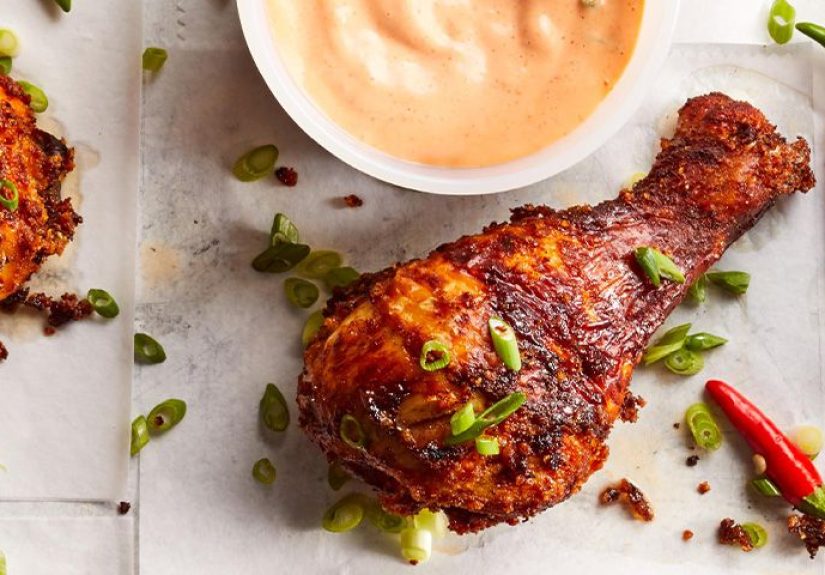
Many home cooks also have a memory attached to a favorite chicken dish. It might be a tray of baked drumsticks at a family dinner, a pot of chicken soup when someone in the house was sick, or grilled chicken at a summer cookout where half the joy came from the smell drifting through the yard. Chicken recipes often carry a kind of low-key nostalgia. They are not always flashy, but they show up in the moments that matter.
Another common experience is discovering that small technique changes make a big difference. Patting the skin dry. Salting earlier. Letting the meat rest. Using thighs instead of breasts in a dish that needs extra forgiveness. These are not dramatic changes, yet they can completely improve the result. That is why chicken is such a great teacher. It rewards attention without demanding perfection.
There is also the experience of realizing just how adaptable chicken can be to real life. A whole roast chicken may feel like a weekend project, but it can transform into weekday lunches, quesadillas, salad toppers, soup, or pasta. A batch of shredded chicken can save dinner on a chaotic Tuesday. Leftover grilled chicken can become wraps, grain bowls, or tacos. Once people discover that chicken is not just a single meal but a starting point, the ingredient becomes much more valuable.
Of course, there are some universal chicken mishaps too. Almost everyone has overcooked a chicken breast at least once and then chewed through dinner like it was edible determination. Many people have under-seasoned a tray of baked chicken and tried to fix it later with sauce. Others have learned the hard way that skin will never crisp properly if the pan is overcrowded. Oddly enough, those failures are useful. They build instincts. After a few not-so-glorious attempts, cooks start to recognize the signs: when the pan is too cool, when the marinade is too sweet, when the bird needs five more minutes, and when it definitely does not.
Perhaps that is why chicken recipes stick around for life. They are practical, yes, but they are also personal. They meet people where they are. They can be quick when life is busy, cozy when comfort is needed, and impressive when company is coming. They can be simple enough for a beginner and nuanced enough for someone who loves technique. And unlike trend-driven foods that burn bright and disappear, chicken recipes keep proving their value one dinner at a time.
In the end, the best experience with chicken recipes is not about mastering one perfect dish. It is about learning how to build many good ones with confidence. Once you understand the basics, chicken stops being “just chicken” and starts becoming one of the most useful, flexible, and genuinely satisfying ingredients in your kitchen.
Conclusion
The best chicken recipes are not complicated. They are thoughtful. Choose the right cut, season it well, cook it with care, and build in enough contrast to keep every bite interesting. From roast chicken and skillet meals to grilled favorites, casseroles, soups, and baked thighs, chicken gives home cooks an incredible range of options without demanding fancy ingredients or restaurant-level stress.
If you want your chicken dinners to improve, start with simple technique and repeatable flavor combinations. The payoff is huge: juicier meat, better texture, more reliable results, and meals that people actually request again. That is a pretty strong résumé for one ingredient.






 Close
Close