
Table of Contents >> Show >> Hide
- What Is a Cast Trestle Dining Table?
- Why the Trestle Design Still Works So Well
- Materials: Why Wood and Metal Make Such a Strong Pair
- Cast Trestle Dining Table Sizes: What Fits Your Space?
- Best Interior Styles for a Cast Trestle Dining Table
- How to Style a Cast Trestle Dining Table
- Care and Maintenance Tips
- Pros and Cons of a Cast Trestle Dining Table
- Buying Guide: What to Check Before You Purchase
- Experience Section: Living With a Cast Trestle Dining Table
- Conclusion
A dining table has one job on paper: hold plates. In real life, it becomes the family command center, homework headquarters, birthday-cake runway, laptop desk, puzzle battlefield, snack airport, and occasional place where someone asks, “Who moved my charger?” That is exactly why the Cast Trestle Dining Table has become such an interesting piece for homeowners who want more than a flat surface with legs.
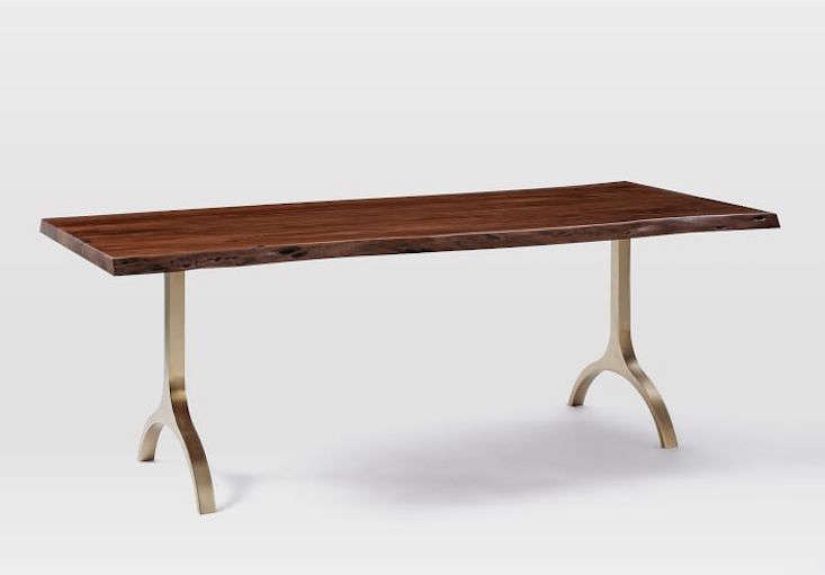
The name “Cast Trestle Dining Table” is most often associated with a modern rustic dining table style featuring a solid wood top, live-edge character, and sculptural trestle-style metal legs. It blends the warmth of natural wood with the strength and visual drama of a cast-metal base. In plain English: it looks like it belongs in a stylish dining room, but it can still handle taco night without asking for emotional support.
This guide explores what makes a cast trestle table special, how it compares with other dining table styles, what to look for before buying one, how to style it, and how to keep it looking handsome after years of meals, coffee cups, and “I’ll just set this here for a second” moments.
What Is a Cast Trestle Dining Table?
A cast trestle dining table is a dining table that combines two major design ideas: a trestle base and cast or metal-inspired support legs. A traditional trestle table uses two or more supports connected by a horizontal beam instead of four separate corner legs. This design has been around for centuries because it is practical, stable, and surprisingly comfortable for seating groups.
The “cast” part usually refers to the look or construction of the table base. Many cast trestle tables use metal legs, often shaped in a wishbone, X-frame, A-frame, or sculptural architectural form. The result is a dining table that feels sturdy, modern, and slightly industrial, while the wood top keeps the room warm and inviting.
The Key Design Elements
Most cast trestle dining tables include several recognizable features:
- Solid wood or wood-look tabletop: Acacia, oak, walnut, mango wood, and reclaimed wood are common choices.
- Trestle-style base: Instead of four corner legs, the support is centered or placed inward, creating more flexible seating.
- Metal or cast-metal legs: These provide strength and a bold design statement.
- Live-edge or organic details: Some versions feature natural edges, grain variation, knots, and color movement.
- Rustic-modern personality: The table can work in farmhouse, industrial, transitional, modern, and even minimalist spaces.
The magic is in the contrast. Wood says, “Come in, relax.” Metal says, “I am structurally serious.” Together, they create a dining table that feels both grounded and stylish.
Why the Trestle Design Still Works So Well
Some furniture designs age like milk. The trestle table ages like a good cast-iron skillet: useful, durable, and somehow better with character. The reason is simple. A trestle base solves several everyday dining problems at once.
More Legroom for Real Humans
Four-legged tables are classic, but they often create awkward seating at the corners. Someone always ends up negotiating with a table leg like it is a tiny wooden landlord. A trestle dining table moves the support structure inward, giving guests more freedom to slide chairs around and sit comfortably.
This is especially useful if you like benches. A bench pairs naturally with a trestle base because there are fewer corner obstacles. You can tuck the bench under the table, seat more people when needed, and maintain a clean visual line in the dining room.
Better Stability for Long Tabletops
A long dining table needs strong support. A trestle base distributes weight across wider supports, which can help reduce wobbling and sagging when compared with poorly built leg tables. This matters if the tabletop is thick, heavy, or made from solid wood.
For a cast trestle table, metal legs add another layer of confidence. The base is not just decorative; it visually anchors the room and physically supports the table. That combination is one reason this style is popular in homes where the dining area gets used daily.
Flexible Seating for Families and Entertaining
A cast trestle dining table can feel formal enough for a holiday meal and casual enough for Tuesday pasta. Depending on size, many models comfortably seat six to eight people. Larger versions can host family gatherings, dinner parties, or that one friend who brings three side dishes and somehow still forgets serving spoons.
Materials: Why Wood and Metal Make Such a Strong Pair
The appeal of a wood and metal trestle dining table comes from balance. Wood brings texture, warmth, and natural variation. Metal brings structure, contrast, and an industrial edge. The combination works because neither material has to do all the talking.
Solid Wood Tabletops
Solid wood dining tables remain popular because they feel authentic. Each board has grain patterns, color shifts, and small natural marks that make the table unique. Acacia wood, for example, is often admired for its dramatic grain, rich color, and durability. Oak gives a classic American look. Walnut feels refined and upscale. Mango wood can bring rustic charm at a more approachable price point.
A live-edge tabletop goes even further by preserving the natural outline of the wood slab. This gives the table an organic shape instead of a perfectly straight factory edge. The look is beautiful, but it also means no two tables are exactly identical. For people who like personality in furniture, that is the fun part. For people who need every line to be perfectly symmetrical, it may be time to take a deep breath and meet nature halfway.
Metal or Cast-Inspired Bases
Metal trestle legs add strength and visual definition. Antique brass, blackened steel, bronze, iron, and matte metal finishes are all common in this category. A wishbone or sculptural base can soften the industrial feel, while straight black metal legs lean more modern.
The base finish matters because it affects the entire mood of the dining room. Antique brass feels warmer and more decorative. Black metal feels bold and contemporary. Bronze feels artisanal and elevated. Silver or brushed metal can make the table look cleaner and more modern.
Cast Trestle Dining Table Sizes: What Fits Your Space?
Before falling in love with a dining table, measure your room. This is the furniture version of checking the weather before wearing suede boots. Beautiful table, wrong size? Suddenly your dining room feels like a furniture obstacle course.
Common Size Guidelines
A rectangular table around 68 inches long typically seats six people comfortably. A larger version around 84 to 86 inches can often seat eight, depending on chair width and table design. The most comfortable dining table height is usually around 30 inches, which works with standard dining chairs.
For walking space, try to leave at least 36 inches between the table edge and walls or nearby furniture. If people need to pass behind seated guests, 42 to 48 inches is even better. Nobody wants to perform a sideways crab walk while carrying soup.
Choosing Between a 6-Seater and an 8-Seater
If your dining room is compact, a six-seat cast trestle dining table may be the sweet spot. It gives you enough room for family meals without swallowing the space. If you entertain often or have an open dining area, an eight-seat table can make the room feel more generous and complete.
When in doubt, use painter’s tape on the floor to outline the table dimensions. Add chairs to the imaginary layout. Walk around it. Pretend to serve dinner. Yes, you may look dramatic, but you will avoid buying a table that makes your room feel like a crowded café at brunch.
Best Interior Styles for a Cast Trestle Dining Table
The Cast Trestle Dining Table is versatile because it sits between rustic and modern design. It has enough natural texture for cozy rooms and enough sculptural presence for polished interiors.
Modern Farmhouse
Pair the table with woven chairs, linen napkins, a neutral rug, and black or brass lighting. The wood top gives warmth, while the metal base prevents the room from feeling too country. Add a simple ceramic vase and you have a dining room that says, “Yes, I bake bread,” even if the bread came from a grocery store.
Industrial Dining Room
For an industrial look, choose chairs with metal frames, leather seats, or matte black finishes. Exposed bulbs, concrete floors, brick walls, and open shelving all pair well with a cast trestle base. Keep the tabletop decor minimal so the materials can shine.
Transitional Home
Transitional spaces combine traditional comfort with cleaner modern lines. A cast trestle table fits perfectly here. Try upholstered dining chairs at the ends and simpler wood or metal chairs along the sides. This creates a layered look without making the room feel too matched.
Organic Modern
Organic modern design loves natural materials, curved shapes, and calm colors. A live-edge trestle table can become the centerpiece. Add boucle chairs, warm white walls, soft lighting, and a low centerpiece with greenery. The result feels peaceful, but not boring.
How to Style a Cast Trestle Dining Table
A table this expressive does not need a circus on top of it. In fact, the best styling often lets the wood grain and base design remain the stars.
Choose the Right Chairs
Because a cast trestle dining table often has a bold base, chairs should complement rather than compete. Slim chairs work well if the base is sculptural. Upholstered chairs soften the look. Wooden chairs create a warm, coordinated feel. A bench on one side adds casual charm and makes seating more flexible.
For a balanced look, consider contrast. If the table has a heavy rustic top, use lighter chairs. If the base is dark and industrial, try warm wood chairs or neutral upholstery to soften the mood.
Use Lighting as the Finishing Touch
A chandelier or pendant light above the table helps define the dining area. Linear chandeliers work beautifully over rectangular trestle tables. Globe pendants add softness. Metal fixtures can echo the table base, while woven or fabric shades can warm up the room.
Hang the light low enough to feel connected to the table but high enough that guests can see each other. A good dining room should encourage conversation, not make everyone duck like they are entering a secret tunnel.
Keep Centerpieces Simple
Try a long wooden bowl, a row of small vases, seasonal greenery, or a simple ceramic vessel. Avoid centerpieces so tall that guests have to talk around them like they are negotiating through a hedge.
Care and Maintenance Tips
A solid wood trestle dining table can last for many years, but it needs reasonable care. You do not have to treat it like a museum artifact, but you also should not use it as a cutting board unless chaos is your interior design style.
Daily Cleaning
Wipe the table with a soft, slightly damp cloth after meals. Dry it right away to prevent moisture from sitting on the surface. Avoid harsh chemical cleaners unless the manufacturer specifically recommends them. A mild wood-safe cleaner is usually enough.
Protect Against Heat and Moisture
Use coasters for drinks and trivets for hot dishes. Water rings and heat marks are common problems with wood tables, especially when people assume “just for a minute” is a valid protection strategy. It is not. The table remembers.
Manage Indoor Humidity
Wood expands and contracts as humidity changes. Keeping your dining room in a stable humidity range helps reduce cracking, warping, and gaps. This is especially important for solid wood and live-edge tables.
Check the Base and Hardware
Metal trestle legs are strong, but screws and bolts can loosen slightly over time with regular use. Check the hardware occasionally and tighten it if needed. This simple habit can help prevent wobbling and extend the life of the table.
Pros and Cons of a Cast Trestle Dining Table
Pros
- Excellent visual impact: The combination of wood and metal creates a strong design statement.
- More flexible seating: Inset legs make it easier to fit chairs or benches.
- Stable structure: A trestle base supports long tabletops well.
- Works with many styles: Rustic, modern, farmhouse, industrial, and transitional rooms can all use it.
- Natural character: Wood grain and live-edge details make each table feel unique.
Cons
- Heavy construction: Solid wood and metal are not exactly featherweight roommates.
- Natural variation: Live-edge tops may not look perfectly uniform.
- Maintenance required: Wood needs protection from heat, moisture, and scratches.
- Bold base design: The look may feel too strong for very delicate interiors.
- Room size matters: Larger trestle tables need enough clearance to feel comfortable.
Buying Guide: What to Check Before You Purchase
A cast trestle dining table is a meaningful furniture investment. Before clicking “add to cart” with the confidence of someone who has not measured anything, check these details.
1. Table Dimensions
Confirm length, width, height, tabletop thickness, and clearance under the table. Clearance matters because trestle bases may sit differently than four-leg tables. Make sure your chairs can slide in comfortably.
2. Material Quality
Look for solid wood if durability and natural beauty are priorities. Veneer or engineered wood can still be attractive, but it may not offer the same long-term refinishing potential. For the base, check whether the legs are solid metal, cast metal, powder-coated steel, iron, or another material.
3. Finish and Color
Wood finishes can look different under natural and artificial light. A burnished amber or warm brown finish can make a room feel cozy. A dark finish feels dramatic. A natural or light finish works well in airy modern spaces.
4. Seating Needs
Think about daily use first. If four people live in the home but you host often, a six-seat table may be enough with flexible chairs. If your dining room is the main gathering space, consider a larger table that seats eight.
5. Delivery and Assembly
Solid wood and metal tables can be heavy. Check delivery options, assembly requirements, stair access, and doorway measurements. A beautiful table stuck in the hallway is not a dining table. It is a very expensive traffic cone.
Experience Section: Living With a Cast Trestle Dining Table
The first thing you notice when living with a cast trestle dining table is that it changes the mood of the room immediately. It does not sit quietly in the corner like a shy side table. It has presence. The wood top draws attention with its grain, knots, and natural movement, while the metal trestle base gives the whole piece a confident, architectural shape.
In daily life, the biggest benefit is seating comfort. With no traditional corner legs fighting for knee space, guests can shift around more easily. This becomes obvious during long dinners, board games, or family gatherings where people keep pulling up one more chair. A bench also works beautifully with this style. It can slide underneath when not in use, making the dining area feel cleaner and more open.
Another real-life advantage is how forgiving the design can be. A cast trestle dining table with a natural wood top does not need to look perfect to look good. Tiny marks, slight color variation, and everyday wear can blend into the character of the piece. That does not mean you should ignore care, but it does mean the table can age gracefully. In a busy home, graceful aging is a gift. So is anything that survives spaghetti night.
Styling the table is also surprisingly easy. In one season, it can hold a simple vase with branches and look like it belongs in a design magazine. During the holidays, it can handle candles, garland, serving platters, and an alarming number of desserts. In spring, a linen runner and fresh flowers make it feel light. In fall, ceramic bowls, warm napkins, and brass accents bring out the richness of the wood.
The table also encourages people to gather. There is something about a substantial wood-and-metal dining table that makes meals feel more intentional. Even a basic dinner feels slightly upgraded. Takeout boxes become a “casual tablescape” if you squint. Coffee tastes better when the table is beautiful. Homework looks more official. Weekend pancakes become a family event instead of a syrup emergency.
Of course, living with this table also teaches a few lessons. First, coasters are not optional decorations; they are tiny shields. Second, hot pans belong on trivets, not directly on the wood. Third, heavy furniture should be placed thoughtfully because moving it every two weeks is a workout plan nobody requested. Finally, measure everything before buying: room size, chair width, doorway clearance, and the distance from the table to nearby walls.
For families, the cast trestle style feels especially practical. It is sturdy enough for everyday meals, flexible enough for gatherings, and attractive enough to make the dining room feel finished. For apartments or smaller homes, a 68-inch version can create a strong focal point without overwhelming the space. For larger homes, an 86-inch table can anchor an open-plan dining area and make entertaining easier.
The best part is that the table does not force one design identity. You can dress it up with upholstered chairs and a chandelier, or keep it relaxed with a bench and simple wood chairs. You can lean rustic, industrial, modern, or transitional. That flexibility makes the cast trestle dining table a smart choice for people whose style evolves over time. After all, your table should not panic every time you buy new curtains.
Conclusion
The Cast Trestle Dining Table is more than a place to eat. It is a design anchor, a practical gathering spot, and a strong example of how natural wood and metal can work together beautifully. Its trestle base offers comfort and stability, while its wood top adds warmth, texture, and character.
For homeowners who want a dining table that feels substantial without looking boring, this style is a strong contender. It suits everyday family meals, weekend entertaining, and rooms that need a centerpiece with personality. Choose the right size, protect the wood, pair it with thoughtful chairs and lighting, and the table can serve your home for years.
In short, a cast trestle dining table is the kind of furniture that earns its space. It looks good, works hard, and quietly makes dinner feel more like an occasioneven when dinner is reheated pizza and everyone is pretending that counts as meal planning.
Note: This article is written in original American English and synthesized from real furniture design, dining table sizing, solid wood care, and trestle table construction information for web publishing.







 Close
Close