
Table of Contents >> Show >> Hide
- Quick Answer: Can Birth Control Pills Work as Emergency Contraception?
- How Emergency Contraception Works
- What Is the Yuzpe Method?
- Is Taking Regular Birth Control as Emergency Contraception a Good Idea?
- Better Emergency Contraception Options
- Which Birth Control Pills Can Be Used and Which Cannot?
- When Should You Take It?
- Side Effects of Using Birth Control as Emergency Contraception
- How Effective Is It?
- What Should You Do After Taking Emergency Contraception?
- When to Take a Pregnancy Test
- When to Call a Healthcare Professional
- So, Should You Use Regular Birth Control Pills as Emergency Contraception?
- Experiences People Commonly Have With This Question
- Conclusion
Yes but with a giant asterisk, a blinking caution sign, and a friendly reminder not to play pharmacist roulette with an old pill pack at 11:47 p.m.
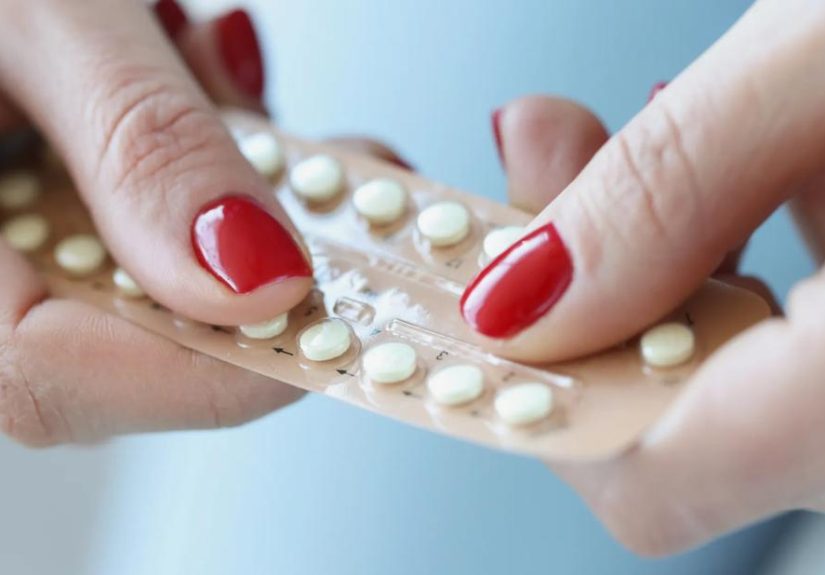
Certain combined birth control pills can be used as emergency contraception in a pinch. This approach is often called the Yuzpe method. It can help lower the chance of pregnancy after unprotected sex or birth control failure, but it is usually not the best option. Dedicated emergency contraception products, such as levonorgestrel morning-after pills, ulipristal acetate, or an IUD placed promptly by a clinician, are generally more effective and easier to use.
Still, real life happens. Condoms break. Pills get missed. A refill disappears into the mysterious void where socks and charging cables go. In those moments, many people wonder whether the regular birth control pills already sitting in the medicine cabinet can do double duty. The short answer is yes, some can. The smarter answer is yes, some can, but the exact type, dose, and timing matter a lot.
Quick Answer: Can Birth Control Pills Work as Emergency Contraception?
Yes, some combination birth control pills can be used as emergency contraception. These are pills that contain both estrogen and progestin. When taken in the right higher-dose schedule, they may help prevent pregnancy after unprotected sex.
But here is the important catch: not all birth control pills work for this purpose. The Yuzpe method is not a “just take a few extra and hope for the best” situation. Different brands contain different hormone combinations and strengths, so the number of pills needed varies. Some pills are not suitable at all.
That is why the safest move is to confirm the exact brand and dosing with a pharmacist, clinician, or trusted emergency contraception chart before using regular birth control pills this way.
How Emergency Contraception Works
Emergency contraception works mainly by preventing or delaying ovulation. In plain English: it tries to keep the ovary from releasing an egg. No egg, no meet-cute with sperm, no pregnancy.
It does not end an established pregnancy, and it is not the same thing as an abortion pill. That distinction matters because this topic is often surrounded by confusion, internet myths, and the kind of cousin-group-chat medical advice nobody asked for.
Emergency contraception also does not protect against sexually transmitted infections. If STI exposure is a concern, emergency contraception handles one problem, not the whole plot.
What Is the Yuzpe Method?
The Yuzpe regimen is a backup emergency contraception method that uses combined oral contraceptive pills. The standard hormone target is a dose of ethinyl estradiol plus levonorgestrel, followed by the same dose again 12 hours later. Because everyday pill packs come in different formulations, the number of tablets changes by brand.
That is why healthcare professionals usually say the same thing: do not guess. A correct Yuzpe dose depends on what is actually in your pill pack. Taking the wrong number of pills may leave you underdosed, overdosed, or just nauseated for no good reason.
The Yuzpe method is usually considered when:
- You need emergency contraception quickly.
- You do not have access to a dedicated morning-after pill right away.
- You have a qualifying pack of combination pills available.
- You can confirm the correct dosing from a reliable medical source.
Is Taking Regular Birth Control as Emergency Contraception a Good Idea?
It can be a reasonable backup, but it is usually not the first-choice option.
Why? Because compared with newer emergency contraception options, the Yuzpe method is typically:
- Less effective
- More likely to cause nausea and vomiting
- More complicated to dose correctly
So yes, it can work. But in the ranking of emergency contraception choices, it is more “useful emergency workaround” than “gold medal champion.” Think of it like using a butter knife as a screwdriver. Can it help in a pinch? Sometimes. Is it the ideal tool? Absolutely not.
Better Emergency Contraception Options
1. Levonorgestrel Morning-After Pills
These include well-known over-the-counter options like Plan B One-Step and generics. They work best when taken as soon as possible, especially within 72 hours, though they may still help up to 120 hours after unprotected sex.
These products are usually easier to use than the Yuzpe method because the dosing is already designed for emergency contraception. No math. No pill sorting. No staring at a blister pack like it is a logic puzzle.
2. Ulipristal Acetate (ella)
Ulipristal acetate, sold as ella, is a prescription emergency contraceptive pill that can be used up to five days after unprotected sex. It is often considered a stronger option than levonorgestrel later in that five-day window.
If you are between day 3 and day 5, this option may be more effective than a levonorgestrel pill. It may also be a better fit for some people with higher body weight.
3. A Copper IUD
If you want the most effective emergency contraception, ask about a copper IUD placed within five days of unprotected sex. It is not the fastest grab-and-go option, but it is the heavy hitter. It also gives you ongoing birth control after the emergency has passed.
Which Birth Control Pills Can Be Used and Which Cannot?
This is where people get tripped up.
Combined birth control pills may work for emergency contraception if they contain the right hormones in the right amounts.
Progestin-only pills used for everyday birth control are a different story. For example, a daily norgestrel mini-pill should not be used as emergency contraception. So if your plan is “I’ll just double up on my mini-pill and call it a day,” that is not a safe shortcut.
Also, not every combination pill is automatically appropriate. Some formulas contain different progestins, different estrogen doses, or nonstandard schedules. Translation: your friend’s pill pack and your pill pack are not interchangeable just because both live in tiny foil pockets.
When Should You Take It?
Emergency contraception works best the sooner you take it. That includes the Yuzpe method. Waiting until the next morning is not a requirement. The phrase “morning-after pill” has confused people for years, but you do not earn extra points for waiting until sunrise.
If you are using regular birth control pills as emergency contraception, they should be taken as soon as possible after unprotected sex. In general, emergency contraceptive pills are used within five days, but effectiveness drops with time, especially for some options.
Side Effects of Using Birth Control as Emergency Contraception
The most common side effect of the Yuzpe method is the one nobody invites to the party: nausea.
Because this method includes a relatively high estrogen dose, it is more likely to cause side effects than dedicated levonorgestrel emergency contraception. Possible side effects include:
- Nausea
- Vomiting
- Headache
- Dizziness
- Fatigue
- Breast tenderness
- Spotting or irregular bleeding
- A period that comes earlier or later than expected
If vomiting happens soon after taking emergency contraception, contact a pharmacist or clinician because you may need guidance about whether to repeat the dose. Taking the pills with food may help some people feel less queasy.
How Effective Is It?
The Yuzpe method can reduce the chance of pregnancy, but it is generally less effective than dedicated emergency contraception pills and less effective than an IUD used for emergency contraception.
That is why most experts treat it as a backup option rather than the preferred one. If you can get levonorgestrel, ulipristal, or a same-week IUD appointment, those options are usually more reliable.
Weight may also affect effectiveness. In some people with higher body weight or obesity, levonorgestrel emergency contraception may work less well, and a clinician may recommend ulipristal or an IUD instead. This is another reason not to rely on random internet advice from someone whose source is “trust me.”
What Should You Do After Taking Emergency Contraception?
After using emergency contraception, your next steps depend on which type you took.
If You Used Levonorgestrel or the Yuzpe Method
You can usually start or resume your regular birth control right away. However, you should use condoms or avoid sex for the next 7 days while your regular method becomes reliable again.
If You Used Ulipristal (ella)
You generally need to wait 5 days before starting or restarting hormonal birth control, because taking hormonal contraception too soon may reduce how well ella works. You should also use barrier protection for 7 days after restarting.
If that sounds annoyingly specific, it is because it is. Emergency contraception is one of those areas where details matter more than vibes.
When to Take a Pregnancy Test
If you do not get your period within about 3 weeks after taking emergency contraception, take a pregnancy test. You should also test sooner or contact a healthcare professional if you have symptoms that make pregnancy seem possible.
A late or weird period after emergency contraception is common, so try not to panic immediately. Bodies are dramatic. Hormones are even more dramatic. But if your period is clearly late, testing is the smart next step.
When to Call a Healthcare Professional
Get medical advice if:
- You are not sure whether your pill pack can be used for the Yuzpe method.
- You vomit soon after taking emergency contraception.
- You have severe abdominal pain.
- Your period is more than a week late or does not show up within 3 weeks.
- You want the most effective option and are interested in an IUD.
- You need help after sexual assault or coercion.
So, Should You Use Regular Birth Control Pills as Emergency Contraception?
Use them if you need to and they are the right kind but do not treat them as the gold standard.
If all you have is an appropriate pack of combination pills and reliable dosing instructions, the Yuzpe method can be a legitimate emergency contraception option. But if you have access to levonorgestrel emergency contraception, ulipristal, or a copper IUD, those are generally better choices.
The biggest takeaway is simple: emergency contraception is time-sensitive, dose-sensitive, and type-sensitive. Acting quickly helps. Guessing does not.
Experiences People Commonly Have With This Question
One reason this topic gets so much attention is that it usually comes up in a moment of stress. People are rarely asking, “Can I take birth control as emergency contraception?” while calmly drinking herbal tea and organizing tax receipts. Usually, it happens after a condom breaks, a pill pack is missed during a chaotic week, or someone suddenly realizes that the refill they meant to pick up is still sitting at the pharmacy.
A very common experience is the late-night panic search. Someone remembers hearing that “regular birth control pills can work like Plan B,” but they are not sure whether that applies to their pills. They may have a combination pill, a mini-pill, or an older pack from months ago. That uncertainty creates a lot of anxiety because the answer is not universal. Some people spend hours scrolling forums, comparing pill names, and getting more confused instead of less.
Another frequent experience is nausea after taking the Yuzpe method. Because this method uses higher hormone doses, many people say they feel more side effects than they expected. They may feel queasy, tired, dizzy, or crampy, then wonder whether that means it is “working.” Usually, those side effects are just side effects not proof, not failure, and not a secret signal from the universe.
People also often worry when their next period looks different. It may arrive earlier, show up late, be lighter than usual, or feel heavier and more irritating than normal. That can trigger another round of panic. In many cases, cycle changes after emergency contraception are expected. What matters more is knowing when to test. If the next period is significantly delayed or missing, a pregnancy test is the next logical move, not a spiral into search-engine doom.
There is also a very practical experience many people describe: frustration with access. Maybe the pharmacy is closed. Maybe the emergency contraception shelf is empty. Maybe the price feels way too high for a product needed right now. In those situations, people start looking at the birth control they already have and asking whether it can stand in. That question is completely understandable, and it is exactly why accurate information matters so much.
Some people discover that they did not actually need emergency contraception at all. For example, they may realize they were taking their regular pill correctly and had more protection than they thought. Others learn that they do need it because they missed multiple active pills or restarted a pack late. That gray area is why pharmacists, clinicians, and sexual health resources can be so helpful. A five-minute conversation can be worth more than fifty frantic tabs open in a browser.
Emotionally, many people describe a mix of embarrassment, urgency, confusion, and relief. Embarrassment because sex still gets treated like a secret pop quiz. Urgency because the clock matters. Confusion because pill brands and hormone names are not exactly designed for easy reading. Relief because, thankfully, emergency contraception exists and can still help after a mistake.
In the end, the experience most people want is not perfection. It is clarity. They want to know: Did I act in time? Did I use the right option? What do I do next? Those are reasonable questions. And the reassuring answer is that even if the moment feels messy, there is usually a clear path forward: choose the right emergency contraception as quickly as possible, follow the instructions carefully, use backup protection when needed, and test if your period does not show up on time.
Conclusion
So, can you take birth control as emergency contraception? Yes certain combined birth control pills can be used in the right doses as the Yuzpe method. But that does not mean every pill pack qualifies, and it definitely does not mean improvising is a smart strategy.
If you need emergency contraception, use the most effective option you can access quickly. For many people, that means levonorgestrel right away, ulipristal if more time has passed, or asking about an IUD if they want the most effective method. Regular birth control pills can help in a pinch, but they are the understudy, not the lead actor.





 Close
Close