
Table of Contents >> Show >> Hide
- Quick-Start: Pick Your Cake Personality
- The “Why It Works” Basics (So You Can Fix Any Recipe)
- 7 Tools That Make Cake Baking Easier
- Core Cake Recipes You Can Rely On
- 1) One-Bowl Moist Chocolate Cake (Crowd Favorite)
- 2) Buttermilk Vanilla Layer Cake (Soft, Bakery-Style)
- 3) Classic Yellow Cake (Sturdy, Nostalgic, Great for Birthdays)
- 4) Texas-Style Chocolate Sheet Cake (Fast, Frost While Warm)
- 5) Lemon Glazed Pound Cake (Brunch Cake Energy)
- 6) Carrot Cake with Cream Cheese Frosting (The Moist Legend)
- Frosting & Filling: The Fun Part
- How to Keep Cakes Moist (Without Turning Them Into Pudding)
- Troubleshooting: When Cake Has Opinions
- FAQ: Cake Recipes, Answered Like a Calm Friend
- of Real-Life Cake Experiences (That Feel Extremely Familiar)
- Conclusion
Cake is the one dessert that shows up to every party like it owns the placebirthday, breakup,
Tuesday, “I survived my inbox,” you name it. And while cake can absolutely be a vibe, it can also
be… a lesson. (Dry. Dense. Dome-shaped like a tiny edible volcano.)
This guide gives you a reliable “cake brain” you can use forever: the core types of cakes, what
ingredients actually do, how to avoid common disasters, and a set of go-to cake recipes (with
plenty of variations) so you can bake confidently without needing a pastry degreeor a dramatic
montage.
Quick-Start: Pick Your Cake Personality
Different occasions call for different cake styles. Use this cheat sheet to match the cake to
the moment.
| Cake Type | Best For | Texture | Skill Level |
|---|---|---|---|
| One-Bowl Chocolate | Last-minute birthdays, potlucks | Moist, rich | Beginner |
| Buttermilk Vanilla Layer | Celebrations, frosting playground | Fluffy, tender crumb | Intermediate |
| Sheet Cake | Feeding a crowd, minimal fuss | Soft, snackable | Beginner |
| Pound/Bundt Cake | Brunch, coffee cake energy | Buttery, tight crumb | Beginner–Intermediate |
| Carrot Cake | “I want cake but also a vegetable” | Super moist | Intermediate |
| Sponge/Chiffon | Light desserts, fruit & cream | Airier, springy | Intermediate–Advanced |
The “Why It Works” Basics (So You Can Fix Any Recipe)
1) Butter + Sugar: The Air-Factory
In many classic homemade cake recipes, you start by creaming butter and sugar. That’s not
just busyworksugar helps whip tiny air pockets into the butter. Those bubbles expand in the oven,
helping the cake rise with a finer, lighter crumb.
- Goal: lighter color, fluffy texture (not greasy sludge).
- Tip: use properly softened butter; too cold won’t aerate, too warm collapses.
2) Reverse Creaming: The “Tender Cake” Hack
If you’ve ever wanted a cake that stays tender and evenly domed, reverse creaming is your friend.
Instead of creaming butter with sugar first, you mix butter into the dry ingredients until sandy,
then add liquids. Coating flour with fat helps limit gluten formation (translation: less chewiness).
Great for layer cakes when you want neat slices and a soft bite.
3) Flour Choice Matters More Than Your Sprinkles Opinion
Cake flour has lower protein than all-purpose flour, which usually means a softer, more delicate cake.
All-purpose flour can still make excellent cakesjust expect a slightly sturdier crumb. If you’re chasing
ultra-tender layers, cake flour is the fast lane.
4) Eggs, Dairy, and Emulsions: Room Temp Isn’t Snobbery
Room-temperature eggs and butter blend more smoothly into batter, helping everything emulsify and bake evenly.
Cold ingredients can cause curdling or a lumpy batter that doesn’t trap air as well. If you’re short on time,
warm eggs in a bowl of lukewarm water for a few minutes.
5) Don’t Overmix (Unless You Want “Cake Jerky”)
Once flour meets liquid, gluten starts forming. A little structure is good; too much makes cakes tough.
Mix just until the last streak of flour disappearsthen stop heroically.
7 Tools That Make Cake Baking Easier
- Kitchen scale: more consistent than measuring cups, especially for flour and sugar.
- Parchment rounds: cakes release cleanly, no pan-praying required.
- Two mixing bowls: one for dry, one for wetkeeps overmixing in check.
- Instant-read thermometer: many cakes are done around 200–210°F in the center.
- Offset spatula: frosting goes on smoother and faster.
- Serrated knife: leveling layers without ripping the cake apart.
- Cooling rack: prevents soggy bottoms from trapped steam.
Core Cake Recipes You Can Rely On
These are original, flexible recipes designed to behave. Use them as written, then riff with the variations.
Measurements are in both volume and weight where helpful.
1) One-Bowl Moist Chocolate Cake (Crowd Favorite)
Makes: two 8-inch layers or one 9×13 sheet
Ingredients
- 2 cups (400g) granulated sugar
- 1 3/4 cups (210g) all-purpose flour
- 3/4 cup (65–75g) unsweetened cocoa powder
- 1 1/2 tsp baking powder
- 1 1/2 tsp baking soda
- 1 tsp fine salt
- 2 large eggs (room temp if possible)
- 1 cup (240ml) milk or buttermilk
- 1/2 cup (120ml) neutral oil
- 2 tsp vanilla extract
- 1 cup (240ml) hot coffee or hot water (coffee boosts chocolate flavor)
Method
- Heat oven to 350°F. Grease pans, line with parchment if using rounds.
- Whisk sugar, flour, cocoa, leaveners, and salt in a large bowl.
- Add eggs, milk, oil, and vanilla. Mix until smooth (don’t overbeat).
- Whisk in hot coffee/water. Batter will be thinthis is normal.
- Bake: 30–35 min for rounds, 35–40 min for 9×13 (check doneness with a toothpick).
- Cool 10 min in pan, then turn out and cool completely before frosting.
Variations: add 1 tsp espresso powder; swap milk for stout; fold in mini chocolate chips for texture.
2) Buttermilk Vanilla Layer Cake (Soft, Bakery-Style)
Makes: two 9-inch layers
Ingredients
- 2 1/2 cups (300g) cake flour (or AP flour for a slightly sturdier crumb)
- 1 3/4 cups (350g) sugar
- 2 1/2 tsp baking powder
- 1/2 tsp baking soda
- 1 tsp salt
- 3/4 cup (170g) unsalted butter, softened
- 3 large eggs + 1 egg yolk (room temp)
- 1 tbsp vanilla extract
- 1 cup (240ml) buttermilk
- 1/3 cup (80ml) sour cream (optional but great for moisture)
Method (Creaming)
- Heat oven to 350°F. Prepare pans with parchment rounds.
- Cream butter + sugar 3–4 minutes until pale and fluffy.
- Beat in eggs/yolk one at a time, then vanilla.
- Whisk dry ingredients separately.
- Add dry and buttermilk in alternating additions, mixing on low. Stop when just combined.
- Bake 25–30 minutes. Cool completely before frosting.
Flavor swaps: lemon zest + 2 tbsp lemon juice; almond extract (use sparingly); fold in sprinkles for a classic funfetti moment.
3) Classic Yellow Cake (Sturdy, Nostalgic, Great for Birthdays)
Yellow cake leans into butter, egg yolks, and that “classic party cake” vibe. It’s slightly sturdier than a delicate vanilla cake,
which makes it ideal for thicker fillings and taller stacks.
Quick method
- Cream butter + sugar, then beat in eggs and vanilla.
- Alternate dry ingredients and milk, mixing just until combined.
- Bake at 350°F until a toothpick comes out clean and the cake springs back.
4) Texas-Style Chocolate Sheet Cake (Fast, Frost While Warm)
Sheet cake is the low-maintenance superhero of easy cake recipes: one pan, big payoff.
This style is often frosted while still a bit warm, so the icing sets into a glossy, fudgy layer.
- Pro move: toast nuts if you’re adding them. Warm nuts taste like effort.
- Serving tip: cut small squaresthis cake is rich.
5) Lemon Glazed Pound Cake (Brunch Cake Energy)
Pound cake is dense in a good way: buttery, tight crumb, sliceable, and sturdy enough to hold a glaze without collapsing emotionally.
Use a Bundt pan if you want instant “I bought this at a fancy bakery” vibes.
Glaze formula
Whisk powdered sugar with lemon juice and a splash of milk until it ribbons off the whisk.
Drizzle over fully cooled cake.
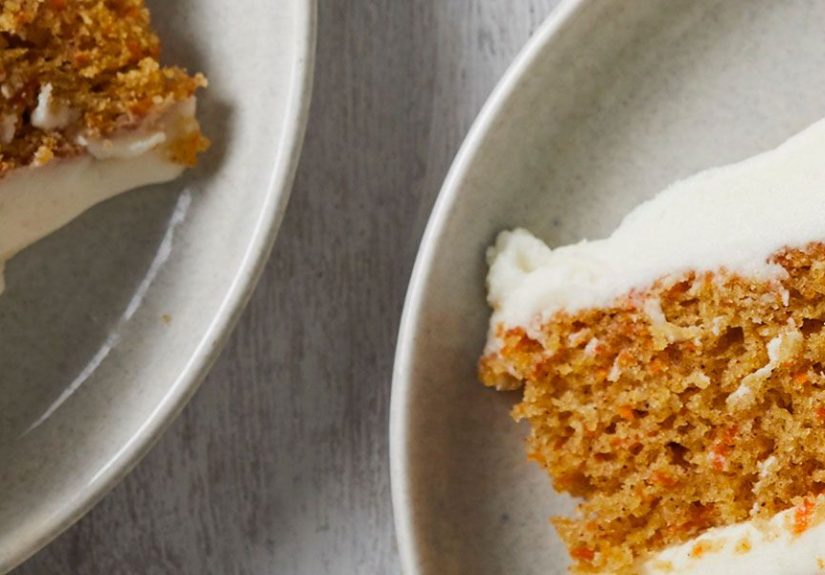
6) Carrot Cake with Cream Cheese Frosting (The Moist Legend)
Carrot cake stays moist thanks to oil, shredded carrots, and often add-ins like crushed pineapple or applesauce.
Spices do the heavy lifting: cinnamon, ginger, and a pinch of nutmeg.
- Texture tip: hand-fold carrots to avoid overmixing.
- Optional add-ins: toasted pecans, raisins, coconut flakes.
Frosting & Filling: The Fun Part
American Buttercream (Sweet, Stable, Beginner-Friendly)
Base ratio: 1 cup (226g) butter + 3–4 cups (360–480g) powdered sugar + 1–3 tbsp milk/cream + vanilla + pinch of salt.
- Beat butter until smooth, then add sugar gradually. Add liquid last to adjust texture.
- Salt matters: it cuts sweetness and makes flavors pop.
Chocolate Buttercream (Deeper Flavor, Still Easy)
Add 1/2–3/4 cup cocoa powder to the base, plus a little more cream. A spoonful of espresso or melted dark chocolate
makes it taste more “grown-up bakery” and less “hot cocoa packet.”
Whipped Cream Frosting (Light but Time-Sensitive)
Best for same-day serving. Keep it cold, stabilize with a bit of powdered sugar (or a stabilizer if you use one),
and avoid leaving it on the counter during a summer party unless you enjoy suspense.
The Crumb Coat: Your Secret Weapon
Want clean frosting without mystery crumbs? Apply a thin layer of frosting first (yes, it can look messy),
then chill the cake so that layer firms up. After that, the final coat goes on smooth and confident.
How to Keep Cakes Moist (Without Turning Them Into Pudding)
- Don’t overbake: start checking 5 minutes early. Ovens vary and some lie.
- Use oil strategically: oil keeps cakes moist; butter adds flavor. Many bakers use both for balance.
- Simple syrup: brush cooled layers lightly (especially if you’re baking ahead).
- Wrap and rest: wrap layers well once cooled; resting overnight can improve texture.
Troubleshooting: When Cake Has Opinions
Why did my cake sink in the middle?
- Underbaked center
- Oven door opened too early
- Expired baking powder/soda
- Overmixed batter that couldn’t hold its rise
Why is my cake dry?
- Overbaked
- Too much flour (scooping packs it inspoon and level, or weigh it)
- Not enough fat/liquid
- Stored uncovered in the fridge
Why is my cake dense?
- Butter too cold (didn’t cream properly)
- Overmixing after adding flour
- Leaveners measured incorrectly
- Ingredients too cold to emulsify well
FAQ: Cake Recipes, Answered Like a Calm Friend
Can I swap cake flour and all-purpose flour?
Yes, but expect a difference. All-purpose flour usually makes a slightly heavier, less delicate cake.
If your goal is extra-tender layers, use cake flour when a recipe calls for it.
How long should cake cool before frosting?
Completely. If the cake is even slightly warm, buttercream melts and slides, and you’ll be frosting the plate instead.
A full cool can take 1–2 hours; chilling layers helps even more.
Can I bake cake layers ahead of time?
Absolutely. Wrap cooled layers tightly and freeze. Frozen layers are also easier to level and frost neatly.
Thaw in the fridge overnight.
How much frosting do I need for a layer cake?
For a two-layer 8–9 inch cake, plan on roughly 4–5 cups of frosting (more if you’re piping decorations).
It’s better to have extra than to scrape the bowl like a raccoon at the last second.
of Real-Life Cake Experiences (That Feel Extremely Familiar)
There’s a special kind of optimism that appears the moment a cake goes into the oven. The batter tasted good, the pan is full,
the timer is set, and suddenly you’re basically the main character of a wholesome baking show. Then reality taps you on the
shoulderusually right when you open the oven and realize your cake rose into a gentle mountain range.
Most home bakers have experienced “The Dome.” It’s not a failure; it’s a feature… that becomes a problem when you try stacking
layers and your cake starts leaning like it’s telling a secret. The first time it happens, people often do what seems logical:
press down on the dome. This creates a dense top that tastes like regret. The better “experience-based” move is leveling with a
serrated knife, snacking on the scraps, and pretending that was the plan all along.
Then there’s the classic frosting moment: you spread the first swipe, lift the spatula, and the frosting comes up with crumbs
attached like it’s magnetized. The instinct is to keep going and “it’ll probably even out.” It will not. This is where bakers
discover the crumb coat, that magical thin layer that looks messy but saves the final coat from becoming a cookies-and-cream
situation. Chilling the crumb coat feels like a pause in the action, but it’s actually a power-up.
Ingredient temperature is another “learn it the hard way” rite of passage. Cold butter refuses to cream properly, so the batter
stays heavy and the cake comes out tighter than expected. Over-softened butter swings the other direction: the batter looks
glossy and promising, but the cake can bake up greasy or collapse. Many bakers end up with their own softening routinecut butter
into pieces, set it near the stove, or do the old “I forgot, so I’m improvising” dance.
Measuring flour has its own lore. Scoop straight from the bag and you can accidentally pack in extra flour, which is a sneaky
path to dryness. People who switch to weighing flour often describe it like changing from guessing to knowing. It’s not more
complicated; it’s just more honest. And honest cakes taste better.
Finally, cake teaches confidence. After a few bakes, you start recognizing the signs: the batter texture that looks right, the
smell that means “almost there,” the spring-back test that says “done,” and the quiet satisfaction of a cake that releases from
the pan cleanly. That’s the real wincake stops being a gamble and becomes a skill you can pull out whenever life needs
something sweet.
Conclusion
The best cake recipes aren’t just lists of ingredientsthey’re repeatable systems. Once you understand the basics (ingredient
temperature, mixing method, flour choice, and doneness), you can bake moist chocolate cakes, fluffy vanilla layers, easy sheet
cakes, and brunch-ready pound cakes with the kind of confidence that makes people ask, “Wait… you made this?”







 Close
Close