
Table of Contents >> Show >> Hide
- What Is a Foreclosed Home?
- Where to Purchase a Foreclosed Home
- Pros of Buying a Foreclosed Home
- Cons of Buying a Foreclosed Home
- How to Buy a Foreclosed Home Step by Step
- Step 1: Decide Which Type of Foreclosure Fits You
- Step 2: Get Preapproved or Prepare Cash
- Step 3: Work With Experienced Professionals
- Step 4: Research the Property
- Step 5: Inspect Whenever Possible
- Step 6: Review Title Carefully
- Step 7: Estimate Repair Costs Before You Offer
- Step 8: Make a Smart Offer or Bid
- Financing Options for Foreclosed Homes
- Is Buying a Foreclosed Home Worth It?
- Experience-Based Lessons From Buying a Foreclosed Home
- Conclusion
Buying a foreclosed home can feel like finding a designer jacket at a thrift store: the price tag looks fantastic, but you still need to check the pockets, the seams, and whether someone left a raccoon in the lining. Foreclosed properties can offer real savings, especially for buyers who are patient, prepared, and not afraid of a little paperwork. But they also come with risks that can turn a “dream deal” into a budget-eating beast.
A foreclosure happens when a homeowner falls behind on mortgage payments and the lender takes legal steps to recover the property. Once the process reaches a certain point, the home may be sold through a public auction, transferred back to the bank as real estate owned property, or listed by a government agency if the mortgage was federally backed. For buyers, that creates opportunities to purchase homes below traditional market prices, but the path is rarely as smooth as buying a freshly staged suburban charmer with cookies cooling on the counter.
This guide explains where to purchase foreclosed homes, how the process works, the biggest pros and cons, financing options, and practical experience-based tips to help you decide whether buying a foreclosure is smart money or a very expensive life lesson.
What Is a Foreclosed Home?
A foreclosed home is a property that has been taken back by a lender, government agency, or lienholder after the owner failed to meet mortgage or debt obligations. In most cases, foreclosure begins after missed mortgage payments, although tax liens, homeowners association liens, and other legal claims can also lead to forced sales.
Foreclosures usually fall into a few main categories. A pre-foreclosure property is not fully foreclosed yet. The owner is behind on payments, but they may still sell the home, negotiate with the lender, or pursue a short sale. A foreclosure auction happens when the property is offered to bidders, often at a courthouse, trustee sale, sheriff’s sale, or online auction. If the home does not sell at auction, it may become real estate owned, commonly called an REO property, meaning the lender owns it and may list it through a real estate agent.
There are also government-owned foreclosures. These may include HUD homes from FHA-insured loans, VA-acquired properties, USDA rural housing properties, and properties sold by other federal agencies. Each program has its own rules, bidding process, and eligibility requirements.
Where to Purchase a Foreclosed Home
One of the biggest questions buyers ask is simple: “Where do I actually find these homes?” Sadly, they do not appear under a glowing spotlight labeled “Instant Equity Here.” You need to know where to look and how each marketplace works.
1. HUD Homes
HUD homes are properties acquired by the U.S. Department of Housing and Urban Development after foreclosure on FHA-insured mortgages. These homes are commonly sold through HUD-approved brokers and online bidding systems. Owner-occupants often get priority during an initial bidding period, which can be helpful if you are buying a primary residence rather than competing directly with investors carrying duffel bags of cash.
HUD homes are typically sold as-is, so inspections matter. The purchase price may be attractive, but repair costs can be significant. Buyers should also understand that HUD does not operate like a traditional seller who casually negotiates after inspection findings. The deal structure is more rigid, and deadlines matter.
2. Fannie Mae HomePath
Fannie Mae sells its REO properties through HomePath. These are homes that Fannie Mae acquired after foreclosure. HomePath listings may include single-family houses, condos, and townhomes. Some properties may qualify for special programs, closing cost assistance, or owner-occupant priority periods depending on the listing and current program rules.
HomePath can be appealing because it feels closer to a traditional purchase than a courthouse auction. You can often tour the property, make an offer through an agent, and use financing if the property condition meets lender standards.
3. Bank-Owned REO Listings
Many foreclosed homes end up owned by banks, mortgage lenders, or loan servicers. These properties are often listed on the Multiple Listing Service, real estate brokerage websites, and lender REO portals. Buying an REO property can be more manageable than buying at auction because you may have time for inspections, financing, appraisal, and title review.
However, “bank-owned” does not mean “bargain guaranteed.” Banks often order broker price opinions, compare nearby sales, and price properties strategically. Some REOs are deeply discounted; others are priced only slightly below market because the lender knows buyers are circling like bargain-hunting hawks.
4. Foreclosure Auctions
Foreclosure auctions can offer some of the lowest prices, but they are also the most intimidating. Auctions may be held in person or online. Buyers usually need certified funds, cashier’s checks, or proof of cash. Mortgage contingencies are often not allowed, and the winning bidder may have to close quickly.
The biggest risk is limited due diligence. In some auctions, you may not be able to inspect the inside of the property before bidding. You may also inherit certain issues depending on state law, lien priority, unpaid taxes, occupancy, or redemption rights. A low winning bid can become less exciting when you discover the roof leaks, the electrical system belongs in a museum, and someone named Gary is still living in the basement.
5. Sheriff’s Sales and Trustee Sales
In judicial foreclosure states, properties may be sold through sheriff’s sales. In nonjudicial foreclosure states, trustee sales are common. These sales are usually governed by state law and local procedures. Buyers should research notice requirements, bidding rules, payment deadlines, title issues, and whether the previous owner has any right of redemption after the sale.
These sales are often better suited for experienced investors than first-time buyers. That does not mean beginners can never participate, but it does mean they should hire a real estate attorney, title professional, or experienced agent before raising a paddle.
6. VA Vendee Properties
The Department of Veterans Affairs may sell VA-acquired properties, and some buyers may use the VA Vendee Loan Program. One interesting feature is that the program can be available to veterans, non-veterans, owner-occupants, and investors, depending on eligibility and property rules. The ability to finance a VA REO property can make this route worth exploring.
As with other government-owned properties, buyers should expect specific procedures, documents, timelines, and as-is conditions. The property may be a great fit, but read every requirement before assuming it works like a regular purchase.
7. USDA Rural Development Properties
USDA Rural Development may list owned or foreclosed single-family housing properties, especially in eligible rural areas. USDA programs can be attractive for qualified buyers because some rural housing loans allow low or no down payment financing. Inventory varies significantly by state and local market, so buyers should check state-level USDA resources and work with lenders familiar with rural housing rules.
8. Major Real Estate Websites
Websites such as Zillow, Realtor.com, Redfin, and other listing platforms often allow users to filter for foreclosures, pre-foreclosures, auctions, and bank-owned properties. These sites are useful for research, but buyers should verify the listing status. A property marked as “pre-foreclosure” may not actually be available for sale. Sometimes it simply means public records show a notice of default or foreclosure filing.
9. Specialty Auction and Foreclosure Platforms
Specialized platforms such as Auction.com and similar services list foreclosure auctions, bank-owned homes, and distressed properties. These platforms can be useful, but they require careful reading. Understand buyer premiums, earnest money rules, closing timelines, inspection access, title reports, and cancellation policies before bidding.
Pros of Buying a Foreclosed Home
Lower Purchase Price
The main attraction is price. Foreclosed homes may sell below market value because lenders, agencies, or banks want to recover money and move the asset off their books. This discount can create instant equity if the property is in decent condition and the buyer avoids overpaying.
Potential for Strong Investment Returns
For investors, a foreclosure can become a profitable rental, flip, or long-term appreciation play. The formula is simple in theory: buy below market, repair intelligently, avoid surprise costs, and either resell or rent at a favorable return. In practice, the formula has more moving parts than a garage full of IKEA furniture, but the upside can be real.
Less Emotional Negotiation
Traditional sellers may care about memories, emotions, and whether your offer letter mentions loving the breakfast nook. Banks do not care if the breakfast nook changed your life. They care about price, certainty, financing strength, and closing speed. For buyers who prefer business-like negotiations, REO purchases can feel cleaner.
More Entry Points for Different Buyers
Foreclosures are not only for professional investors. Owner-occupants can buy HUD homes, HomePath properties, REO listings, and some government-owned homes. In some programs, owner-occupants may even receive priority before investors.
Opportunity to Customize
Many foreclosed homes need work. That sounds like a con, and it often is. But it can also be a pro if you want to renovate instead of paying a premium for someone else’s gray vinyl plank flooring and aggressively modern farmhouse light fixtures.
Cons of Buying a Foreclosed Home
As-Is Condition
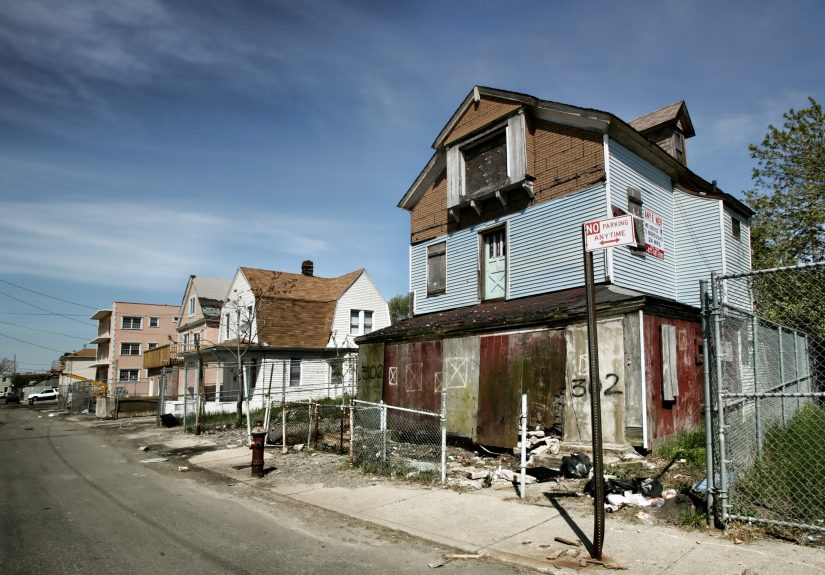
Most foreclosed homes are sold as-is. That means the seller may not make repairs, provide full disclosures, or guarantee the condition. The property may have been neglected for months or years. Plumbing, electrical systems, HVAC units, roofs, appliances, and foundations can all hide expensive surprises.
Limited Inspection Access
With REO properties, inspections are often possible. With auctions, they may not be. Buying without an interior inspection is risky, especially for beginners. You may be bidding on a house that looks charming from the curb but has water damage, mold, missing copper pipes, or an interior design theme best described as “abandoned raccoon chic.”
Title and Lien Issues
Title research is critical. Depending on the type of sale, some liens may be wiped out while others may survive. Property taxes, municipal liens, HOA dues, code violations, and legal claims can create headaches. Always review title reports and consult professionals before buying.
Financing Challenges
Not all foreclosed homes qualify for traditional mortgage financing. Lenders may refuse to finance a property with major safety, structural, or habitability problems. Buyers may need cash, renovation loans, hard money, or specialized financing such as FHA 203(k) loans for repair-heavy properties.
Competition from Investors
Foreclosures attract investors because discounts can be profitable. Cash buyers often move faster, waive contingencies, and accept risk that regular homebuyers cannot. In competitive markets, a great foreclosure deal may receive multiple offers quickly.
Legal Complexity
Foreclosure laws vary by state. Redemption periods, eviction procedures, auction rules, notice requirements, and lien priorities can differ dramatically. A strategy that works in Florida may not work in Michigan, Texas, or California. Local advice matters.
How to Buy a Foreclosed Home Step by Step
Step 1: Decide Which Type of Foreclosure Fits You
If you are a first-time buyer, an REO, HUD home, or HomePath property may be safer than an auction. If you are an experienced investor with cash and contractor relationships, auctions may offer more upside. Match the buying method to your risk tolerance.
Step 2: Get Preapproved or Prepare Cash
Before shopping, know your budget. Get mortgage preapproval if you plan to finance. If you are bidding at auction, confirm exactly how much cash or certified funding is required. Do not assume you can “figure it out later.” Foreclosure sellers are not known for their patience or warm hugs.
Step 3: Work With Experienced Professionals
A real estate agent experienced in foreclosures can help you find listings, structure offers, understand local norms, and avoid rookie mistakes. You may also need a real estate attorney, title company, inspector, contractor, insurance agent, and lender who understands distressed properties.
Step 4: Research the Property
Check comparable sales, neighborhood trends, property taxes, school districts, flood zones, HOA rules, permit history, code violations, and estimated repair costs. Run the numbers conservatively. If the deal only works when everything goes perfectly, it probably does not work.
Step 5: Inspect Whenever Possible
A home inspection can reveal structural problems, mechanical issues, roof damage, safety hazards, and deferred maintenance. The inspection is not just about negotiating repairs; it is about deciding whether to buy at all. A cheap house with expensive problems is not cheap. It is just expensive in installments.
Step 6: Review Title Carefully
Never skip title research. Confirm who owns the property, which liens exist, whether taxes are current, and what claims may remain after the sale. Title insurance is important when available. At auctions, title risk can be more complicated, so professional review is essential.
Step 7: Estimate Repair Costs Before You Offer
Create a repair budget with a cushion. For older or neglected properties, a 10% to 20% contingency is often wise. Major items such as roofs, HVAC systems, plumbing, electrical panels, sewer lines, and foundation repairs can change the economics quickly.
Step 8: Make a Smart Offer or Bid
Do not let excitement push you above your maximum price. Your offer should reflect the property’s as-is value, repair costs, holding costs, financing costs, closing costs, and your desired equity or profit. Winning the property is not the goal. Winning a good deal is the goal.
Financing Options for Foreclosed Homes
Financing depends on the property condition and purchase method. Traditional mortgages may work for livable REO homes. FHA loans may be possible if the property meets minimum standards. FHA 203(k) loans can help finance both the purchase and renovation of qualifying owner-occupied homes. Conventional renovation loans may also be available through some lenders.
Investors may use cash, hard money loans, private loans, or commercial financing. Auction buyers often need cash or certified funds because auctions may not allow financing contingencies. Always confirm financing rules before bidding or offering.
Is Buying a Foreclosed Home Worth It?
Buying a foreclosed home can be worth it if you are prepared, realistic, and financially flexible. It is most attractive when the discount is large enough to compensate for risk, repairs, delays, and uncertainty. It is less attractive when buyers assume every foreclosure is automatically a bargain.
A good foreclosure purchase usually has three ingredients: a price below true market value, repair costs that are understood and manageable, and a clean enough legal path to close safely. Remove one ingredient, and the recipe gets messy fast.
Experience-Based Lessons From Buying a Foreclosed Home
The first lesson many foreclosure buyers learn is that the cheapest house is rarely the cheapest deal. Imagine two homes in the same neighborhood. One is a traditional listing priced at $260,000 and needs only paint, cleaning, and a new dishwasher. The other is a foreclosure priced at $215,000. At first glance, the foreclosure looks like the obvious winner. Then the inspection reveals a tired roof, damaged flooring, a missing water heater, old electrical work, and signs of moisture in the crawl space. Suddenly, that $45,000 discount starts shrinking faster than a cotton shirt in a hot dryer.
Experienced buyers learn to walk through a property with two calculators: one for money and one for patience. Money covers the obvious costs: purchase price, closing costs, repairs, taxes, insurance, utilities, and permits. Patience covers the less visible costs: waiting on bank responses, dealing with unclear paperwork, scheduling contractors, fixing inspection surprises, and navigating delays when nobody seems to know who has the key. A foreclosure can be profitable, but it rarely rewards people who need everything to happen neatly.
Another practical lesson is to avoid falling in love too early. Traditional homebuying already turns rational adults into people who say things like, “But the sunlight in the laundry room understands me.” With foreclosures, emotional attachment is even more dangerous. You need the courage to walk away when the numbers stop working. The property does not know you exist. The bank does not care about your Pinterest board. Your budget, however, cares very much.
One useful strategy is to build your repair estimate before making the final offer. Bring a contractor if possible. If not, research typical costs for major systems in your area and assume the first estimate will not catch everything. A foreclosure that needs cosmetic work may be a good opportunity. A foreclosure with structural problems, unpermitted additions, or environmental issues may be a trap unless you have deep experience and a deeper emergency fund.
Buyers should also treat title research as non-negotiable. A property can look physically fine but still carry legal complications. Unpaid taxes, HOA dues, municipal fines, or uncertain ownership records can create problems after closing. Title insurance, attorney review, and a reputable title company are not boring extras. They are your financial seatbelt.
Finally, successful foreclosure buyers tend to know their exit plan before they buy. If you are an owner-occupant, ask whether you can live through repairs or whether you need temporary housing. If you are an investor, know whether the property will be rented, resold, or refinanced. Estimate conservative resale value and realistic rent, not fantasy numbers whispered by your inner optimist. A foreclosure can be a smart path to equity, but only when you respect the risks as much as the discount.
Conclusion
Buying a foreclosed home can be a powerful way to purchase real estate below market value, build equity, or start an investment strategy. But it is not a shortcut for careless buyers. The best foreclosure deals reward preparation, patience, research, and professional help. Whether you buy through HUD, HomePath, a bank-owned listing, an auction, VA Vendee, USDA, or a traditional real estate website, the same rule applies: know what you are buying before you buy it.
If the numbers work, the title is clean, the repairs are realistic, and your financing is ready, a foreclosed home can become a smart financial move. If not, it can become the most expensive “great deal” you ever met. Do your homework, keep your emotions in check, and remember: in real estate, the bargain is not the low price. The bargain is the property that still makes sense after every hidden cost comes out of hiding.






 Close
Close