
Table of Contents >> Show >> Hide
- What Is a Bruise, Exactly?
- Why Can a Bruise Itch?
- Main Causes of Bruise Itch
- Risk Factors for Bruising and Itching
- Symptoms That Suggest the Itchy Bruise Needs Medical Attention
- How to Treat an Itchy Bruise at Home
- What Does a Normal Healing Bruise Look Like?
- Can You Prevent Bruise Itch?
- Final Thoughts
- Common Experiences People Have With Itchy Bruises
- SEO Tags
Note: Body-only HTML, cleaned for publishing. Source links are intentionally omitted, and unnecessary contentReference artifacts have been removed.
You notice a bruise. Then, just when you decide to nobly ignore it, it starts to itch. Great. Now your body has turned a simple bump into a tiny purple mystery.
The good news is that an itchy bruise is often part of the healing process. Many bruises are harmless, fade on their own, and cycle through the usual color parade of red, purple, blue, green, and yellow before quietly disappearing. But sometimes itch is a clue that something else is going on, such as dry skin, irritation from a bandage or skin product, a larger collection of blood under the skin, or an underlying condition that makes you bruise more easily.
In this guide, we’ll break down what bruise itch means, what causes it, who is more likely to deal with it, how to treat it at home, and when it’s time to stop Googling and call a healthcare professional. If you came here because your bruise is itchy, weird-looking, and acting like it has opinions, you’re in the right place.
What Is a Bruise, Exactly?
A bruise happens when small blood vessels under the skin break and leak blood into the surrounding tissue. That trapped blood creates discoloration and tenderness. In medical terms, a larger flat bruise may be called an ecchymosis, while smaller blood spots can fall under terms like purpura or petechiae. For most people, though, “bruise” is the word that gets the job done without sounding like a spelling bee final round.
Most bruises show up after a bump, fall, sports injury, or other minor trauma. They’re especially common on the arms and legs, where life tends to happen and furniture corners apparently hold grudges.
Why Can a Bruise Itch?
An itchy bruise is often a normal healing bruise. As injured tissue repairs itself, inflammatory chemicals can activate nerve endings in the skin. Histamine is one of the best-known itch-related chemicals, and itch can also become more noticeable when skin is dry, irritated, or healing after injury. In plain English: your body is doing repair work, and your nerves may file that under “please scratch this immediately.”
1. Healing inflammation
When a bruise heals, the body clears away leaked blood, repairs tiny vessels, and rebuilds tissue. That healing process can come with mild itching, especially as the bruise changes color and the tenderness starts to fade.
2. Dry skin over the bruise
Sometimes the bruise itself is not the whole story. The skin over it may be dry, flaky, or tight. Dry skin is a well-known itch trigger, and older adults are especially prone to it because aging skin makes less oil and becomes thinner and more fragile.
3. Irritation from bandages or creams
If you covered the area with adhesive bandages or applied a topical product, the itch may be coming from skin irritation rather than the bruise itself. Some people react to adhesives, fragranced products, or even certain ointments. That can create itching, redness, or a rash-like reaction that makes the bruise feel more dramatic than it really is.
4. A larger hematoma or deeper injury
A large bruise, also called a hematoma when blood pools more noticeably under the skin or in soft tissue, can feel swollen, tight, and uncomfortable. As it stabilizes and slowly shrinks, the area may itch or feel strange. If it keeps enlarging, becomes very painful, or doesn’t improve, it deserves medical attention.
5. The itch may not be “just a bruise”
Sometimes a spot that looks bruised is not a simple bruise at all. Skin injury can trigger dermatitis, and some rashes, bites, or irritated patches can take on purple, red-brown, or dusky tones as they evolve. If the area is very itchy, scaly, bumpy, warm, or rash-like, the bruise may be sharing the stage with a skin condition.
Main Causes of Bruise Itch
Here are the most common causes behind an itchy bruise:
- Normal healing: Mild itching can happen as tissue repairs itself.
- Dry or sensitive skin: Dryness makes itchy skin more likely, especially in older adults or during cold, dry weather.
- Friction or scratching: Tight clothing, rubbing, and repeated touching can make the area itch more.
- Bandage or product irritation: Adhesives, fragrances, and some ointments can irritate healing skin.
- Larger bruises or hematomas: Bigger injuries may create more swelling, pressure, and odd sensations.
- Easy-bruising conditions: If you bruise frequently, the itch may be attached to a bigger issue, not just one random bruise.
Risk Factors for Bruising and Itching
Age-related skin changes
Bruising becomes more common with age because skin gets thinner, loses some of its protective fatty layer, and blood vessels become more fragile. At the same time, aging skin often gets drier, which makes itch more likely. That is basically a two-for-one special no one asked for.
Medications and supplements
Some medicines increase bruising risk by affecting clotting or thinning the skin. Common examples include aspirin, ibuprofen, naproxen, anticoagulants such as warfarin or apixaban, anti-platelet drugs such as clopidogrel, and corticosteroids. Some antibiotics, antidepressants, and supplements with blood-thinning effects can also contribute.
Bleeding disorders
Easy bruising can be a sign of a bleeding disorder. Warning patterns include bruising that seems unexplained, bleeding gums, nosebleeds, heavy periods, or excessive bleeding after dental work or surgery. Family history matters here too.
Vitamin deficiencies
Vitamin C deficiency can contribute to easy bruising, poor wound healing, dry rough skin, and bleeding gums. Vitamin K deficiency can also make bruising and bleeding more likely. These are not the most common causes in the average healthy adult, but they are real possibilities when diet, absorption problems, or other illnesses get involved.
Liver disease and chronic illness
Liver disease can show up with both easy bruising and itchy skin. That combination deserves extra attention, especially if it comes with jaundice, fatigue, swelling, or appetite changes. Chronic conditions that affect platelets, clotting proteins, or blood vessels can also make bruises show up more easily.
Sports, falls, and everyday impact injuries
Contact sports, intense workouts, accidental bumps, and falls all raise the odds of bruising. If you get a bruise from exercise or a minor collision, itch is usually related to normal healing. If the impact was harder than you first realized, the bruise may be larger and more annoying than expected.
Symptoms That Suggest the Itchy Bruise Needs Medical Attention
Most itchy bruises are not dangerous. Still, some situations should move you from home remedies to actual medical care:
- The bruise appears for no clear reason or you bruise often.
- You also have bleeding gums, frequent nosebleeds, blood in urine or stool, or unusually heavy bleeding from cuts.
- The bruise is very large, rapidly enlarging, or unusually painful.
- The skin becomes hot, bright red, increasingly swollen, or starts draining pus.
- You have fever, dizziness, fainting, nausea, or vomiting with the bruise.
- The bruise lasts longer than about two weeks or keeps happening in the same place.
- The bruise is on the chest, abdomen, back, or face without a clear explanation.
- You had a head injury and now have headache, vomiting, drowsiness, confusion, slurred speech, blurred vision, weakness, or trouble staying steady.
If the bruise followed a blow to the head, don’t play hero. Head-injury bleeding can be serious even when the outside looks unimpressive.
How to Treat an Itchy Bruise at Home
Use the early injury basics
For a fresh bruise, focus on the usual first-aid steps:
- Rest the area.
- Ice it for short periods, using a cloth barrier so ice does not touch the skin directly.
- Elevate the area if possible.
- Compression may help in some soft-tissue injuries if it feels comfortable and is not too tight.
Avoid direct heat for the first 48 hours after a bruise, since early heat can worsen swelling. Pain relief may help if needed, but if you bruise easily or take blood thinners, it’s smart to check with your clinician or pharmacist before adding medications on your own.
Moisturize the skin
If the itch seems to be coming from dry, tight skin, use a bland, fragrance-free moisturizer. If the bruise is associated with a minor skin injury, keeping the area gently moisturized can reduce irritation during healing. Mild soap and lukewarm water are usually better choices than hot water and heavily scented products.
Don’t scratch
Yes, this is extremely rude advice when the whole reason you’re here is because it itches. Still, scratching can inflame the area, irritate nearby skin, and make the problem last longer. Patting the area lightly or applying a cool compress is usually kinder to healing skin than clawing at it like a raccoon with a grudge.
Watch for product irritation
If the itch got worse after a bandage, ointment, or cream, stop and think. The bruise may be healing fine while the surrounding skin is objecting to what you put on it. Switching to simple, fragrance-free skin care can help. If a rash is spreading, get medical advice.
Give it time
Most bruises improve gradually and fade over about two weeks, although larger ones can take longer. The area may look worse before it looks better because bruises change colors as blood is broken down and reabsorbed.
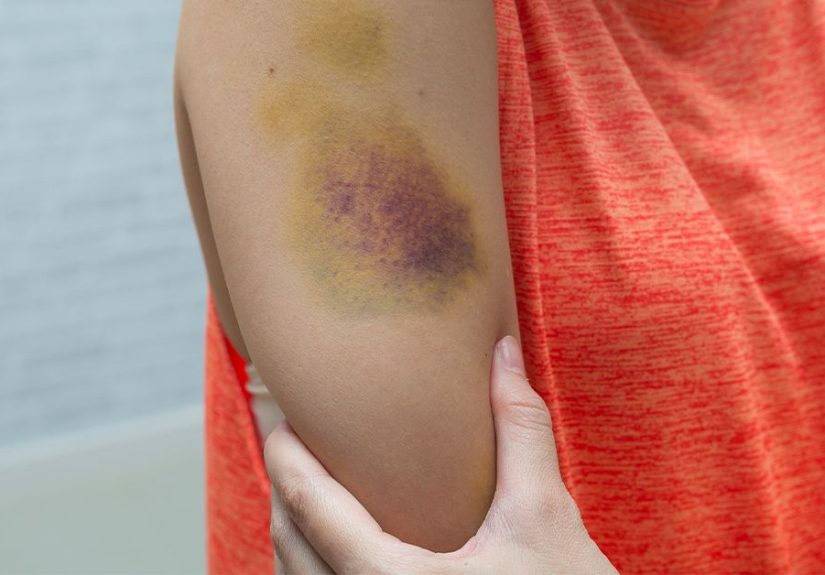
What Does a Normal Healing Bruise Look Like?
A normal bruise usually follows a familiar script:
- It starts red or reddish-purple.
- It turns blue, purple, or dark brown depending on skin tone.
- It may shift to greenish or yellowish as it heals.
- Tenderness and swelling gradually improve.
- The itch may show up late in the process, when the bruise is less painful.
If the bruise is getting larger instead of smaller, becoming dramatically more painful, or acting infected, that is not the normal script. That is the “please get this checked” script.
Can You Prevent Bruise Itch?
You can’t prevent every bruise unless you plan to spend life wrapped in bubble wrap, which is impractical and socially limiting. But you can lower the odds:
- Wear protective gear for sports and high-impact activities.
- Reduce fall risks at home by improving lighting and removing tripping hazards.
- Moisturize regularly if your skin is dry or easily irritated.
- Review medications and supplements with a healthcare professional if you bruise often.
- Eat a balanced diet that supports skin and blood-vessel health.
- Get unexplained or repeated bruising evaluated instead of assuming it’s “just one of those things.”
Final Thoughts
An itchy bruise is often a healing bruise. Mild itch can happen as tissue repairs itself, especially when the skin is dry, sensitive, or irritated. In many cases, a little patience, ice early on, gentle skin care, and a hands-off approach will do the trick.
But the phrase “probably normal” should not become “ignore every warning sign forever.” If the bruising is unexplained, frequent, unusually large, lasts too long, or comes with bleeding, infection signs, severe swelling, or symptoms after a head injury, it deserves prompt medical attention.
The short version: a mildly itchy bruise is common. A mysteriously multiplying bruise with extra drama is not. Your skin is allowed to be healing. It is not allowed to audition for a medical thriller.
Common Experiences People Have With Itchy Bruises
Many people first notice bruise itch a few days after the injury, not right away. That timing throws them off. The bruise may have already stopped hurting much, the color may be shifting from deep purple to green or yellow, and then suddenly the area feels itchy. People often assume that means the bruise is getting worse, but in many cases it simply means the tissue is moving into a later healing stage.
A very common example is the post-workout bruise. Someone bangs a shin on a box at the gym, clips a thigh during a soccer game, or walks into a coffee table at home and then carries on like a brave, slightly clumsy legend. The bruise shows up later, feels sore for a day or two, and then begins to itch just when they think it should be fading. That pattern is usually consistent with normal healing, especially if the swelling is going down and the area is not hot or spreading.
Another frequent experience happens after blood draws, IV placements, or minor procedures. A person gets a small bruise near the elbow, covers it with a bandage, and then blames the bruise for the itch. Sometimes the real culprit is the adhesive or a skin product used on top of the area. If the itch feels more surface-level, comes with redness in the shape of the bandage, or seems rash-like, irritated skin may be part of the story.
Older adults often describe a slightly different pattern. They may notice bruises on the forearms or hands after very small bumps they barely remember. These bruises can feel dry or itchy because aging skin is thinner and less oily. In that setting, the itch is not always about a dramatic injury. Sometimes it is a combination of fragile blood vessels, dry skin, and a bruise that appears out of proportion to the bump that caused it.
People who take aspirin, blood thinners, or corticosteroids also report bruises that seem bigger, darker, or slower to settle down. The itch can feel more noticeable simply because the bruise is larger and lasts longer. That does not automatically mean something is wrong, but it does mean patterns matter. Repeated unexplained bruises, gum bleeding, nosebleeds, or blood in urine or stool are not things to shrug off.
There is also the anxiety experience, which is very real. Someone finds an itchy bruise and immediately worries about leukemia, liver disease, a mystery deficiency, or the universe generally being rude. Most of the time, the explanation is much more ordinary. Still, persistent, unexplained, or unusually frequent bruising should be checked out, because sometimes a bruise is just a bruise, and sometimes it is useful information your body is trying to send.






 Close
Close