
Table of Contents >> Show >> Hide
- Quick TMJ 101: What Are We Actually Treating?
- Where Botox Fits (And Why It’s Often “Off-Label”)
- How Botox for TMJ Works (In Normal-Human Language)
- Am I a Good Candidate for TMJ Botox?
- What Happens at the Consultation?
- The Procedure: Step-by-Step (No Drama, Just Details)
- Aftercare: What to Do (and Not Do) for the First 24 Hours
- Timeline: When You’ll Feel Results (and How Long They Last)
- Benefits: What Improvements Are Realistic?
- Risks and Side Effects (Yes, Let’s Talk About the Not-Fun Part)
- Cost and Insurance: What to Expect in the U.S.
- How to Choose a Provider (A Cheat Sheet That Can Save Your Face)
- What to Do Alongside Botox (Because Teamwork Makes the Jaw Work)
- FAQ: Fast Answers to Common “TMJ Botox” Questions
- Real-World Experiences: What People Commonly Notice (The 500-Word “Human” Section)
- Conclusion
If your jaw has been acting like it’s training for an MMA fightclenching all day, grinding all night, and waking you up with a headache that feels personalyou’ve probably heard someone whisper (or shout) the B-word: Botox.
Yes, the same injectable famous for smoothing foreheads can also be used to relax overworked jaw muscles. For many people with TMJ disorders (TMD), especially the muscle-driven kind, Botox for TMJ can mean less pain, less clenching, fewer “why does chewing feel like a chore?” moments, and sometimes even fewer migraines. But it’s not magic, it’s not permanent, and it’s definitely not the first stop on the TMJ train.
This guide walks you through exactly what to expectfrom consult to aftercareplus realistic timelines, risks, costs, and the “is this even for me?” questions you should ask before anyone comes near your masseter with a needle.
Quick TMJ 101: What Are We Actually Treating?
“TMJ” is the joint (temporomandibular joint). “TMD” is the umbrella term for disorders involving the joint and the muscles that move your jaw. People often say “I have TMJ,” like it’s a pet. What they usually mean is some mix of:
- Jaw pain (especially in the cheeks/temples)
- Jaw clicking or popping
- Limited opening (or “my jaw feels stuck”)
- Bruxism (clenching/grinding)
- Headaches, facial soreness, or neck/shoulder tension
Botox is most commonly used when the main driver is muscle overactivitythink tight, bulky masseter muscles from chronic clenching, or temporalis muscles that stay on high alert like they’re guarding a treasure chest.
Where Botox Fits (And Why It’s Often “Off-Label”)
In the U.S., using botulinum toxin injections for TMJ-related pain is typically considered off-label. Off-label use is common in medicine, but it matters because it can affect insurance coverage and highlights that evidence is still mixed depending on the type of TMD.
Translation: Botox can be a helpful toolespecially for muscle-based jaw painbut it’s usually not the first treatment recommended. Many clinicians prefer to start with conservative options like self-care, physical therapy, stress reduction, and a night guard when appropriate.
How Botox for TMJ Works (In Normal-Human Language)
Botox (botulinum toxin type A) relaxes muscle activity by reducing the signal between nerves and muscles. When injected into the masseter (cheek/jaw muscle) and sometimes the temporalis (temple muscle), it can:
- Reduce jaw clenching force (less “power bite”)
- Calm muscle spasms and trigger points
- Decrease muscle-driven jaw pain (myofascial pain)
- Lower tension-related headaches for some people
Important nuance: Botox may reduce the intensity of clenching/grinding, but it doesn’t necessarily erase the habit. If your clenching is fueled by stress, sleep issues, airway problems, or certain medications, you’ll still want a bigger plan than “jab jaw, done.”
Am I a Good Candidate for TMJ Botox?
You may be a strong candidate if you have:
- Diagnosed or suspected myofascial TMD (muscle-related jaw pain)
- Visible or palpable masseter hypertrophy (bulky/tight jaw muscles)
- Chronic jaw clenching or grinding with morning soreness
- Jaw tension that didn’t improve enough with conservative care
- Headaches linked to jaw muscle tension
Who should pause (or avoid) Botox?
Botox may not be a fit (or needs extra caution) if you:
- Are pregnant or breastfeeding
- Have certain neuromuscular conditions
- Have significant swallowing/breathing disorders
- Have jaw pain mainly from joint damage (arthritis, disc issues) where muscle relaxation won’t address the core problem
A good clinician will screen for red flags, figure out whether your pain is muscle, joint, or both, and talk through alternativesnot just offer a “buy 40 units, get peace” special.
What Happens at the Consultation?
Expect a clinician (often a dentist trained in facial pain, an oral and maxillofacial specialist, a neurologist, or a dermatologist/plastic surgeon with TMJ experience) to do a targeted evaluation. This may include:
- Where it hurts (jaw joint vs. muscles)
- Range of motion (how wide you open, deviation, locking)
- Muscle palpation (masseter/temporalis tenderness)
- Clenching/grinding history and tooth wear
- Headache patterns and triggers
- What you’ve already tried (night guard, PT, meds, self-care)
If the diagnosis is unclearor symptoms suggest joint pathologyimaging (like MRI/CT) may be discussed before jumping into injections.
The Procedure: Step-by-Step (No Drama, Just Details)
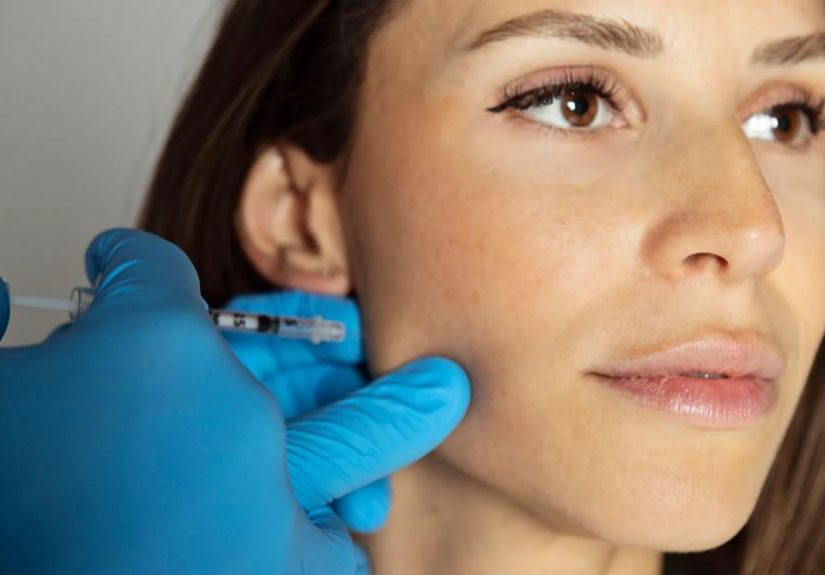
Most TMJ Botox appointments are quickoften 10–30 minutes depending on how many muscles are treated.
Common injection sites
- Masseter (most common): along the lower cheek/jawline
- Temporalis (often added): at the temples
- Less commonly, other jaw-related muscles depending on symptoms and clinician training
What it feels like
The needle is small. People describe it as tiny pinches or a quick sting. Some clinicians use ice, topical numbing, or both. If you’re needle-averse, tell themyour honesty helps them help you.
How many units will I need?
There’s no single universal dose. Dosing depends on muscle size, symptom severity, prior response, and the product used (Botox vs. other neuromodulators). Many providers start conservatively and adjust later, because you can always add morebut you can’t un-inject it.
Aftercare: What to Do (and Not Do) for the First 24 Hours
Aftercare instructions vary slightly by clinic, but common guidance includes:
- Avoid heavy exercise for the rest of the day
- Don’t rub or massage the injected areas aggressively
- Stay upright for a few hours (no immediate face-plant naps)
- Avoid alcohol that day if you bruise easily
You can typically return to normal life immediatelywork, errands, pretending you’re not stressedwhatever your schedule demands.
Timeline: When You’ll Feel Results (and How Long They Last)
Botox isn’t instant. Here’s the typical arc:
- Days 1–3: You may feel nothing, or mild tenderness at injection points.
- Days 3–7: Early changes may show upless jaw tightness, fewer headaches, less urge to clench.
- Days 10–14: Full effect often becomes more obvious.
- Weeks 6–8: If jaw muscles were bulky, some people notice facial slimming as the masseter relaxes and gradually reduces in size.
- Months 3–4 (sometimes up to 6): Effects fade; muscle activity returns.
Many people repeat treatment every 3–4 months at first. Over time, some can space treatments farther apart, especially if they combine Botox with habits and therapies that reduce clenching triggers.
Benefits: What Improvements Are Realistic?
The best outcomes tend to be functional (less pain, less tension, better chewing) rather than “my jaw is cured forever.” Realistic improvements may include:
- Less muscle tenderness in the jaw/temples
- Reduced jaw fatigue while chewing or talking
- Fewer tension headaches (for some)
- Lower intensity of grinding/clenching
- Improved jaw opening if muscles were restricting movement
A quick example
Imagine a person who wakes up daily with cheek soreness and a dull temple headache, has visible tooth wear, and a masseter that feels like a rock. They try a night guard and physical therapyhelpful, but not enough. Botox can reduce muscle overdrive so the guard and therapy finally have a calmer “baseline” to work with. The result isn’t superhero-level perfectionit’s “I can eat a bagel without regretting my choices.”
Risks and Side Effects (Yes, Let’s Talk About the Not-Fun Part)
Most side effects are mild and temporary, but you should know what’s possible.
Common, usually minor effects
- Bruising or swelling at injection sites
- Temporary soreness or jaw fatigue when chewing
- Headache (short-lived for some)
Less common but important risks
- Smile changes or facial asymmetry if nearby muscles are affected
- Too much weakness in chewing muscles (you’ll notice during steak season)
- Rare spread of toxin effect, which can cause serious symptoms like swallowing or breathing difficulties
Severe reactions are uncommon, but they’re the reason it matters who injects you and what your medical history looks like. Don’t bargain-hunt for something that affects muscles used for eating and swallowing.
Cost and Insurance: What to Expect in the U.S.
Cost varies widely by city, provider type, and how many units you need. TMJ Botox can range from a few hundred dollars to well over $1,000 per session.
Insurance is unpredictable. Because TMJ use is often off-label, many plans won’t cover it. Some exceptions occur when injections are documented as medically necessary (and sometimes when tied to conditions like chronic migraine), but that’s highly individual. Ask for:
- A written cost estimate (including follow-up/touch-up policies)
- Billing codes they use for medical necessity submissions
- Documentation help if they offer it
How to Choose a Provider (A Cheat Sheet That Can Save Your Face)
Look for someone who treats TMJ/TMD regularly, not occasionally between lip flips.
- Experience with TMJ anatomy: Ask how often they do masseter/temporalis injections for jaw pain.
- Diagnosis first: They should assess whether your issue is muscle, joint, or both.
- Conservative mindset: A good provider can say, “Botox isn’t step one for you.”
- Clear plan: They explain dosing approach, follow-up timing, and what success looks like.
What to Do Alongside Botox (Because Teamwork Makes the Jaw Work)
Botox tends to work best when it’s part of a broader TMJ plan, such as:
- Physical therapy (jaw mobility, posture, muscle retraining)
- Night guard for tooth protection (especially if grinding persists)
- Stress management (yes, your jaw knows your email inbox exists)
- Sleep optimization (poor sleep can worsen clenching)
- Soft diet and self-care during flare-ups (heat/cold, gentle stretches)
If you treat the muscle but not the reason the muscle is panicking, you may end up repeating injections more often than you’d like.
FAQ: Fast Answers to Common “TMJ Botox” Questions
Will Botox cure my TMJ disorder?
Botox is usually a symptom management tool, not a cure. It can reduce muscle pain and clenching intensity, but it doesn’t automatically fix joint mechanics, bite issues, stress triggers, or sleep-related causes.
Can it change my face shape?
It can. Relaxing the masseter may slim the lower face over time (especially if the muscle is enlarged). Some people love this. Some don’t. Discuss cosmetic changes before treatment so you’re not surprised by your own cheekbones.
Does it hurt to chew afterward?
Some people feel temporary chewing fatigue, especially with tough foods, because the muscle isn’t firing at full strength. This is usually mild and improves as you adapt.
What if it doesn’t work for me?
That happens. Response depends on diagnosis, dosing, injection technique, and whether your pain is primarily muscle-driven. If you don’t respond, a thoughtful provider will reassess the diagnosis and consider alternativesnot just “more units!”
Real-World Experiences: What People Commonly Notice (The 500-Word “Human” Section)
Let’s talk about the stuff people actually describe after getting Botox for TMJbeyond the neat bullet points. While everyone’s experience varies, there are some patterns that come up over and over in real-life conversations.
First: many people are surprised by how “uneventful” the appointment is. They walk in expecting a dramatic medical scene and instead it feels more like a quick pit stop: a few tiny pinches, maybe some ice, and you’re back in the world doing regular things. The most common immediate reaction is, “Wait…that’s it?”
Second: the first week can be weirdly anticlimactic. A lot of people expect instant relieflike flipping a switch. Instead, it’s more like downloading an update over questionable Wi-Fi. Some notice a subtle decrease in jaw tightness around day 3 or 4. Others don’t feel much until closer to two weeks. The best way people describe it is: you suddenly realize you haven’t been thinking about your jaw all day, which is honestly a luxury.
Third: jaw “quiet” can show up in unexpected ways. People report fewer moments of catching themselves clenching at red lights, fewer headaches that start at the temples, and less soreness when waking up. Some say they stop doing that unconscious thing where the tongue presses into the roof of the mouth while the jaw locks down like a vise. It’s not that stress disappearslife still life’sbut the jaw stops reacting like it’s the designated emotional support muscle.
Fourth: chewing can feel different for a bit. Not painful, just…less powerful. A few folks describe it as “my jaw feels tired faster,” especially with steak, bagels, or anything that requires commitment. Many adapt quickly and just avoid super chewy foods for a few days. If someone gets a higher dose or has smaller muscles, the “I can’t dominate beef jerky anymore” feeling can be more noticeable.
Fifth: some people love the cosmetic side effect; others get spooked. If you have strong masseters, you may notice the lower face looks a little slimmer after several weeks. Some people feel like their face looks softer or more V-shaped. Others worry the change makes them look unfamiliar. This is why a good provider talks about aesthetics upfrontso your mirror doesn’t become a jump scare.
Finally: the most satisfied people tend to treat Botox as a window of opportunity. While the muscles are calmer, they commit to physical therapy, posture changes, stress tools, and better sleep habits. They use the quieter jaw time to retrain patternsso when Botox wears off, they’re not right back where they started. In other words: Botox often works best when it’s not carrying the whole team.
Conclusion
Botox for TMJ can be a genuinely helpful optionespecially for muscle-driven jaw pain, clenching, and tension headacheswhen conservative treatments aren’t enough. The key is knowing what it can (temporary muscle relaxation and symptom relief) and can’t (a permanent cure for every type of TMD) do.
If you’re considering TMJ Botox, aim for a diagnosis-first provider, ask smart questions about dosing and follow-up, and pair injections with supportive care like physical therapy, self-management, and (when appropriate) a night guard. Your jaw didn’t get angry overnight, and it usually doesn’t calm down from just one thingno matter how famous that thing is on Instagram.






 Close
Close