
Table of Contents >> Show >> Hide
- What Is Blood Pressure?
- Blood Pressure Chart: Categories and Meaning
- How to Read a Blood Pressure Chart
- Why Blood Pressure Numbers Change
- Normal Blood Pressure: What It Means
- Elevated Blood Pressure: The Early Warning Zone
- Stage 1 Hypertension: When to Take Action
- Stage 2 Hypertension: A Stronger Signal
- When Blood Pressure Is Too Low
- How to Measure Blood Pressure Correctly at Home
- Common Mistakes That Can Affect Your Reading
- What Causes High Blood Pressure?
- Why High Blood Pressure Matters
- How to Support Healthy Blood Pressure Naturally
- When to Call a Doctor
- Personal Experience: Learning to Understand Blood Pressure Without Fear
- Conclusion
Note: This article is educational and synthesizes current guidance from major U.S. health sources, including the American Heart Association, CDC, Mayo Clinic, and NHLBI. It is not a substitute for personal medical advice. If a reading is very high, unusually low, or comes with concerning symptoms, contact a qualified healthcare professional.
Blood pressure numbers can look like a tiny math problem written by your doctor’s cuff: 120/80 mm Hg. The good news? You do not need a medical degree, a detective hat, or a calculator with mysterious buttons to understand them. A blood pressure chart is simply a guide that helps you see whether your reading is in a healthy range, creeping upward, or waving a red flag.
Understanding your blood pressure matters because high blood pressure, also called hypertension, often has no obvious symptoms. The CDC notes that nearly half of U.S. adults have high blood pressure, and many do not have it under control. That makes a blood pressure chart more than a wall poster in a clinicit is a practical tool for protecting your heart, brain, kidneys, and blood vessels.
In this guide, you will learn how to read a blood pressure chart, what systolic and diastolic numbers mean, which ranges are considered normal or high, and how to use your readings wisely at home. No panic, no confusing medical fogjust clear numbers, plain English, and a little humor because arteries deserve friendly explanations too.
What Is Blood Pressure?
Blood pressure is the force of blood pushing against the walls of your arteries. Every heartbeat sends blood through your body, delivering oxygen and nutrients like a very committed delivery driver. Your arteries are the roads, your heart is the engine, and blood pressure is the traffic force moving through the system.
A blood pressure reading has two numbers:
Systolic Blood Pressure
The systolic number is the top number. It measures the pressure in your arteries when your heart beats. For example, in a reading of 118/76 mm Hg, the systolic pressure is 118.
Diastolic Blood Pressure
The diastolic number is the bottom number. It measures the pressure in your arteries when your heart rests between beats. In 118/76 mm Hg, the diastolic pressure is 76.
The measurement unit, mm Hg, means millimeters of mercury. Yes, it sounds like something from a science museum, but it is simply the standard way blood pressure is measured.
Blood Pressure Chart: Categories and Meaning
The American Heart Association and other major U.S. health organizations use blood pressure categories to help people understand their readings. If your systolic and diastolic numbers fall into different categories, the higher category usually determines your blood pressure classification. For example, a reading of 125/85 mm Hg is considered Stage 1 hypertension because the diastolic number is in that range.
| Blood Pressure Category | Systolic mm Hg | Diastolic mm Hg | What It Means |
|---|---|---|---|
| Normal | Less than 120 | Less than 80 | Your blood pressure is in a healthy range. |
| Elevated | 120–129 | Less than 80 | Your blood pressure is higher than ideal and may rise over time. |
| Stage 1 Hypertension | 130–139 | 80–89 | Your blood pressure is high and should be discussed with a healthcare professional. |
| Stage 2 Hypertension | 140 or higher | 90 or higher | Your blood pressure is significantly high and may require a treatment plan. |
| Severe Hypertension | Higher than 180 | Higher than 120 | This reading needs urgent medical guidance, especially with symptoms. |
How to Read a Blood Pressure Chart
Reading a blood pressure chart is easier than assembling flat-pack furniture. First, find your top number. Then, find your bottom number. Compare each number with the chart categories. If one number lands in a higher range than the other, pay attention to the higher category.
Example 1: 116/74 mm Hg
This reading is considered normal blood pressure. Both the systolic number and diastolic number are below 120/80. This does not mean you can replace vegetables with cupcakes, but it does mean your numbers are currently in a healthy range.
Example 2: 126/78 mm Hg
This falls into the elevated blood pressure category. The top number is between 120 and 129, while the bottom number is still below 80. It is a gentle nudge from your body saying, “Let’s not ignore me, okay?”
Example 3: 134/82 mm Hg
This is Stage 1 hypertension. Either number can place you in this category. Here, both the systolic and diastolic numbers are above the normal range.
Example 4: 146/92 mm Hg
This reading is Stage 2 hypertension. A healthcare professional may recommend lifestyle changes, medication, or both, depending on your overall health and risk factors.
Example 5: 182/121 mm Hg
This is a very high reading. If it happens, sit quietly and recheck after a few minutes. If it remains very high, contact a healthcare professional right away. If symptoms such as chest pain, shortness of breath, weakness, confusion, or vision changes are present, seek emergency help immediately.
Why Blood Pressure Numbers Change
Blood pressure is not a statue. It changes throughout the day. Your numbers may rise after exercise, caffeine, stress, poor sleep, salty meals, pain, or even the thrilling adventure of being late to an appointment. Your blood pressure may be lower when you are relaxed, well-rested, or sitting quietly.
That is why one reading does not always tell the whole story. Healthcare professionals usually look for patterns over time. The NHLBI explains that blood pressure can change based on daily activities, and high blood pressure is usually based on consistent readings rather than a single dramatic moment.
Normal Blood Pressure: What It Means
Normal blood pressure is generally less than 120/80 mm Hg. This range suggests that your heart and arteries are not working under excessive pressure. However, normal readings are not a lifetime membership card. Lifestyle still matters.
To support normal blood pressure, focus on heart-friendly habits: eating more fruits and vegetables, choosing whole grains, staying active, limiting excess sodium, sleeping well, managing stress, and avoiding smoking. In other words, your arteries enjoy many of the same things your future self will thank you for.
Elevated Blood Pressure: The Early Warning Zone
Elevated blood pressure means your systolic number is between 120 and 129 while your diastolic number remains below 80. This is not hypertension yet, but it is a warning sign. Think of it as the yellow traffic light of cardiovascular health. You do not slam the brakes in panic, but you definitely pay attention.
At this stage, lifestyle changes can make a major difference. Even small adjustments, such as walking more often, reducing sodium, cooking at home more frequently, and improving sleep, may help keep your numbers from climbing.
Stage 1 Hypertension: When to Take Action
Stage 1 hypertension means your systolic pressure is 130–139 or your diastolic pressure is 80–89. The CDC defines high blood pressure as consistently at or above 130/80 mm Hg.
If your readings fall in this range, do not panic. Panic is famously unhelpful and terrible at lowering blood pressure. Instead, talk with a healthcare professional. They may evaluate your overall heart disease risk, family history, lifestyle, age, weight, cholesterol, diabetes status, kidney health, and other factors.
Some people may begin with lifestyle changes. Others may need medication, especially if they have additional cardiovascular risks. The right plan depends on the whole person, not just two numbers.
Stage 2 Hypertension: A Stronger Signal
Stage 2 hypertension is usually defined as 140/90 mm Hg or higher. This range deserves prompt medical attention. Your doctor may recommend a combination of lifestyle changes and blood pressure medication. NHLBI notes that many people need more than one medication to manage high blood pressure effectively, along with heart-healthy lifestyle habits.
Stage 2 hypertension does not mean you are doomed. It means your body is asking for a serious plan. With consistent care, many people lower their readings and reduce their risk of complications.
When Blood Pressure Is Too Low
Most blood pressure charts focus on high blood pressure, but low blood pressure can also matter. A reading below 90/60 mm Hg may be considered low for some people, especially if it comes with dizziness, fainting, blurry vision, nausea, fatigue, or confusion.
Some healthy people naturally have lower blood pressure and feel perfectly fine. Others may experience symptoms due to dehydration, medication effects, heart conditions, infection, or other health issues. The key question is not only “What is the number?” but also “How do you feel?”
How to Measure Blood Pressure Correctly at Home
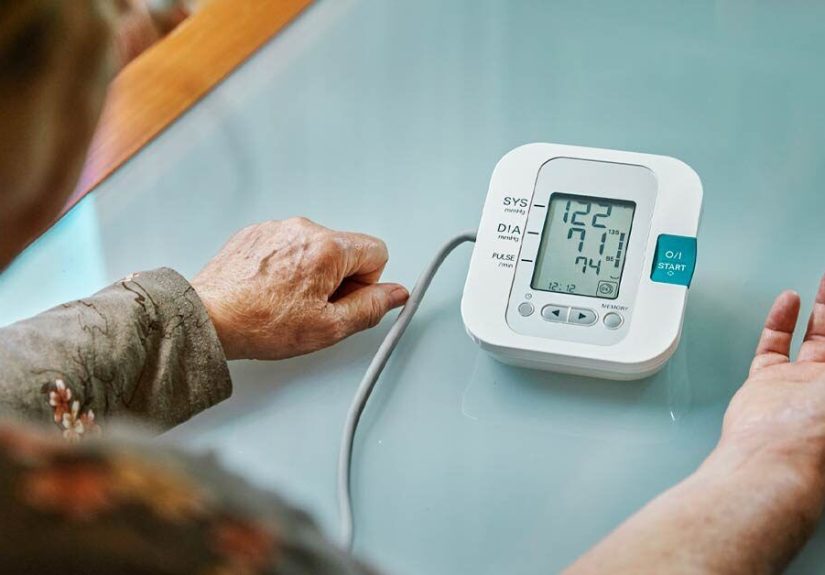
Home blood pressure monitoring can be very helpful, but only if you measure correctly. A sloppy reading can make your numbers look higher or lower than they really are. Blood pressure cuffs are useful, but they are not magical truth machines. Technique matters.
Use These Steps for Better Accuracy
- Sit quietly for at least five minutes before measuring.
- Keep your feet flat on the floor and do not cross your legs.
- Support your back and arm.
- Place the cuff on bare skin, not over clothing.
- Keep your arm at heart level.
- Do not talk during the reading.
- Avoid caffeine, exercise, and smoking shortly before measuring.
- Take readings at the same time each day when tracking trends.
NHLBI guidance for self-measured blood pressure emphasizes sitting calmly, supporting the arm, keeping feet flat, and avoiding distractions such as talking or watching TV during measurement.
Common Mistakes That Can Affect Your Reading
A blood pressure reading can be thrown off by surprisingly ordinary things. Talking during the test can raise the number. A cuff that is too small may overestimate blood pressure. Sitting with unsupported feet or a dangling arm can also affect accuracy. Even needing to use the bathroom can nudge the reading upward. Apparently, your bladder has opinions.
Another common mistake is reacting dramatically to one high number. One reading after stress, poor sleep, or a salty meal does not automatically mean you have hypertension. However, repeated high readings should be discussed with a healthcare professional.
What Causes High Blood Pressure?
High blood pressure can develop for many reasons. Common risk factors include age, family history, excess sodium intake, low physical activity, tobacco use, heavy alcohol use, chronic stress, kidney disease, sleep apnea, diabetes, and carrying excess body weight. Some medications can also raise blood pressure.
In many adults, hypertension develops gradually over years. Because it often has no symptoms, it can quietly damage blood vessels and organs before a person realizes there is a problem. That is why regular screening is important, even when you feel fine.
Why High Blood Pressure Matters
High blood pressure can increase the risk of heart disease, stroke, kidney disease, vision problems, and other serious health complications. It forces the heart to work harder and can damage artery walls over time. Imagine asking your heart to run uphill every day while carrying groceries. Eventually, it gets tired.
The encouraging part is that high blood pressure is manageable. Lifestyle changes, monitoring, and medical treatment can significantly reduce risks. Knowing your blood pressure chart category is the first step toward making smart decisions.
How to Support Healthy Blood Pressure Naturally
Healthy habits are not a punishment. They are maintenance for the body you live in every day. To support better blood pressure, consider these practical strategies:
Eat More Potassium-Rich Foods
Fruits, vegetables, beans, lentils, yogurt, potatoes, and leafy greens can support heart health. People with kidney disease or certain medications should ask a doctor before increasing potassium significantly.
Reduce Excess Sodium
Many people get too much sodium from packaged foods, restaurant meals, deli meats, canned soups, sauces, and salty snacks. Reading labels can be eye-opening. Sometimes the sodium number is hiding in plain sight like a tiny salty ninja.
Move Your Body Regularly
Walking, cycling, swimming, dancing, and strength training can all support cardiovascular health. You do not need to train like an Olympic athlete. Consistency beats dramatic two-day fitness campaigns followed by three weeks of couch negotiations.
Sleep Better
Poor sleep can affect blood pressure and overall health. Create a consistent sleep schedule, reduce late-night screen time, and talk to a healthcare professional if you snore heavily or feel tired despite sleeping.
Manage Stress
Stress does not automatically cause long-term hypertension by itself, but it can contribute to unhealthy habits and temporary spikes. Breathing exercises, time outdoors, journaling, counseling, music, hobbies, and social support may help.
When to Call a Doctor
Call a healthcare professional if your readings are repeatedly above normal, if you are unsure whether your home monitor is accurate, or if your medication seems to cause side effects. Seek urgent medical guidance for very high readings, especially if they remain high after resting.
Get emergency help if a very high blood pressure reading occurs with symptoms such as chest pain, shortness of breath, severe headache, weakness, confusion, vision changes, or difficulty speaking. Those symptoms should never be handled with a “let’s wait and see” attitude.
Personal Experience: Learning to Understand Blood Pressure Without Fear
One of the most common experiences people have with blood pressure is confusion. The cuff tightens, the machine beeps, the numbers appear, and suddenly everyone becomes an amateur cardiologist for three seconds. A reading like 132/84 may look alarming if you expected “perfect” numbers, but understanding the chart changes the whole experience.
Imagine someone checking their blood pressure at a pharmacy kiosk after rushing through traffic, drinking coffee, and arguing with a parking meter that clearly had a personal vendetta. The reading comes back 142/88. Their first thought might be, “That’s it. My arteries have filed a complaint.” But then they sit quietly, breathe, and check again later at home using proper technique. The next readings are 128/78, 124/76, and 126/80. This shows why one number should not be treated like a final verdict.
A blood pressure chart becomes much more useful when paired with a tracking habit. Writing down readings for a week or two can reveal patterns. Some people notice their blood pressure is higher in the morning. Others see spikes after salty restaurant meals or stressful workdays. A few discover that their numbers look better after regular evening walks. This kind of real-life tracking turns vague worry into useful information.
Another experience many people share is “white coat” blood pressure. This happens when readings are higher in a medical office than at home. It does not mean the person is being dramatic. Medical settings can make people nervous, and nervous bodies are very good at pushing numbers upward. Home monitoring, when done correctly, can give healthcare professionals a broader picture.
For someone just starting, the best approach is simple: use a validated upper-arm monitor, sit properly, take two readings one minute apart, and record the numbers. Do this at consistent times, such as morning and evening, if a doctor recommends it. Over time, the chart starts to feel less intimidating. Instead of seeing blood pressure as a mysterious score, you begin to see it as feedback.
The most helpful mindset is curiosity, not fear. A high reading is information. A normal reading is information. A changing pattern is information. Blood pressure is not a character judgment, a moral grade, or a reason to panic. It is one measurable part of health, and it can often improve with the right support.
Many people also learn that small changes add up. Cooking at home a few more nights per week, taking a brisk walk after dinner, choosing lower-sodium foods, improving sleep, and taking prescribed medication consistently can all matter. None of these habits need to be perfect. The goal is progress that lasts longer than a New Year’s resolution written on a napkin.
Most importantly, a blood pressure chart helps people ask better questions. Instead of saying, “Is this number bad?” they can ask, “Which category am I in? Is this a pattern? What should I change? When should I follow up?” That shift makes the chart a tool, not a threat.
Conclusion
A blood pressure chart helps you understand what your numbers mean and when to take action. Normal blood pressure is generally below 120/80 mm Hg, elevated blood pressure starts when the systolic number reaches 120–129 with a diastolic number below 80, and hypertension begins when readings are consistently at or above 130/80 mm Hg. The higher category matters if your top and bottom numbers fall into different ranges.
The smartest way to use a blood pressure chart is to combine it with accurate measurement, regular tracking, healthy lifestyle habits, and professional medical guidance when needed. Your numbers are not there to scare you. They are there to inform you. And once you know how to read them, you are already one step closer to protecting your heart like the hardworking little engine it is.







 Close
Close