
Table of Contents >> Show >> Hide
- What Is Black Currant Seed Oil?
- Understanding Eczema First
- Why People Think Black Currant Seed Oil Might Help Eczema
- What Does the Research Say?
- So, Does Black Currant Seed Oil Help Eczema?
- Topical Black Currant Seed Oil vs. Oral Supplements
- Possible Benefits of Black Currant Seed Oil for Eczema-Prone Skin
- Possible Side Effects and Cautions
- How to Use Black Currant Seed Oil More Safely in an Eczema Routine
- What Works Better for Eczema Than Black Currant Seed Oil?
- Who Might Consider Black Currant Seed Oil?
- Realistic Experiences: What Trying Black Currant Seed Oil for Eczema Can Feel Like
- Final Verdict: Is Black Currant Seed Oil Worth Trying?
Black currant seed oil for eczema sounds like the kind of natural remedy that should arrive wearing a tiny cape. It contains gamma-linolenic acid, has a wholesome berry-family backstory, and appears in plenty of supplement conversations where people are looking for something gentler than yet another tube of cream. But does it actually help eczema, or is it just another “miracle oil” that mostly moisturizes your hope?
The honest answer is: black currant seed oil may have properties that support skin health, but the evidence for treating eczema is limited. It is not a proven cure, not a replacement for eczema medication, and not a guaranteed itch-zapper. Still, because it contains essential fatty acids, especially gamma-linolenic acid, or GLA, it is worth discussing carefully. Eczema is complicated, and anything touching irritated skin deserves more thought than “Well, the internet said it was good.”
What Is Black Currant Seed Oil?
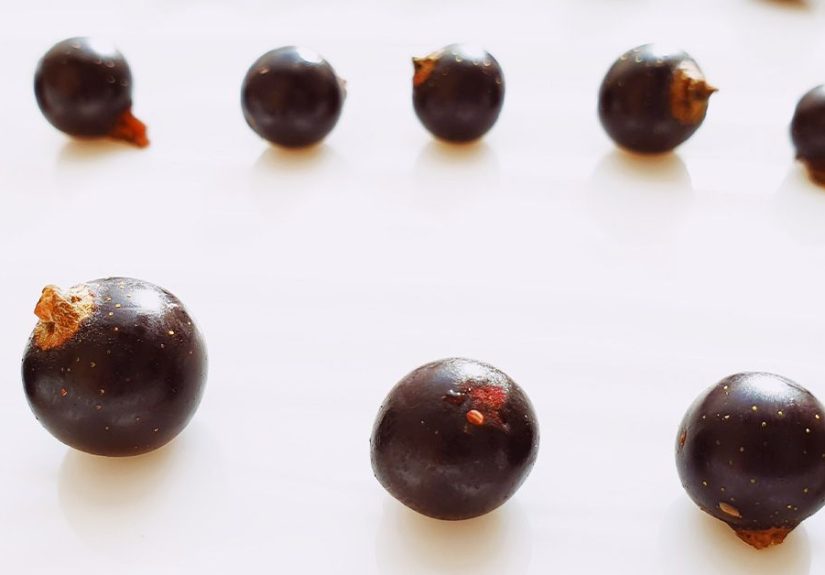
Black currant seed oil comes from the seeds of the black currant plant, Ribes nigrum. The berries are dark, tart, and famous for being rich in plant compounds, but the seed oil is what people usually discuss for skin health. It contains several fatty acids, including linoleic acid, alpha-linolenic acid, and gamma-linolenic acid. GLA is the star of the show because it is involved in pathways that may influence inflammation and skin barrier function.
Black currant seed oil is sold as softgel capsules, liquid oil, and sometimes as an ingredient in topical skin products. Some people take it orally as a dietary supplement, while others apply products containing it to dry or irritated skin. These are very different uses. Swallowing a supplement affects the body systemically, while applying an oil or cream mainly affects the skin surface. A jar and a capsule are not twins; they are more like cousins who show up at the same family reunion.
Understanding Eczema First
Eczema is not just “dry skin being dramatic,” although it certainly has a flair for bad timing. The most common type is atopic dermatitis, a chronic inflammatory skin condition that can cause dryness, itching, redness, rough patches, swelling, cracking, and flare-ups. It often involves a weakened skin barrier, immune system overactivity, genetics, environmental triggers, and sometimes allergies or irritants.
A healthy skin barrier works like a brick wall: skin cells are the bricks, and lipids are the mortar. In eczema-prone skin, that wall can become leaky. Moisture escapes, irritants sneak in, and the immune system may react as though every sweater, soap, and weather change is personally insulting it. That is why dermatologists usually focus on three core goals: restore the skin barrier, reduce inflammation, and avoid known triggers.
Why People Think Black Currant Seed Oil Might Help Eczema
It Contains Gamma-Linolenic Acid
The main reason black currant seed oil gets attention for eczema is its GLA content. GLA is an omega-6 fatty acid found in several plant oils, including black currant seed oil, evening primrose oil, and borage oil. The theory is that GLA may help the body produce anti-inflammatory compounds and support healthier skin lipids.
In theory, that sounds promising. Eczema involves inflammation and barrier damage, so a fatty acid that might influence both seems like a logical candidate. However, biology is not a vending machine: insert GLA, receive calm skin. How the body processes fatty acids varies from person to person, and a nutrient that looks helpful on paper does not always produce obvious improvement in real-life eczema.
It May Support Skin Hydration
Oils can help reduce water loss from the skin when used properly in a skincare routine. Some topical formulas containing black currant seed oil or similar fatty-acid-rich ingredients may improve the feel of dryness by adding emollient or occlusive support. That does not necessarily mean the oil is treating eczema inflammation itself, but it may help skin feel softer and less tight.
For eczema, hydration matters. Dry, cracked skin can itch more, and scratching can worsen inflammation. If a product helps seal moisture into the skin without causing stinging, burning, or contact dermatitis, it may be useful as part of a broader plan. The key phrase is “part of a broader plan,” not “throw away your dermatologist’s advice and become an oil wizard.”
What Does the Research Say?
Research on black currant seed oil specifically for eczema is limited. One frequently discussed study looked at black currant seed oil supplementation during pregnancy and breastfeeding to see whether it might help reduce atopic dermatitis in infants. The results suggested a possible reduction in eczema by 12 months in the black currant seed oil group compared with placebo, but the difference did not remain clearly significant by 24 months. That makes the study interesting, but it does not prove that black currant seed oil treats existing eczema in adults or children.
There is also research interest in topical delivery systems containing black currant seed oil and GLA, including experimental patches designed to improve skin hydration. These studies are early and do not equal a standard over-the-counter treatment recommendation. In plain English: promising laboratory or early clinical ideas are not the same as “put this on every rash and call it a day.”
It is also helpful to compare black currant seed oil with other GLA-rich oils. Evening primrose oil and borage oil have been studied more extensively for eczema, and major evidence reviews have not found convincing clinical benefit when these oils are taken orally for atopic eczema. Black currant seed oil is not identical to those oils, but the comparison adds caution. If similar GLA-rich supplements have not performed strongly in trials, black currant seed oil should not be marketed as a proven eczema treatment without better evidence.
So, Does Black Currant Seed Oil Help Eczema?
Black currant seed oil might help some people with dryness or skin comfort, especially when used in a gentle, fragrance-free topical product. It may also appeal to people interested in nutritional support for skin health. But based on current evidence, it should be viewed as a possible supportive option, not a primary eczema treatment.
For mild eczema, a consistent routine of bathing wisely, applying thick fragrance-free moisturizer, avoiding triggers, and using appropriate over-the-counter or prescription anti-inflammatory treatment when needed is far more evidence-based. For moderate to severe eczema, dermatologists may recommend topical corticosteroids, topical calcineurin inhibitors, crisaborole, JAK inhibitor creams, phototherapy, biologics, or other prescription treatments depending on age, severity, location, and health history.
In other words, black currant seed oil may be a supporting character. It is not the main hero, the plot twist, or the entire movie.
Topical Black Currant Seed Oil vs. Oral Supplements
Using It on the Skin
A topical product containing black currant seed oil may be easier to evaluate because you can see how your skin reacts. For eczema-prone skin, the safest approach is usually to choose products that are fragrance-free, dye-free, and designed for sensitive skin. Pure oils can feel soothing for some people, but they can also irritate others, especially when applied to cracked, weeping, or actively inflamed areas.
A patch test is wise. Apply a tiny amount to a small area of unaffected skin, wait 24 to 48 hours, and watch for redness, burning, itching, swelling, or a rash. If your skin immediately throws a tantrum, listen to it. Eczema skin may be sensitive, but it is rarely subtle.
Taking It as a Supplement
Oral black currant seed oil supplements are more complicated. Supplements can interact with medications, may not be appropriate during pregnancy or breastfeeding unless recommended by a clinician, and may not be well studied in children. Product quality also varies. In the United States, dietary supplements are regulated differently from prescription or over-the-counter medications and are not FDA-approved for safety and effectiveness before they are sold.
Anyone considering oral black currant seed oil for eczema should talk with a healthcare professional first, especially if they take blood thinners, have a bleeding disorder, are preparing for surgery, are pregnant or nursing, or are giving the supplement to a child. “Natural” does not automatically mean “risk-free.” Poison ivy is natural too, and nobody invites it to skincare night.
Possible Benefits of Black Currant Seed Oil for Eczema-Prone Skin
The possible benefits of black currant seed oil are mostly linked to its fatty acid profile. It may help support the skin’s lipid layer, improve the feel of dryness, and provide emollient comfort when used topically. For people whose eczema worsens when skin becomes dry and tight, that added softness may reduce the urge to scratch.
Some people also report that oils make their skin feel more flexible, especially on areas like hands, elbows, ankles, or behind the knees. These areas bend frequently, so dryness can make movement uncomfortable. A well-tolerated oil layered over a moisturizer may help seal in hydration. However, most dermatology guidance still favors thick creams and ointments as the foundation of eczema care because they are more reliable for barrier repair.
Possible Side Effects and Cautions
Black currant seed oil can cause irritation or allergic reactions in some people. Topical use may lead to stinging, redness, itching, or worsening rash, particularly on broken skin. Oral use may cause digestive discomfort in some users. Because supplements can vary in purity and concentration, choosing a product with third-party quality testing may be helpful, though testing seals do not prove that a supplement treats eczema.
Stop using the product and contact a healthcare professional if eczema worsens, if the skin becomes painful, swollen, oozing, crusted, unusually warm, or if there are signs of infection. Eczema can sometimes become infected after scratching, and that is not the time to negotiate with a bottle of oil.
How to Use Black Currant Seed Oil More Safely in an Eczema Routine
If you and your healthcare provider decide it is reasonable to try black currant seed oil, keep the experiment simple. Do not start five new products at once, because then you will have no idea which one helped or which one caused trouble. Introduce one product at a time and track your symptoms.
For topical use, many people do best applying moisturizer first, then sealing it with a small amount of oil or ointment if tolerated. Eczema skin usually loves moisture more than it loves complicated routines. A short lukewarm bath or shower, gentle cleanser, pat-dry technique, and moisturizer within a few minutes can often do more than a shelf full of botanical experiments.
For oral use, avoid guessing a dose from social media. Follow professional advice and the product label, and keep your doctor informed. This is especially important if your eczema is severe or if you are already using prescription medication. Supplements should not quietly sneak into your routine like they are joining a spy agency.
What Works Better for Eczema Than Black Currant Seed Oil?
The best-supported eczema strategies are not glamorous, but they work for many people. First, use a thick, fragrance-free moisturizer daily, often more than once a day. Creams and ointments usually outperform lotions because they contain more oil and create a stronger barrier. Second, identify triggers. Common culprits include fragrance, harsh soaps, hot water, sweat, wool, weather changes, stress, dust mites, and certain detergents.
Third, treat inflammation early. If moisturizers alone do not control itching and redness, a healthcare provider may recommend topical medication. Many people wait too long because they hope the flare will “just calm down.” Sometimes it does. Sometimes it builds a small itchy empire and starts collecting rent.
Fourth, protect sleep. Eczema itch can become worse at night, and poor sleep can make the whole condition feel harder to manage. Keeping nails short, using soft cotton sleepwear, moisturizing before bed, and following a medical flare plan can help reduce the scratch cycle.
Who Might Consider Black Currant Seed Oil?
Black currant seed oil may be worth discussing if your eczema is mild, your skin is mainly dry rather than infected or severely inflamed, and you are looking for a supportive product to use alongside standard care. It may also interest people who cannot tolerate some other oils or who prefer fragrance-free formulas containing fatty acids.
It may not be a good fit if your skin reacts easily to botanical ingredients, if you have open or weeping eczema, if you are pregnant or breastfeeding without medical guidance, if you take medications that affect bleeding, or if you are hoping to replace prescribed treatment. In those cases, a dermatologist-guided plan is safer and more sensible.
Realistic Experiences: What Trying Black Currant Seed Oil for Eczema Can Feel Like
Many people who try black currant seed oil for eczema are not looking for perfection; they are looking for a peaceful Tuesday. Eczema can make ordinary life weirdly strategic. You think about whether a sweater will scratch your neck, whether hand soap in a public bathroom will start a flare, whether a hot shower is worth the consequences, and whether your moisturizer will make you look pleasantly dewy or like you lost a wrestling match with a donut.
A realistic experience with black currant seed oil usually starts with curiosity. Someone reads that it contains GLA, sees it mentioned in eczema forums or wellness articles, and wonders whether it could soften dry patches. If they use it topically, the first few days are often about texture. Some oils absorb nicely, while others sit on the skin and make every sleeve feel like cling wrap. A person with hand eczema might notice that oil feels comforting after moisturizer, especially before bed. Someone with eczema behind the knees may find it too greasy during the day but tolerable at night.
The most useful personal experiments are boring in the best way. One product, one small area, one symptom diary. For example, a person might apply a fragrance-free moisturizer after a lukewarm shower, then add a tiny amount of black currant seed oil to one dry patch on the forearm while leaving another similar patch alone. Over a week, they track itching, redness, cracking, and comfort. If the treated area feels softer but redness remains unchanged, that suggests the oil may be helping dryness rather than inflammation. That is still useful information.
Some experiences are less cheerful. A few people may feel burning or extra itching, especially if the oil is applied to broken skin. Others may break out in a rash from the product itself, not because black currant seed oil is universally bad, but because eczema-prone skin can be extremely picky. It is the skincare equivalent of a restaurant critic who brought a magnifying glass.
Oral supplements create an even slower and murkier experience. If someone starts taking black currant seed oil capsules and their eczema improves three weeks later, it can be hard to know why. Maybe the supplement helped. Maybe the weather changed. Maybe they also switched detergent, slept better, moisturized more consistently, or stopped using a fragranced body wash that smelled like a tropical vacation but treated their skin like a prank. This is why careful tracking matters.
The best “experience-based” takeaway is this: black currant seed oil may be worth a cautious trial for some people, but it should not become an emotional roller coaster. If it helps comfort and hydration, great. If it does nothing, that is not a personal failure. If it irritates your skin, stop. Eczema management is often a series of small adjustments rather than one dramatic discovery. The goal is calmer skin, fewer flares, better sleep, and a routine you can actually follow without needing a spreadsheet, a prayer candle, and the patience of a saint.
Final Verdict: Is Black Currant Seed Oil Worth Trying?
Black currant seed oil for eczema is interesting, but not proven. Its GLA content gives it a reasonable scientific explanation, and some people may find it helpful for dryness or skin comfort. However, current evidence does not support it as a reliable eczema treatment, especially compared with moisturizers, trigger control, and dermatologist-recommended medications.
If you want to try it, think of it as a careful add-on, not a cure. Patch test topical products, talk with a healthcare professional before taking oral supplements, and keep your core eczema routine strong. Eczema skin likes consistency, gentleness, and patience. It does not like hype, fragrance bombs, or being used as a testing lab for every trend with a pretty label.
In short, black currant seed oil may help some people feel more moisturized, but the science is still catching up. Until stronger research arrives, the smartest approach is cautious optimismwith a moisturizer in one hand and common sense in the other.






 Close
Close