
Table of Contents >> Show >> Hide
- First, a Quick Reality Check: “Laser Hair Removal” at Home Is Usually IPL
- How Dermatologists Judge At-Home Hair Removal Devices
- Best At-Home Laser Hair Removal Devices (Dermatologist-Informed Picks)
- 1) Braun Skin i·expert / Braun Silk-expert Pro 5 (IPL)
- 2) Ulike Air Series (IPL, Cooling-Focused)
- 3) Tria Hair Removal Laser 4X (Diode Laser)
- 4) SmoothSkin Devices (IPL)
- 5) Nood The Flasher 2.0 (IPL)
- 6) Foreo Peach 2 (IPL)
- 7) Iluminage / eHPL-Type Options
- 8) Newer Diode Entrants (e.g., Epilaser-style category)
- Who Should (and Shouldn’t) Use At-Home Devices?
- How to Use At-Home Devices Safely (Dermatologist-Style Protocol)
- Expected Timeline: What Results Actually Look Like
- At-Home vs. In-Office: Which One Wins?
- Common Mistakes That Ruin Results
- FAQ
- Experience Section (Extended): What Real At-Home Journeys Usually Feel Like
- Final Thoughts
If shaving is your daily cardio and waxing feels like a trust fall with hot sugar, you are not alone.
At-home laser hair removal devices have gone from “maybe this works?” to “wait…my razor is collecting dust.”
But buying one can still feel like decoding a spaceship manual: IPL vs. diode, skin tone sensors, cooling plates,
flash windows, treatment schedules, and a price tag that says, “Please choose wisely.”
This guide breaks down the best at-home hair reduction devices through a dermatologist-informed lens:
what works, who each device is best for, what to avoid, and how to actually get results without frying your patience
(or your skin). You’ll also get a practical safety plan, a realistic timeline, and a long-form experience section
so you know what real progress looks like over weeks and monthsnot just in perfect “after” photos.
First, a Quick Reality Check: “Laser Hair Removal” at Home Is Usually IPL
Many at-home devices are marketed as “laser,” but most are actually IPL (Intense Pulsed Light).
IPL uses broad-spectrum light to target pigment in the hair follicle and gradually reduce regrowth.
True at-home diode laser options do exist, but they are less common and usually pricier.
Translation: both can help reduce hair, but results are not instant and are not one-and-done forever.
Dermatologists generally frame this as long-term hair reduction, not “never shave again by Tuesday.”
How Dermatologists Judge At-Home Hair Removal Devices
1) FDA-Cleared Status and Safety Features
Dermatologists consistently recommend starting with devices that are FDA-cleared for over-the-counter home use.
Key safety features matter just as much as power:
- Skin tone sensors (to reduce inappropriate flashes)
- Contact sensors (device only flashes when pressed correctly)
- UV filtering and eye-safety design
- Clear contraindication labeling (moles, tattoos, sunburned skin, around eyes)
2) Compatibility With Your Skin Tone and Hair Color
Hair-removal light technology targets melanin in hair. That means contrast usually helps:
darker hair often responds better than very light blond, gray, white, or red hair.
Deeper skin tones require extra caution and device-specific compatibility.
3) Comfort = Compliance
The best device is the one you can use consistently. Cooling tech, ergonomic handles, and fast glide modes
can make the difference between “I’ll do this weekly” and “this is now living in a drawer.”
4) Treatment Speed and Practicality
Tiny windows are fine for upper lip and chin. They are less fun for full legs at 10:45 p.m.
If you want full-body use, look for a larger treatment window and auto-glide/continuous mode.
5) Long-Term Cost Value
Dermatologists often compare device cost to in-office pricing: an at-home device may cost around one clinic session
in some markets, but home use requires discipline and maintenance.
Best At-Home Laser Hair Removal Devices (Dermatologist-Informed Picks)
1) Braun Skin i·expert / Braun Silk-expert Pro 5 (IPL)
Best for: Most users wanting an all-around premium option with smart guidance.
Braun models are repeatedly recommended by dermatologists and beauty testing labs for reliability, speed,
and skin-sensing technology. They’re beginner-friendly but still powerful enough for consistent body use.
- Why it stands out: Fast sessions, high user comfort, strong brand safety profile.
- Watch-out: As with most IPL, hair/skin contrast and tone compatibility still matter.
2) Ulike Air Series (IPL, Cooling-Focused)
Best for: People who fear pain more than commitment.
Dermatologists and tested roundups often mention Ulike’s cooling technology as a comfort advantage.
If discomfort is your biggest barrier, this category of “cooling IPL” can significantly improve adherence.
- Why it stands out: Cooling comfort, easy handling, beginner appeal.
- Watch-out: Slower visible change for coarse areas unless used exactly on schedule.
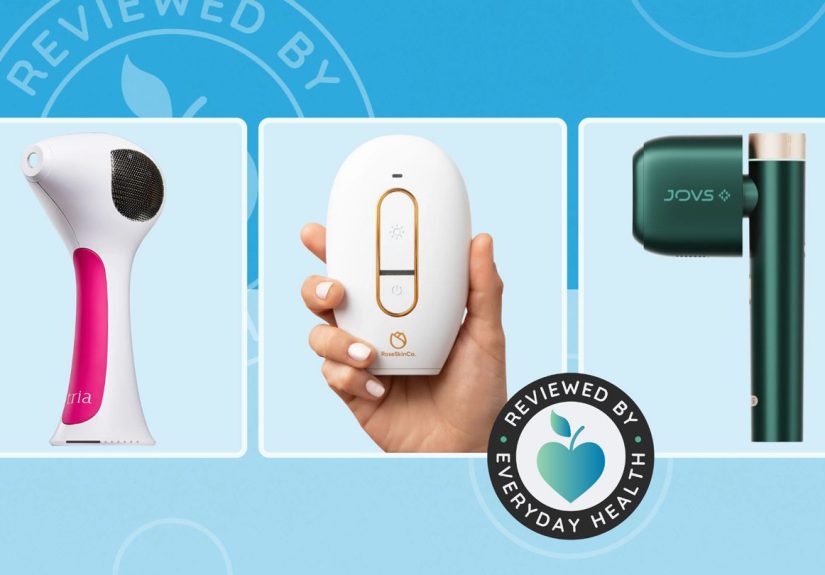
3) Tria Hair Removal Laser 4X (Diode Laser)
Best for: Users specifically seeking a true at-home laser approach.
Tria has long been referenced in dermatologist commentary because it uses diode laser technology
rather than IPL. Some users prefer this for targeted zones and “true laser” confidence.
- Why it stands out: Diode laser format, strong legacy reputation.
- Watch-out: Smaller treatment head can make large-area sessions longer.
4) SmoothSkin Devices (IPL)
Best for: Fast body treatments and straightforward operation.
SmoothSkin frequently appears in expert-curated lists due to speed and smart-sensor operation.
It’s a practical choice for users who want less app complexity and more “point, glide, done.”
- Why it stands out: Speed, intuitive controls, consistent output style.
- Watch-out: Can feel intense in sensitive areas if you skip gradual intensity ramp-up.
5) Nood The Flasher 2.0 (IPL)
Best for: Budget-conscious shoppers who still want recognizable brand support.
Nood is often highlighted in mainstream testing lists and user-trial summaries. It’s commonly chosen as a
value pick for first-time home users.
- Why it stands out: Price-to-performance appeal, beginner-friendly onboarding.
- Watch-out: Results depend heavily on strict weekly cadence during the first phase.
6) Foreo Peach 2 (IPL)
Best for: Users who prioritize design, portability, and smooth app-adjacent experience.
Foreo’s Peach line appears in editor-tested rankings as a comfortable modern tool with appealing ergonomics.
It is often favored by people who want better handling in curved body areas.
- Why it stands out: Comfortable handling and polished user experience.
- Watch-out: Premium pricing in some regions.
7) Iluminage / eHPL-Type Options
Best for: Users exploring systems that combine energy modalities.
Some devices use mixed light-plus-radiofrequency style approaches marketed as broader compatibility options.
These have niche appeal for users who don’t do well with standard IPL alone.
- Why it stands out: Different technology pathway for difficult responders.
- Watch-out: Availability, pricing, and replacement-part ecosystems vary by model generation.
8) Newer Diode Entrants (e.g., Epilaser-style category)
Best for: Early adopters looking beyond traditional IPL.
Newer at-home diode devices are gaining traction in testing coverage and dermatologist discussions.
They may offer a more concentrated wavelength profile than IPL.
- Why it stands out: “True laser” positioning in the home market.
- Watch-out: Verify long-term support, safety documentation, and return policy before buying.
Who Should (and Shouldn’t) Use At-Home Devices?
Great Candidates
- People with dark blond to black hair who can commit to repeated sessions
- Users treating legs, underarms, forearms, bikini line (external)
- Those wanting reduction and slower regrowthnot instant total removal
Use Extra Caution or Consult a Dermatologist First
- Very dark skin tones with devices not explicitly compatible
- Very light, gray, white, or red hair (often poor response)
- People with melasma history, active eczema/psoriasis flares, or photosensitivity
- Anyone using photosensitizing medications
- Hormonal conditions (e.g., PCOS) where regrowth patterns may be stubborn
Do Not Treat
- Near eyes, on tattoos, or over dark moles
- On broken, sunburned, or recently tanned skin
- On genital mucosa or inside nose/ears
How to Use At-Home Devices Safely (Dermatologist-Style Protocol)
- Patch test first: Always test a small area and wait 24–48 hours.
- Shave, don’t wax: Shaving leaves the follicle target intact.
- Start low: Begin with a lower setting, then titrate up if tolerated.
- Wear eye protection if instructed: Follow manual-specific safety rules.
- Stay out of the sun: Avoid tanning before and after sessions.
- Use sunscreen daily: Especially on exposed treated areas.
- Stick to schedule: Weekly or biweekly startup phase is where results are won.
- Document progress: Same lighting photos every 2–4 weeks beats memory bias.
Expected Timeline: What Results Actually Look Like
- Weeks 1–2: Mostly routine-building. Some users notice slower regrowth in easy zones.
- Weeks 3–6: Patchier growth, softer texture, less “shadow” after shaving.
- Weeks 8–12: Clear reduction in many body areas if use was consistent.
- After 3 months: Maintenance phase begins (often every few weeks or seasonally).
Important: if you skip sessions, results can plateau quickly. Consistency is the secret ingredient no one can sell in a box.
At-Home vs. In-Office: Which One Wins?
At-Home Devices Win On
- Convenience and privacy
- Lower long-run grooming cost for many users
- Easy touch-ups
In-Office Treatment Wins On
- Higher power and faster response
- Safer customization for complex skin/hair profiles
- Medical oversight if complications appear
If your skin tone/hair profile is challenging, or if you have hormonal regrowth patterns, in-office treatment with a board-certified dermatologist is often the smarter starting point.
Common Mistakes That Ruin Results
- Using the device on unshaved hair and wasting energy above the skin
- Treating right after sun exposure
- Bouncing between random schedules (“three times this week, then nothing for a month”)
- Using too high intensity too soon and creating irritation that forces long breaks
- Expecting permanent total hair removal from home devices
FAQ
Are at-home devices permanent?
Think long-term reduction, not permanent zero growth forever. Maintenance sessions are usually needed.
Can I use these on my face?
Some devices allow facial zones (usually below cheekbones, upper lip, chin) with strict safety rules.
Never flash near eyes and always follow model-specific instructions.
Is this safe for dark skin?
It can be, but only with devices explicitly designed and labeled for your tone range.
When in doubt, get dermatologist guidance before purchasing.
Does it hurt?
Most users describe warmth, mild snaps, or quick stings. Cooling-enabled devices can feel significantly more comfortable.
Can I wax between sessions?
No. Waxing removes the follicle target. Shaving is usually the recommended between-session method.
Experience Section (Extended): What Real At-Home Journeys Usually Feel Like
The first week is mostly confidence-building. You unbox the device, read the manual twice, and still feel like
you’re preparing for a practical exam in “advanced bathroom science.” Most people start with one test zone
usually lower leg or underarmbecause the stakes feel low and visibility is high. The immediate reaction is often,
“That was less dramatic than I expected.” A little warmth, maybe a mild zap, then nothing major.
By week two, the process becomes less intimidating and more routine. You learn tiny hacks: treatment after showering,
bright bathroom lighting, and dividing body areas into sections so you don’t miss spots. If your device has a glide mode,
this is where it starts to feel efficient instead of fussy. Users often report no dramatic visual changes yet, but they
notice one subtle clue: stubble returns a little slower after shaving.
Weeks three through five are where the “is this actually working?” moment becomes more concrete. Many people describe
patchier regrowth: one part of the shin looks smoother than another, underarms need less frequent shaving, and bikini-line
regrowth is thinner. Coarser hair zones usually improve more slowly than finer body hair. This is also when consistency
gets tested. Missing a week can flatten momentum, while staying on schedule tends to compound progress.
Around week six to eight, users who stayed consistent often say grooming starts feeling optional instead of urgent.
The “five o’clock shadow” effect softens, especially in underarms and lower legs. People with sensitive skin frequently
appreciate that fewer shaves can mean fewer razor bumps and less irritation. The emotional shift is interesting too:
less daily maintenance, fewer last-minute grooming panics, and more freedom in travel or gym routines.
By months two and three, the results are usually meaningful but not magical. The most realistic success story is this:
hair still exists, but it is finer, slower, and less dense. Maintenance becomes lighter than startupoften every few weeks,
depending on area and hormones. Users with hormonal regrowth patterns (especially facial areas) often need more frequent
touch-ups and sometimes combine at-home use with dermatologist care for better control.
Comfort-wise, cooling devices tend to get higher long-term adherence because they reduce dread. Devices without cooling can
still work well, but users may prefer lower settings and gradual progression in sensitive zones. People who rush intensity
often regret it because irritation causes skipped sessions, and skipped sessions cost results.
The biggest practical lesson from experienced users is surprisingly simple: successful at-home hair reduction is less about
finding a “magic wand” and more about building a repeatable, safe routine. If you treat this like brushing your teethsmall,
regular, boringly consistentthe payoff is real. If you treat it like a one-week sprint before vacation, results usually disappoint.
Final lived-experience takeaway: at-home devices can be a great investment when expectations are realistic, the device matches your
skin/hair profile, and you follow safety instructions exactly. People who approach it this way often report the same end result:
fewer razors purchased, less time spent shaving, and smoother skin with much less effort over the long run.
Final Thoughts
The best at-home laser hair removal device is the one that matches your skin tone, hair color, pain tolerance, and lifestyle.
Dermatologists tend to favor devices with strong safety systems, credible testing history, and practical usability.
If you want fast, highly customized resultsor have a complex skin/hair profilein-office treatment still leads.
But for many people, a well-chosen at-home device can deliver meaningful, long-term hair reduction and a seriously simpler routine.







 Close
Close