
Table of Contents >> Show >> Hide
- Why Bellybutton Pain Happens During Pregnancy
- Common Causes of Bellybutton Pain During Pregnancy
- When Bellybutton Pain During Pregnancy May Be Serious
- Home Remedies for Mild Bellybutton Pain During Pregnancy
- How to Describe Bellybutton Pain to Your Provider
- Practical Experiences and Real-Life Comfort Tips
- Conclusion
- SEO Tags
Medical note: Bellybutton pain during pregnancy is often related to normal body changes, but it should never be ignored if it is severe, persistent, sudden, or paired with symptoms like bleeding, fever, vomiting, contractions, dizziness, swelling, vision changes, or decreased fetal movement. This article is educational and not a diagnosis. When in doubt, call your OB-GYN, midwife, or healthcare professional.
Why Bellybutton Pain Happens During Pregnancy
Pregnancy has a funny way of turning ordinary body parts into headline news. One day your bellybutton is minding its own business; the next day it feels tender, stretched, itchy, or oddly sore when you cough, laugh, roll over, or stand up too fast. If you are wondering whether bellybutton pain during pregnancy is normal, the answer is: sometimes, yes. But “normal” does not mean “ignore everything and hope for the best.”
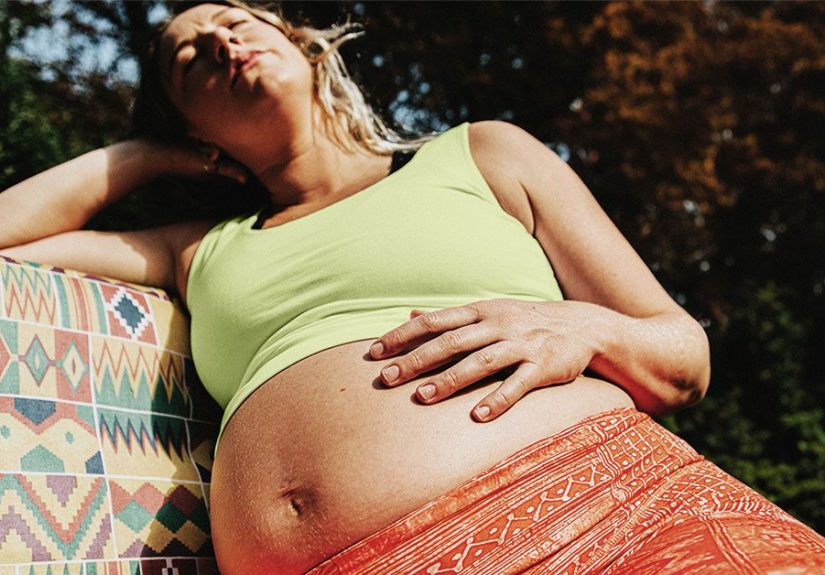
The bellybutton, or navel, sits right in the middle of an area that changes dramatically during pregnancy. As the uterus grows, the abdominal wall stretches, skin tightens, ligaments pull, digestion slows, and pressure increases inside the abdomen. That combination can create mild to moderate discomfort around the bellybutton, especially during the second and third trimesters.
For many pregnant people, bellybutton pain feels like pulling, pressure, soreness, stinging, or a brief sharp sensation. It may show up after a long day, after eating, during movement, or when the baby changes position. The good news: many causes are harmless and manageable at home. The important news: some types of abdominal pain need medical attention quickly.
Common Causes of Bellybutton Pain During Pregnancy
1. Stretching Skin and a Growing Belly
The simplest cause is also the most obvious: your belly is growing. As your uterus expands, the skin and tissues around your abdomen stretch. The bellybutton may flatten, become tender, or pop outward. This can feel strange, sensitive, or mildly painful, especially if clothing rubs against the area.
Skin stretching can also cause itching, tightness, or a burning sensation. Stretch marks may appear, and the skin around the navel may feel thinner or more sensitive. This type of bellybutton discomfort usually comes and goes and is often worse later in the day when your abdomen feels more stretched.
2. Round Ligament Pain
Round ligament pain is one of the most common causes of abdominal discomfort during pregnancy. The round ligaments help support the uterus. As the uterus grows, these ligaments stretch and can cause sharp, sudden pain or a pulling sensation. Although round ligament pain is usually felt low in the abdomen, hips, or groin, some people feel the discomfort radiate toward the bellybutton area.
This pain often appears in the second trimester and may happen when you stand quickly, sneeze, cough, laugh, roll over in bed, or change positions. The pain is usually brief and improves with rest, slower movement, or changing position. Basically, your ligaments are saying, “Please stop moving like you are late for a flight.”
3. Pressure From the Expanding Uterus
As pregnancy progresses, the uterus pushes outward and upward. That pressure can make the bellybutton area feel tender, heavy, or sore. If your baby is pressing forward, you may notice more discomfort around the center of your abdomen. Some people describe it as feeling “bruised” from the inside.
This pressure is often more noticeable in the third trimester, during growth spurts, or after standing for long periods. It may ease when you lie on your side, use a pregnancy pillow, or support your belly with your hands or a maternity support band.
4. Gas, Bloating, and Constipation
Pregnancy hormones slow digestion, and slower digestion can lead to gas, bloating, and constipation. When the intestines fill with gas or stool, pressure can build in the abdomen and cause pain around the bellybutton. This may feel crampy, dull, tight, or shifting. It may improve after passing gas or having a bowel movement.
Constipation-related bellybutton pain may also come with hard stools, straining, feeling full quickly, or abdominal bloating. The uterus also adds pressure to the intestines, so digestion may feel like it is operating on “vacation mode” when you would very much prefer “normal mode.”
5. Umbilical Hernia
An umbilical hernia happens when tissue pushes through a weak spot near the bellybutton. Pregnancy can make an existing weakness more noticeable because abdominal pressure increases as the baby grows. A hernia may appear as a soft bulge near the navel. It may be more visible when coughing, laughing, lifting, or standing.
Some umbilical hernias cause little discomfort, while others cause pain, pressure, or tenderness. Call a healthcare professional if you notice a new bulge, worsening pain, nausea, vomiting, redness, discoloration, or a bulge that cannot be gently pushed back in. Those symptoms may require urgent care.
6. Bellybutton Sensitivity or Irritation
Sometimes the pain is not deep inside the abdomen at all. It may be coming from irritated skin. Tight waistbands, rough fabrics, belly bands, lotions, sweat, or friction can make the navel area sore. If you have a bellybutton piercing, pregnancy can increase pulling and irritation around the piercing site.
Signs of surface irritation include redness, itching, stinging, crusting, or tenderness when clothing touches the area. If there is pus, spreading redness, warmth, swelling, or fever, contact a healthcare professional because infection may be possible.
7. Pregnancy Rashes and Itchy Skin
Itchy skin is common as the belly stretches, but an intense rash should be taken seriously. Some pregnancy-related rashes, such as PUPPP or polymorphic eruption of pregnancy, often start around stretch marks on the abdomen and can spread to the thighs, arms, or other areas. While many pregnancy rashes are not dangerous, they can be extremely uncomfortable and should be evaluated so you get the right treatment.
Also contact your provider if itching is severe without a rash, especially on the palms or soles, or if it comes with dark urine, pale stools, yellowing skin, or feeling unwell. These symptoms can point to conditions that need medical attention.
8. Braxton Hicks Contractions
Braxton Hicks contractions are practice contractions that may feel like tightening across the belly. They can make the abdomen feel firm and uncomfortable, sometimes near the bellybutton. They are more common later in pregnancy and may happen after physical activity, dehydration, or sex.
Unlike true labor contractions, Braxton Hicks usually come and go irregularly, do not steadily intensify, and may improve with hydration, rest, or changing position. If contractions become regular, painful, increasingly strong, or happen before 37 weeks, call your healthcare professional.
When Bellybutton Pain During Pregnancy May Be Serious
Most mild bellybutton discomfort is not an emergency, but pregnancy is not the time to “tough it out” through alarming symptoms. Seek medical care right away if bellybutton or abdominal pain is severe, sudden, worsening, or does not go away.
Call your provider promptly or seek urgent care if pain comes with vaginal bleeding, fluid leakage, fever, chills, severe nausea or vomiting, dizziness, fainting, shoulder pain, painful urination, regular contractions, severe headache, vision changes, swelling of the face or hands, chest pain, trouble breathing, or reduced fetal movement. Also get help if you have upper right abdominal pain, which can be associated with serious pregnancy complications.
Trust your instincts. If something feels wrong, that is enough reason to ask for help. You are not being dramatic; you are being appropriately pregnant, which is basically a full-time body-monitoring job with snacks.
Home Remedies for Mild Bellybutton Pain During Pregnancy
Change Positions Slowly
If pain happens when you stand, twist, cough, or roll over, move more slowly. Before sneezing or coughing, try bending your knees slightly or supporting your belly with your hands. When getting out of bed, roll to your side first, then push up with your arms instead of using your abdominal muscles like you are doing a surprise sit-up.
Rest on Your Side
Lying on your side can reduce pressure on the abdomen and improve comfort. A pillow under the belly or between the knees may help. Many pregnant people find that left-side resting feels best, but comfort matters. Use pillows like you are building a tiny sleep fortress.
Use Gentle Belly Support
A maternity support belt can help lift and support the belly, especially during walking, errands, or long periods of standing. Choose one that feels supportive but not tight. If it presses painfully into the bellybutton or causes numbness, marks, or discomfort, loosen it or stop using it.
Try Warmth, Not Heat
A warm compress on the sore area may ease muscle tension and ligament discomfort. Keep it warm, not hot, and avoid placing high heat directly on the abdomen. A warm shower can also help relax tight muscles. Skip hot tubs and overheated baths unless your healthcare provider says otherwise.
Hydrate and Support Digestion
Water helps reduce constipation and supports overall pregnancy health. If gas or constipation seems to trigger bellybutton pain, focus on fluids, fiber-rich foods, and gentle movement. Good options include fruits, vegetables, beans, lentils, oats, and whole grains. Add fiber gradually so your digestive system does not file a complaint.
Eat Smaller, Slower Meals
Large meals can increase bloating and pressure. Smaller meals spread throughout the day may feel better. Eating slowly, chewing well, and limiting carbonated drinks may also reduce gas. If certain foods reliably cause bloating, keep a simple food-and-symptom note for a few days and discuss patterns with your provider.
Practice Gentle Movement
Walking, prenatal yoga, stretching, and swimming may help circulation, digestion, posture, and muscle comfort. Choose low-impact movement and avoid anything that causes pain, dizziness, shortness of breath, or contractions. If you were not active before pregnancy or have pregnancy complications, ask your healthcare professional what is safe for you.
Moisturize Itchy, Stretching Skin
For skin tightness or itching around the bellybutton, use a gentle, fragrance-free moisturizer. Wear soft, breathable clothing and avoid scratchy fabrics or tight waistbands. If itching is intense, spreading, or paired with a rash, call your provider rather than experimenting with random creams from the back of the bathroom cabinet.
Protect a Sensitive Bellybutton
If clothing irritates your navel, try a soft cotton layer between your skin and waistband. Avoid harsh soaps around the bellybutton. Pat the area dry after showering. If you have a piercing, ask your provider whether it should be removed, especially if it is pulling, red, painful, or swollen.
Ask Before Taking Medicine
Do not take pain relievers, laxatives, herbal supplements, or anti-gas products during pregnancy without checking with your healthcare professional. Some products are safe for many pregnant people, while others are not recommended depending on trimester, health history, and symptoms.
How to Describe Bellybutton Pain to Your Provider
If you call your OB-GYN or midwife, clear details help them decide what you need. Be ready to explain where the pain is, when it started, how strong it is on a scale of 1 to 10, whether it is sharp or dull, and what makes it better or worse.
Also mention your pregnancy week, any bleeding or fluid leakage, fever, vomiting, urinary symptoms, contractions, fetal movement changes, rash, swelling, headache, or vision changes. If you notice a bellybutton bulge, explain whether it changes when you stand, cough, or lie down.
Practical Experiences and Real-Life Comfort Tips
Many pregnant people describe bellybutton pain as one of those symptoms nobody warned them about in detail. Everyone talks about cravings, morning sickness, and swollen feet, but then the bellybutton suddenly becomes the main character. One common experience is tenderness after a busy day. For example, someone may feel fine in the morning, run errands, stand in line, carry groceries, and then notice a sore, stretched feeling around the navel by evening. In that situation, belly support, hydration, and side resting often help.
Another common pattern is quick, sharp pain during movement. A pregnant person might roll over in bed or stand up too quickly and feel a sudden pulling sensation near the bellybutton or lower abdomen. This can be scary the first time. If it disappears quickly and there are no warning signs, it may be related to stretching ligaments. Moving slowly, supporting the belly, and using pillows at night can make a noticeable difference.
Gas and constipation can also create surprisingly strong bellybutton-area discomfort. Some people notice pain after eating a large meal or when they have not had a bowel movement in a day or two. The pain may feel like pressure, cramping, or bloating near the center of the abdomen. In real life, the remedy is usually not glamorous: water, fiber, gentle walking, and patience. Pregnancy digestion can be dramatic, but small daily habits often work better than one heroic bowl of bran cereal.
Skin sensitivity is another overlooked issue. As the belly expands, waistbands that once felt comfortable may become tiny villains. A seam, button, or elastic band rubbing against the bellybutton can cause soreness that feels more serious than it is. Switching to soft maternity leggings, loose dresses, or high-waisted support garments with gentle fabric can help. Moisturizer can also reduce the tight, itchy feeling that comes with stretching skin.
Some pregnant people feel anxious when their bellybutton pops out. This is usually caused by pressure from the growing uterus and stretched abdominal tissue. It can look odd, feel sensitive, and make you wonder whether your body has opened a new notification tab. In many cases, it settles after delivery. However, if there is a painful bulge, worsening tenderness, vomiting, redness, or discoloration, it is worth calling a provider to check for a hernia or another issue.
The biggest lesson from real-life pregnancy experiences is that mild discomfort may be common, but peace of mind matters. You do not need to wait until symptoms are unbearable to ask a question. A quick call to your healthcare team can help separate normal stretching from something that needs evaluation. Keep notes, listen to your body, and treat your belly with kindness. It is doing construction work 24/7, and frankly, the project manager deserves snacks, pillows, and a little respect.
Conclusion
Bellybutton pain during pregnancy is often caused by stretching skin, round ligament pain, pressure from the growing uterus, gas, constipation, skin irritation, Braxton Hicks contractions, or an umbilical hernia. Mild discomfort that improves with rest, hydration, slow movement, gentle support, and skin care is usually manageable at home.
Still, pregnancy pain should be taken seriously when it is severe, persistent, sudden, worsening, or paired with other symptoms. Your healthcare professional is the best person to evaluate your specific situation. Think of bellybutton pain as a message from your changing body: sometimes it says, “Please slow down,” and sometimes it says, “Call the doctor.” Learning the difference can help you stay more comfortable and safer throughout pregnancy.





 Close
Close