
Table of Contents >> Show >> Hide
- Quick answer: Does baking soda help acne?
- What baking soda isand why it’s tempting for acne
- The science-y part (without the boring part): pH, barrier, and irritation
- So… is there any situation where baking soda is “okay” for acne?
- Safer, evidence-based acne options (that don’t come from the baking aisle)
- Common mistakes that make baking soda (and acne) worse
- When to see a dermatologist
- FAQ
- Real-world experiences: what people often notice (and what it can mean)
- Experience #1: “It felt tingly, so I assumed it was working.”
- Experience #2: “My pimples looked smaller the next day.”
- Experience #3: “It made my skin flaky, so I scrubbed more.”
- Experience #4: “I only used it as a spot treatment and it didn’t wreck my face.”
- Experience #5: “It worsened my acne, and I don’t understand why.”
- Experience #6: “I want a natural optionwhat should I do instead?”
- Bottom line
If TikTok (or your aunt’s “natural remedies” group chat) has convinced you that baking soda is basically a
dermatologist in a cardboard box… let’s slow-roll that idea for a second.
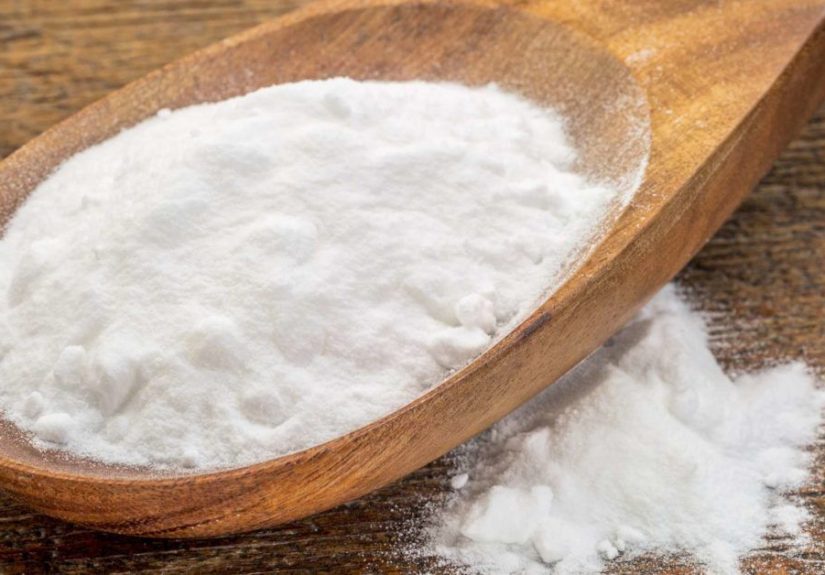
Baking soda (a.k.a. sodium bicarbonate) can dry things out and it can feel satisfyingly “scrubby,” which
makes it seem like it’s doing something heroic to acne. But acne isn’t a dirty-dishes problem, and your face isn’t
a kitchen sink.
In this guide, we’ll break down what the evidence and skin experts generally say about baking soda for acne, why it
sometimes backfires, and what to do instead if your goal is clearer, calmer skin (without starting a feud with your
moisture barrier).
Quick answer: Does baking soda help acne?
For most people: not reallyand it can make acne worse. There’s no strong clinical evidence that plain
baking soda reliably treats acne. What it does reliably do is change the skin’s surface environment, which can
trigger dryness, irritation, and barrier disruptionconditions that often lead to more redness, more sensitivity,
and sometimes more breakouts.
That doesn’t mean every single person will have a skincare catastrophe. Some people report temporary improvement if
they use a very diluted, short-contact “spot” approach once in a while. But “it didn’t instantly ruin my face”
isn’t the same as “it’s a good acne treatment.”
What baking soda isand why it’s tempting for acne
Baking soda is an alkaline powder commonly used for baking, deodorizing, and cleaning. When mixed with water, it
forms a basic (alkaline) solution. That matters because healthy facial skin generally prefers a slightly acidic
surface environment (often called the “acid mantle”).
Why people try it
- It feels like exfoliation: The fine grit can act like a physical scrub.
- It feels “oil-fighting”: It can leave skin feeling less greasy short-term.
- It’s cheap and everywhere: The barrier to entry is basically your pantry.
- DIY culture loves a shortcut: “One weird trick” just sounds efficient.
Why that logic can fail
Acne involves clogged pores, inflammation, hormonal shifts, excess oil production, and skin bacteria dynamics.
Effective acne care usually targets those mechanisms with ingredients that have real evidence behind themnot just a
“drying” sensation.
The science-y part (without the boring part): pH, barrier, and irritation
Your skin’s surface is designed to function best in a mildly acidic range. That acidity supports barrier enzymes,
helps maintain hydration, and supports a healthier skin microbiome. When you repeatedly push skin toward alkaline,
you can disrupt the barriermaking it easier to become irritated and inflamed.
How this connects to breakouts
When the barrier is irritated, you can see:
- More redness and stinging (even with gentle products)
- Dryness and flaking that “looks like acne” or makes bumps more noticeable
- Rebound oiliness because skin tries to compensate for dryness
- Inflammation that can worsen existing pimples
Translation: baking soda can create the exact environment where acne becomes louder, angrier, and more dramatic.
So… is there any situation where baking soda is “okay” for acne?
If we’re being ultra-practical: some people insist on trying it anyway. If that’s you, the goal is to reduce risk.
Think “minimal exposure,” not “full-face frosting like a cupcake.”
Who should skip it entirely
- Sensitive skin, eczema-prone skin, rosacea-prone skin
- Dry skin or anyone already peeling from acne treatments
- Compromised skin (open pimples, picked spots, raw areas)
- Anyone using strong actives (retinoids, acids, benzoyl peroxide) and already feeling irritation
What “best-case” use looks like (lower-risk, not risk-free)
If you’re going to experiment, treat baking soda like a spicy condimenta tiny amount, rarely.
- Patch test first: Try a tiny amount on the jawline or behind the ear. Wait 24 hours.
- Dilute heavily: Avoid gritty scrubbing. Make it more like “cloudy water” than “cement paste.”
- Short contact time: Keep it brief, then rinse well with lukewarm water.
- Spot only: Use on a single pimple area, not the whole face.
- Moisturize after: Use a simple, fragrance-free moisturizer.
- Stop at the first sign of irritation: Burning, tightness, increased redness, flaking, or worsening acne.
If you’re thinking, “That sounds like a lot of rules for something that’s supposed to be a simple home remedy,”
congratulationsyou have excellent instincts.
Safer, evidence-based acne options (that don’t come from the baking aisle)
The good news: you don’t need to DIY your way into irritation. There are over-the-counter acne ingredients with
strong track records and clear usage guidance.
Top OTC ingredients dermatology guidance often supports
-
Benzoyl peroxide: Helps reduce acne-causing bacteria and inflammation. Great for inflamed pimples,
but can be dryingstart slow. - Salicylic acid (BHA): Helps unclog pores; often useful for blackheads/whiteheads and oily skin.
- Adapalene (a topical retinoid): Helps prevent clogged pores and reduce inflammation; often used at night.
- Azelaic acid: Helps with inflammation and uneven tone; can be a nice option for sensitive skin types.
- Sulfur: Can help reduce oil and calm some breakouts, often used in spot treatments.
A simple starter routine (beginner-friendly)
You don’t need a 12-step routine. You need consistency and calm skin.
- AM: Gentle cleanser → light moisturizer → sunscreen (yes, even if it’s cloudy).
- PM: Gentle cleanser → one acne active (start 2–3 nights/week) → moisturizer.
Pick one active to start. Using everything at once is the skincare version of yelling at your skin
and expecting it to relax.
Common mistakes that make baking soda (and acne) worse
1) Scrubbing like you’re sanding a table
Physical abrasion can inflame acne and trigger more redness. Acne isn’t “stuck dirt”it’s inflammation and clogs.
2) Using it daily “until it works”
Daily alkaline exposure is a fast track to dryness and irritation for many people. The more irritated your skin is,
the harder it is to tolerate real acne treatments.
3) Mixing it with other strong actives
If you combine baking soda experiments with acids, retinoids, or benzoyl peroxide, you’re stacking irritation. That
often leads to a barrier meltdown (and then you stop everything, and acne comes roaring backrude).
When to see a dermatologist
If your acne is painful, leaving marks, affecting your confidence, or not improving after 8–12 weeks of consistent
OTC treatment, a dermatologist can help. Prescription options can be more effective and safer than repeating DIY
experiments that irritate your skin.
- See someone sooner if you have deep, tender breakouts or scarring.
- Get help if acne is impacting your mood or daily life.
FAQ
Is baking soda antibacterial for acne?
Baking soda can change the environment bacteria live in, but that’s not the same as proven acne treatment. Acne care
usually benefits more from ingredients designed and tested for acne (like benzoyl peroxide).
Can baking soda reduce redness overnight?
Sometimes it can look like redness improves because skin dries out temporarily. But irritation can rebound,
and over-drying can make redness and sensitivity worse long term.
Can I use baking soda as a face wash?
Generally, that’s a bad idea. Regular face washing should protect your barrier, not challenge it to a duel.
What if it worked for my friend?
Skin varies. Some people tolerate questionable ideas better than others. But acne treatment decisions should be based
on what’s consistently effective and safe for most peoplenot just the bravest friend in the group chat.
Real-world experiences: what people often notice (and what it can mean)
Let’s talk about the “experience gap”that space between what a DIY remedy feels like it’s doing and what’s
actually happening in the skin. If you’ve ever tried baking soda for acne (or you’re tempted), these are common
patterns people report, plus what they typically mean in plain English.
Experience #1: “It felt tingly, so I assumed it was working.”
Tingling can be a warning sign, not a success signal. Many people interpret stinging as “active ingredients doing
their job,” but with baking soda, that sensation often comes from irritation. It’s like thinking smoke means your
dinner is cooking faster. (Sometimes it does. Sometimes you’re just burning it.)
If you notice burning, tightness, or persistent redness after rinsing, that’s your skin saying, “Please stop doing
experiments on me.” A calm, comfortable face is a better long-term acne strategy than a face that feels stripped.
Experience #2: “My pimples looked smaller the next day.”
This one happensespecially with oily skin. Baking soda can temporarily dry the surface, so bumps may look flatter
for a short time. But acne isn’t just surface oil; it’s a clogged pore plus inflammation. Drying the top doesn’t
always address what’s happening deeper down.
Some people get a “honeymoon effect” (a quick improvement) followed by a rebound: more dryness, then more oil, then
more breakouts. That’s why so many DIY attempts feel like a roller coaster: up, down, and suddenly your forehead is
hosting a surprise reunion tour.
Experience #3: “It made my skin flaky, so I scrubbed more.”
This is a very human responseand also a very common acne trap. Flakes can make skin texture look worse, so people
scrub harder or use more baking soda to “smooth it out.” But over-exfoliation can inflame acne and compromise the
barrier, creating even more flaking and sensitivity.
If you see flaking, your next move should usually be: gentle cleanser, moisturizer, and fewer actives
for a bitnot more friction. Think “repair,” not “punish.”
Experience #4: “I only used it as a spot treatment and it didn’t wreck my face.”
This is the most realistic “best case” scenario people describe. A rare, brief, spot-only approach may be tolerated
by some skin types. Even then, it’s not automatically better than standard spot treatments that were made for acne.
If you’re comparing a pantry ingredient to a proven acne active, ask a simple question:
Why take the higher-risk option when lower-risk options exist? That’s not a lectureit’s just good
skincare math.
Experience #5: “It worsened my acne, and I don’t understand why.”
Usually, the culprit is barrier stress. When the skin barrier is disrupted, inflammation increases, and acne often
flares. Sometimes the flare looks like small bumps, increased redness, or “angry” pimples that feel more tender.
People may assume they need to keep using baking soda to “push through,” but that can intensify the cycle.
A better reset is boring (and boring is good): pause the harsh stuff, use a gentle cleanser, moisturize consistently,
and reintroduce a proven acne ingredient slowly. Your skin loves consistency more than it loves surprise chemistry.
Experience #6: “I want a natural optionwhat should I do instead?”
“Natural” doesn’t always mean “gentle,” and “chemical” doesn’t always mean “harsh.” (Water is a chemical. So is
oxygen. Nature is a lab too.)
If you want a simpler, more minimal approach:
- Use a gentle, pH-friendly cleanser instead of alkaline DIY washes.
- Try azelaic acid if you want something that can be effective and often well-tolerated.
- Use a basic moisturizer to support the barrier (which helps acne treatments work better).
- Be consistent for 8–12 weeks before judging results.
Bottom line
Baking soda is not a reliable acne treatment, and it can irritate skin by disrupting the surface environment and
barrier. If you try it anyway, treat it like a high-risk experiment: dilute, short-contact, spot-only, and rare
and stop if irritation shows up.
If your goal is clearer skin, you’ll usually get better results (with less drama) from proven acne ingredients like
benzoyl peroxide, salicylic acid, adapalene, azelaic acid, and a gentle routine you can actually stick with.





 Close
Close