
Table of Contents >> Show >> Hide
- What Counts as a “Food Allergy” in Babies?
- The Most Common Baby Food Allergy Symptoms (The “Look Here First” List)
- What Does Anaphylaxis Look Like in a Baby?
- Timing Clues: How Fast Symptoms Show Up Matters
- Common Trigger Foods for Babies
- Food Allergy vs. Food Intolerance vs. “Normal Baby Chaos”
- What To Do If You Suspect a Baby Food Allergy Reaction
- How Doctors Diagnose Food Allergies in Babies
- Preventing Repeat Reactions: Practical Safety Moves
- Specific Examples: What Reactions Can Look Like at Home
- When to Call 911 vs. When to Call the Pediatrician
- Conclusion: You’re Not OverreactingYou’re Observant
- Parents’ Real-World Experiences (500+ Words)
Babies are tiny, adorable, and occasionally dramatic in ways that would win awards if the Academy recognized “Best Supporting Role in Parental Panic.” But when a baby reacts to a food, the stakes can be realand the clues can be subtle. This guide breaks down the most common signs and symptoms of food allergies in babies, what’s normal “new food weirdness,” and what deserves an immediate call for help.
Quick note: This article is educational, not a substitute for your pediatrician’s advice. If your baby has trouble breathing, swelling of the lips/tongue, looks gray/blue, becomes very floppy, or you’re scared something is seriously wrongtreat it like an emergency.
What Counts as a “Food Allergy” in Babies?
A food allergy happens when the immune system mistakes a food protein for a threat and launches a defensesometimes with fireworks. In babies, reactions generally fall into two big buckets:
- Immediate (often IgE-mediated) reactions that can start within minutes (sometimes up to about two hours) after eating. These are the ones that can include hives, swelling, wheezing, andrarely but importantlyanaphylaxis.
- Delayed (often non-IgE-mediated) reactions that show up hours later, mostly with stomach and bowel symptoms. A classic example is FPIES (Food Protein-Induced Enterocolitis Syndrome), which can cause repetitive vomiting and lethargy a few hours after a trigger food.
Then there’s the third category that loves to confuse everyone: food intolerance. Intolerances can cause discomfort (like gas or diarrhea) but don’t involve the immune system in the same way and are not typically life-threatening. Still worth addressingjust a different “why.”
The Most Common Baby Food Allergy Symptoms (The “Look Here First” List)
Babies can’t say, “Excuse me, my lips are tingling and my throat feels tight.” Instead, they communicate through skin, breathing, belly behavior, and vibes. Here are the symptoms parents most often notice:
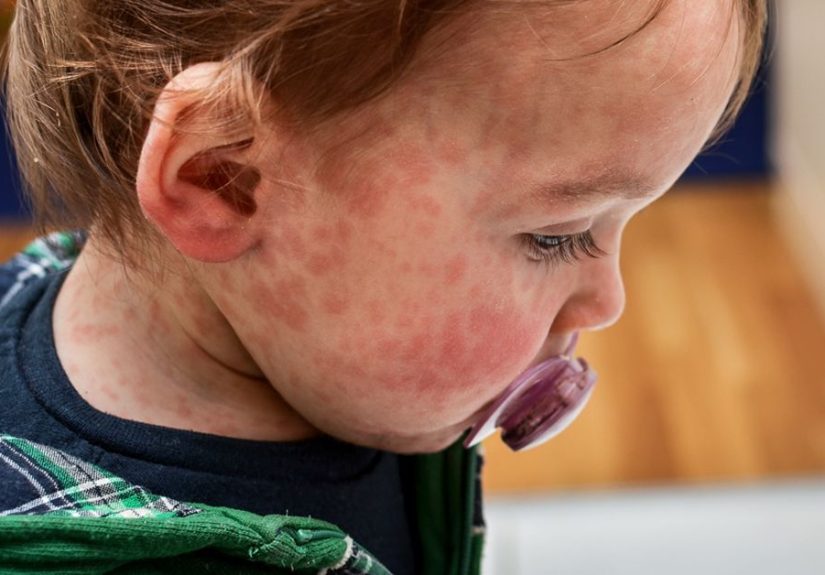
1) Skin Signs: Hives, Rash, and Swelling
- Hives (raised, itchy welts that can move around the body)
- Redness or flushing
- Swelling of the lips, eyelids, face, or tongue (also called angioedema)
- Eczema flare (can be related, but eczema alone doesn’t prove a food allergy)
Helpful tip: Hives that appear quickly after a new food are a stronger allergy signal than a dry patch that showed up “sometime this week.” If you see facial or lip swelling, take it seriouslyespecially if it’s paired with any breathing or vomiting symptoms.
2) Stomach/Gut Symptoms: Vomiting, Diarrhea, Belly Pain
- Vomiting soon after eating
- Diarrhea or very loose stools
- Belly cramps (may show up as intense crying, drawing legs up)
- Blood or mucus in stool (can occur in certain non-IgE reactions and should be evaluated)
A single spit-up doesn’t automatically mean “allergy.” Babies spit up because… they’re babies. But vomiting paired with hives, swelling, coughing, or a sudden change in behavior is a bigger red flag.
3) Breathing and Throat Symptoms: The “Don’t Wait” Category
- Wheezing or noisy breathing
- Persistent coughing after eating
- Throat tightness (may look like trouble swallowing, drooling, gagging, or a hoarse cry)
- Trouble breathing or rapid breathing
Breathing symptoms after eating are never “just cute” and never a “wait and see” situation. If your baby seems to struggle for air, seek emergency help.
4) Whole-Body/Behavior Changes: When Your Baby Looks “Off”
- Sudden sleepiness or unusual limpness (“floppy baby”)
- Paleness, grayness, or bluish lips/skin
- Weakness or poor head control (especially if sudden)
- Extreme irritability or inconsolable crying that starts abruptly after eating
Parents often describe this as “something is wrong and I can’t explain it.” Trust that instinctespecially when symptoms happen right after a food exposure.
What Does Anaphylaxis Look Like in a Baby?
Anaphylaxis is a severe allergic reaction that can escalate quickly and become life-threatening. In babies, anaphylaxis can be tricky because they can’t describe throat sensations or dizziness. Many infants show a combination of skin symptoms (hives/swelling) plus gut symptoms (vomiting/diarrhea), and may also have breathing issues.
Emergency Red Flags
If your baby has ANY of the following after eating, treat it as an emergency:
- Trouble breathing, wheezing, or repeated coughing
- Swelling of the tongue, lips, or faceespecially if it’s progressing
- Hoarse cry, trouble swallowing, or excessive drooling with breathing changes
- Looking very pale/gray/blue, becoming limp, or hard to wake
- Symptoms affecting multiple body systems (example: hives + vomiting, or swelling + coughing)
If your child has been prescribed epinephrine, follow your action plan and use it right away for severe symptoms. Epinephrine is the first-line treatment for anaphylaxisantihistamines are not a substitute. Always seek emergency medical care after giving epinephrine because symptoms can return.
Timing Clues: How Fast Symptoms Show Up Matters
The clock can offer important hints about the type of reaction. Use this quick timeline as a guide (your pediatrician/allergist can confirm what’s happening):
Immediate Reactions (Minutes to ~2 Hours)
- Hives, facial swelling
- Vomiting shortly after eating
- Coughing, wheezing, throat symptoms
- Behavior changes that happen “all of a sudden”
Delayed Reactions (1–4+ Hours Later)
- Repeated vomiting a few hours after the food
- Lethargy, pallor, looking “washed out”
- Diarrhea later on (sometimes significant)
One example of delayed reactions is FPIES, which often appears in infancy and can look like intense vomiting plus lethargy hours after the trigger food. This needs medical evaluation because severe cases can cause dehydration and shock.
Common Trigger Foods for Babies
In the U.S., most serious food-allergic reactions are linked to a small group of foods. Babies can react the first time they eat a foodor after they’ve eaten it before. Common triggers include:
- Milk (cow’s milk protein)
- Egg
- Peanut
- Tree nuts (like cashew, walnut)
- Wheat
- Soy
- Fish
- Shellfish
- Sesame
Also: Babies don’t need “a lot” of a food to react. Sometimes it’s a few bites, a smear, or a shared spoon. The reaction severity can vary each time, so take early signs seriously.
Food Allergy vs. Food Intolerance vs. “Normal Baby Chaos”
If parenting came with a manual, it would still have a chapter titled: “Is this a symptom or just… Tuesday?” Here’s a quick reality check to help you decide what you’re seeing.
More Suggestive of Allergy
- Hives or swelling after eating
- Repeated vomiting soon after a specific food
- Breathing symptoms after eating
- Same reaction pattern with the same food on multiple occasions
More Suggestive of Intolerance or Sensitivity
- Gas, bloating, mild diarrhea without skin/breathing symptoms
- Symptoms that appear inconsistently and don’t match a single trigger food
- Discomfort that improves when portions change (not a guarantee, but a clue)
Still Worth a Call Even If You’re Unsure
- Blood in stool
- Failure to gain weight, persistent vomiting, dehydration concerns
- Any “my baby is not acting like themselves” moment that worries you
What To Do If You Suspect a Baby Food Allergy Reaction
Step 1: Stop the Food and Check Symptoms
Remove the food. Wipe the mouth and hands. Keep your baby upright. Look for hives, swelling, vomiting, coughing, wheezing, and any color or behavior changes.
Step 2: Decide If This Is an Emergency
If there are breathing problems, facial/tongue swelling, limpness, or multiple body systems involved, seek emergency care immediately.
Step 3: Document the Details (Future You Will Thank Present You)
- What food was eaten (brand, ingredients, how prepared)
- How much was eaten
- How quickly symptoms started
- Photos of hives/rash (yes, really)
- Any treatments given and response
Step 4: Call Your Pediatrician (and Often an Allergist)
If symptoms were mild and resolved, your pediatrician can guide next steps. Many families are referred to an allergist for history review and testing. Don’t keep “testing at home” on your own after a reaction without medical guidance.
How Doctors Diagnose Food Allergies in Babies
Diagnosis usually starts with the story: what happened, when, and with what food. Depending on the pattern, clinicians may use:
- Skin prick testing (tiny exposure on the skin)
- Blood testing for specific IgE antibodies
- Elimination and reintroduction under medical advice
- Oral food challenge (the most definitive test, done in a medical setting)
Important nuance: A positive test alone doesn’t always equal a true clinical allergy. Tests are tools, but symptoms and history mattera lot.
Preventing Repeat Reactions: Practical Safety Moves
Read Labels Like It’s Your Hobby (Because Now It Kind of Is)
Major allergens must be declared on packaged foods in the U.S., including sesame. Still, ingredient lists change, and “may contain” statements are voluntaryso ask your allergist what level of avoidance is appropriate for your child.
Avoid Choking Hazards While You’re Avoiding Allergens
Whole nuts, spoonfuls of peanut butter, and chunky nut pieces are choking hazards for babies. If you are introducing peanut in a baby who is ready for solids, use developmentally safe forms (like thinned peanut butter or age-appropriate peanut puffs), and follow your clinician’s guidanceespecially for higher-risk babies.
Ask About an Emergency Action Plan
If your baby is diagnosed with a food allergy, your clinician may provide a written plan and prescribe epinephrine. Make sure all caregivers know the plan and where the medication is stored.
Specific Examples: What Reactions Can Look Like at Home
Example 1: The “Hives After First Bites” Reaction
Your baby tries scrambled egg. Within 10 minutes, you notice raised welts on the cheeks and neck, and the lips look puffy. The baby is fussy and keeps rubbing their face. This patternfast skin symptoms after a new foodstrongly suggests an allergic reaction.
Example 2: The “Vomiting + Sleepy” Delayed Reaction
Your baby eats oats at breakfast. Two hours later, they vomit repeatedly and become unusually sleepy and pale. There’s no rash. This delayed, gut-heavy pattern can be consistent with non-IgE reactions like FPIES and deserves prompt medical attention.
Example 3: The “Coughing After Yogurt” Red Flag
Your baby has a few spoonfuls of yogurt and starts coughing, then wheezing. Breathing symptoms after eating can be a sign of a severe reaction. That’s not a “watchful waiting” momentget urgent care.
When to Call 911 vs. When to Call the Pediatrician
Call 911 (or local emergency services) if:
- Your baby has trouble breathing, wheezing, or persistent coughing after eating
- There’s swelling of the tongue/lips/face with progression
- Your baby becomes limp, very sleepy, hard to wake, or looks pale/blue/gray
- Symptoms involve multiple body systems (hives + vomiting, swelling + coughing, etc.)
Call your pediatrician soon (same day) if:
- Your baby had mild hives that resolved and is otherwise well
- There’s vomiting after a new food but no breathing issues (still worth discussing)
- You see blood/mucus in stool, especially if persistent
- You suspect a pattern linked to a specific food
Conclusion: You’re Not OverreactingYou’re Observant
A baby food allergy reaction can range from mild and skin-only to severe and fast-moving. The key is recognizing the pattern: timing, symptoms across body systems, and how quickly things escalate. If your baby shows breathing problems, swelling, limpness, or a scary sudden change after eating, treat it like the emergency it might be. For milder reactions, document what happened and talk to your pediatricianbecause a calm, informed plan beats panic every time.
Parents’ Real-World Experiences (500+ Words)
If you ask a roomful of parents what a baby food allergy reaction looks like, you’ll get stories that start the same way: “Everything was normal… until it wasn’t.” The tricky part is that babies don’t always follow the script. They’re not going to point to a hive and say, “Observe my immune system’s overachieving.” Instead, parents learn to read tiny changesand those “tiny changes” often become the most useful clues.
One common experience is the “blink-and-there-are-hives” moment. Parents describe offering a few spoonfuls of a new foodegg, yogurt, peanut in a safe formand noticing a sudden rash around the mouth. Sometimes it spreads to the neck or chest. Many parents say the rash looks like mosquito bites that appear out of nowhere and then multiply. The baby might start rubbing their face, getting fussy, or refusing more bites. That refusal can be a quiet clue: babies often stop eating a food that makes them feel weird.
Another classic story is the “stomach reaction that feels bigger than a normal spit-up”. Lots of babies spit up. Parents know that. What they remember is when vomiting looks differentmore forceful, repeated, and tied to a specific food. Some parents notice a pattern: the baby tries a food twice, and both times there’s vomiting within a similar time window. It’s not just “milk came back up,” it’s “my baby looks miserable, and it keeps happening.” When vomiting is paired with hives or swelling, families often say the fear level spikes instantly because it looks like the body is reacting on multiple fronts.
Delayed reactions can be the most confusingand the most emotionally exhausting. Parents of babies with delayed gut-heavy reactions describe thinking, “We already got through breakfast, so we’re fine.” Then, hours later, the baby vomits repeatedly and becomes unusually sleepy or pale. Without a rash, some families initially worry about a virus, reflux, or “something they picked up.” The lightbulb moment often comes later, after tracking foods and realizing the episodes happen after the same ingredient. Many parents say they wish they had written things down soonerbecause memory gets fuzzy when you’re cleaning up vomit while trying not to cry.
The most intense experiences usually involve breathing symptoms. Parents describe coughing that doesn’t stop, wheezing that sounds unfamiliar, or a baby who suddenly struggles to feed because breathing is harder. What stands out is the speed: “It went from fine to scary fast.” Families who have lived through this often become passionate advocates for having a clear action plan, learning what emergency signs look like, and making sure everyone who watches the baby knows what to do.
And then there’s the emotional side: the second-guessing. Parents often wrestle with thoughts like “Am I being dramatic?” or “Maybe it was just a coincidence.” Here’s what many seasoned allergy parents say they learned the hard way: It’s better to be cautious and wrong than relaxed and late. The goal isn’t to live in fearit’s to turn fear into a plan. With the right medical guidance, most families report that the panic fades. You start recognizing patterns, you get clear instructions, and you move from “every bite is terrifying” to “we know what we’re doing.”







 Close
Close