
Table of Contents >> Show >> Hide
- The Short Answer: Healthy-ish in Small Doses, Not a Health Food
- What Pork Rinds Actually Are
- What Pork Rinds Do Well
- Where Pork Rinds Lose Points
- Are Pork Rinds Better Than Potato Chips?
- Can Pork Rinds Fit Into Special Diets?
- Who Should Be More Careful With Pork Rinds?
- How to Make Pork Rinds a Smarter Choice
- So, Are Pork Rinds Healthy?
- Experience and Real-Life Takeaways: What Eating Pork Rinds Actually Looks Like
Pork rinds are the snack equivalent of that friend who shows up looking surprisingly put together, then says something mildly chaotic five minutes later. On one hand, they are crunchy, salty, low in carbs, and often high in protein for their size. On the other hand, they are still a fried, highly processed, pork-based snack that can bring a fair amount of sodium and saturated fat to the party. So, are pork rinds healthy? The honest answer is: sometimes acceptable, rarely ideal, and definitely not a free pass to snack like a champion every day.
If you have ever seen pork rinds marketed as a miracle keto food, a guilt-free chip replacement, or a heroic high-protein snack, you are not imagining things. They do check a few boxes that many snack foods do not. Most plain pork rinds have little to no carbohydrates, which makes them appealing to people following low carb or keto eating plans. They also usually contain more protein than traditional chips. That sounds pretty good until you zoom out and ask the bigger nutrition question: What are you getting besides protein and crunch?
That is where the conversation gets more interesting. Pork rinds are not vegetables in disguise. They do not suddenly become wellness confetti because they fit into a low-carb lifestyle. A snack can be low in carbs and still not be the best everyday choice, especially if it is light on fiber, vitamins, and minerals while leaning hard on salt and animal fat. To really decide whether pork rinds are healthy, you have to look at the whole picture.
The Short Answer: Healthy-ish in Small Doses, Not a Health Food
Here is the practical answer most people are actually looking for: pork rinds can fit into a balanced diet occasionally, but they should not be mistaken for a top-tier healthy snack. They may be a better pick than some chips or crackers if your main goal is cutting carbs or avoiding added sugar. But compared with foods like nuts, roasted chickpeas, edamame, plain Greek yogurt, or air-popped popcorn, pork rinds usually come up short on overall nutrition.
Why? Because the best snacks do more than avoid carbs. They also bring something useful to the table, such as fiber, unsaturated fats, vitamins, minerals, or lasting fullness without a sodium avalanche. Pork rinds mostly bring crunch, protein, fat, and a bold salty personality. That is not nothing, but it is not the same as saying they are “healthy” in the broad, everyday sense.
What Pork Rinds Actually Are
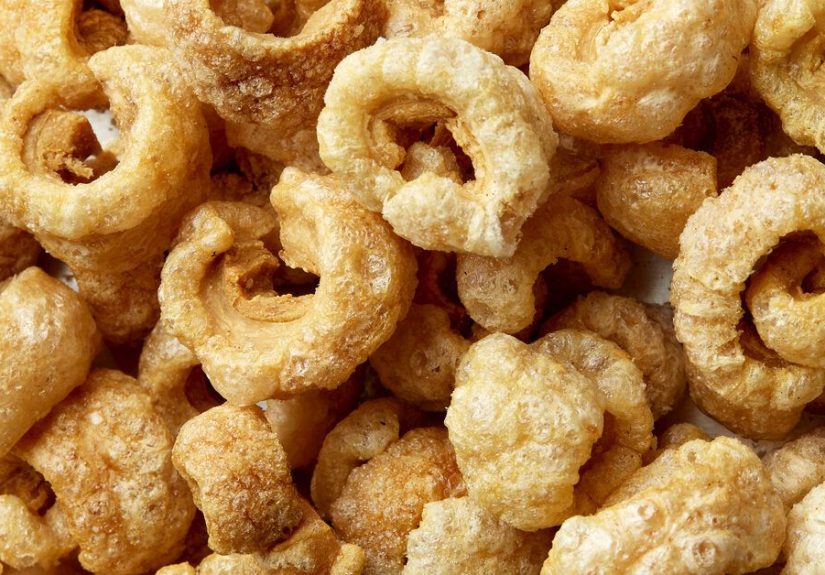
Pork rinds, sometimes sold as chicharrones or pork skins, are made from pig skin that is rendered, dried, and then fried or puffed until crispy. The result is a snack that is airy, loud, and somehow both greasy and dry at the same time. Food science is weird like that.
Because pork rinds are made from skin, they are naturally rich in collagen-based protein and contain virtually no fiber. Plain versions are usually very low in carbohydrates, which is why they became a darling of low-carb snack culture. Flavored versions can contain extra seasonings, more sodium, and sometimes added sugars or starches, so one brand may look quite different from another on the label.
That variation matters. One brand might seem fairly moderate per serving, while another turns one modest handful into a sodium bomb with a mustache. The label tells the truth that the front of the bag is too busy flirting to mention.
What Pork Rinds Do Well
1. They are usually low in carbs
If you are trying to lower your carbohydrate intake, plain pork rinds can help. They generally contain little to no carbs, unlike potato chips, pretzels, or crackers. For people following keto or low-carb meal plans, that makes them a convenient option.
2. They can be satisfying
Crunch matters more than nutrition purists like to admit. A food that feels satisfying is more likely to keep you from inhaling half the pantry. Pork rinds are intensely crunchy and savory, which can scratch that snack itch in a way celery simply never will, no matter how optimistic the dip is.
3. They contain protein
Pork rinds are often marketed as a high-protein snack, and that is partly fair. They can provide a decent amount of protein per ounce. That said, this is not the same kind of protein package you would get from foods that also bring other nutrients to the table, such as yogurt, eggs, beans, nuts, or fish.
4. They may be better than some junk-food alternatives
If the choice is between pork rinds and a bag of chips coated in refined starch, artificial flavor dust, and enough grease to lubricate a bicycle chain, pork rinds may come out ahead on carbs and protein. That does not make them a nutrition superstar. It just means snack comparisons live on a sliding scale, not in a fairy tale.
Where Pork Rinds Lose Points
They are often high in sodium
This is one of the biggest drawbacks. Many pork rinds pack a noticeable amount of sodium into a small serving. If you are eating straight from the bag, which is a very human thing to do, you can blow past your intended portion before your brain has finished saying, “Just a few more.” High sodium intake can be a problem for people trying to manage blood pressure or follow a heart-healthy eating pattern.
They can be high in saturated fat
Pork rinds are not usually the most saturated-fat-heavy food in the grocery store, but they are still an animal-fat snack, and that matters. Most heart-healthy eating advice says to keep saturated fat in check and to choose more unsaturated fats from foods like nuts, seeds, avocado, and plant oils. Pork rinds do not really play in that league.
They contain almost no fiber
This is the part many snack ads quietly moonwalk away from. Fiber helps with fullness, digestion, blood sugar steadiness, and long-term health. Pork rinds bring almost none of it. So while they may feel filling in the moment, they do not offer the same nutritional staying power as fiber-rich snacks.
They are light on vitamins and minerals
Pork rinds are not completely empty nutritionally, but they are not exactly a treasure chest either. They are not the snack you reach for because you need potassium, vitamin C, or a meaningful dose of anything your dietitian would write home about.
They are still a processed snack food
This is a useful reality check. Pork rinds may fit certain trendy diets, but they still sit in the processed-snack category. That means they are best viewed as an occasional convenience food, not as the foundation of a healthy eating pattern. There is not much evidence that regularly building your snack life around salty fried pork skin is the secret to thriving until age 97.
Are Pork Rinds Better Than Potato Chips?
Sometimes, yes. Sometimes, not really. It depends on what “better” means to you.
If your top priority is lower carbs, pork rinds usually win. If your top priority is protein, pork rinds also tend to win. But if your goal is overall nutrition quality, the comparison gets murkier. Neither pork rinds nor standard potato chips are exactly valedictorians of the snack table.
A smarter question might be this: are pork rinds better than chips for a specific situation? For someone on a low-carb diet who wants a crunchy snack and is keeping the portion controlled, maybe. For someone trying to eat more fiber, reduce sodium, and improve heart health, probably not. In that case, roasted nuts, lightly salted popcorn, or crunchy vegetables with hummus make more sense.
Can Pork Rinds Fit Into Special Diets?
Low-carb and keto diets
Yes, this is where pork rinds fit most naturally. Since plain versions are usually nearly carb-free, they are often used as a breading substitute, crunchy topping, or stand-in for chips. But even within keto, “low carb” does not automatically equal “eat endlessly.” A low-carb snack can still be high in sodium, low in fiber, and nutritionally narrow.
Gluten-free diets
Many plain pork rinds are gluten-free, but not all seasoned varieties are guaranteed to be. If gluten matters to you, check the package instead of trusting the bag’s confident vibes.
High-protein eating plans
Pork rinds can contribute protein, but they are not the most balanced way to do it. If you want a protein snack with more nutritional value, think Greek yogurt, cottage cheese, tuna, roasted edamame, or nuts. Those foods bring more than a single trick.
Who Should Be More Careful With Pork Rinds?
Pork rinds may deserve extra caution if you are trying to limit sodium, reduce saturated fat, or follow a heart-health-focused eating plan. They may also be a less ideal everyday snack if you are trying to increase fiber, rely less on processed foods, or choose protein sources with more nutritional variety.
If a healthcare professional has told you to watch your salt intake, keep saturated fat low, or avoid heavily processed snack foods, pork rinds probably belong in the “sometimes” category, not the “stock up at wholesale prices” category.
How to Make Pork Rinds a Smarter Choice
1. Read the label like it owes you money
Brand differences matter. Check serving size first, then sodium, saturated fat, and total calories. Tiny serving sizes can make a bag look more innocent than it really is.
2. Choose plain or lightly seasoned versions
Heavily flavored varieties often come with more sodium and more ingredients. Plain tends to be simpler and easier to work into a reasonable snack.
3. Pair them with foods that add balance
If you are going to eat pork rinds, do not let them fly solo every time. Pair them with sliced vegetables, salsa, guacamole, or a high-fiber side. That way, your snack is not just crunch wearing a pork jacket.
4. Keep portions honest
A measured serving is one thing. Half a family-size bag while watching a show is another. Portioning them into a bowl instead of eating straight from the bag can help your brain remember that numbers and consequences exist.
5. Do not mistake “keto-friendly” for “healthy”
This is the big one. Foods can be keto-friendly, gluten-free, low-carb, grain-free, and still not be especially nutritious. Marketing loves halos. Nutrition prefers context.
So, Are Pork Rinds Healthy?
Not really as an everyday health food, but not automatically terrible either. Pork rinds can work as an occasional snack, especially for people who want a low-carb crunchy option. They offer protein and usually avoid the refined carbohydrates found in many snack foods. That is the good news.
The less glamorous news is that they are still a processed, salty, animal-based snack with little fiber and limited overall nutrition. If you eat them sometimes, keep portions reasonable, and the rest of your diet is rich in vegetables, fruits, beans, whole grains, nuts, seeds, and healthier protein sources, pork rinds are not likely to be a dietary disaster. But if they become your daily “healthy snack” because the label says low carb and the internet said protein, that is where the wheels get a little wobbly.
In plain English: pork rinds are fine now and then, useful in some diets, but not the snack equivalent of a gold star. They are more like a loophole with crunch.
Experience and Real-Life Takeaways: What Eating Pork Rinds Actually Looks Like
In real life, pork rinds tend to show up in a few familiar ways. First, there is the person cutting carbs who feels genuinely thrilled to find a snack that does not taste like punishment. They swap chips for pork rinds, sprinkle crushed pork rinds on casseroles, and use them as a breading for chicken. At first, it feels like nutritional wizardry. “You mean I can have crunch and stay low carb?” Yes, absolutely. That experience is real, and for some people it makes sticking to a lower-carb plan easier.
Then there is the second phase, which is also very real: the snack starts feeling less like a strategic choice and more like a daily habit. The bag gets bigger. The portions get blurrier. The sodium quietly stacks up. Somewhere between “I found a smart substitute” and “I have a dedicated pork rind drawer,” the health math changes.
Another common experience is that pork rinds feel filling at first, but not always satisfying for very long. They are crunchy and savory, which helps in the moment, yet they do not offer the fiber or broader nutrition that often makes a snack feel complete. So some people finish a serving, enjoy it, and then find themselves poking around the kitchen again 45 minutes later like amateur detectives looking for cheese.
People also often discover that brand differences are no joke. One bag tastes light and simple. Another tastes like it was seasoned by a committee of salt shakers and smoke flavor. Some versions are pleasantly crisp. Others are so aggressively crunchy they sound like stepping on twigs in a silent movie. Reading labels and trying a few brands usually teaches people that “pork rinds” is not one uniform experience.
Perhaps the most useful real-world lesson is this: pork rinds work best when people treat them as a supporting actor, not the star of the diet. A small serving with guacamole, salsa, or crunchy vegetables can fit nicely into a snack. A handful crushed over a casserole or used as a coating can be a clever kitchen move. But building an entire idea of healthy eating around them usually ends in disappointment, or at least a very thirsty afternoon.
That is why the healthiest experience with pork rinds tends to be the least dramatic one. You enjoy them once in a while. You keep an eye on the label. You do not pretend they are kale in a leather jacket. You let them be what they are: a convenient, crunchy, sometimes-useful snack that can fit into a decent diet without becoming the mascot of it.






 Close
Close