
Table of Contents >> Show >> Hide
- The short answer: Yes, carrots can help with weight loss
- Why carrots are good for weight loss
- When carrots are not especially helpful for weight loss
- Raw or cooked carrots: Which is better?
- How to use carrots for weight loss without getting bored
- Best carrot pairings for a weight-loss plan
- 5 easy carrot recipes for weight loss
- Common mistakes people make with carrots and weight loss
- Storage and prep tips
- Final verdict: Are carrots good for weight loss?
- Experience-based insights: What people often notice when they use carrots for weight loss
- SEO Tags
If weight loss advice has ever made you feel like you need a spreadsheet, a personal chef, and the emotional stability of a monk, let’s take a breath. Sometimes the most useful foods are the least glamorous ones. Enter the humble carrot: crunchy, bright, budget-friendly, and usually hanging out in the produce drawer like it pays rent.
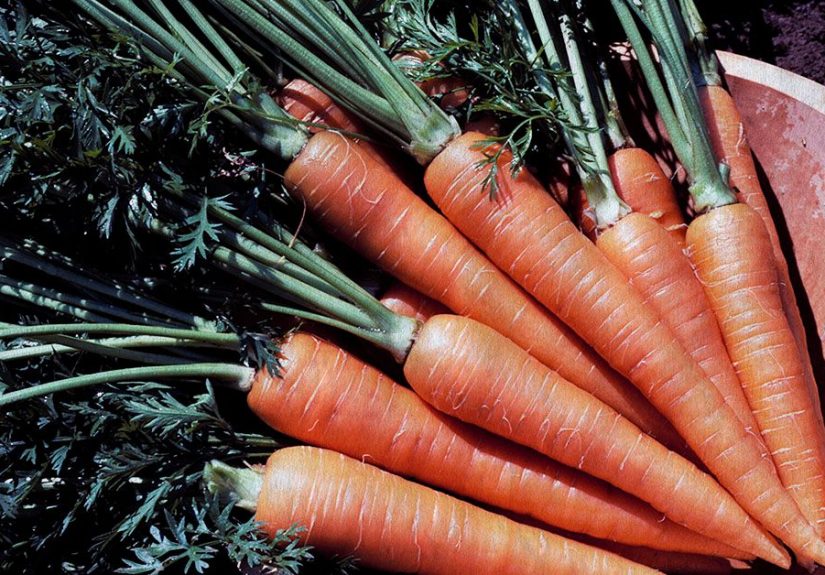
So, are carrots good for weight loss? In a word, yes. In a more honest phrase, yes, when you use them wisely. Carrots are low in calories, contain fiber, bring plenty of volume to a meal or snack, and offer natural sweetness that can help satisfy cravings without sending your day into dessert chaos. They are not magical fat-melting orange wands. But they are a smart, practical food that fits beautifully into a healthy weight-loss plan.
This article breaks down why carrots can support weight loss, when they are less helpful than their health halo suggests, how to eat them strategically, and a handful of easy recipes you will actually want to make. Because if your “healthy food” tastes like punishment, the relationship probably will not last.
The short answer: Yes, carrots can help with weight loss
Carrots are a solid weight-loss food for a few simple reasons. First, they are low in calories for the amount of food you get. One medium carrot has only about 25 calories, yet it adds crunch, chewing time, and satisfaction. Second, carrots contain fiber, which helps you feel fuller for longer. Third, they are easy to swap in for higher-calorie snacks like chips, crackers, or cookies.
That combination matters. Weight loss usually works better when you choose foods that help you feel physically satisfied without packing in tons of calories. Nutrition experts often call this low calorie density. Translation: you get a decent amount of food for fewer calories. Carrots are excellent at that game.
They also have something many “diet foods” lack: personality. A carrot is crisp, slightly sweet, and refreshing. It does not need a marketing team or a dramatic wellness slogan to be useful. It just quietly does the job.
Why carrots are good for weight loss
1. They are low in calories but high in volume
One of the easiest ways to make weight loss feel less miserable is to eat foods that take up more room on your plate and in your stomach without blowing up your calorie budget. Carrots do exactly that. They contain a lot of water and fiber, which adds bulk. That bulk can help meals and snacks feel more satisfying.
Compare a large handful of carrot sticks with a handful of potato chips. The chips disappear in approximately six seconds and leave behind a greasy mystery and a desire for more chips. Carrots, on the other hand, require actual chewing, provide crunch, and usually leave you feeling like you ate something rather than merely waved at a snack.
2. Their fiber helps with fullness
Fiber is one of the quiet heroes of healthy eating. It helps support digestion, can slow the pace at which food moves through your system, and may help you stay full longer after eating. Carrots are not the highest-fiber food on earth, but they absolutely contribute. If you regularly eat carrots alongside other fiber-rich foods like beans, oats, fruit, or whole grains, that fullness effect can add up in a big way.
In other words, carrots may not do all the heavy lifting by themselves, but they are excellent teammates.
3. They can replace less helpful snacks
One of the biggest reasons carrots support weight loss is not just what they are, but what they can replace. If a bowl of baby carrots with hummus stands in for a vending-machine pastry or a second handful of cheesy crackers, that is a very practical win.
Weight loss often improves when you build better defaults. If washed carrots are visible and ready to eat, you are more likely to grab them. If the only ready-to-eat option is a family-size bag of snack food that whispers your name like a villain in a movie, your willpower may have a rough evening.
4. They offer natural sweetness
Carrots have a mild sweetness, especially when roasted. That can be surprisingly helpful if you are trying to cut back on desserts or sugary snacks. A roasted carrot dish with spices, herbs, or a yogurt-based sauce can feel satisfying in a way that plain “diet food” often does not.
This does not mean carrots are dessert, unless your dessert standards are extremely disciplined. But they can absolutely help bridge the gap between “I want something sweet” and “I accidentally ate half a bakery.”
5. They are versatile enough to prevent boredom
Raw, roasted, shredded, blended into soup, folded into oats, tossed into grain bowls, or paired with dip, carrots can show up in many forms. That variety matters because boring food plans tend to last about as long as New Year’s resolutions at a donut convention.
When carrots are not especially helpful for weight loss
Carrots are healthy, but let’s not slap angel wings on every carrot-related food. There are a few situations where carrots are less useful for weight loss:
- When they are drenched in sugar or butter: Candied carrots, heavily glazed carrots, or carrot side dishes swimming in syrup can be much higher in calories than people realize.
- When the dip steals the spotlight: Carrots with dip can be a fantastic snack, but giant portions of ranch, cheese dip, or creamy dressing can turn a light snack into a sneaky calorie bomb.
- When you only drink them: Carrot juice can be nutritious, but whole carrots are usually more filling because chewing and intact fiber help with satiety.
- When they are part of a “health halo” meal: A muffin with carrots is still a muffin. Carrot cake remains cake, no matter how earnestly it contains vegetables.
So yes, carrots are good for weight loss. But the preparation matters. A carrot can be a smart side dish, a useful snack, or the innocent bystander in a casserole of questionable intentions.
Raw or cooked carrots: Which is better?
The good news is that both raw and cooked carrots can fit a weight-loss plan.
Raw carrots
Raw carrots are excellent for snacking because they are crunchy, portable, and naturally portion-friendly. They also take more chewing, which can help slow you down. For many people, raw carrots are the best option when the goal is to replace crunchy processed snacks.
Cooked carrots
Cooked carrots are softer, sweeter, and easier to work into meals. Roasting brings out their natural sweetness, and soups or sautés can make them more appealing if you are not excited by raw vegetables. Just keep an eye on what gets added during cooking. A reasonable amount of olive oil, herbs, garlic, or yogurt-based sauce is one thing. A sugar-heavy glaze is another story.
Bottom line: the better choice is the one you will actually eat consistently.
How to use carrots for weight loss without getting bored
- Pair them with protein or healthy fat. Carrots alone are fine, but pairing them with hummus, Greek yogurt dip, cottage cheese, tuna salad, or a handful of nuts can make the snack more satisfying.
- Use them to add volume to meals. Shred carrots into salads, grain bowls, wraps, soups, stir-fries, and rice dishes to make meals bigger without a huge calorie jump.
- Prep them ahead of time. Wash, peel, and slice carrots once so you do not have to negotiate with your future hungry self.
- Keep portions of dips realistic. The carrot is not the problem. The half-cup of creamy dressing pretending to be a “little dip” might be.
- Swap, do not just add. If you want carrots to help with weight loss, use them to replace some higher-calorie foods rather than simply adding them on top of everything else.
- Rotate textures. Have them raw one day, roasted the next, and shredded into slaw the day after that. Carrots are more interesting when they are not forced into the same role every day.
Best carrot pairings for a weight-loss plan
Carrots are most effective when they are part of a balanced eating pattern. Some of the best pairings include:
- Carrots + hummus: Great for fiber, flavor, and a more satisfying snack.
- Carrots + Greek yogurt dip: A smart way to add protein and keep calories reasonable.
- Carrots + chickpeas: Perfect in salads or bowls for more staying power.
- Carrots + lean protein: Think chicken, turkey, tofu, or fish with roasted carrots on the side.
- Carrots + leafy greens: A shaved carrot salad instantly feels more colorful and more filling.
- Carrots + oats or muffins made with less sugar: A useful way to sneak vegetables into breakfast without making breakfast weird in a bad way.
5 easy carrot recipes for weight loss
1. Crunchy carrots with Greek yogurt ranch
Why it works: Crisp, high-volume, and more satisfying than plain vegetables.
Ingredients: carrot sticks, plain Greek yogurt, lemon juice, garlic powder, dill, parsley, black pepper, pinch of salt.
How to make it: Stir the yogurt with lemon juice and seasonings until creamy. Serve with carrot sticks. Keep the dip portion moderate and the veggie portion generous.
2. Roasted carrots and chickpeas
Why it works: Fiber plus protein equals a more filling side dish or light meal.
Ingredients: sliced carrots, chickpeas, olive oil, paprika, cumin, garlic powder, pepper.
How to make it: Toss everything lightly in oil and spices, roast at 400°F until the carrots are tender and the chickpeas are crisp. Finish with lemon juice. This is the kind of tray bake that makes you feel unusually organized.
3. Carrot ginger soup
Why it works: Warm, comforting, and a nice way to eat a large serving of vegetables.
Ingredients: carrots, onion, garlic, fresh ginger, low-sodium broth, black pepper, a small spoonful of plain yogurt if desired.
How to make it: Sauté the onion, garlic, and ginger. Add chopped carrots and broth, simmer until soft, then blend until smooth. It tastes fancy, even if you are eating it while wearing socks that do not match.
4. Shaved carrot apple slaw
Why it works: Crunchy, fresh, and great for replacing heavier side dishes.
Ingredients: shredded carrots, sliced apple, red cabbage, lemon juice, a little olive oil, mustard, black pepper.
How to make it: Toss everything together and chill. Add pumpkin seeds for texture if you want a little more staying power.
5. Cinnamon carrot oats
Why it works: A breakfast that tastes a little like carrot cake, but without the sugar crash and regret.
Ingredients: oats, grated carrot, cinnamon, chia seeds, milk of choice, vanilla, chopped walnuts.
How to make it: Cook the oats with grated carrot and cinnamon. Stir in chia and vanilla, then top with walnuts. It is cozy, filling, and surprisingly good.
Common mistakes people make with carrots and weight loss
- Assuming all carrot foods are slimming: Carrot cake, muffins, and sugary juices can still be high in calories.
- Relying on carrots alone: Carrots are helpful, but long-lasting weight loss usually comes from your overall eating pattern.
- Skipping protein: A snack of only carrots may not keep you full for long.
- Using giant portions of dip: Keep the dip helpful, not theatrical.
- Forgetting convenience: If your carrots are buried in the back of the refrigerator behind mystery leftovers, they may never get their moment.
Storage and prep tips
Store carrots in the refrigerator and keep them dry and sealed for best freshness. Pre-cut carrots are convenient, but whole carrots often last longer. If you prep a batch in advance, keep them in a container you can see easily. Visibility matters more than people admit.
If you cook carrots in soups, sheet-pan meals, or roasts, refrigerate leftovers promptly and use them within a few days. Also, wash and scrub carrots well before using them, especially if you are eating them raw. Dirt is charming in a garden, less so in lunch.
Final verdict: Are carrots good for weight loss?
Yes, carrots are good for weight loss. They are low in calories, contain fiber, bring satisfying crunch, and can help replace higher-calorie snacks and side dishes. They also work in raw, cooked, and blended forms, which makes them easier to eat regularly.
The catch is simple: carrots help most when they are part of a smart overall routine. Pair them with protein, use them to add volume to meals, keep rich dips and sugary glazes in check, and treat them as a useful tool rather than a miracle cure.
If you do that, carrots can absolutely earn a spot in your weight-loss kitchen. Not because they are trendy. Not because they come with a dramatic promise. But because they are practical, affordable, and weirdly excellent at minding their business while helping you mind yours.
Experience-based insights: What people often notice when they use carrots for weight loss
The most common real-world experience with carrots and weight loss is not dramatic. Nobody usually bites one carrot and hears a tiny wellness choir. What people often notice instead is a series of small, useful changes that add up over time.
One common experience is that carrots make snacking feel more structured. People who replace part of their usual afternoon snack with carrots often say they feel less weighed down and less likely to keep reaching for more food just because it is there. A bag of chips encourages “just a few more.” Carrots, especially when paired with hummus or yogurt dip, tend to feel more like an actual snack with a beginning and an end.
Another frequent experience is improved portion awareness. Carrots are visually obvious. A plate of carrot sticks looks like food. That sounds simple, but it matters. When snacks are highly processed and easy to eat quickly, people often lose track of how much they consumed. Carrots slow that down. You chew more, crunch more, and usually register the eating experience better. Many people describe this as feeling more satisfied on fewer calories, even if they never use that exact phrase at the dinner table.
Some people also notice that carrots help with the “I want something sweet” problem in the late afternoon or after dinner. Roasted carrots, in particular, can taste sweet enough to calm a craving without turning into a sugar avalanche. They are not a substitute for every dessert craving ever invented, but they can be a useful middle ground. For someone trying to cut back on candy, pastries, or random bites of leftovers while standing in front of the refrigerator, that matters.
Busy people often report that carrots work best when they are prepared in advance. This is almost comically predictable. The carrots that get eaten are the carrots that are washed, cut, and visible. The carrots that do not get eaten are the ones still in the bag, hiding beneath other produce like tiny orange introverts. In real life, convenience often beats intention. When carrots are ready to grab, they become an easy win.
There is also a learning curve. Some people start with the idea that carrots are a “diet food,” eat a few plain baby carrots, feel unimpressed, and move on. But once they figure out better pairings, things improve. Carrots with hummus, shredded carrots in salads, roasted carrots with spices, carrot soup with ginger, or grated carrots stirred into oats feel far more satisfying than sad plain carrot sticks eaten with the emotional energy of a tax audit.
Probably the most honest experience of all is that carrots help most when they replace something less helpful. People tend to see better results when carrots become the crunchy side instead of fries, the snack instead of cookies, or the add-in that bulks up a grain bowl instead of another heavy topping. That is where their value really shows up. Carrots are not a miracle. They are a useful habit. And in the long game of weight loss, useful habits beat miracles almost every time.





 Close
Close