
Table of Contents >> Show >> Hide
- What Are Airless Car Tires?
- How Do Airless Tires Work?
- Why Airless Tires Sound Like a Brilliant Idea
- The Safety Case for Airless Tires
- The Comfort Question: Will Airless Tires Ride Smoothly?
- Performance: Are Airless Tires Good for Highway Driving?
- Are Airless Tires Better for Electric Vehicles?
- The Environmental Angle
- The Downsides of Airless Car Tires
- Who Benefits Most From Airless Tires?
- So, Are Airless Car Tires a Good Idea?
- Real-World Experiences: What Airless Tires Might Feel Like for Drivers
- Final Verdict
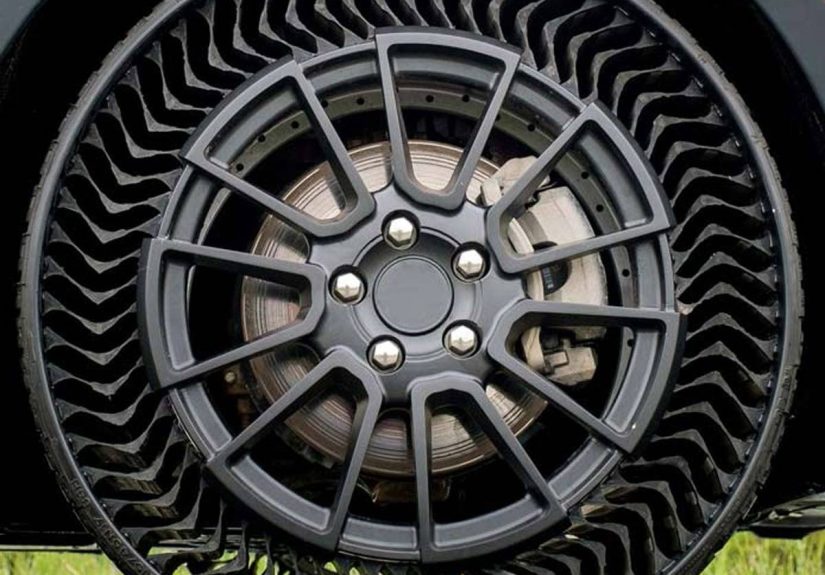
Airless car tires sound like the kind of invention that should already be on every vehicle: no flats, no tire pressure checks, no roadside panic while you stare at a sad rubber pancake and wonder why you never learned how to use the jack. The idea is simple enough to be irresistible. Instead of using compressed air to support the vehicle, an airless tire uses a structural designusually flexible spokes, a shear band, and a tread surfaceto carry weight and absorb impacts.
But are airless car tires actually a good idea for everyday drivers? The honest answer is: yes, but not for everyone yet. Airless tire technology is genuinely promising, especially for fleets, autonomous shuttles, delivery vehicles, military equipment, utility machines, and drivers who hate maintenance. However, for regular passenger cars, the technology is still moving from “very cool prototype” toward “ready for your neighborhood tire shop.”
This guide breaks down how airless tires work, why companies are investing in them, where they shine, where they still struggle, and whether you should be excited, skeptical, or both. Spoiler: excitement is allowed, but maybe do not throw away your tire pressure gauge just yet.
What Are Airless Car Tires?
Airless car tires, also called non-pneumatic tires, are tires that do not rely on compressed air. Traditional tires use air pressure to support the vehicle, cushion the ride, and maintain the tire’s shape. Airless tires replace that hidden cushion of air with a visible or semi-visible structure made from engineered materials.
Many modern airless tire designs use flexible spokes between the wheel hub and the outer tread. These spokes bend and recover as the tire rolls, helping the tire carry weight while absorbing bumps. The tread still contacts the road like a normal tire, but the sidewall and air chamber are gone. In some designs, the tire and wheel are integrated into one unit.
That means no sudden loss of air, no low-pressure warning light, and no traditional blowout caused by a puncture. For anyone who has ever driven over a nail five minutes after buying coffee, this sounds like justice.
How Do Airless Tires Work?
Airless tires work by replacing air pressure with mechanical support. Instead of trapping air inside a sealed chamber, they use a load-bearing structure that flexes under pressure. The major parts usually include:
1. A Strong Outer Tread
The tread is the part that touches the road. It still needs to provide grip, handle wet pavement, resist wear, and maintain stability. In many airless designs, the tread can potentially be replaced or retreaded, which may reduce waste.
2. A Shear Band
The shear band helps spread road forces across the tire. Think of it as the part that keeps the tire from acting like a wobbly bicycle wheel from a garage sale. It helps maintain shape and keeps the tire rolling evenly.
3. Flexible Spokes
The spokes are the most visually recognizable part of many airless tires. They support the vehicle’s weight and flex as the tire rolls. The material must be strong, elastic, durable, and resistant to heat, weather, and repeated stress.
4. A Hub or Wheel Assembly
The hub connects the tire structure to the vehicle. Some airless tires are sold as a combined tire-and-wheel assembly, while future passenger designs may vary depending on automaker and tire manufacturer partnerships.
Why Airless Tires Sound Like a Brilliant Idea
The biggest advantage of airless tires is obvious: they do not go flat in the traditional sense. A nail, screw, pothole, or sharp rock may damage the tread, but it cannot release air because there is no air to release. This could make driving safer and less stressful, especially in places where road debris is common.
Flat tires are not just annoying. They can be dangerous when they happen at highway speeds or in areas where pulling over is risky. They also create delays, towing costs, missed appointments, and a special kind of emotional collapse usually reserved for printers that jam five minutes before a deadline.
Airless tires could also reduce maintenance. Drivers would no longer need to check tire pressure, inflate tires in cold weather, or worry about slow leaks. Fleet managers would love this. A delivery company with hundreds of vehicles could save time, labor, and downtime if tire pressure problems disappeared.
Another advantage is sustainability. Some airless concepts are designed with replaceable treads and recyclable structural materials. If manufacturers can extend tire life and reduce premature tire disposal, airless technology could help reduce waste. This matters because tires are replaced in huge numbers, and many are discarded because of sidewall damage, punctures, or improper inflation rather than complete tread use.
The Safety Case for Airless Tires
Safety is one of the strongest arguments for airless tires. Pneumatic tires work extremely well, but they depend on correct inflation. Too little pressure can cause heat buildup, poor handling, reduced fuel economy, uneven wear, and increased risk of tire failure. Too much pressure can reduce ride comfort and affect traction.
Airless tires remove pressure from the equation. No pressure means no underinflation, no overinflation, and no slow leak turning your tire into a rubber marshmallow while you are asleep. This could be especially useful for drivers who forget routine maintenance or only notice a tire problem when the car starts pulling dramatically to one side.
For autonomous vehicles, shuttles, and shared mobility fleets, the safety benefits are even more attractive. A self-driving shuttle cannot exactly step out, kick the tire, sigh deeply, and call roadside assistance. Vehicles that operate on fixed routes at lower speeds may be some of the first practical users of airless tire technology because predictable routes make testing and maintenance easier.
The Comfort Question: Will Airless Tires Ride Smoothly?
This is where the story gets more complicated. Traditional air-filled tires are popular for a reason: air is a fantastic cushion. It absorbs bumps, helps isolate road noise, and gives engineers a flexible way to tune comfort, handling, and load capacity.
Airless tires must accomplish the same job with materials and geometry. That is not easy. If the spokes are too stiff, the ride can feel harsh. If they are too flexible, handling may suffer. If the structure traps debris, creates vibration, or generates noise, drivers will notice immediately. People may tolerate a lot from a futuristic tire, but they will not tolerate a daily commute that sounds like a washing machine full of garden tools.
Modern prototypes are far more advanced than old solid rubber tires, which were durable but rough. Companies are using computer modeling, advanced polymers, and new structural patterns to improve ride quality. Still, matching the all-around comfort, speed capability, quietness, and cost of today’s best pneumatic tires remains a serious challenge.
Performance: Are Airless Tires Good for Highway Driving?
For mainstream passenger cars, highway performance is one of the biggest hurdles. A tire must handle high speeds, heat buildup, emergency braking, cornering, wet roads, potholes, long trips, and thousands of miles of repeated stress. It must do all this while staying quiet, affordable, balanced, and easy to manufacture.
Airless tires are already useful in slower or specialized applications such as lawn equipment, skid steers, utility vehicles, and some industrial machines. These vehicles often operate where punctures are common and ride comfort is less important than durability. Passenger cars are a different challenge. A family sedan on the highway has much higher expectations.
That does not mean airless car tires cannot get there. It means the technology must prove itself across many driving conditions. A tire that works beautifully on a controlled shuttle route may still need refinement before it is ready for a cross-country road trip, a snowy mountain pass, or a summer freeway in Arizona.
Are Airless Tires Better for Electric Vehicles?
Electric vehicles could be a natural match for airless tires, but there are trade-offs. EVs are often heavier than comparable gasoline cars because of battery packs. That extra weight increases tire load and can accelerate tire wear. A durable airless tire that resists punctures and manages heavy loads could be attractive.
EV drivers also care about efficiency. Rolling resistance affects driving range, and tires play a major role. If airless tires can match or improve the rolling resistance of conventional low-resistance tires, they could help EV owners. But if they are heavier or less efficient, they could reduce range. That would be a hard sell because EV drivers treat range like phone battery percentage: once it drops below 20%, the emotional drama begins.
Noise is another issue. EVs are quieter than gasoline vehicles, so tire noise becomes more noticeable. Airless tires must be quiet enough for modern expectations, especially in premium EVs where cabin silence is part of the appeal.
The Environmental Angle
Airless tires could help reduce waste if they last longer, avoid premature replacement, and use recyclable or retreadable components. The ability to replace only the tread instead of discarding the entire tire-wheel structure would be a major advantage.
There is also a resource-efficiency argument. Many traditional tires are thrown away because of punctures, sidewall damage, or improper inflation. If airless tires can stay in service longer, fewer tires may need to be produced, shipped, installed, and discarded.
However, sustainability depends on real-world manufacturing, materials, repair systems, recycling programs, and cost. A tire is not automatically green just because it looks like it belongs on a Mars rover. The full environmental benefit will depend on whether companies can build airless tires at scale, recycle their materials efficiently, and keep them performing safely for a long service life.
The Downsides of Airless Car Tires
Airless tires are exciting, but they are not magic. The biggest disadvantages include cost, availability, ride tuning, heat management, noise, weight, and debris concerns.
Cost
New technology is rarely cheap at first. Airless tires require specialized materials and manufacturing. Until production scales up, prices may be higher than traditional tires.
Availability
You generally cannot walk into a typical tire shop today and buy airless tires for your everyday passenger car. Some airless products are available for specific commercial, industrial, turf, and off-road uses, but mainstream car adoption remains limited.
Ride and Noise
Airless tire structures must manage vibration and road noise. Open-spoke designs may also create unique sound patterns. Engineers can improve this, but consumers will compare them with very refined modern tires.
Debris and Cleaning
Open spoke designs may collect mud, snow, rocks, or debris depending on the environment. Future passenger designs may use covers or revised structures, but debris management remains an important practical question.
Repair and Replacement
A flat tire repair is familiar: plug, patch, replace, or call someone who owns better tools. Airless tires may require different service procedures. Shops will need training, equipment, and supply chains.
Who Benefits Most From Airless Tires?
Airless tires make the most sense where downtime is expensive and punctures are common. Delivery fleets, postal vehicles, autonomous shuttles, airport vehicles, military equipment, construction machines, and landscaping equipment are strong candidates. These users care deeply about uptime, predictable maintenance, and durability.
For ordinary drivers, the value depends on price and performance. If airless tires eventually cost only slightly more than quality conventional tires while offering no flats and long tread life, the appeal will be huge. If they are expensive, noisy, heavy, or limited to certain speeds, many drivers will wait.
So, Are Airless Car Tires a Good Idea?
Yes, airless car tires are a good ideabut they are not yet a universal replacement for conventional tires. They solve real problems: punctures, blowouts, pressure maintenance, fleet downtime, and premature tire waste. Those are not small issues. For some drivers and industries, airless tires could be transformative.
But traditional pneumatic tires are also incredibly good. They are affordable, comfortable, efficient, widely available, easy to service, and highly optimized after more than a century of development. Replacing them is like trying to improve the spoon. Possible? Sure. Easy? Absolutely not.
The future will likely arrive gradually. Airless tires will expand first in controlled, commercial, and specialized environments. Then they may appear on selected passenger vehicles, especially EVs, urban mobility vehicles, and fleet models. Eventually, if cost and comfort improve, they could become a normal option for everyday drivers.
Real-World Experiences: What Airless Tires Might Feel Like for Drivers
Imagine owning a car with airless tires for one full year. The first thing you would probably notice is not what changes, but what disappears. No tire pressure warning light glowing on the dashboard like a tiny orange accusation. No kneeling beside the car with a pressure gauge while pretending the gas station air pump is not confusing. No slow leak that makes you refill the same tire every Saturday like it is a needy houseplant.
For city drivers, the biggest benefit would be peace of mind. Urban roads are full of nails, screws, glass, potholes, metal scraps, and mysterious objects that look like they fell off a truck in 1998. With conventional tires, any of these can ruin your day. With airless tires, a puncture would not cause sudden air loss. You might still damage the tread, but you would be far less likely to end up stranded on the shoulder, calling roadside assistance while traffic blasts past.
Commuters would appreciate the lower-maintenance lifestyle. Many people know they should check tire pressure monthly, but real life gets busy. Between work, errands, family, weather, and the universal human ability to ignore dashboard lights until they become urgent, tire care often falls down the list. Airless tires would remove one recurring chore from car ownership. That may sound small, but convenience sells. Cup holders became essential for less noble reasons.
Families might value the safety angle even more. A parent driving kids to school, sports practice, or a weekend trip does not want to think about blowouts or flats. Airless tires could reduce one unpredictable risk. Long road trips would also feel less stressful. You would still inspect tread and watch for visible damage, but the classic “flat tire in the middle of nowhere” scenario would become less likely.
Fleet drivers would probably feel the change most directly. Delivery vans, service vehicles, and local shuttles lose money when they stop unexpectedly. A puncture-proof tire could mean fewer delays, fewer emergency repairs, and fewer awkward customer messages that begin with “Unfortunately…” For businesses, the value is not just comfortit is uptime.
However, drivers might also notice trade-offs. If early passenger versions are firmer, louder, or heavier than standard tires, some people may hesitate. A tire can be technically impressive and still annoying at 70 mph. Drivers are picky because tires affect everything: steering feel, braking, ride comfort, road noise, efficiency, and confidence in bad weather.
The best real-world experience would be boring in the best possible way. The tires would simply work. No drama. No pressure checks. No flats. No heroic roadside stories. Just dependable transportation with one less maintenance headache. In the car world, “boring” is often another word for “excellent.”
Final Verdict
Airless car tires are one of the most promising tire innovations in decades. They are not a gimmick, and they are not science fiction. The technology already exists in specialized applications and continues to advance for passenger vehicles. The benefits are clear: fewer flats, less maintenance, improved uptime, and possible sustainability gains.
Still, the traditional air-filled tire is not leaving quietly. It remains comfortable, affordable, efficient, and available everywhere. Airless tires must prove they can match that performance at a price consumers accept. Until then, they are a great idea in progress rather than an instant replacement for every car on the road.
For now, the smartest answer is balanced: airless tires are a very good idea for the future, a practical idea for certain fleets and equipment today, and a wait-and-see idea for most everyday drivers. When they finally become common, the humble flat tire may become something younger drivers hear about the way people now describe dial-up internet: with disbelief, mild horror, and a lot of unnecessary sound effects.







 Close
Close