
Table of Contents >> Show >> Hide
- What exactly is a rattan-wrapped handrail?
- Why designers love rattan on a handrail
- Where a rattan-wrapped handrail works best (and where it doesn’t)
- Code & safety: make the detail beautiful and usable
- Design variations that look intentional (not “I ran out of paint”)
- How it’s typically made (a practical overview)
- Maintenance: how to keep it looking good (and not crunchy)
- Sustainability & sourcing: the “feel-good” part, with caveats
- A real-world spark: the detail that makes people stop mid-stair
- Conclusion: small detail, big sensory upgrade
- Experiences with a rattan-wrapped handrail (the “living with it” part)
A handrail is basically the “pause button” for your body: you grab it when you’re tired, wobbly, carrying laundry like it’s an Olympic sport, or simply trying not to reenact a slapstick fall down the stairs. Which is why it’s hilarious (and a little tragic) that most handrails are treated like a necessary evilbolted on at the end, designed with all the romance of a shopping cart handle.
Enter the rattan-wrapped handrail: a small, craft-forward upgrade that makes a high-touch architectural element feel warm, tactile, and intentionally designed. It’s the difference between “yes, this meets code” and “wow, I want to run my hand along this like I’m in a museum.”
What exactly is a rattan-wrapped handrail?
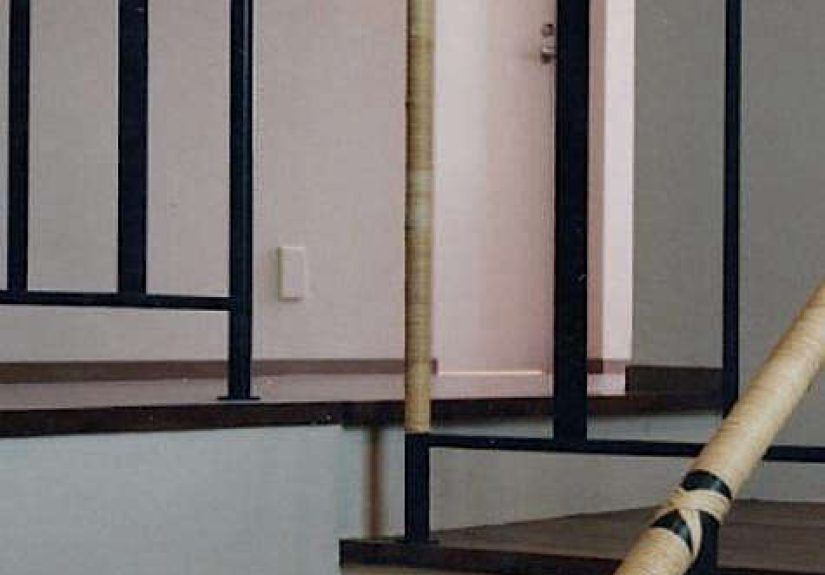
A rattan-wrapped handrail is what it sounds like: a handrail (wood or metal, wall-mounted or on a guard) that’s wrapped in rattanusually in a tight, continuous spiral, but sometimes with more decorative patterns. The result is a textured surface that looks tailored and feels grippy without being rough.
Rattan, cane, wicker: the quick “don’t-mix-these-up-at-a-dinner-party” guide
- Rattan is a climbing palm (a vine-like material) that’s strong, flexible, and widely used in furniture and woven details.
- Cane is often derived from rattan, commonly used for chair seats/backs and binding; people casually say “cane” when they mean rattan strips.
- Wicker is a technique (weaving), not a material. You can have wicker made from rattan, willow, synthetic resinwhatever can be woven.
Historically, cane and rattan have been used for centuries in household goods and furniture. Museum collections and design history notes show caning became popular in Europe in the late 1600s and later surged with wicker furniture in the 1800s and early 1900sespecially in America. That matters here because a rattan-wrapped rail isn’t just decoration; it’s a modern remix of a long craft tradition.
Why designers love rattan on a handrail
1) It turns “the thing you touch” into “the thing you notice”
Interior design can be visually stunning and still feel a little cold if the high-touch elementshandles, pulls, railsaren’t inviting. Rattan adds a subtle softness and a natural pattern that reads as handmade without screaming “arts and crafts fair.”
2) It adds grip (in the good way)
The texture gives your hand something to hold onto, which can feel more secure than a slick painted railespecially if you’re moving quickly, or your hands are dry, sweaty, or busy clutching a coffee you absolutely shouldn’t be carrying on stairs (but you will anyway).
3) It plays well with both modern and traditional spaces
Rattan is a chameleon. Wrapped around a blackened steel rail, it reads modern and tailored. Wrapped around warm oak, it leans coastal and calm. Wrapped around a sculptural stair, it becomes a quiet flex: “Yes, we thought about this detail. No, we’re not going to apologize for it.”
Where a rattan-wrapped handrail works best (and where it doesn’t)
Great places to use it
- Interior staircases where the rail is always in reach and always on display.
- Mezzanines and loft edges where the guard/handrail combo is visually prominent.
- Long corridors with wall-mounted rails (especially in hospitality or retail) to add warmth and tactility.
- Kids’ zones where a comfortable grip encourages safer stair habits.
Proceed with caution
- Outdoor stairs in wet climates: natural rattan doesn’t love constant moisture swings. (Synthetic “rattan-look” materials exist, but then you’re chasing the vibe more than the material truth.)
- High-humidity or low-airflow areas like damp basements or enclosed porches: natural cane/rattan can be vulnerable to mold/mildew if conditions stay wet.
- Ultra-heavy-traffic public stairs unless the detailing is engineered for durability and maintenancebecause hands, rings, bags, and constant abrasion are not gentle.
Code & safety: make the detail beautiful and usable
A rattan-wrapped handrail can absolutely be a safe, code-compliant choicebut you have to design it with the “hand” in mind, not just the “eye.” In the U.S., residential and accessibility guidance commonly emphasizes a graspable profile, adequate clearance, continuous gripping surfaces, and smooth edges.
The biggest practical issue: wrapping changes the grip size
Handrails are often expected to fall within a graspable range (think: not too skinny, not too chunky). Wrapping adds thickness. If you start with a rail that’s already borderline-large, you can quickly end up with something that feels like hugging a tree. A better approach is to begin with a slimmer core so the final wrapped diameter remains comfortable.
Safety checklist for a rattan-wrapped rail
- Graspability: Choose a rail profile that remains easy to grip after wrapping (especially important for small hands and older users).
- Clearance: Ensure your wrapped rail still maintains sufficient space from adjacent surfaces (like walls) so knuckles aren’t scraping.
- Rounded edges only: The wrap should not introduce sharp staples, protruding tacks, or abrasive transitions.
- Continuous grip: Avoid breaks, sudden bulges, or decorative end treatments that interrupt a steady handhold.
- Secure termination: The start/finish of the wrap should be locked in so it won’t loosen and create a trip or snag hazard.
If this is a public-facing project or a renovation that must meet ADA requirements, treat the rattan wrap as a finish layer that cannot compromise accessibility: smoothness, clearance, and a reliable grip matter as much as the aesthetic.
Design variations that look intentional (not “I ran out of paint”)
Wrap styles
- Classic spiral wrap: Clean, continuous, and architecturalbest for modern stairs.
- Banding sections: Wrapped “grip zones” with unwrapped rail segments can look tailored (and can help manage overall thickness).
- Patterned weave moments: Subtle herringbone or braided details read artisanalbest when used sparingly, like a “cuff” detail.
Color and finish
- Natural honey for warmth and a quiet, coastal feel.
- Smoked/aged tones for vintage character without going full “nautical theme restaurant.”
- Stained rattan to match existing woodworkuseful in restorations or when tying into a broader palette.
Materials it pairs beautifully with
- White plaster walls + light oak for a calm “modern organic” look.
- Black steel + rattan for contrast: crisp lines, warm touchpoints.
- Walnut + brass accents for a refined, slightly retro detail that still feels fresh.
How it’s typically made (a practical overview)
This detail can be executed by skilled carpenters, furniture restorers, or craftspeople familiar with cane and binding techniques. The goal is consistent tension, clean overlaps, and a finish that won’t catch sleeves, rings, or skin.
Common approach
- Start with the right core: A smooth rail (wood or metal) that’s structurally sound and sized so the final wrapped grip is still comfortable.
- Select wrap material: Often binding cane or similar rattan strips that can conform tightly around curves and returns.
- Wrap with consistent tension: The wrap should sit snug and even, with no gaps that invite dirt or loosening.
- Secure ends discreetly: Fasteners and adhesives (if used) should be hidden and smoothed so nothing protrudes into the gripping surface.
- Finish thoughtfully: Many cane details are left relatively natural to “breathe,” but a light protective approach may be chosen depending on wear, cleaning needs, and the environment.
The rattan’s natural behavior is part of the magic: it can respond to humidity and moisture, shrinking as it dries. That can help a wrap stay tautbut it also means your environment and maintenance habits matter.
Maintenance: how to keep it looking good (and not crunchy)
A rattan-wrapped handrail is a high-touch element, so it will collect oils, dust, and the occasional mystery smudge. The good news: routine care is simple. The key is to clean gently and dry thoroughly.
Weekly-ish care
- Dust first: Use a soft brush, microfiber cloth, or a vacuum with a brush attachment to lift dust from the weave texture.
- Spot clean lightly: If needed, use mild soap in warm water on a soft cloth; avoid soaking the wrap.
Seasonal reality check
Natural cane and rattan prefer moderation. Very dry heat can encourage brittleness; very damp conditions can encourage mildew. In climates with aggressive HVAC seasons, keeping indoor humidity from swinging wildly helps natural fiber details stay supple.
What to avoid
- Harsh abrasives (they can fuzz the fibers and make the rail feel rough).
- Over-saturating with water (moisture trapped in the wrap is not your friend).
- Leaving it in direct, intense sun for long periods (fading and drying can accelerate).
Sustainability & sourcing: the “feel-good” part, with caveats
Rattan is often celebrated as a fast-growing, renewable material compared with slow-growth hardwoods. It’s lightweight, strong, and efficient in applications where you want maximum tactile payoff with minimal material bulk. That said, sustainability depends on how and where it’s harvested and how it’s processed. If you’re specifying rattan in a project, prioritize reputable suppliers and ask about sourcing and quality standards. It’s a small detail but details are where better choices quietly add up.
A real-world spark: the detail that makes people stop mid-stair
Design inspiration sites have spotlighted rattan-wrapped handrails specifically because they punch above their weight: they’re not flashy, but they’re memorable. One notable example was spotted in a portfolio where rattan was used to wrap a handrail for tactile (and aesthetic) appealproof that even the most functional elements can be treated as craft surfaces.
Conclusion: small detail, big sensory upgrade
A rattan-wrapped handrail is a rare kind of upgrade: it makes a home look better and feel better. It warms up hard architecture, improves the experience of moving through space, and signals intention without shouting. Just remember the golden rule: your handrail is a safety device first and a design moment second. Do both well, and you’ve got a detail that ages gracefullylike good leather, good wood, and the kind of staircase people actually want to use.
Experiences with a rattan-wrapped handrail (the “living with it” part)
People tend to think of stair details as something you notice once, photograph, and then forgetuntil you live with a rattan-wrapped handrail. Then you realize it’s not a “look” so much as a relationship. The first week, visitors almost always do the same thing: they reach for the rail, pause, and give it a second touchlike they’re confirming it’s real and not a clever paint trick. It’s not unusual to hear, “Oh… this feels nice,” said in that reverent tone normally reserved for heated bathroom floors.
The daily experience is where this detail earns its keep. On busy mornings, the wrap feels warmer than painted metal or glossy woodespecially in cooler seasons when a bare rail can feel like grabbing a cold soda can. The slight texture also helps in the tiny moments you don’t plan for: stepping around a laundry basket, guiding a sleepy kid, or steadying yourself when you’re wearing socks that are one slick step away from turning the staircase into a rink. It’s not “sticky,” just confidently grippy.
Households with mixed ages tend to appreciate it most. Kids like the feel (and are more likely to use the rail when it’s pleasant to touch), and older adults often prefer a surface that feels secure without requiring a death-grip. The wrap can also soften the “hardness” of a modern stair, which is a subtle emotional benefit: the staircase feels less like an architectural obstacle and more like a friendly route between floors.
But living with it also teaches you what not to do. The biggest lesson is thickness. If the finished rail ends up too bulky, people notice it immediatelynot because they’re design critics, but because their hand says, “Nope.” In real projects, that usually means the core rail should be slimmer than you’d choose for a painted finish, so the wrap brings it into the sweet spot instead of pushing it past comfort. A smart mock-up (even a short sample section) can prevent the “why does my staircase feel like a jungle gym?” problem.
Maintenance becomes a small ritual. Dust settles into texture, but it’s not difficultjust different. Instead of a quick swipe, you do a quick brush or a vacuum pass with a soft attachment, and you’re done. Over time, you may notice the wrap subtly deepens in color where it’s touched most, much like leather developing a patina. Many people actually like that: it tells the story of use. If you want it to stay more uniform, gentle cleaning and consistent care helpbut the material’s honest wear is part of the charm.
The most satisfying “experience” is how the detail changes perception. A staircase can be a purely functional thing. Add rattan, and suddenly it feels crafted. The rail becomes a cue that the home values touch, comfort, and human-scale designnot just visual drama. It’s a small move that quietly elevates the entire vertical journey. And yes, you might catch yourself taking the stairs more oftenpartly for health, partly because the handrail is weirdly delightful. Design should do that: make the right choice the enjoyable choice.







 Close
Close