
Table of Contents >> Show >> Hide
- What Makes These “Breakfast Cookies” Different From Regular Cookies?
- Almond Butter, Fruit, and Oat Breakfast Cookies Recipe
- Ingredient Notes (So You Can Bake Like You Meant It)
- Flavor Variations (Because Breakfast Gets Boring Fast)
- Smart Substitutions
- Troubleshooting: Fix the Cookie Before It Breaks Your Heart
- Make-Ahead, Storage, and Grab-and-Go Tips
- Nutrition Notes (Friendly, Not Fussy)
- FAQ
- of Real-Life “Breakfast Cookie” Experiences (That You’ll Probably Relate To)
- Final Thoughts
If mornings had a theme song, it would be “Where Are My Keys?” played at max volume while you try to eat something
that isn’t just hope and iced coffee. Enter: breakfast cookiesaka the loophole that lets you hold a warm,
chewy, oat-packed snack in one hand and your life together in the other.
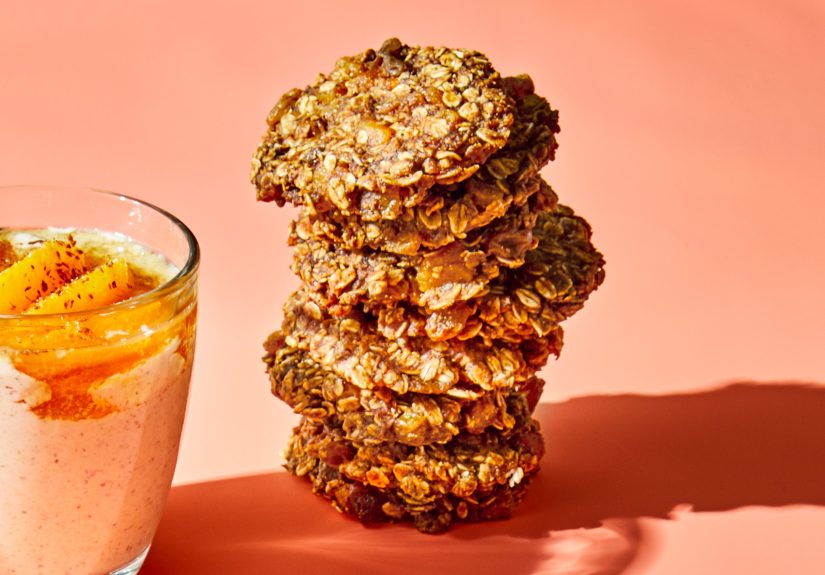
This Almond Butter, Fruit, and Oat Breakfast Cookies Recipe is built for real mornings: hearty
rolled oats, creamy almond butter, naturally sweet fruit, and just enough structure to survive backpacks,
commutes, and “I’ll eat later” lies. They’re soft-baked, lightly sweet, and endlessly customizablebecause your
pantry deserves creative freedom, too.
What Makes These “Breakfast Cookies” Different From Regular Cookies?
Regular cookies are usually engineered for dessert drama: lots of sugar, lots of butter, and an identity crisis
when you call them “a snack.” Breakfast cookies are more like portable oatmeal with good manners. The goal is:
filling, not fussy.
The smart trio: almond butter + oats + fruit
-
Almond butter adds richness, helps bind the dough, and brings that toasty nut flavor that makes
everything taste more “made on purpose.” -
Oats give you chewy structure and keep the cookies from feeling like cake pretending to be a
cookie. -
Fruit (dried and/or fresh) adds sweetness and moisture. Translation: fewer “sad, dry cookie”
moments.
Texture tip that feels like magic (but is just oat science)
Oats keep absorbing moisture after you mix the dough. A short rest before baking gives you a more tender cookie
that holds together better. Think of it like letting oatmeal “set,” but without the bowl and spoon commitment.
Almond Butter, Fruit, and Oat Breakfast Cookies Recipe
Quick recipe snapshot
- Yield: 12 medium cookies (or 9 jumbo cookies)
- Prep time: 10–15 minutes
- Rest time (recommended): 15 minutes
- Bake time: 12–14 minutes (medium) or 15–18 minutes (jumbo)
- Oven: 350°F
Ingredients
- 1 3/4 cups old-fashioned rolled oats
- 1/2 teaspoon baking powder
- 1/2 teaspoon ground cinnamon
- 1/4 teaspoon fine salt
- 1 ripe banana, mashed (about 1/2 cup)
- 1/2 cup almond butter (creamy preferred; see notes if using natural/stirred)
- 1 large egg (or flax eggsee swap section)
- 1/4 cup honey or maple syrup
- 1 teaspoon vanilla extract
- 1/2 cup dried fruit (raisins, cranberries, chopped apricots, dried cherries, or a mix)
- 1/3 cup chopped nuts or seeds (optional: walnuts, pecans, pumpkin seeds, sunflower seeds)
- 1/4 cup chopped fresh fruit (optional: blueberries, diced apple, chopped strawberries)
Directions
- Prep the oven. Heat to 350°F. Line a baking sheet with parchment paper.
- Mix dry ingredients. In a large bowl, stir together oats, baking powder, cinnamon, and salt.
-
Mix wet ingredients. In a second bowl, whisk the mashed banana, almond butter, egg, honey (or
maple syrup), and vanilla until smooth-ish. (It doesn’t have to be runway smoothjust well combined.) -
Combine. Add wet to dry and stir until no dry oats remain. Fold in dried fruit, plus any nuts,
seeds, or fresh fruit. -
Rest (recommended). Let the mixture sit for 15 minutes so the oats can hydrate.
This helps the cookies hold together and bake up tender. -
Scoop and shape. Scoop about 2 tablespoons per cookie (or 1/4 cup for jumbo).
Place on the sheet and gently press to a thick disk. These won’t spread dramatically, so shape them how you
want them to look. -
Bake. Bake 12–14 minutes for medium cookies, or 15–18 minutes
for jumbo, until the edges look set and the tops are no longer glossy-wet. -
Cool. Let cookies cool on the pan for 5 minutes, then transfer to a rack.
They firm up as they coolpatience is basically an ingredient here.
How to know they’re done
These are meant to be soft and hearty, not crisp and snappy. If you bake until “crispy,” you’ll end up with
“breakfast hockey puck.” Look for set edges and a center that feels gently firm when pressed.
Ingredient Notes (So You Can Bake Like You Meant It)
Almond butter: the binder, the flavor, the reason you keep licking the spoon
Creamy almond butter gives the most consistent dough. If you’re using natural almond butter (the kind that
separates), stir it very well first. If the dough looks oily, add 1–2 tablespoons extra oats. If it looks dry,
add 1 tablespoon honey or a splash of milk.
Rolled oats vs. quick oats
Rolled oats create a chewier cookie with more structure. Quick oats work in a pinch, but the cookies can turn
softer and a bit more “cakey.” If using quick oats, reduce the rest time to 10 minutes and keep an eye on
bake time.
Fruit choices that actually behave in cookies
- Dried cherries + chopped almonds = bakery vibe
- Cranberries + orange zest = bright and zingy
- Chopped apricots + pumpkin seeds = chewy-sweet with crunch
- Blueberries = softer cookies (fresh fruit adds moisturedelicious, but tender)
If you add fresh fruit, keep it to about 1/4 cup to avoid soggy centers. Dried fruit is the
easiest path to “grab-and-go sturdy.”
Flavor Variations (Because Breakfast Gets Boring Fast)
1) Chocolate chip “I’m an adult” version
Swap half the dried fruit for dark chocolate chips. It’s still breakfast cookies… just with a
little sparkle.
2) Apple pie energy
Use chopped dried apples or diced fresh apple, add a pinch of nutmeg, and toss in chopped walnuts.
3) Tropical pantry raid
Use dried pineapple or mango (chopped small), add shredded coconut, and swap cinnamon for a tiny pinch of ginger.
4) Protein-boost (without turning it into gym chalk)
Add 2 tablespoons ground flaxseed or 1 tablespoon chia seeds. If you add more
than that, add 1–2 tablespoons milk to keep the dough scoopable.
Smart Substitutions
Make it egg-free (flax egg)
Mix 1 tablespoon ground flaxseed with 3 tablespoons water. Let sit 5 minutes,
then use in place of the egg. The texture becomes a touch more tender and hearty.
Make it nut-free
Use sunflower seed butter instead of almond butter. Keep the rest the same. (Bonus: still delicious.)
Make it gluten-free
Use certified gluten-free oats. The rest of the ingredients are naturally gluten-free, but check labels if you’re
baking for allergies.
Lower added sugar
Reduce honey/maple syrup to 3 tablespoons and lean on sweeter dried fruit like cherries or
chopped dates. Your cookies will be less sweet but still satisfying.
Troubleshooting: Fix the Cookie Before It Breaks Your Heart
“My dough is too dry and crumbly.”
This usually means your oats are extra thirsty or your almond butter is thick. Add 1 tablespoon
honey/maple syrup or 1–2 tablespoons milk, mix, and let it sit 5 minutes.
“My dough is too wet.”
Add 1–3 tablespoons oats and rest for 10 minutes. Fresh fruit can also make dough wetterespecially
juicy berries.
“They spread too much.”
Chill the mixed dough for 20 minutes, and make sure your baking sheet isn’t warm. Also, very runny nut butter can
cause extra spreadstir well and consider adding 1 tablespoon oats.
“They’re dry.”
Most likely: overbaking. Pull them when edges are set but centers are still soft. They continue cooking on the pan.
Texture tuning: soft-baked vs. chewier
For a softer cookie, bake on the shorter end and use more banana/fruit. For chewier,
rest the dough, use rolled oats, and don’t overload with fresh fruit.
Make-Ahead, Storage, and Grab-and-Go Tips
Meal prep strategy that actually works
Bake a batch, cool completely, then store in an airtight container. For a true weekday win, freeze half the batch
so Future You has snacks when Present You forgets to shop.
How long do they keep?
- Room temperature: 2–3 days for best texture (airtight container).
- Refrigerator: up to a week (they’ll be firmer; let sit 10 minutes before eating).
- Freezer: up to 2 months (wrap or bag well to prevent freezer funk).
Best way to serve from cold or frozen
Let a frozen cookie thaw overnight in the fridge or for about an hour at room temp. Want that fresh-baked vibe?
Warm it for 10–15 seconds in the microwave. It’s not cheating; it’s strategy.
Nutrition Notes (Friendly, Not Fussy)
Because ingredient brands and fruit choices vary, exact nutrition will vary. In general, these cookies tend to be:
- Higher in fiber (thanks, oats and fruit)
- More filling due to healthy fats from almond butter
- Moderately sweet, especially if you go heavier on fruit and lighter on honey
If you want them more “breakfast,” keep add-ins focused on fruit, seeds, and nuts. If you want them more “snack,”
add a handful of chocolate chips and call it emotional wellness.
FAQ
Can I make these without banana?
Yes. Replace the mashed banana with 1/2 cup unsweetened applesauce. The flavor becomes more neutral,
and the cookies are slightly softer.
Can I use almond flour?
You don’t need flour for this recipe. But if you like a more “cookie-like” bite, add 2 tablespoons almond
flour or 2 tablespoons whole-wheat flour to the dry mix.
Do I need a mixer?
Nope. A bowl, a spoon, and mild confidence are enough.
Are these actually healthy?
They’re made from whole-food-leaning ingredients and are typically more balanced than dessert cookies. But “healthy”
depends on your needs. Think of them as a portable, satisfying breakfast option, not a magic
nutrition spell.
of Real-Life “Breakfast Cookie” Experiences (That You’ll Probably Relate To)
Breakfast cookies have a way of becoming a household routinealmost by accident. The first time most people bake
them, it’s for a very practical reason: you need something you can eat with one hand while doing everything else
with the other. You plan to try “just one batch,” and suddenly they’re in your freezer like a tiny edible
emergency fund.
One of the most common experiences is discovering how different they feel depending on your add-ins. A batch with
dried cherries and chopped almonds feels oddly fancy, like you should be eating it while reading an email that
starts with “Per my last message…” Meanwhile, a batch with raisins and cinnamon leans cozy and familiarlike the
snack your brain remembers from childhood, but upgraded with almond butter so it actually keeps you full.
People also tend to learn (quickly) that fresh fruit is both delicious and dramatic. Add blueberries, and the dough
turns softer and juiciergreat for a tender cookie, but not ideal if you’re tossing it in a bag at 7 a.m. Add
chopped apple, and you get a more structured bite, especially if you keep the pieces small. The “aha” moment is
realizing breakfast cookies are less like strict baking and more like a flexible formula: oats for structure, nut
butter for binding, fruit for sweetness, and a little patience for hydration.
Another classic experience: the first time you underbake them on purpose. It feels wrong because we’ve been taught
cookies must look “done” in the oven. But breakfast cookies are better when you pull them while they’re still
soft. They finish setting on the pan, and the result is a chewy, sturdy cookie that doesn’t crumble into oat dust
the moment you take a bite.
Breakfast cookies also tend to become a shared language in busy homes. Someone will say, “Did you make the
cranberry ones?” the way people ask about weekend plans. They show up in lunchboxes, in the car, next to laptops,
and on plates that never make it to the table. They’re especially handy on mornings when you’re hungry but not
interested in “cooking,” because you can still get oats, fruit, and nut butter without measuring anything at dawn.
And then there’s the freezer experience: realizing you can bake a batch, freeze half, and rescue a future morning.
That first time you grab a cookie from the freezer, warm it for a few seconds, and it tastes like you have your
life together? That’s not just breakfast. That’s a tiny victory you can eat.







 Close
Close