
Table of Contents >> Show >> Hide
- Why You Should Wash New Clothes Before Wearing Them
- Which New Clothes Should Always Be Washed First?
- How to Wash New Clothes the Right Way
- Should You Hand Wash Some New Clothes?
- What About Dry-Clean-Only Clothes?
- Common Mistakes to Avoid When Washing New Clothes
- How Washing New Clothes Helps Them Last Longer
- Best Practices for Different Types of New Clothes
- Do New Clothes Need Special Detergent?
- Final Thoughts on Washing New Clothes
- Experiences Related to Washing New Clothes
Note: HTML body only, English content, web-ready, and free of unnecessary citation artifacts.
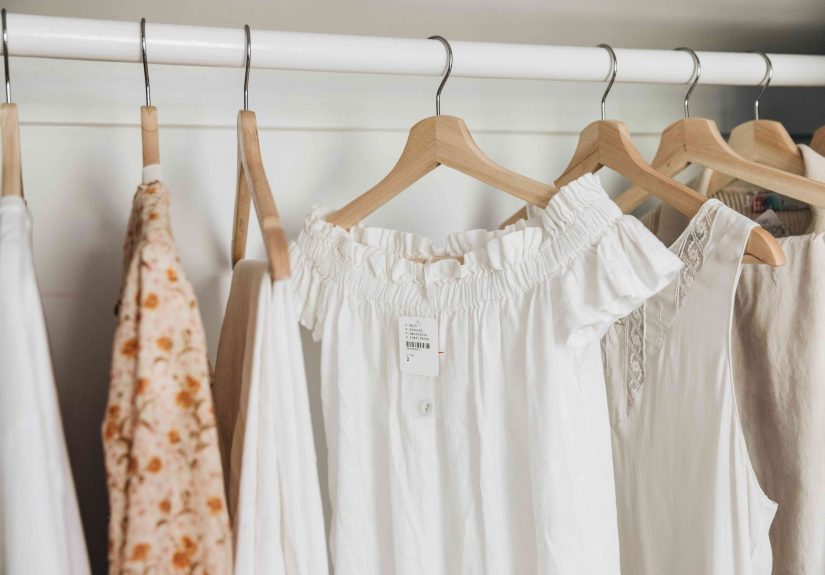
There is a special kind of joy that comes with bringing home new clothes. Maybe it is a crisp white T-shirt, a pair of dark jeans that promise to change your life, or a sweater so soft it feels like it was raised by polite clouds. The temptation is obvious: cut the tag, put it on, admire yourself, and carry on. But before your new outfit gets its big debut, there is one not-so-glamorous step worth taking first: wash it.
Washing new clothes is not just a fussy laundry-person hobby or something your most organized relative says while folding towels with military precision. It is a smart move for comfort, cleanliness, color protection, and fabric care. New garments can carry excess dye, finishing chemicals, dust from warehouses, residue from manufacturing, and whatever the clothing equivalent of “many hands have touched this” happens to be. In other words, your brand-new shirt may be fresh from the store, but it is not exactly fresh from a spa.
This guide covers everything you need to know about washing new clothes: why it matters, when it matters most, how to do it without ruining your latest purchase, and what common mistakes can turn “new” into “mysteriously toddler-sized” in a single wash cycle. If you have ever stood in front of a washing machine holding a new red hoodie and whispering, “Please do not attack the rest of my wardrobe,” this article is for you.
Why You Should Wash New Clothes Before Wearing Them
The biggest reason to wash new clothes is simple: what looks clean is not always truly clean. Clothes move through factories, shipping facilities, stockrooms, store shelves, fitting rooms, and packaging stations before they get to your closet. Even if a garment arrives folded like a department-store angel prepared it personally, that does not mean it is ready to touch your skin.
1. To Remove Excess Dyes and Fabric Finishes
Many new clothes, especially dark, bright, or heavily dyed items, can release extra dye during the first few washes. That is why a brand-new pair of indigo jeans sometimes behaves like it has a personal grudge against white sneakers, pale couches, and your favorite canvas tote. Washing first helps remove loose dye and lowers the risk of color transfer.
It also helps rinse away finishing agents used to keep garments looking crisp, wrinkle-resistant, or shelf-ready. These treatments may not bother everyone, but they can irritate sensitive skin. If you have ever worn a new shirt and felt itchy for no obvious reason, the shirt may have arrived with more “factory personality” than you asked for.
2. To Reduce Skin Irritation
People with eczema, sensitive skin, allergies, or a history of contact dermatitis have an especially good reason to wash new clothing before wearing it. Excess dye, finishing chemicals, fragrance from storage environments, or even detergent residues from prior handling can make skin feel irritated. That is also why gentle, fragrance-free detergent is often the safest pick for the first wash, especially for baby clothes, underwear, pajamas, and athletic wear that sits close to the skin.
3. To Get Rid of Dust, Dirt, and General Retail Life
Clothes on store racks are handled, tried on, dropped, rehung, stuffed into carts, and sometimes rescued from floors that have seen things. Even online orders are not magically immune. Garments can collect dust and residue during packing and shipping. Washing them gives you a clean slate before they become part of your regular rotation.
4. To Catch Care Issues Early
The first wash is often when a garment reveals its true character. Does it bleed? Shrink? Twist at the seams like it is auditioning for a dance competition? Washing new clothes the right way helps you spot issues early while reducing the chance of damaging the rest of your laundry.
Which New Clothes Should Always Be Washed First?
Technically, washing all new clothes first is a good habit. But if you are not going to wash every single item immediately, some pieces deserve priority status.
Underwear, Socks, and Sleepwear
These sit directly against your skin for long stretches of time. That alone earns them an automatic trip to the washer.
Baby Clothes and Children’s Clothing
Children can have more sensitive skin, and baby clothes are almost always better after a gentle pre-wear wash. The goal is not to make laundry feel dramatic. The goal is simply to make soft things softer and reduce irritating residues.
Workout Clothes, Leggings, and Close-Fitting Garments
Tight fabrics plus heat plus sweat equals a perfect setup for irritation if the material still holds excess dye or finishers. Wash these before their first workout, unless your idea of cardio is scratching your waistline all day.
Dark Jeans, Red Items, and Bold Colors
Anything richly dyed deserves caution. Wash these separately or with similar colors for the first few cycles. Your white T-shirts have done nothing wrong and should not be punished.
How to Wash New Clothes the Right Way
The good news is that washing new clothes does not require a PhD in fabric science. It just requires a little patience and one radical act of maturity: reading the care label.
Step 1: Read the Care Label First
Care labels exist for a reason. In the United States, garment care instructions are regulated, which means that label is not decorative. It tells you whether the item should be machine washed, hand washed, washed in cold water, tumble dried, laid flat to dry, or kept far away from the washing machine like a dramatic wool celebrity.
If the label says “wash separately,” believe it. That is not a suggestion. That is your shirt politely warning you that chaos is possible.
Step 2: Sort by Color and Fabric
For new clothes, sorting matters even more than usual. Separate:
- Whites from colors
- Lights from darks
- Heavy fabrics from lightweight or delicate fabrics
- Highly dyed items from everything else
If you bought several brightly colored pieces at once, do not toss them all into one hopeful rainbow load and pray for the best. New clothes are most likely to bleed early on, so keep similar shades together and err on the cautious side.
Step 3: Turn Garments Inside Out
This is especially useful for dark colors, denim, printed shirts, and anything likely to fade or abrade. Turning clothes inside out helps protect the outer surface from friction and can preserve both color and finish.
Step 4: Choose Cold or Cool Water for Most New Clothes
Cold water is usually the best starting point for new clothes, especially colored garments. It helps reduce color bleeding, shrinkage, and wear on fibers. It is also more energy-efficient, which is great for your utility bill and your conscience. Warm or hot water may still be useful for certain sturdy whites, towels, or heavily soiled items, but new everyday clothing usually does best with a gentler approach.
Step 5: Use the Right Amount of Detergent
More detergent does not mean more clean. It usually means more residue, more rinsing problems, and a greater chance that your clothes come out feeling oddly stiff or overly scented. Use the amount recommended for the load size and detergent type. For sensitive skin, choose a fragrance-free or gentle detergent.
Step 6: Pick a Gentle or Normal Cycle
A gentle or normal cycle is enough for most new garments. You are not trying to punish the clothes for existing. You are trying to freshen them safely. Delicates, bras, knitwear, and lightweight fabrics should get extra care, while structured cotton, denim, and basic tees can usually handle a standard cycle.
Step 7: Dry Carefully
Heat is where many good intentions go to die. If you are worried about shrinkage or fading, air-drying is the safest move. If you use a dryer, choose a low heat setting unless the label says otherwise. Remove garments promptly so they do not wrinkle into abstract sculptures.
Should You Hand Wash Some New Clothes?
Yes, especially if the garment is delicate, embellished, lace-heavy, loosely woven, or labeled hand wash only. Sweaters, silk tops, bras, lingerie, and specialty fabrics often do better in a sink or basin with cool water and mild detergent. Hand washing can be slower, but it is still faster than mourning a shrunken blouse.
What About Dry-Clean-Only Clothes?
If the label says dry clean only, do not gamble unless you are fully prepared for consequences. Structured garments, lined jackets, formalwear, and certain specialty fabrics can lose shape or texture in water. If you are worried about skin contact, ask your cleaner about gentle treatment options or airing the garment out before wearing it. But for true dry-clean-only pieces, the care label should lead the dance.
Common Mistakes to Avoid When Washing New Clothes
Ignoring the Label
This is the fastest route to regret. If the label gives specific instructions, follow them.
Washing New Clothes with Your Whole Wardrobe
New dark jeans plus favorite white T-shirt equals a classic laundry tragedy. Keep new items separate or with very similar colors at first.
Using Too Much Heat
High heat can shrink fabrics, set creases, dull colors, and stress fibers. New clothes deserve a gentle start.
Overloading the Washer
Stuffing too many items into one load prevents proper rinsing and increases friction. Clothes need room to move. Your washer is not a clown car.
Letting Damp Clothes Sit
Once the wash ends, move clothes to the dryer or drying rack promptly. Letting damp laundry sit too long can lead to musty odors, and that is a terrible way to begin a relationship with a new shirt.
How Washing New Clothes Helps Them Last Longer
This sounds backward, but a thoughtful first wash can actually extend the life of your clothes. Why? Because it encourages you to treat the item according to its fiber, color, and structure from day one. Instead of blasting everything in hot water and hoping for mercy, you establish a care routine that protects shape, softness, and color.
Washing new clothes correctly can help:
- Reduce early color loss
- Minimize shrinkage
- Prevent excess dye transfer
- Keep prints and embellishments looking better
- Make fabrics feel more comfortable on the skin
Think of the first wash as onboarding. Done well, it sets expectations for the whole garment’s career.
Best Practices for Different Types of New Clothes
New Jeans
Wash inside out in cold water with dark colors only. Skip high heat. Air-dry if possible to reduce fading and shrinkage.
New T-Shirts
Separate by color, use cool water, and avoid over-drying. Graphic tees should be turned inside out to protect prints.
New Sweaters
Check fiber content carefully. Cotton may handle a machine on gentle, while wool and cashmere often need hand washing or dry cleaning.
New Underwear and Bras
Wash before first wear. Use mesh bags for bras and delicate cycles for items with elastic or lace.
New Towels and Bedding
Definitely wash before use. This helps remove packaging residue and can improve absorbency, especially for towels that arrive looking fluffy but acting emotionally unavailable around water.
Do New Clothes Need Special Detergent?
Not always, but in many cases a mild detergent is a wise choice. If the item is close-fitting, delicate, or intended for someone with sensitive skin, a fragrance-free detergent can be especially useful. There is no need to get theatrical with heavy fragrance boosters, fabric softener overload, or three mystery products that promise “ultra-luxe freshness.” For the first wash, simple is usually better.
Final Thoughts on Washing New Clothes
Washing new clothes may not be the most exciting part of shopping, but it is one of the smartest. It helps remove excess dye and finishes, lowers the risk of irritation, protects the rest of your laundry, and gives each garment a cleaner, safer start. The trick is not to overcomplicate it: read the care label, sort carefully, use cool water for most items, go easy on detergent, and avoid high heat unless the fabric truly needs it.
So yes, your new clothes look great right out of the bag. But they will look even better after a thoughtful first wash, when they smell clean, feel better on your skin, and are far less likely to turn the rest of your wardrobe into an accidental tie-dye project. Laundry may not be glamorous, but neither is panic-Googling “why are my socks pink now?”
Experiences Related to Washing New Clothes
Ask five people about washing new clothes, and you will usually get five very different stories. One person will say they never wash anything first and have somehow survived with the confidence of a movie character who ignores obvious warning signs. Another will tell you about the time a red sweatshirt turned an entire load blush-pink and changed household laundry policy forever. These experiences are exactly why the topic matters: people tend to remember their first laundry mistake with the emotional intensity of a minor natural disaster.
One common experience is surprise at how much dye comes out of new clothing. Dark jeans are famous for this. Plenty of shoppers have bought a deep indigo pair, worn it once, and discovered that the dye transferred onto shoes, furniture, handbags, or even their skin. After that happens once, the “maybe I’ll wash it later” attitude usually disappears. The first wash becomes less of a chore and more of a peace treaty.
Another frequent experience involves sensitive skin. Some people do not notice any issue at all, while others can feel irritation almost immediately from certain fabrics, finishes, or leftover chemicals. Parents often become especially aware of this with baby clothes. A onesie may look perfectly clean out of the package, but after a quick wash it feels softer, smells more neutral, and seems better suited for delicate skin. That practical difference is often what turns washing-first into a permanent habit.
There is also the classic shrinkage story. Nearly everyone knows someone who ignored the label, used hot water and a hot dryer, and ended up with a sweater that would now fit a small decorative lamp. These stories are funny only when the sweater is not yours. New clothes can be unpredictable, and the first wash is often the moment they reveal whether they are sturdy, needy, dramatic, or secretly built for hand washing and emotional support.
Online shopping has created a new version of the same lesson. Since people cannot touch fabrics before buying, the first real test often happens at home. A shirt that looked perfect on-screen might arrive stiff, heavily dyed, or oddly scented from packaging. Washing it first can completely change the experience. Many shoppers say garments feel more like “their clothes” after that first cycle, once the fabric relaxes and the retail smell disappears.
Then there is the satisfaction factor. For people who enjoy a clean, organized home, washing new clothes before wearing them feels like completing the final step in a ritual. The clothes come into the house, get sorted, washed, dried, folded, and only then join the closet. It is the domestic version of setting a new phone up properly before downloading a hundred apps and pretending you are a person who reads privacy settings.
Even people who do not love laundry often say the same thing after adopting this habit: it prevents small problems from becoming annoying ones. Fewer itchy tags. Fewer dye surprises. Fewer “why does this smell weird?” moments. In real life, that kind of prevention is not boring. It is efficient. And when it comes to clothing care, efficient usually looks a lot like wise.






 Close
Close