
Table of Contents >> Show >> Hide
- What Does “Local Maximum” Mean in an Acquisition?
- Why Waiting for the Absolute Peak Can Backfire
- The Four Signals That You May Be Near a Local Maximum
- How Buyers Think About Acquisition Value
- Local Maximum vs. Panic Sale
- The Role of Market Cycles in M&A Timing
- How to Prepare Your Business for a Premium Acquisition
- Deal Structure Matters as Much as Headline Price
- Specific Examples of Local Maximum Thinking
- Common Mistakes Sellers Make
- When Not to Sell
- Experience-Based Lessons: What Sellers Learn the Hard Way
- Conclusion: Sell When the Business Is Wanted, Not When It Is Worn Out
- SEO Tags
Selling a business is a little like trying to leave a party at exactly the right moment. Leave too early and everyone says, “But the cake just came out.” Leave too late and you’re holding a trash bag while someone asks where the mop is. In acquisitions, the sweet spot is what we might call a local maximum: a moment when your company’s value, momentum, market appetite, and buyer interest are all strong enough to produce an excellent outcome, even if nobody can prove it is the absolute peak.
The tricky part is that founders and owners rarely know the top while they are standing on it. Revenue is climbing, buyers are calling, strategic interest feels flattering, and the team is finally hitting its stride. That is exactly why acquisition timing matters. The best time to sell a business is often not when you are exhausted, desperate, or already declining. It is when your company looks strong, your story is clean, your future is believable, and buyers can imagine owning the next chapter.
This article breaks down how to think about acquisitions, why “selling at a local maximum” is more practical than chasing the perfect top, and how business owners can prepare for a sale without walking around the office wearing a giant sign that says, “Please acquire me.”
What Does “Local Maximum” Mean in an Acquisition?
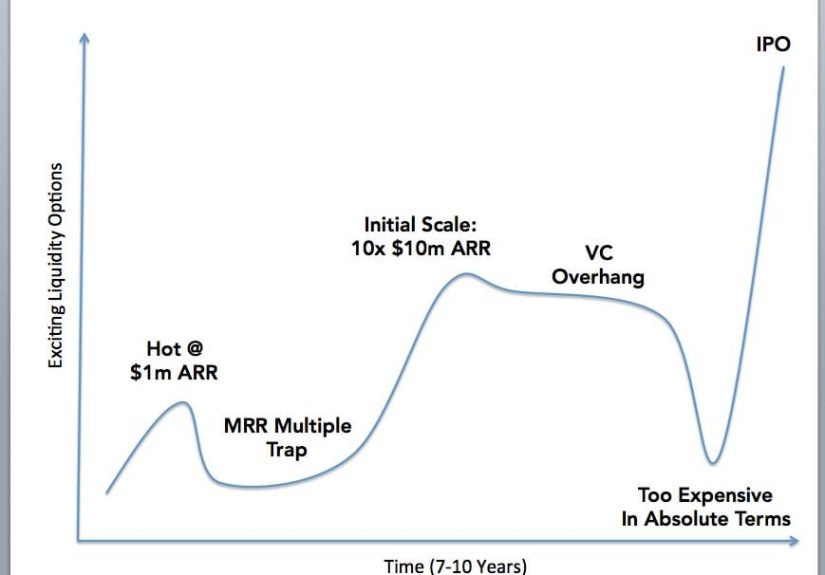
In math, a local maximum is a high point compared with the points immediately around it. It may not be the highest point in the whole universe, but it is the best point in that neighborhood. In business, that idea is surprisingly useful. A company may be more valuable today than it was last year and possibly less valuable two years from now. That moment can be enough.
For an acquisition, a local maximum usually combines several forces:
- Revenue is growing at a credible pace.
- Margins are stable or improving.
- Customer retention is strong.
- The market category is attractive.
- Buyers have capital and strategic urgency.
- The company’s risks are visible, explainable, and manageable.
The key word is credible. Buyers do not pay premium acquisition multiples because a seller says, “Trust me, next year will be huge.” They pay when the evidence makes the future feel likely. A seller’s job is to make the buyer believe the next hill is worth climbing, while the current hill is already impressive.
Why Waiting for the Absolute Peak Can Backfire
Many owners delay a sale because they believe one more year will improve the valuation. Sometimes they are right. Sometimes that “one more year” becomes the year a competitor cuts prices, a major customer churns, financing gets tighter, regulation shifts, or growth simply slows because the easy gains have already been captured.
That is the uncomfortable truth of M&A valuation: buyers pay for future expectations, but they discount uncertainty. If your business is growing 35% annually, buyers may assume the engine is powerful. If growth falls to 12%, even with higher revenue, they may start asking whether the engine is coughing politely before it gives up.
Chasing the perfect peak is dangerous because business value is not determined by your performance alone. It is also shaped by debt markets, interest rates, public-market multiples, private equity dry powder, buyer confidence, industry consolidation, and strategic fear of missing out. In plain English: your company can improve while your exit window gets worse. That is rude, but finance often is.
The Four Signals That You May Be Near a Local Maximum
1. Your Growth Story Is Strong but Still Has Room
Buyers like momentum, but they also need upside. If the business looks fully optimized, the buyer may wonder what they are paying for besides the privilege of owning your old headaches. A strong local maximum often appears when the company has proven product-market fit, built repeatable sales, and identified additional expansion opportunities that a larger owner could accelerate.
For example, a regional B2B services company may have excellent retention, steady cash flow, and a loyal customer base, but limited sales infrastructure. A strategic acquirer could plug that company into a national sales channel. The seller gets credit for what has been built, and the buyer sees a realistic path to more.
2. Your Numbers Are Clean Enough for Diligence
Buyers love clean financials the way dentists love flossing. They may not cheer out loud, but trust me, they notice. If revenue recognition is messy, customer contracts are scattered, expenses are personal, and key metrics live in someone’s memory, valuation pressure is coming.
A local maximum is not only about growth. It is also about readiness. Companies that prepare audited or well-organized financials, clear customer data, documented processes, strong tax records, and a logical operating model tend to create more buyer confidence. Confidence reduces friction. Reduced friction protects price.
3. Buyer Demand Is High in Your Category
Acquisitions happen fastest when buyers feel strategic pressure. Maybe large companies need AI capabilities, recurring revenue, specialized talent, distribution, intellectual property, geographic expansion, or cost synergies. When multiple buyers want the same type of asset, sellers gain leverage.
This is why timing depends on the market around you. A software company with strong retention may command a premium when buyers are racing to modernize their platforms. A healthcare services company may attract interest when scale, compliance, and operational efficiency become urgent. A niche manufacturer may become attractive when supply-chain resilience suddenly matters. The business did not change overnight; the buyer’s hunger did.
4. You Still Have Negotiating Energy
Selling a company is not a victory lap. It is a marathon with lawyers, spreadsheets, emotional whiplash, and someone asking for a document you are almost certain was invented yesterday. Owners who wait until burnout often negotiate poorly. They accept bad structure, weak earnouts, vague promises, or unnecessary retrading because they just want the process to end.
A local maximum includes the owner’s stamina. You want to sell while you can still say “no” without needing a nap afterward.
How Buyers Think About Acquisition Value
Owners often ask, “What is my business worth?” Buyers ask a slightly different question: “What is this business worth to us?” That difference is everything.
A financial buyer, such as a private equity firm, may focus on cash flow, debt capacity, margin expansion, add-on acquisition potential, and exit multiples. A strategic buyer may care more about cross-selling, technology, talent, market share, customer access, or keeping the asset away from a competitor. The same company can be worth different amounts to different buyers.
That is why a smart acquisition strategy includes buyer mapping. Who would gain the most from owning your company? Who has already shown interest in your category? Who has the balance sheet, strategic need, and integration capability to pay fairly? The best buyer is not always the one who first sends a friendly email beginning with, “Hope you’re well.” Half of capitalism begins with that sentence.
Local Maximum vs. Panic Sale
A local maximum sale is proactive. A panic sale is reactive. The difference shows up in price, structure, and emotional damage.
In a proactive sale, the owner can prepare materials, compare buyers, negotiate terms, and walk away if the deal does not fit. In a panic sale, the company may be facing customer loss, cash pressure, leadership fatigue, lender concerns, or market decline. Buyers can smell urgency. They may not say it out loud, but their valuation model suddenly develops very sharp teeth.
To avoid a panic sale, owners should maintain “sale readiness” even when they do not plan to sell. That means keeping financials organized, contracts updated, employee roles clear, customer concentration monitored, and growth plans documented. Think of it as brushing your company’s teeth. You do it regularly so nobody screams during the checkup.
The Role of Market Cycles in M&A Timing
Acquisition markets move in cycles. When financing is cheap, public markets are strong, and buyer confidence is high, deals tend to become more active. When rates rise, valuations fall, or uncertainty increases, buyers become more selective. In selective markets, great companies can still sell well, but average companies may discover that “strategic interest” has gone on a long lunch break.
A seller does not need to predict the entire economy. Instead, watch practical signals: Are comparable companies being acquired? Are buyers in your sector raising funds or making deals? Are competitors consolidating? Are public-market multiples expanding or compressing? Are lenders financing transactions comfortably? Are buyers moving quickly or asking for endless “introductory conversations” that lead to nowhere?
If your company is performing well and the market is rewarding your category, that may be a local maximum. It does not mean you must sell. It means you should be awake.
How to Prepare Your Business for a Premium Acquisition
Build a Story Buyers Can Repeat
A strong acquisition narrative is simple enough for a buyer to explain internally. “This company gives us access to a growing customer segment.” “This product fills a gap in our platform.” “This team accelerates our AI roadmap.” “This acquisition expands our presence in a profitable region.”
If your story requires a 47-slide philosophical journey, simplify it. Buyers need to convince boards, investment committees, lenders, and integration teams. Make the logic easy to repeat.
Reduce Customer Concentration
A business with one giant customer can be profitable but fragile. Buyers may discount the valuation if losing that customer would damage the company. Before selling, work to diversify revenue, extend contracts, strengthen renewal terms, and document customer relationships beyond the founder.
Document the Operating System
If the company runs entirely through the founder’s brain, the buyer is not acquiring a business; they are acquiring a hostage situation with invoices. Document sales processes, onboarding, vendor management, reporting, product development, customer success, and key decision rights. A transferable business is more valuable than a mysterious one.
Make Management Less Founder-Dependent
Founders often create value by being everywhere. Unfortunately, that can reduce exit value because buyers worry the company will wobble when the founder leaves. Build a leadership team that can operate without constant founder intervention. A company that survives your vacation is more attractive than one that needs you to approve printer paper.
Clean Up Legal and Compliance Issues
Unclear intellectual property ownership, weak employment agreements, missing permits, unresolved disputes, sloppy vendor contracts, and informal customer promises can all become valuation landmines. Before a sale process, have experienced legal and tax advisors review the business. Boring paperwork can save exciting amounts of money.
Deal Structure Matters as Much as Headline Price
Do not judge an acquisition offer only by the big number on page one. The structure may matter just as much as the valuation. A $40 million offer with most of the value tied to aggressive earnout targets may be worse than a $32 million offer with more cash at closing. A buyer may also propose seller notes, rollover equity, employment agreements, escrow holdbacks, indemnities, working capital adjustments, or performance milestones.
Owners should ask: How much money is guaranteed? What conditions must be met? Who controls the business during an earnout? How long is the seller tied to the company? What happens if the buyer changes strategy? What are the tax implications? What risks remain after closing?
The goal is not merely to sell at a local maximum on paper. It is to convert that maximum into real, durable value.
Specific Examples of Local Maximum Thinking
Imagine a SaaS company with $8 million in annual recurring revenue, 92% gross retention, improving margins, and a new enterprise segment growing quickly. The founder believes the company could double in three years. That may be true. But if larger software platforms are currently paying premiums for products in that category, and if the company needs major investment to compete at enterprise scale, selling now could be rational. The buyer gets the next phase; the seller captures today’s scarcity value.
Now imagine a family-owned manufacturing company with strong EBITDA, aging ownership, and three large customers. The business is profitable, but customer concentration creates risk. The local maximum might come after the company signs longer contracts, adds two new customers, upgrades reporting, and promotes an operations leader. The company may not need explosive growth; it needs reduced uncertainty.
Finally, consider a digital media business riding a traffic trend. Revenue is up, advertisers are interested, and competitors are consolidating. Waiting may produce more revenue, but algorithm changes can arrive like a raccoon in an air vent: suddenly, loudly, and with no respect for your plans. A local maximum may be the point where the brand has momentum but before platform risk becomes obvious.
Common Mistakes Sellers Make
They Start Talking to Buyers Before They Are Ready
Curiosity is natural. But casual conversations can become real processes quickly. If your data room is not ready, your financials are unclear, and your team is unprepared, buyers may form a weak first impression. In acquisitions, first impressions can become valuation anchors.
They Overestimate Synergies
Sellers often believe a buyer should pay for every possible synergy. Buyers usually prefer to keep some of that upside for themselves because they must execute it. A better approach is to show credible synergy opportunities without pricing the deal as if success is already guaranteed.
They Ignore Culture
Culture is not office snacks and inspirational posters. It is how decisions get made, how customers are treated, how fast teams move, and what behavior gets rewarded. If the buyer’s culture will crush the thing that made the company valuable, the highest offer may not be the best offer.
They Confuse Interest With Commitment
Many buyers enjoy “keeping in touch.” Serious buyers ask specific questions, assign resources, discuss valuation logic, and move through a process. Polite interest is nice. It is not a term sheet.
When Not to Sell
Not every local maximum should lead to an exit. If the company has a long runway, the owner is energized, capital needs are manageable, and the market is still expanding, staying independent may create more value. Selling is not a moral achievement. Neither is refusing to sell. The right answer depends on goals, risk tolerance, family needs, investor expectations, team readiness, and strategic reality.
You should also be cautious if buyers are undervaluing the business because they do not understand the category, if the offer structure shifts too much risk back to you, or if the buyer’s integration plan seems likely to damage employees and customers. Sometimes the best deal is the one you politely decline while silently eating a celebratory sandwich.
Experience-Based Lessons: What Sellers Learn the Hard Way
Owners who have been through acquisitions often describe the process as more emotional than expected. On Monday, you are proud that a buyer wants the company. On Tuesday, you are annoyed that they want six years of customer-level revenue data by Thursday. By Friday, you are wondering whether selling a lemonade stand would have been simpler.
One major lesson is that preparation creates calm. Sellers who build a clean data room before launching a process usually feel more in control. They can answer questions quickly, correct misunderstandings, and keep multiple buyers engaged. Sellers who prepare late often spend the process reacting. That reaction mode can make the company look less professional than it really is.
Another lesson is that buyers test consistency. If your pitch says churn is low, the data should support it. If you claim the second management layer is strong, buyers will want to meet those leaders. If you say growth is repeatable, they will examine sales pipeline quality, customer acquisition cost, conversion rates, and retention. A good acquisition process is not storytelling instead of evidence; it is storytelling supported by evidence.
Sellers also learn that deal fatigue is real. The process can stretch across months. Normal business still has to run. Employees may sense something is happening. Customers still need attention. Meanwhile, advisors, accountants, attorneys, and buyers all want answers. This is why owners should avoid selling only when they are already drained. A tired seller can unintentionally give away value just to end the noise.
Experienced sellers often recommend identifying personal goals before negotiating. Do you want a full exit or a second bite through rollover equity? Do you want to stay involved or leave after transition? Do you care most about cash at close, employee protection, brand continuity, or future upside? Without clear priorities, every term can feel equally important, and negotiations become foggy.
Finally, sellers discover that the best acquisition outcomes usually feel slightly uncomfortable. If the company is doing well, part of you will wonder whether selling is too early. That feeling is normal. A local maximum does not mean there is no future upside. It means the current balance of performance, buyer demand, market conditions, and personal goals may justify taking chips off the table. In business, nobody rings a bell at the top. Sometimes the closest thing to a bell is a serious buyer with a fair offer, clean terms, and a strategic reason to move.
Conclusion: Sell When the Business Is Wanted, Not When It Is Worn Out
The best acquisition timing is rarely obvious. Owners want certainty, but M&A rewards preparation, judgment, and leverage. Selling at a local maximum means recognizing when your company is strong, your category is attractive, buyers are motivated, and the next stage may require capital, scale, or risk that someone else is better positioned to provide.
Do not wait until growth slows, the team is tired, or the market has moved on. Build a company that can be sold even if you never sell it. Keep clean financials, reduce risk, document operations, strengthen leadership, and understand which buyers would value your business most. Then, when the right window opens, you can choose from a position of strength.
In acquisitions, perfection is expensive and usually invisible until it has passed. A local maximum is more practical: a strong moment, a credible story, a prepared company, and a deal that turns years of work into real value. That is not selling out. That is selling wisely.
SEO Tags
Note: This article is for educational and editorial purposes only. Business owners should consult qualified legal, tax, accounting, and M&A advisors before pursuing or accepting an acquisition offer.







 Close
Close