
Table of Contents >> Show >> Hide
- Why Vintage Stripes Are Having a Very Stylish Moment
- What Makes a Stripe Feel “Vintage”?
- Pottery Barn’s Take: Relaxed, Classic, and Easy to Live With
- West Elm’s Take: Modern, Graphic, and Design-Conscious
- PB vs. West Elm: Which Vintage Stripe Style Fits Your Home?
- How to Decorate With Vintage Stripes Without Overdoing It
- Color Palettes That Make Vintage Stripes Shine
- Specific Accessory Ideas for a Stylish Striped Refresh
- Buying Tips: What to Look for Before You Click “Add to Cart”
- Experience-Based Styling Notes: Living With Vintage Stripes
- Conclusion: The Timeless Power of a Good Stripe
Note: This article is written for web publication and synthesizes current home-decor information from reputable U.S. design and retail sources, including Pottery Barn, West Elm, and major home-design publications.
Why Vintage Stripes Are Having a Very Stylish Moment
Some patterns enter a room quietly. Stripes do not. They arrive with posture, rhythm, and a little wink that says, “Yes, I know exactly where the sofa should go.” In home decor, stripes have always had the rare ability to feel classic and fresh at the same time. They can look nautical, Parisian, farmhouse, coastal, tailored, playful, or quietly luxurious depending on the color, width, texture, and placement.
That is why vintage stripes are such a natural fit for accessories at PB, commonly known as Pottery Barn, and West Elm. Both brands live under the wider Williams-Sonoma, Inc. home portfolio, but they speak slightly different design languages. Pottery Barn leans into casual comfort, quality materials, relaxed elegance, and pieces that feel built for real homes. West Elm brings a more modern, urban, design-forward attitude, often pairing clean silhouettes with global craft, bold shapes, and contemporary texture.
Put vintage stripes into that mix and suddenly the humble accessory becomes the room’s secret handshake. A striped pillow can make a plain sofa feel styled. A striped rug can ground a seating area without shouting. Striped curtains can frame a window with breezy charm. Even a small striped throw can add movement to a neutral chair that previously looked like it was waiting for permission to have a personality.
What Makes a Stripe Feel “Vintage”?
Not every stripe has vintage energy. A sharp black-and-white awning stripe can feel graphic and modern. A neon stripe can feel sporty. A thin banker stripe can feel tailored and formal. Vintage stripes usually have a softer, more lived-in character. Think ticking stripes, faded cabana bands, handwoven lines, washed linen textures, muted reds, indigo blues, oatmeals, creams, olive greens, and sun-warmed terracotta tones.
The magic is in imperfection. A vintage-style stripe should look as though it has history, even if it arrived on your porch yesterday in a very modern shipping box. Slightly irregular woven lines, yarn-dyed cotton, linen blends, wool textures, fringe, tassels, and hand-loomed surfaces all help a striped accessory feel collected rather than cold.
Common Vintage Stripe Styles
Ticking stripes are narrow, repeated stripes originally associated with mattress and utility fabrics. Today, they look charming on pillows, bedding, slipcovers, and kitchen textiles. Cabanas stripes are wider and bolder, often used outdoors or in casual coastal rooms. Regency stripes feel more traditional and formal, especially in high-contrast colorways. Handwoven stripes add artisan texture and can make a room feel layered, warm, and less showroom-perfect.
Pottery Barn’s Take: Relaxed, Classic, and Easy to Live With
Pottery Barn is especially strong at making stripes feel approachable. Its striped accessories often work because they do not try too hard. They look like they belong beside a linen sofa, a weathered wood coffee table, a jute rug, a stack of books, and perhaps one very confident dog who thinks every pillow is personally his.
Pottery Barn’s striped pillow collections often include cotton, linen, wool, and blended materials. These fabrics matter because stripes can quickly become flat if the texture is too slick. A linen stripe has breathability. A wool stripe has depth. A cotton stripe feels crisp and familiar. A yarn-dyed stripe, where the fiber is dyed before weaving, tends to offer richer, longer-lasting color than a surface print.
Striped curtains are another strong category for Pottery Barn. The brand’s striped drapes and shades show how stripes can do more than decorate. They can shape the way a room feels. Vertical stripes can make a window look taller. Horizontal or wide-set stripes can make a room feel more relaxed and expansive. In a bedroom, a muted striped blackout curtain adds structure while still supporting privacy and sleep. That is design doing its job without asking for applause.
Best Pottery Barn Rooms for Vintage Stripes
In a living room, striped lumbar pillows can break up solid upholstery and bring a classic rhythm to the sofa. In a bedroom, striped shams or a throw at the foot of the bed can add a tailored finish without making the room feel busy. In a dining nook, striped chair cushions or a runner can make the space feel more intentional. Outdoors, a cabana stripe pillow on a patio chair instantly says, “We planned this,” even if the plan was mostly iced tea and avoiding emails.
West Elm’s Take: Modern, Graphic, and Design-Conscious
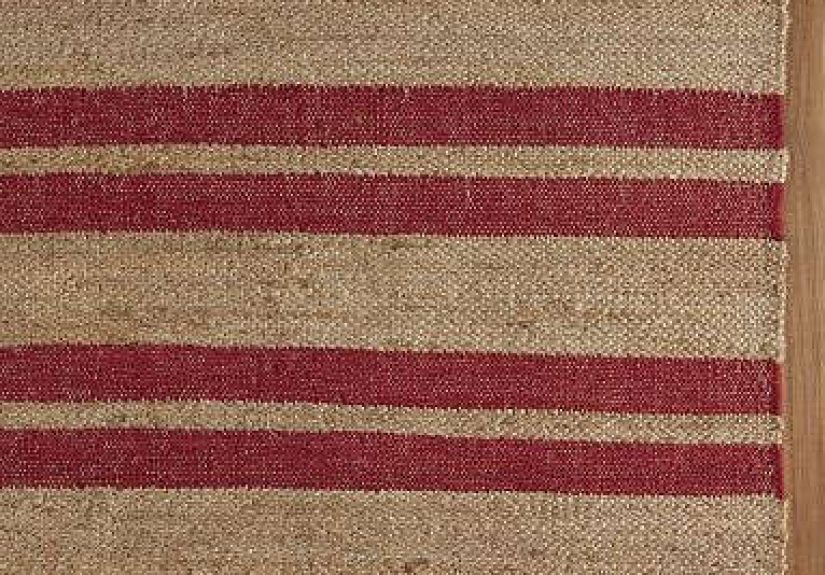
West Elm approaches stripes with a more contemporary eye. The brand often uses stripes as a graphic detail rather than a purely traditional motif. That might mean a bold round striped pillow, a mixed-stripe cover, an outdoor stripe with playful geometry, or a rug where the stripe sits at the edge instead of dominating the center.
This modern handling is perfect for people who like vintage inspiration but do not want their home to feel like a historical reenactment with better Wi-Fi. West Elm’s striped accessories often pair well with sculptural lamps, mid-century-inspired furniture, curved sofas, marble accents, black metal, and warm woods. The result feels edited, not dusty.
West Elm also tends to highlight craft, especially through handwoven textiles, artisan-made pillows, and rugs made with tactile materials. A hand-loomed striped rug, for example, can add subtle dimension underfoot while keeping the overall room calm. A mixed-stripe pillow cover can act like a small piece of textile art, especially on a solid sofa or reading chair.
Best West Elm Rooms for Vintage Stripes
Use West Elm stripes where you want contrast and personality. A modern apartment with white walls and clean-lined furniture can benefit from a striped pillow in warm rust, olive, navy, or cream. A patio can feel more polished with outdoor striped cushions. A home office can use a striped rug to add movement without creating visual chaos. And if your bedroom looks too plain, a striped throw may save it from becoming a beige conference room with a mattress.
PB vs. West Elm: Which Vintage Stripe Style Fits Your Home?
Choosing between PB and West Elm is less about which brand is “better” and more about what kind of mood your room needs. Pottery Barn is the better fit if you love relaxed traditional style, soft neutrals, coastal references, farmhouse warmth, and timeless accessories that blend easily with family-friendly spaces. West Elm is the better fit if your taste leans modern, urban, eclectic, or graphic, and you want stripes that feel fresh rather than purely nostalgic.
For example, imagine a cream sofa. With Pottery Barn, you might add two linen striped pillows in blue and ivory, a chunky throw, and a weathered tray on the coffee table. The room feels calm, coastal, and classic. With West Elm, you might choose a bolder mixed-stripe pillow, a sculptural side table, a modern floor lamp, and a striped rug with edge detailing. The room feels sharper, artsier, and more city-loft-with-good-coffee.
The smartest approach is to mix both if the room allows it. A Pottery Barn striped curtain can soften the windows, while a West Elm striped pillow can add a contemporary punch. The combination keeps the space from looking too catalog-perfect. And let’s be honest: a home should not look like nobody has ever misplaced a phone charger there.
How to Decorate With Vintage Stripes Without Overdoing It
Stripes are friendly, but they are not shy. Too many stripes in one room can make your living room feel like it is auditioning to become a beach umbrella. The key is balance. Start with one striped accessory, then build around it using solids, subtle textures, and one or two complementary patterns.
Start Small With Pillows
Pillows are the easiest entry point. Try one striped lumbar pillow in the center of a sofa or two square striped pillows at the corners. If the room already has patterned art, choose a stripe with two quiet colors. If the room is mostly neutral, go bolder with navy, rust, moss, or black.
Use Rugs to Anchor the Space
A striped rug can visually organize a room. In a long living room, horizontal stripes may help the space feel wider. In a small office or entryway, a runner with lengthwise stripes can guide the eye and create flow. For vintage style, choose stripes that look woven rather than printed flat.
Let Curtains Add Height
Striped curtains are excellent for adding architecture where there is none. Hang them high and wide to make the window feel larger. A soft linen-cotton stripe works especially well in bedrooms, family rooms, and breakfast nooks. The stripes draw the eye up while the fabric keeps the look relaxed.
Layer With Other Patterns Carefully
Stripes mix surprisingly well with florals, checks, paisleys, block prints, and small-scale geometrics. The trick is scale. Pair a wide stripe with a tiny floral, or a narrow ticking stripe with a larger botanical pattern. Keep at least one color in common so the mix feels intentional instead of like the laundry basket exploded.
Color Palettes That Make Vintage Stripes Shine
Color is the difference between “timeless vintage” and “why does this pillow look like a referee’s vacation home?” For a classic PB-inspired look, try ivory and navy, oatmeal and charcoal, white and sky blue, cream and faded red, or natural linen and olive. These combinations feel easy, warm, and flexible.
For a West Elm-inspired look, consider cream and black, camel and rust, ivory and dark green, clay and beige, or navy with a touch of mustard. These palettes have a little more contrast and work beautifully in modern rooms with wood, leather, metal, and stone.
If you want a summer feel, blue-and-white stripes are always reliable. If you want fall warmth, choose rust, brown, olive, or burgundy stripes. For year-round versatility, black, ivory, tan, and gray stripes are almost impossible to mess up. Almost. The giant striped beanbag in the formal dining room may still need a committee review.
Specific Accessory Ideas for a Stylish Striped Refresh
A striped accessory refresh does not require redecorating the entire home. In fact, that is the best part. Stripes are small-budget heroes when used through accessories. They can update a room in an afternoon, which is ideal for anyone who wants a new look without having a “what have I done?” moment halfway through painting the ceiling.
For the Living Room
Add striped pillows to a solid sofa, then repeat one stripe color in a vase, book cover, lamp shade, or framed print. If your sofa is already patterned, use a narrow ticking stripe to keep things calm. A striped throw over one arm of the sofa adds movement and makes the room feel finished.
For the Bedroom
Use striped pillow shams, a bench cushion, or a throw blanket at the foot of the bed. A pair of striped curtains can create a boutique-hotel feeling, especially when combined with crisp white bedding and warm wood nightstands.
For the Entryway
A striped runner adds instant personality to an entry. Pair it with a mirror, a small lamp, and a bowl for keys. Congratulations: your entryway now looks like an adult lives there, even if the closet contains six reusable bags and one mysterious extension cord.
For the Patio
Outdoor striped pillows are a classic choice for patios, porches, and balconies. Cabana stripes feel cheerful and summery, while narrow neutral stripes feel more elevated. Pair them with woven furniture, lanterns, planters, and a weather-friendly rug.
Buying Tips: What to Look for Before You Click “Add to Cart”
When shopping for vintage striped accessories at PB or West Elm, look beyond the pattern. Material, scale, construction, and care instructions matter. Cotton and linen are breathable and classic. Wool adds richness. PET and recycled polyester fills can work well outdoors. Handwoven pieces add character, though slight variations should be expected and embraced.
Check dimensions carefully. A 20-inch square pillow looks very different from a lumbar pillow. A bold stripe on a tiny pillow may feel cute; the same stripe on a large rug may feel like your floor is making a speech. For rugs, consider thickness, backing, rug pad recommendations, and maintenance. For curtains, review lining, hanging options, and length. Curtains that are too short can make a room look like it outgrew its pants.
Also think about longevity. Vintage stripes are usually a safe investment because they are not locked into one microtrend. A well-chosen striped pillow cover can move from the living room to the bedroom to the patio over time. That flexibility makes stripes practical as well as pretty.
Experience-Based Styling Notes: Living With Vintage Stripes
After working with striped accessories in different rooms, one thing becomes obvious: stripes are excellent problem solvers. When a room feels too plain, stripes add rhythm. When a room feels too soft, stripes add structure. When a room feels too modern, vintage stripes add warmth. When a room feels too traditional, a bold or irregular stripe can loosen the mood.
One of the easiest experiments is the sofa test. Place a striped pillow on a plain sofa and step back. The room will usually feel more finished immediately. Add a second pillow in a solid color pulled from the stripe, and suddenly the whole arrangement looks styled. Add a throw with a different texture, and now the sofa has depth. This is the kind of decorating math I support because there are no calculators involved.
In bedrooms, vintage stripes work best when they are not forced to compete with too many dramatic patterns. A striped throw at the end of a white or neutral bed can create a relaxed boutique look. Add a linen duvet, a ceramic lamp, and a small piece of art, and the bed looks layered without becoming fussy. If you use striped shams, keep the duvet simple. If you use a striped duvet, keep the pillows mostly solid. Let one stripe be the lead singer.
In dining areas, stripes can be surprisingly charming. A striped table runner brings a casual European mood to a wood table. Blue-and-white stripes feel coastal and crisp, while tan-and-cream stripes feel rustic and warm. Add simple white dishes, clear glassware, and a few small flowers. The table looks intentional but not stiff, which is important because nobody wants dinner to feel like a museum tour with salad.
For renters or people who move often, striped accessories are especially useful. You may not be able to paint, install wallpaper, or replace flooring, but you can bring in striped curtains, pillows, throws, and rugs. These pieces travel well from one home to another. A good striped pillow can adapt to a new sofa. A neutral striped runner can work in a hallway, kitchen, or bedroom. A striped throw can hide a chair that has seen things.
The biggest lesson is to pay attention to scale. Small rooms do not have to avoid stripes, but they usually benefit from narrower or softer stripes. Large rooms can handle wider bands and higher contrast. If you are nervous, begin with a stripe in a familiar color palette. Navy and ivory, beige and white, olive and cream, or charcoal and natural linen are dependable choices. Once you trust the pattern, you can get bolder.
Mixing Pottery Barn and West Elm pieces can create a more personal look than buying everything from one place. A Pottery Barn linen stripe may bring softness, while a West Elm mixed stripe adds edge. Together, they create that collected-over-time feeling that makes a home feel real. The goal is not to make every accessory match. The goal is to make them talk to each other politely, preferably without raising their voices.
Vintage stripes also age well because they are rooted in classic textile history. Unlike novelty prints, stripes do not depend on a single season to make sense. They have appeared in bedding, upholstery, rugs, awnings, table linens, and fashion for generations. That familiarity makes them comforting. At the same time, modern retailers keep updating stripes through new colors, shapes, materials, and proportions.
So, if your room needs a refresh, start with one striped accessory. Try a PB-style pillow if you want softness and classic charm. Try a West Elm-style stripe if you want contrast and a modern lift. Add texture, repeat the color once or twice, and give the room a little breathing space. Vintage stripes do not need much to work. They just need a good place to land.
Conclusion: The Timeless Power of a Good Stripe
Vintage stripes at PB and West Elm prove that accessories do not have to be loud to be memorable. A striped pillow, curtain, rug, or throw can shift the whole mood of a room by adding rhythm, warmth, texture, and a sense of history. Pottery Barn offers a relaxed, classic path into the look, while West Elm gives stripes a modern, graphic twist. Both approaches are useful, stylish, and easy to adapt.
The best vintage striped accessories feel collected, not staged. They work with wood, linen, leather, rattan, stone, metal, and cozy upholstery. They can make a neutral room more interesting, a modern room warmer, and a traditional room fresher. In other words, stripes are the rare decor choice that can behave like a supporting actor and still steal the scene.
Whether you prefer soft ticking stripes, bold cabana bands, handwoven rug borders, or mixed modern lines, this pattern deserves a place in the accessory drawer of great design ideas. Start small, choose quality textures, respect scale, and let your home develop a little striped confidence. It may be the easiest makeover you never knew your sofa was begging for.






 Close
Close