
Table of Contents >> Show >> Hide
- What Is Acanthosis Nigricans?
- What Does Acanthosis Nigricans Look Like? (Pictures in Words)
- What Causes Acanthosis Nigricans?
- Who Is Most at Risk?
- How Is Acanthosis Nigricans Diagnosed?
- Treatment Options for Acanthosis Nigricans
- Acanthosis Nigricans and Diabetes: Why It Matters
- Can You Prevent Acanthosis Nigricans?
- When Should You See a Doctor?
- Living with Acanthosis Nigricans: Real-Life Experiences
- Bottom Line
Have you ever noticed a patch of skin on the back of the neck or under the arms that looks darker, thicker, and almost velvety, no matter how much it’s scrubbed? That stubborn patch may not be “dirt” at allit could be a common skin condition called acanthosis nigricans. While the name sounds like a spell from a fantasy novel, it’s really your skin’s way of waving a big, important flag about what might be happening inside your body.
In this in-depth guide, we’ll walk through what acanthosis nigricans is, what it typically looks like, why it happens, how it’s treated, and when it can be a sign of something more serious. We’ll also talk about real-life experiences and practical tips so you feel prepared to talk with a healthcare provider and confident caring for your skin.
What Is Acanthosis Nigricans?
Acanthosis nigricans (often shortened to AN) is a skin condition characterized by dark, thick, velvety patches that usually appear in body folds and creases, such as the neck, armpits, and groin. The affected areas may feel slightly raised, rough, or silky-soft like plush fabric.
These patches are not contagious, and they’re usually not dangerous by themselves. However, acanthosis nigricans often acts like a red flag that something elsesuch as insulin resistance, prediabetes, type 2 diabetes, hormonal changes, or certain medicationsmay be contributing behind the scenes.
Common Places Acanthosis Nigricans Appears
- Back and sides of the neck
- Underarms (axillae)
- Groin and inner thighs
- Under the breasts or in other skin folds
- Knuckles, elbows, knees, or tops of the fingers
In some cases, people also develop tiny, soft growths called skin tags in or around the darkened area.
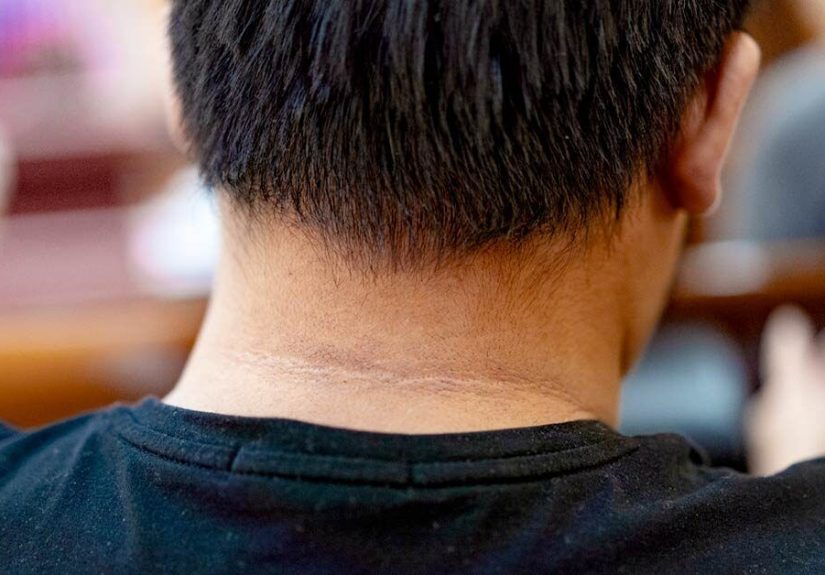
What Does Acanthosis Nigricans Look Like? (Pictures in Words)
If you search for acanthosis nigricans pictures online from trusted medical sites, you’ll typically see:
- Brown to nearly black patches in a clearly defined area, such as the back of the neck.
- Velvety or slightly warty texture, often with faint ridges or folds.
- Skin that may look “dirty” or “stained,” but does not wash off, no matter how much soap or scrubbing is used.
Example Image Layout (for Your Website)


While many cases are painless, some people describe mild itching, odor, or discomfort, especially when the area rubs against clothing or skin.
What Causes Acanthosis Nigricans?
The skin changes in acanthosis nigricans happen when skin cells in the outer layer (keratinocytes) and pigment-producing cells (melanocytes) grow and multiply more quickly than usual. That overgrowth leads to thickening and darkening of the skin.
Several underlying conditions and triggers can cause or contribute to AN.
1. Insulin Resistance and Prediabetes
The most common cause of acanthosis nigricans is insulin resistance, which happens when the body’s cells don’t respond well to insulin. The pancreas responds by producing more insulin, leading to high insulin levels in the bloodstream.
High insulin levels can stimulate skin cells to grow and produce more pigment, resulting in those characteristic dark, velvety patches. Because of this, acanthosis nigricans is strongly associated with:
- Prediabetes
- Type 2 diabetes
- Metabolic syndrome (a cluster of conditions including high blood pressure, high blood sugar, abnormal cholesterol, and abdominal obesity)
2. Obesity
Acanthosis nigricans is very common in people with overweight or obesity. Extra body weight can worsen insulin resistance and increase friction in skin folds, which may contribute to thickening of the skin.
The good news: for many people, gradual, sustained weight loss and healthier lifestyle habits can soften or even significantly fade these patches over time.
3. Hormonal and Endocrine Conditions
Several hormone-related conditions are linked with acanthosis nigricans, including:
- Polycystic ovary syndrome (PCOS)
- Cushing’s syndrome (excess cortisol)
- Thyroid disorders
- Other endocrine or metabolic syndromes affecting insulin and hormone balance
In these cases, managing the underlying hormonal imbalance is key to improving both overall health and skin appearance.
4. Medications and Supplements
Certain drugs and supplements have been associated with acanthosis nigricans, especially when they affect insulin levels or hormones. Examples may include:
- High-dose niacin
- Systemic steroids (like glucocorticoids)
- Some hormonal medications, such as birth control pills or testosterone
- Insulin or medications that increase insulin levels
Never stop a prescription medication on your own, but if you suspect a link, talk to your healthcare provider. They can assess whether an alternative is appropriate.
5. Genetic and Inherited Forms
Less commonly, acanthosis nigricans can be part of an inherited condition. In these cases, the skin changes can appear in childhood and may run in families. Some rare genetic syndromes involve both bone development and acanthosis nigricans.
6. A Rare Warning Sign of Cancer
In rare cases, especially in older adults, sudden, widespread acanthosis nigricans can be associated with internal cancers, most often in the stomach or other parts of the digestive system. This is sometimes called malignant acanthosis nigricans.
Warning signs that deserve prompt medical attention include:
- Rapid onset of dark, velvety patches over large areas of the body
- Symptoms like unexpected weight loss, fatigue, or abdominal pain
- A history of cancer or high cancer risk
Who Is Most at Risk?
Acanthosis nigricans can affect people of any age, sex, or background, but it is more frequently seen in:
- People with overweight or obesity
- Those with a family history of type 2 diabetes or AN
- Individuals with prediabetes, diabetes, or metabolic syndrome
- People with hormonal conditions such as PCOS
- Children and teens going through rapid weight gain
It is also often more noticeable in people with darker skin tones, although it can occur in any skin color.
How Is Acanthosis Nigricans Diagnosed?
In most cases, a healthcare provider or dermatologist can diagnose acanthosis nigricans simply by looking at the skin and asking questions about your health history.
Depending on your situation, your provider may recommend:
- Blood tests to check blood sugar, insulin levels, cholesterol, and other markers of metabolic health
- Tests for thyroid, adrenal, or reproductive hormones
- Review of your medications and supplements
- In rare, unclear cases, a small skin biopsy to confirm the diagnosis
Because acanthosis nigricans often signals an underlying condition, the diagnostic workup focuses as much on what’s happening inside the body as on the skin itself.
Treatment Options for Acanthosis Nigricans
There isn’t a single “magic cream” that cures acanthosis nigricans instantly. Instead, treatment focuses on addressing the root cause and improving the appearance and comfort of the skin.
1. Treating the Underlying Cause
- Weight management: For people whose AN is linked to obesity and insulin resistance, a combination of balanced nutrition, regular physical activity, and long-term lifestyle changes can decrease insulin levels and gradually lighten the patches.
- Managing blood sugar: Treating prediabetes or diabetes with diet, exercise, and medications if needed can help prevent progression and may improve the skin over time.
- Adjusting medications: If a drug is suspected to be a trigger, your provider may consider lowering the dose or switching therapies, when medically safe.
- Treating hormonal disorders: Managing PCOS, thyroid disease, or Cushing’s syndrome can help slow or reverse changes in the skin.
- Cancer treatment: In cases of malignant acanthosis nigricans, treating the underlying tumoroften with surgery, chemotherapy, or other cancer therapiescan lead to improvement in the skin.
2. Skin-Directed Treatments
Even when you’re working on the underlying cause, it’s understandable to want the patches to look and feel better. Dermatologists may recommend:
- Topical retinoids (like tretinoin) to encourage gentle exfoliation and reduce thickening.
- Topical vitamin D analogs or keratolytic creams containing urea, lactic acid, or salicylic acid to soften and smooth the skin.
- Skin-lightening agents, used cautiously and under medical supervision, to reduce pigmentation.
- Chemical peels or laser therapy in selected cases, primarily for cosmetic improvement.
These treatments usually work best when combined with lifestyle and metabolic care. They improve appearance and texture but don’t fix insulin resistance by themselves.
3. Gentle Skin Care Tips
Harsh scrubbing won’t remove acanthosis nigricans and can actually make the skin more irritated and inflamed. Instead:
- Use mild, fragrance-free cleansers.
- Pat skin drydon’t rub hard with towels or brushes.
- Keep folds dry to reduce friction and odor.
- Apply a simple moisturizer to reduce chafing.
- Wear soft, breathable fabrics that don’t cut into the creases.
Acanthosis Nigricans and Diabetes: Why It Matters
Because acanthosis nigricans is strongly linked with insulin resistance, it’s often described as a visible warning sign for prediabetes and type 2 diabetes. In many children, teens, and adults, the patches appear years before a formal diagnosis of diabetes.
That makes AN an opportunity: catching it early can lead to earlier testing, earlier lifestyle changes, and better long-term health outcomes. If you or your child has AN, it’s worth asking your provider about checking blood sugar and other metabolic markers.
Can You Prevent Acanthosis Nigricans?
Not all cases can be preventedespecially those related to genetics or rare conditionsbut you can reduce your risk by:
- Maintaining a healthy weight over time
- Staying physically active most days of the week
- Choosing a diet rich in vegetables, fruits, lean proteins, and whole grains
- Keeping up with routine checkups, especially if diabetes runs in your family
- Talking to your provider about the benefits and risks of medications that may affect insulin levels
When Should You See a Doctor?
Make an appointment with a healthcare provider or dermatologist if you notice:
- New dark, velvety patches of skin that appear without an obvious cause
- Rapid spreading or thickening of existing patches
- Associated symptoms like weight loss, fatigue, abdominal pain, or changes in appetite
- A child developing skin changes along with rapid weight gain
Early evaluation can help rule out serious causes, diagnose insulin resistance or diabetes, and start appropriate treatment.
Living with Acanthosis Nigricans: Real-Life Experiences
Beyond lab results and medical terms, acanthosis nigricans is something people live with every day. The emotional side is real: many people feel self-conscious about the dark patches and worry that others think they’re “dirty” or “not washing enough.” Understanding what the condition isand what it isn’tcan be a huge relief.
The Teen with the “Dirty Neck”
Imagine a teenager who keeps getting scolded for having a “dirty neck” in family photos. No matter how hard they scrub in the shower, the shadow around the neck never goes away. Eventually, a school nurse or pediatrician spots the patch and recognizes it as acanthosis nigricans, not poor hygiene.
Blood tests show early insulin resistance. With guidance from a healthcare team, the teen’s family gradually shifts toward more balanced meals, less sugary drinks, and more movementmaybe walking the dog together or joining an after-school activity. Over months to years, the patches soften and fade, but even more importantly, the teen’s metabolic health improves and the risk of future diabetes drops.
The Busy Adult Who Thought It Was Just Friction
Another common scenario: a busy adult in their 40s notices darker skin in the armpits and groin. They blame it on shaving, deodorant, or their job’s uniform rubbing the skin. When they finally mention it during an annual physical, their provider recognizes acanthosis nigricans and orders bloodwork.
The results show prediabetes. It’s not the news anyone wants, but it’s a powerful wake-up call. With support from a dietitian and a realistic exercise plan, they slowly lose weight, lower their blood sugar, and feel more energetic. Over time, the patches lightennot overnight, but steadily enough to be encouraging.
Partnering with Your Care Team
Many people find that once they understand acanthosis nigricans, they feel more empowered. Instead of thinking, “My skin is stained,” the mindset shifts to, “My skin is talking to me.” That’s a very different story.
Helpful strategies include:
- Asking questions during appointments: What’s causing this in my case? What are my blood sugar numbers? What can I change at home?
- Setting small, realistic goalslike walking 10 minutes a day or swapping one sugary drink for waterrather than trying to overhaul your entire life in a week.
- Tracking changes with photos (for your eyes only) so you can see gradual improvements in your skin over time.
Taking Care of Your Confidence, Too
Skin conditions don’t just affect the body; they affect mood, relationships, and self-esteem. It’s okay to want cosmetic improvement in addition to health improvement. If the appearance of acanthosis nigricans bothers you:
- Talk to a dermatologist about safe topical treatments or procedures.
- Choose clothing that makes you feel comfortable and confident, whether that means covering up or not.
- Remember that these patches say more about your metabolism than your hygiene or worth.
Over time, treating the underlying cause, caring gently for your skin, and working with a supportive care team can all help the skin changes become less noticeableand help you feel more at home in your own body.
Bottom Line
Acanthosis nigricans may show up first on the skin, but its message goes deeper. Those dark, velvety patches are often a sign of insulin resistance, metabolic changes, hormonal shifts, or, rarely, more serious illness. While the condition itself isn’t contagious and is usually not dangerous, it deserves attention.
By taking AN seriouslygetting evaluated, checking blood sugar and hormones, making sustainable lifestyle changes, and using skin-friendly treatmentsyou can improve both your health and your confidence. Think of acanthosis nigricans not as a permanent label, but as a nudge from your body to pause, check in, and take care of yourself from the inside out.






 Close
Close