
Table of Contents >> Show >> Hide
- Why This Beef and Celery Noodle Stir-Fry Works So Well
- What Beef and Celery Each Bring to the Pan
- Ingredients for Beef and Celery Noodle Stir-Fry
- How to Make It
- Flavor Profile: What It Tastes Like
- Common Mistakes to Avoid
- Best Variations for This Stir-Fry
- Serving Ideas
- Storage and Reheating
- Why This Recipe Deserves a Spot in Your Weeknight Rotation
- Kitchen Experiences with Beef and Celery Noodle Stir-Fry
- SEO Tags
Some dinners are built for drama. Others are built for Tuesday. This Beef and Celery Noodle Stir-Fry proudly belongs to the second category, which is exactly why it deserves a spot in your regular rotation. It is fast, deeply savory, flexible, and just fancy enough to make you feel like you have your life together, even if there is unfolded laundry staring at you from across the room.
At first glance, celery may seem like the oddly specific friend who shows up to a party uninvited. But in a stir-fry, it is a star. Celery brings snap, freshness, and a clean green flavor that cuts through the richness of beef and the gloss of a soy-based sauce. Paired with chewy noodles, aromatic garlic and ginger, and thin slices of tender beef, it creates a dish that tastes balanced instead of heavy. In other words, it is the kind of dinner that disappears fast and makes everyone circle back to the pan “just for one more bite.”
This version leans into the best qualities of a good stir-fry: quick cooking, high heat, smart prep, and a sauce that clings to everything like it has a personal mission. It is not complicated, but it does reward a little organization. Once the ingredients are prepped, the whole dish moves quickly. Think of it as the culinary equivalent of sprinting in comfortable shoes.
Why This Beef and Celery Noodle Stir-Fry Works So Well
The magic of this dish is contrast. The beef is rich and meaty. The celery is crisp and refreshing. The noodles soak up flavor and make the meal feel satisfying. Garlic and ginger wake up the whole pan, while soy sauce, oyster sauce, rice vinegar, and a little brown sugar create a sweet-savory edge that tastes bigger than the ingredient list suggests.
There is also a texture trick at work. The beef is sliced thin and marinated briefly so it cooks fast and stays tender. The celery is added late enough to keep some crunch. The noodles are cooked just until ready, then tossed in at the end so they do not turn into a soft, sad tangle. Every bite has chew, snap, gloss, and depth. It is basically a small texture party in a bowl.
What Beef and Celery Each Bring to the Pan
Beef
For a great beef noodle stir-fry, you want a cut that cooks quickly and stays flavorful. Flank steak, skirt steak, sirloin, or even flat iron all work well. The key is slicing the meat thinly against the grain. That shortens the muscle fibers, which helps the beef stay tender instead of turning into something you need to negotiate with.
A quick marinade with soy sauce, cornstarch, sesame oil, and a splash of cooking wine or vinegar gives the meat flavor and helps it brown nicely. You do not need an overnight soak or a mysterious twelve-spice potion. Fifteen to twenty minutes is enough to make a difference.
Celery
Celery is the crunchy backbone of this dish. Its flavor is fresh and slightly peppery, which makes it perfect for balancing savory beef and glossy noodles. Thin diagonal slices cook quickly and look great in the bowl, while celery leaves can be tossed in at the end like an herb. That means one humble bunch pulls double duty: vegetable and garnish. Overachiever behavior.
Noodles
You have options here, and that is one of the best parts. Fresh lo mein noodles are excellent, but spaghetti, ramen, soba, udon, rice noodles, or even cellophane noodles can step in if that is what you have. The important thing is to avoid overcooking them before they hit the wok or skillet. Slightly under is better than slightly over, because the noodles will finish in the sauce.
Ingredients for Beef and Celery Noodle Stir-Fry
For the Beef
- 1 pound flank steak, skirt steak, or sirloin, thinly sliced against the grain
- 1 tablespoon low-sodium soy sauce
- 1 teaspoon cornstarch
- 1 teaspoon toasted sesame oil
- 1 teaspoon rice wine, dry sherry, or rice vinegar
- 1/4 teaspoon black pepper
For the Sauce
- 3 tablespoons low-sodium soy sauce
- 1 tablespoon oyster sauce
- 1 tablespoon rice vinegar
- 2 teaspoons brown sugar or honey
- 1/3 cup low-sodium beef broth or chicken broth
- 1 teaspoon cornstarch
For the Stir-Fry
- 10 to 12 ounces noodles, cooked just until tender and drained well
- 2 tablespoons neutral oil, divided
- 5 to 6 celery stalks, sliced thin on the diagonal
- 1/2 cup celery leaves, if available
- 4 scallions, cut into 2-inch pieces
- 3 garlic cloves, minced
- 2 teaspoons fresh ginger, grated or minced
- Optional: pinch of red pepper flakes or sliced fresh chile
- Optional garnish: sesame seeds, extra scallions, or chopped peanuts
How to Make It
1. Marinate the beef
In a medium bowl, toss the sliced beef with soy sauce, cornstarch, sesame oil, rice wine, and black pepper. Let it sit in the refrigerator for 15 to 20 minutes while you prep everything else. This is not the moment to leave raw beef lounging on the counter like it pays rent.
2. Mix the sauce
In a small bowl, whisk together the soy sauce, oyster sauce, rice vinegar, brown sugar, broth, and cornstarch. Make sure the cornstarch is fully dissolved so the sauce thickens smoothly instead of clumping like it has stage fright.
3. Cook the noodles
Boil the noodles according to package directions, but stop just shy of fully soft. Drain well. If they tend to stick, toss them with a teaspoon of oil. Set them aside and resist the urge to snack away half the batch.
4. Sear the beef
Heat a wok or large skillet over high heat until very hot. Add 1 tablespoon of oil. Spread half the beef in a single layer and let it brown briefly before stirring. Cook just until nearly done, about 1 to 2 minutes, then transfer to a plate. Repeat with the rest of the beef. Cooking in batches is not annoying busywork; it is how you get browning instead of gray steamed disappointment.
5. Stir-fry the vegetables
Add the remaining oil to the pan. Toss in the celery and scallions. Stir-fry for about 1 to 2 minutes, until the celery is bright, aromatic, and still crisp. Add the garlic, ginger, and chile if using, and stir for about 20 seconds until fragrant.
6. Bring it all together
Return the beef to the pan. Pour in the sauce and toss quickly. Once the sauce starts to bubble and lightly thicken, add the noodles. Use tongs or two spoons to toss everything together until the noodles are glossy and coated. Add a splash of broth or water if needed to loosen the mixture.
7. Finish and serve
Turn off the heat and toss in the celery leaves. Taste and adjust with extra soy sauce, pepper, or a few drops of vinegar if needed. Top with sesame seeds, scallions, or peanuts and serve immediately.
Flavor Profile: What It Tastes Like
This easy beef stir-fry hits a lot of notes without turning into a chaotic flavor parade. It is savory first, thanks to soy sauce and oyster sauce. Then comes sweetness from brown sugar, brightness from vinegar, warmth from ginger, and a subtle toasted depth from sesame oil. The celery keeps the whole thing lively, which matters because noodles and beef can get heavy if everything in the pan is soft, dark, or rich.
If you like your stir-fry bolder, add more black pepper or a spoonful of chili crisp at the end. If you want it slightly sweeter, add another teaspoon of brown sugar. If you like more sauce, double the sauce mixture and prepare to feel very smart.
Common Mistakes to Avoid
Overcrowding the pan
Too much beef at once lowers the heat and causes steaming instead of browning. That is how good intentions become chewy beef. Use batches.
Overcooking the celery
Celery should be crisp-tender, not limp. You want some bite. The whole point is contrast.
Using soggy noodles
If the noodles are overcooked before they hit the pan, they can turn gummy when tossed with sauce. Cook them until just tender and drain them well.
Skipping your prep
Stir-frying moves fast. Once the heat is on, there is no leisurely chopping break. Prep first, cook second, look triumphant third.
Best Variations for This Stir-Fry
One reason Beef and Celery Noodle Stir-Fry works so well is that it is easy to adapt without losing its identity. Here are a few smart variations:
- Add mushrooms: Shiitake or cremini mushrooms deepen the umami and make the dish feel even heartier.
- Use ramen: Instant ramen noodles without the seasoning packets make this dinner fast and budget-friendly.
- Swap in soba: Buckwheat noodles bring a nuttier flavor and a slightly lighter feel.
- Add more vegetables: Bok choy, cabbage, carrots, bean sprouts, or snow peas all work beautifully.
- Make it spicy: Add chili garlic sauce, sambal oelek, or thinly sliced jalapeño.
- Try ground beef: It changes the texture, but it still makes a satisfying, weeknight-friendly noodle stir-fry.
Serving Ideas
This dish is a full meal on its own, but you can round it out with a simple cucumber salad, steamed edamame, roasted green beans, or a bowl of miso soup. If you are feeding very hungry people, serve it with extra stir-fried vegetables on the side or top each bowl with a fried egg. Nothing says “I care” like a crispy-edged egg.
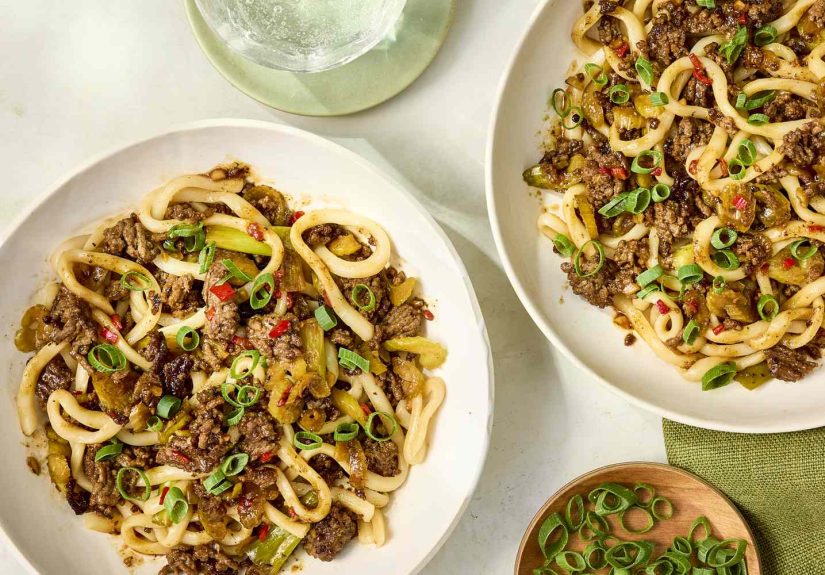
For entertaining, plate the noodles on a large platter and scatter the garnish generously. The glossy noodles, browned beef, and bright celery make the dish look much fancier than the effort involved. That is the kind of kitchen trick worth keeping forever.
Storage and Reheating
Store leftovers in an airtight container in the refrigerator and chill them promptly after dinner. For best quality, eat within 3 to 4 days. Reheat in a skillet with a splash of water or broth, or microwave until hot and steaming. If the noodles absorb too much sauce overnight, a little liquid wakes them right back up.
If you know you are making this ahead, keep the sauce slightly looser than usual. Noodles behave like tiny edible sponges, and they will continue soaking up liquid as they sit.
Why This Recipe Deserves a Spot in Your Weeknight Rotation
There are lots of noodle stir-fry recipes out there, but this one earns repeat status because it hits the sweet spot between comfort food and fresh dinner. It tastes satisfying without being too heavy, comes together quickly, and uses ingredients that are easy to find in most American grocery stores. It also feels adaptable, which matters when your refrigerator contains one lonely bunch of celery, half a pack of noodles, and a strong need to avoid takeout for the third time this week.
Most importantly, Beef and Celery Noodle Stir-Fry proves that great weeknight food does not need a mile-long ingredient list or a dramatic backstory. Sometimes all you need is a hot pan, smart timing, and the confidence to let celery be more than a soup ingredient.
Kitchen Experiences with Beef and Celery Noodle Stir-Fry
One of the best things about making this dish is how often it turns into a “that was better than expected” dinner. Not because anyone doubts beef or noodles, obviously. Those two have excellent reputations. It is the celery that catches people off guard. A lot of home cooks think of celery as background flavor, the polite vegetable that appears in stuffing, soup, and tuna salad without demanding attention. Then it lands in a hot pan with beef, soy sauce, garlic, and ginger, and suddenly it has main-character energy.
In real kitchens, this recipe also wins because it is forgiving. Maybe the noodles are spaghetti because that is what was in the pantry. Maybe the steak is sirloin because flank was sold out. Maybe the scallions are missing because someone forgot them on the grocery list and now everyone is pretending that was intentional. The dish still works. That flexibility gives it the kind of practical value that flashy weekend recipes often lack.
There is also something deeply satisfying about the rhythm of making it. Slice the beef. Mix the sauce. Hear the first sizzle when the meat hits the pan. Watch the celery turn bright and glossy. Toss the noodles through and see the whole thing come together in under half an hour. It feels efficient in the best possible way, like you cracked the weeknight dinner code without needing a culinary degree or seventeen specialty ingredients.
This stir-fry also tends to become a household “request meal.” Once people try it, they remember it. Kids often like the noodles and tender beef. Adults appreciate that it tastes fresh instead of greasy. Anyone who enjoys a good texture contrast tends to go back for seconds. It is especially popular on nights when everyone is hungry now and patience is in short supply. The dish arrives quickly, looks generous in a bowl, and tastes like more effort than it actually required. That is a powerful combination.
Another common experience with this recipe is learning how a small technique upgrade changes everything. Many home cooks discover, maybe for the first time, that slicing beef against the grain truly matters. Or that a tiny bit of cornstarch in a marinade can improve texture. Or that cooking in batches is not kitchen snobbery; it is the difference between browned beef and a crowded pan of regret. Once those lessons click, they tend to improve other stir-fries too. So this dinner can quietly level up your cooking beyond one single meal.
And then there is the leftover factor. Some noodle dishes fade overnight, but this one often becomes tomorrow’s lunch with very little complaint. The sauce settles into the noodles, the celery softens just slightly, and the flavors mellow into something cozy and satisfying. Reheated in a skillet with a splash of broth, it can taste almost like a different dish, but still a very good one.
Maybe that is why Beef and Celery Noodle Stir-Fry sticks around once it enters a home cook’s rotation. It is approachable but not boring, practical but not plain, fast but not forgettable. It delivers the kind of dinner experience people actually want more of: flavorful, reliable, adaptable, and just a little bit impressive without acting like it knows it.






 Close
Close