
Table of Contents >> Show >> Hide
- What Leaf Scorch and Tip Burn Actually Mean
- Why This Happens: The Most Common Causes
- 1. Heat, Drought, Wind, and Too Much Sun
- 2. Fertilizer Burn and Salt Buildup
- 3. Overwatering, Poor Drainage, and Root Stress
- 4. Indoor Air That Is Too Dry
- 5. Water Quality Problems
- 6. Nutrient-Related Tip Burn in Vegetables
- 7. Chemical Injury and Phytotoxicity
- 8. Disease Lookalikes, Including Bacterial Leaf Scorch
- How to Tell What Kind of Scorch You Are Seeing
- What to Do Right Now
- How to Prevent Leaf Scorch and Tip Burn
- Real-World Examples
- Experience-Based Lessons From Gardeners and Growers
- Conclusion
Nothing sends gardeners into a mild emotional spiral quite like leaves that suddenly look toasted. One day your hydrangea is thriving, your fern is feeling fancy, and your maple is giving “majestic.” The next day, the edges are brown, the tips are crispy, and the whole plant looks like it spent spring break too close to a hair straightener.
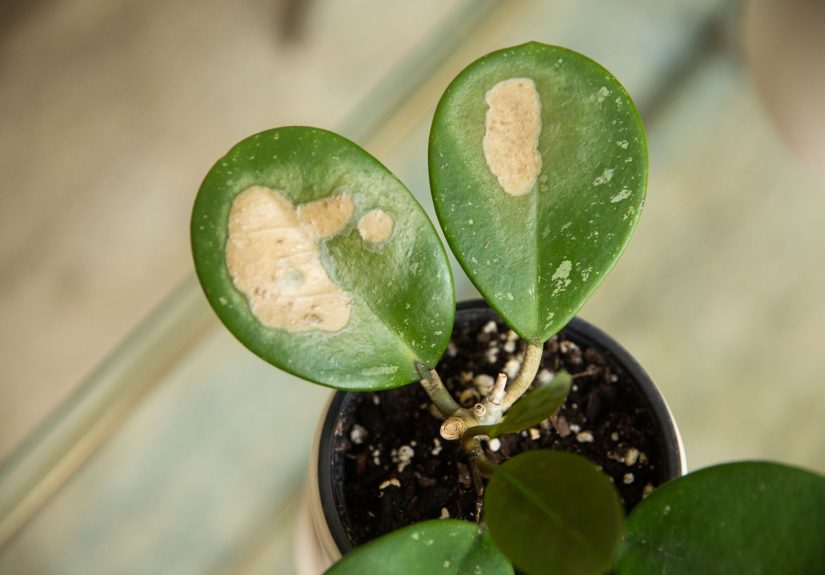
That damage is often described as leaf scorch or tip burn. These terms sound dramatic, and to be fair, the leaves agree. But they are not a single disease. They are symptoms. In plain English, that means your plant is waving a brown-edged flag to tell you something has gone wrong with water movement, salt levels, roots, heat exposure, humidity, or overall growing conditions.
This guide breaks down what leaf scorching and tip burn really mean, what causes them, how to tell one problem from another, and what you can do before your plant files a formal complaint.
What Leaf Scorch and Tip Burn Actually Mean
Leaf scorch usually shows up as brown, dry, dead-looking tissue along the edges or margins of leaves. In more advanced cases, the browning moves inward between the veins, while the veins themselves stay green a little longer. Tip burn often starts at the very end of the leaf and works backward. Sometimes the damage stays at the tip. Sometimes it spreads until the whole margin looks tired, crunchy, and deeply offended.
Here is the key idea: scorch and tip burn happen when leaf tissue loses water faster than the plant can replace it, or when salts and chemicals damage cells directly. That can happen outdoors during hot, dry, windy weather. It can happen indoors because of low humidity, poor water quality, or overfertilizing. It can also happen when roots are stressed and cannot move enough moisture to the foliage.
Why This Happens: The Most Common Causes
1. Heat, Drought, Wind, and Too Much Sun
This is the classic cause. When temperatures climb, sunlight intensifies, and wind keeps pulling moisture from the leaf surface, plants can lose water faster than roots can take it up. Large-leaved plants are especially dramatic about this. Hydrangeas, hostas, maples, dogwoods, and many container plants are famous for showing brown edges after hot spells.
Sunscald and scorch are related but not always identical. Scorch often appears along the margins, while sunburn may show up more on the part of the leaf facing the strongest light. A hosta planted for “morning sun” can interpret “afternoon blast furnace” as betrayal. A Japanese maple may tolerate bright light in spring, then crisp at the edges in July when the weather turns hot, dry, and windy.
Common clues: damage appears after a heat wave, a windy stretch, missed watering, or a move into stronger sun. The problem often affects exposed leaves first, especially on the sunniest or windiest side of the plant.
2. Fertilizer Burn and Salt Buildup
Plants need nutrients, but fertilizer is a “good thing in moderation” situation. Too much fertilizer, especially fast-release products, creates a high concentration of salts in the soil. Those salts can pull water away from roots instead of helping the plant absorb it. The result can look exactly like drought stress: yellowing, wilting, brown leaf edges, and scorched tips.
Dry fertilizer granules sitting on wet leaves can also burn foliage directly. That is why plant-care instructions always sound like a nagging relative: apply carefully, do not overdo it, water in properly. They are not trying to ruin your fun. They are trying to keep your petunias from becoming chips.
Salt injury can also come from de-icing salts near sidewalks and driveways. Evergreens and roadside plantings are especially vulnerable. In those cases, browning may show up on needle tips, leaf margins, or the side of the plant exposed to salty spray.
3. Overwatering, Poor Drainage, and Root Stress
This is where plant problems get sneaky. Many people see brown edges and assume the plant is thirsty, then water more, then make the problem worse. Overwatered soil holds less oxygen. Roots begin to decline, and once roots are damaged, they cannot supply moisture properly. The leaves then scorch because the transport system is failing, not because the watering can was emotionally unavailable.
Heavy clay soil, compacted beds, containers without drainage, and saucers full of standing water are common culprits. The top of the soil may even look damp while the roots below are stressed or rotting. When roots stop working well, the foliage may wilt and scorch at the same time, which feels deeply unfair but is botanically on brand.
4. Indoor Air That Is Too Dry
Houseplants often develop brown tips for a much less glamorous reason: indoor air can be dry enough to make tropical plants miserable. Ferns, calatheas, prayer plants, dracaenas, and other humidity-loving plants frequently show browning at the tips when heated or air-conditioned rooms dry them out.
Brown tips on houseplants can also reflect a stack of small stresses instead of one big disaster. Low humidity, irregular watering, excess fertilizer, poor drainage, and mineral-heavy water may all contribute. Your plant is not being dramatic. It is simply keeping a list.
5. Water Quality Problems
Sometimes the issue is not how much water you give but what is in the water. Poor water quality, including excess sodium or fluoride in some situations, can contribute to browning leaf tips in container plants. Soluble salts can accumulate over time in potting mix, especially when a plant is fertilized often and never flushed thoroughly.
If you see a crusty white deposit on the soil surface or around the pot rim, that is a clue that salts may be building up. In that case, your plant is not asking for more fertilizer. It is asking for a fresh start and maybe fewer “helpful” feedings.
6. Nutrient-Related Tip Burn in Vegetables
In vegetables, the term tip burn sometimes has a more specific meaning. Crops like lettuce, cabbage, and some leafy greens can develop tip burn because rapidly growing leaf tissue does not get enough calcium at the right time. That does not always mean the soil is completely out of calcium. More often, it means calcium is not moving efficiently through the plant because moisture is uneven, growth is too rapid, temperatures are high, or fertilizer salts are excessive.
This is why gardeners can be technically correct and still confused. Yes, calcium is involved. No, dumping random supplements into the soil is not always the fix. Consistent moisture, balanced fertilization, and avoiding growth surges matter just as much.
7. Chemical Injury and Phytotoxicity
Some leaf scorch is caused by chemicals applied to the plant. Insecticidal soaps, oils, herbicide drift, foliar fertilizers, and certain sprays can damage leaves if used in high heat, bright sun, or at the wrong concentration. Symptoms may include spotting, bleaching, blotches, curling, or scorched edges and tips.
If damage appears very soon after a spray application, chemical injury should move high on your suspect list. Plants are like people with strong opinions about skincare: the wrong product at the wrong time can lead to immediate regret.
8. Disease Lookalikes, Including Bacterial Leaf Scorch
Not all scorch is environmental. Some diseases mimic drought or salt stress. One of the best-known examples is bacterial leaf scorch, a condition associated with blocked water movement inside the plant. Trees with bacterial leaf scorch may show browning along margins, yellowing or reddening before tissue dies, branch-by-branch decline, and symptoms that return year after year even when watering is adequate.
This matters because a plant with bacterial leaf scorch will not magically recover just because you water more. If only certain branches are affected repeatedly, or if a tree declines over several seasons despite otherwise decent care, a diagnostic test may be necessary.
How to Tell What Kind of Scorch You Are Seeing
The smartest way to handle leaf scorch and tip burn is to play plant detective before taking action. Start with a few simple questions:
- Did the problem show up after heat, wind, drought, or strong sun?
- Did you recently fertilize, spray, or repot?
- Is the plant in a pot with poor drainage or constantly soggy soil?
- Are only the sun-facing leaves affected, or the whole plant?
- Are only certain branches affected while others look normal?
- Is the damage mostly on tips, on margins, or in random blotches?
- Do you see salt crust, soggy soil, dead roots, or signs of disease?
A few useful patterns:
- Heat or drought scorch: often follows weather stress and affects exposed leaves first.
- Salt or fertilizer burn: often produces even browning along margins and tips, especially after feeding.
- Overwatering/root stress: scorch may come with yellowing, slow growth, and a plant that stays limp despite wet soil.
- Indoor dry-air tip burn: tips crisp first, especially on humidity-loving houseplants.
- Disease-related scorch: may affect specific branches or return in a repeated pattern over time.
What to Do Right Now
For Outdoor Plants
Start with water, but do it properly. Deep watering is more useful than frequent shallow sprinkles. Wet the root zone thoroughly, then let the soil surface begin to dry before watering again, depending on the plant and soil type. Add mulch around the root area to reduce moisture loss, but keep it off trunks and stems.
Do not fertilize a plant that is already heat-stressed or drought-stressed. That is like handing a treadmill to someone who is already out of breath. If fertilizer burn is suspected, water the soil deeply to help flush salts, provided drainage is good. Brush dry fertilizer off leaves, rinse foliage if appropriate, and hold off on more feeding.
For plants getting scorched in intense afternoon sun, temporary shade can help. Shade cloth, a patio umbrella, or even moving a container to a brighter-but-not-blistering spot can make a difference. If a plant is chronically mismatched to the site, relocation may be the long-term answer.
If you suspect root issues, check drainage before increasing irrigation. Soggy soil, sour smells, and black or mushy roots point to a different problem than drought. Fix drainage, reduce water frequency, and repot container plants if necessary.
For Houseplants
Check the root ball, the pot, and the watering routine. Make sure excess water can drain freely. Flush the potting mix occasionally with clean water to leach salts. If there is a heavy salt crust or the mix has broken down, repot into fresh medium.
Increase humidity in practical ways. A room humidifier works better than endlessly misting the plant like you are filming a rainforest documentary. Keep tropical plants away from blasting heat vents, AC drafts, and very hot windows. If water quality seems to be contributing, use water that is less likely to add problematic salts.
Trim only the fully brown parts if appearance matters, but do not remove large amounts of still-green tissue. The plant needs those leaves to recover and photosynthesize its way back to dignity.
How to Prevent Leaf Scorch and Tip Burn
- Water deeply and consistently, especially during heat and wind.
- Mulch outdoor plants to stabilize soil moisture.
- Use fertilizer sparingly and according to label directions.
- Never fertilize dry, stressed plants just because they look unhappy.
- Make sure pots and beds drain well.
- Match plants to the site instead of forcing shade lovers into sunbathing careers.
- Protect broadleaf evergreens from winter wind and salt spray where needed.
- For vegetables, maintain even moisture and balanced nutrition to reduce true tip burn disorders.
- Watch for repeated branch-specific symptoms that may suggest disease rather than environment.
Real-World Examples
Example 1: The Crispy Hydrangea. A bigleaf hydrangea wilts every afternoon, then develops brown margins after several hot, windy days. The soil dries quickly, and the plant sits in reflected heat near a wall. This is a classic case of environmental scorch. Better watering, mulch, and afternoon shade usually help.
Example 2: The Overloved Fern. An indoor fern develops brown tips despite “plenty of care.” Translation: dry room air, frequent fertilizer, and inconsistent watering. Flush the pot, ease up on feeding, improve humidity, and keep the soil evenly moist.
Example 3: The Sidewalk Shrub With Winter Rage. An evergreen near a driveway browns on the road-facing side after winter. Salt spray and frozen-ground desiccation are likely suspects. A physical barrier, better siting, and less salt exposure can reduce repeat damage.
Example 4: The Tree That Keeps Declining. A mature shade tree shows marginal browning every late summer, but only on certain branches at first. Watering helps very little, and the pattern returns the next year. That is when it is worth considering a vascular problem such as bacterial leaf scorch and getting professional diagnosis.
Experience-Based Lessons From Gardeners and Growers
If there is one thing people learn from dealing with leaf scorching and tip burn, it is this: plants rarely fail because of one dramatic event alone. More often, they decline from a series of little mismatches that add up. A plant sits in slightly too much sun, gets watered a little irregularly, receives an enthusiastic extra scoop of fertilizer, and then gets hit by a heat wave. Suddenly the leaves look awful, and the gardener feels personally attacked.
Many growers say their biggest mistake was assuming every brown leaf tip meant the plant needed more water. Sometimes that is true. Often it is only partly true. Plenty of houseplant owners have discovered that a pot with constantly wet soil can still produce crispy tips because unhealthy roots are no longer doing their job. Outdoor gardeners learn a similar lesson when they water a struggling shrub daily, only to find the soil is waterlogged and the roots are suffocating. Brown edges can mean thirst, but they can also mean the plumbing is broken.
Container gardeners also learn quickly that fertilizer is not a magic potion. It is easy to think a struggling plant needs “a boost,” but repeated feeding can quietly build salt levels in the potting mix until the leaf edges start burning. More than one gardener has had the humbling experience of trying to rescue a tired fern with fertilizer, only to discover the fern would have preferred less help and more restraint. Plants, like people, are not always cheered up by unsolicited supplements.
Another common experience is discovering just how much location matters. A hosta that looked perfect in May may scorch badly in July because the tree canopy above it has shifted, or because reflected heat from a fence or patio makes the site hotter than expected. A hydrangea that thrived for years may suddenly struggle after nearby trees are removed and the afternoon sun becomes more intense. Houseplants do this too. Move a calathea next to a heating vent, and it will express its opinion with brown tips almost immediately.
Vegetable growers often talk about tip burn as one of those maddening problems that sounds simple but is not. They hear “calcium issue” and assume the solution is to add calcium, yet the real fix is often steadier watering, lower salt stress, and more balanced growth. The lesson here is that plant nutrition is not just about what is present in the soil. It is also about whether the plant can move those nutrients where they are needed when conditions turn stressful.
Perhaps the most useful experience-based insight is that scorched leaves do not always mean the plant is doomed. Damaged tissue usually stays damaged, but healthy new growth can return once the cause is corrected. Gardeners learn to look for recovery in the next flush of leaves instead of obsessing over every old brown edge. That mindset helps. So does patience. A plant that got cooked during one brutal week in summer may need the rest of the season to stabilize.
In the end, dealing with leaf scorching and tip burn teaches a practical kind of humility. You pay closer attention to soil, roots, weather, fertilizer, airflow, and the exact spot where a plant lives. You stop treating every symptom as a separate mystery and start seeing the whole system. And once you have nursed a crispy plant back into respectable shape, you earn the right to look at future brown leaf tips and say, with calm authority, “All right, what did we do this time?”
Conclusion
Leaf scorching and tip burn are frustrating, but they are also useful clues. They tell you the plant is struggling with water movement, salt stress, root problems, environmental exposure, or sometimes disease. The fix depends on the cause, which is why diagnosis matters more than panic. Check the weather, the roots, the soil moisture, the fertilizer history, the light exposure, and the watering pattern before making changes.
Most of the time, the best solution is not dramatic. It is steady watering, better drainage, less fertilizer, smarter placement, and patience. In other words, less heroics and more plant common sense. Your leaves may never send a thank-you note, but the next round of growth usually tells the story.





 Close
Close