
Table of Contents >> Show >> Hide
- What Experts Look For in a Changing Pad
- 10 Best Changing Pads of 2024
- 1) Summer Infant Contoured Changing Pad (Best Overall Classic)
- 2) Delta Children Foam Contoured Changing Pad (Best Value)
- 3) Bumbo Changing Pad (Best Wipeable “No Cover Needed”)
- 4) Naturepedic Organic Cotton Changing Pad (Best Organic & Extra-Long)
- 5) Skip Hop Nursery Style Wipe-Clean Changing Pad (Best With Built-In Entertainment)
- 6) Hatch Baby Grow Smart Changing Pad & Scale (Best Smart Track-and-Measure Pick)
- 7) Munchkin Secure Grip Changing Pad (Best Non-Skid for Changing Tables)
- 8) Eva Baby Changing Pad (Best Lightweight Floor-Friendly Option)
- 9) Skip Hop Pronto Signature Changing Station (Best Portable Changing Mat)
- 10) Munchkin Arm & Hammer Disposable Changing Pads (Best Disposable Backup)
- How to Choose the Right Changing Pad for Your Home
- Quick Setup Tips for a Smoother Diaper Routine
- Conclusion
- Real-World Changing Pad Experiences (The Stuff Experts Don’t Always Put in the Bullet Points)
Diaper changes are a daily (okay, hourly) reality of life with a baby. And while no changing pad can stop a blowout from happening,
the right one can make cleanup faster, safer, and a whole lot less “why is this on my elbow?”
For this expert-informed roundup, we synthesized recommendations and testing insights from major U.S. parenting and consumer outlets,
pediatric safety guidance, and manufacturer specs. The result: ten standout changing padsranging from classic contoured pads to
wipe-clean “no-laundry” favorites and travel-ready optionspicked for safety, comfort, durability, and real-world usability.
What Experts Look For in a Changing Pad
A changing pad isn’t just a cushy rectangle. The best ones combine smart design with easy hygienebecause diaper changes don’t come
with a warning label (even though the diaper box definitely does).
- Safety-first shape: Contoured sides or a concave surface help reduce rolling and keep baby centered.
- Stability: Non-skid bottoms, grippy feet, or straps that secure the pad to a changing table/dresser.
- Easy cleaning: Wipeable surfaces or removable, washable covers that don’t trap odors.
- Right fit: Standard changing tables and dressers varymeasure your space before you buy.
- Materials you feel good about: Look for non-toxic claims, low-VOC certifications where available, and durability.
- Real-life features: Quick-release buckles, liner compatibility, and travel portability (because life happens).
10 Best Changing Pads of 2024
Each pick below includes who it’s best for, what makes it stand out, and the trade-offsbecause every “best” depends on your space,
your budget, and how frequently your baby treats diaper time like an Olympic wiggle event.
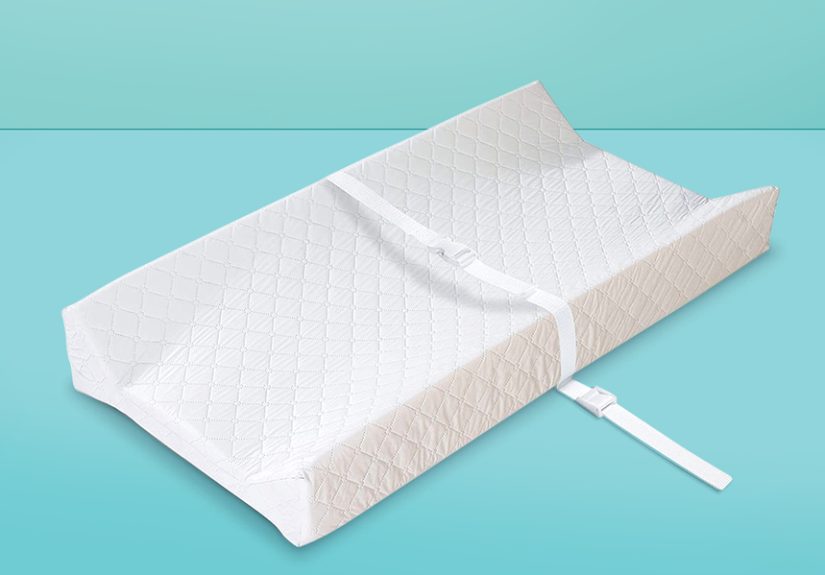
1) Summer Infant Contoured Changing Pad (Best Overall Classic)
If you want a traditional, budget-friendly changing table pad that gets the job done, this is the dependable choice.
The contoured sides help keep baby centered, and it typically includes both a top safety belt and a secondary strap to secure it to the furniture.
- Why experts like it: Comfortable padding, standard sizing, and broad compatibility with common changing pad covers.
- Best for: Most nurseries; parents who want “simple, affordable, works with covers.”
- Keep in mind: Seams and stitching can make wipe-downs slowerliners or washable covers help a lot.
2) Delta Children Foam Contoured Changing Pad (Best Value)
This is the “I want a contoured pad, but I also want to buy diapers and groceries” pick. It’s typically priced low, fits standard spaces,
and gives you the basics: contoured sides, waterproof cover, and a safety buckle.
- Why experts like it: Strong value for a standard-size pad with safety features and easy wipeability.
- Best for: Budget-conscious families, registries that need a practical win, backup changing stations.
- Keep in mind: Less premium outer materials may wear faster than high-end wipeable foam mats.
3) Bumbo Changing Pad (Best Wipeable “No Cover Needed”)
Wipe-clean pads are the “laundry prevention program” of diaper life. The Bumbo is a molded foam pad designed to clean up quickly with mild soap and water.
It’s comfortable, contoured, and modern-lookinglike the Scandinavian furniture of diaper gear, minus the Allen key.
- Why experts like it: Easy cleanup and no need for coversgreat for reducing daily laundry.
- Best for: Parents who hate washing changing pad covers; minimalist nurseries.
- Keep in mind: Its dimensions can be shorter/wider than standard padsmeasure your changing surface first.
4) Naturepedic Organic Cotton Changing Pad (Best Organic & Extra-Long)
If you’re prioritizing materials and want a pad that’s designed with certified organic textiles and a wipeable waterproof coating,
Naturepedic is the premium eco-forward choice. It’s also slightly longer than many standard pads, which can be helpful as baby grows.
- Why experts like it: Organic cotton, thoughtful material standards, and a wipeable surface that reduces cover washing.
- Best for: Families focused on non-toxic materials, low-chemical exposure, and premium build quality.
- Keep in mind: Higher price; non-standard length can make regular covers fit awkwardly.
5) Skip Hop Nursery Style Wipe-Clean Changing Pad (Best With Built-In Entertainment)
Some babies treat diaper changes like a dramatic escape-room challenge. This pad helps by adding a toy bar/mirror to grab attention,
plus a wipe-clean surface for fast cleanup. It’s a clever option if “distraction” is part of your diapering strategy.
- Why experts like it: Wipeable surface, contoured cushioning, and a tuck-away toy bar for hands-free distraction.
- Best for: Wiggly babies, parents who like a “changing station” feel without extra add-ons.
- Keep in mind: Bulkier footprint than narrow padsdouble-check dresser depth and width.
6) Hatch Baby Grow Smart Changing Pad & Scale (Best Smart Track-and-Measure Pick)
This one’s for parents who love data: it combines a changing pad with an integrated scale and app-based tracking.
It can be especially appealing if you want to monitor weight trends over time (for example, when your pediatrician recommends tracking growth).
- Why experts like it: Built-in weighing + tracking, comfortable wipeable surface, generous weight capacity.
- Best for: Data-minded caregivers; families who want a “two-in-one” diapering + tracking station.
- Keep in mind: It’s pricey, and you’ll want to ensure any safety belt/accessories are properly installed.
7) Munchkin Secure Grip Changing Pad (Best Non-Skid for Changing Tables)
A changing pad that slides is the last thing you need during a surprise diaper situation. The Secure Grip design is known for added traction
(grippy features underneath) plus safety straps and a contoured shape. It’s a practical option that balances price and stability.
- Why experts like it: Extra grip + straps; fits many changing tables; easy wipe surface.
- Best for: Changing table setups, dressers that need extra stability, parents who want more “stay put.”
- Keep in mind: Some families still prefer using liners for easier cleanup and stain prevention.
8) Eva Baby Changing Pad (Best Lightweight Floor-Friendly Option)
Not every diaper change happens in the nursery. If you move between rooms (nursery, living room, grandparents’ house, “wherever the baby is currently yelling”),
a lightweight molded foam pad can be a handy grab-and-go choice. This pick is often recommended for portability and quick wipe-downs.
- Why experts like it: Lightweight, wipeable, easy to relocate room-to-room.
- Best for: Multi-room households; floor changing; caregivers who want a simple portable pad.
- Keep in mind: Lower side walls mean it’s best used with extra attentivenessespecially on elevated surfaces.
9) Skip Hop Pronto Signature Changing Station (Best Portable Changing Mat)
This is the classic “diaper clutch” concept done well: a foldable changing mat with storage pockets, designed for public changing tables,
quick trunk changes, or stroller-basket diaper emergencies. It wipes down easily and folds into a compact package.
- Why experts like it: Portable, wipeable, compact, and includes pockets so you’re not juggling wipes like a circus act.
- Best for: Travel, errands, day trips, restaurant restrooms with questionable changing stations.
- Keep in mind: It’s not contoured and doesn’t replace a full-size pad for everyday nursery use.
10) Munchkin Arm & Hammer Disposable Changing Pads (Best Disposable Backup)
Disposable changing pads are not glamorousbut they are wildly useful. Keep a few in the diaper bag, car, or guest room.
They’re especially handy for travel, quick changes in public places, or as a protective layer on top of your regular pad.
- Why experts like it: Convenient for travel; helps keep surfaces cleaner; easy toss-and-go cleanup.
- Best for: Diaper bags, daycare, airplanes, road trips, emergency kit stashes.
- Keep in mind: Ongoing cost and wastemany parents use these as an occasional backup, not a daily routine.
How to Choose the Right Changing Pad for Your Home
Measure first (future-you will be grateful)
Most traditional contoured pads are around the standard changing table footprint, but wipeable foam mats can be wider, shorter, or thicker.
Measure your changing table, dresser top, or intended surfaceespecially depthso the pad sits fully supported.
Decide what you want to clean: covers or surfaces
There are two main philosophies:
- Classic pad + washable covers: Softer feel and lots of cute patterns, but more laundry.
- Wipeable pad: Faster cleanup and fewer cover wash cycles, usually at a higher upfront price.
Many families combine both: a wipeable pad plus a thin liner for comfort and quick swaps.
Prioritize safety every time
Use safety straps if included, but don’t rely on straps alone. Keep supplies within reach and keep at least one hand on baby during changes,
especially on elevated surfaces. A changing pad is a toolnot a babysitter (and definitely not a baby parking spot).
Quick Setup Tips for a Smoother Diaper Routine
- Stage the essentials: Diapers, wipes, cream, a spare onesie, and a small trash bag within arm’s reach.
- Add liners: Reusable or disposable liners can save your pad (and your mood) during messy moments.
- Keep cleaning simple: Mild soap + water works for many wipeable pads; follow manufacturer instructions.
- Rotate stations: If your home has multiple floors, a second small setup can be a sanity-saver.
Conclusion
The best changing pad is the one that fits your space, matches your cleanup style, and helps you handle diaper changes safelywithout turning your day
into a never-ending laundry marathon. If you want a classic go-to, a contoured pad like Summer Infant or Delta Children covers the basics. If you want
minimal mess and minimal laundry, wipeable foam pads like Bumbo or Skip Hop shine. For travel, Skip Hop Pronto and disposable pads are the “always be prepared”
MVPs. And if you love tracking details, Hatch Grow brings the data.
Pick one that makes your routine easierbecause you’ve got enough on your plate already. (And sometimes that plate is… the changing table. We’ve all been there.)
Real-World Changing Pad Experiences (The Stuff Experts Don’t Always Put in the Bullet Points)
Here’s the funny thing about baby gear: you can read every “best of” list on the internet and still get surprised the first time you’re changing a diaper at 3:12 a.m.
while half-asleep, balancing a wipe in one hand and a squirmy baby in the other. This is where changing pad choice stops being theoretical and becomes
very, very real.
Parents who switch to wipeable changing pads often describe the same moment of realization: “Wait… I don’t have to peel off a cover and start a load of laundry
after every blowout?” That’s the magic of molded foam and wipe-clean surfaces. It’s not that laundry disappearsyou still have tiny clothes, burp cloths, and that
one mysterious sockbut you do remove one recurring chore from the diapering loop. Over weeks and months, that adds up.
Traditional contoured pads, on the other hand, win with comfort and flexibility. If you like cute nursery aesthetics or want multiple cover options, they’re a
low-stress choice. Many parents develop a simple “liner system”: a washable cover underneath, then a quick-swap liner on top. When mess happens (and it will),
you replace the top layer and keep moving. The big advantage here is comfortespecially in cooler months when a bare wipeable pad might feel chilly against baby’s skin.
The “wiggle era” is where features matter most. Around the time babies start rolling, diaper changes become less like gentle caregiving and more like negotiating
with a tiny gymnast. That’s when grippy bottoms, straps, and contoured sides earn their keep. Parents often say they started out thinking, “A changing pad is a changing pad,”
and later realized that stability is everything when your baby is doing the alligator death roll. A pad that stays put on a dresser topand doesn’t slide when you shift your weight
can make the whole routine feel safer and calmer.
Travel is its own category of chaos. Portable changing stations like the Skip Hop Pronto are popular because they reduce the number of “loose items” you have to juggle.
When you’re out, you don’t want to be the person balancing wipes on a sink while your diaper rolls away like it’s escaping the scene. A foldable mat with pockets means you open it,
do the change, and close itwithout turning the bathroom into a gear explosion. Disposable pads earn their reputation here too: they’re the backup plan you’re grateful for
when the changing table looks suspicious, the floor is a hard no, or you need a clean layer in the backseat.
The bottom line: the best changing pad isn’t about perfection. It’s about frictionless routines, faster cleanup, and a setup that helps you stay present and safe.
The more your changing pad fits your lifestyleyour space, your schedule, your tolerance for laundrythe more it feels like a quiet everyday win. And in early parenthood,
quiet everyday wins are basically trophies.







 Close
Close