
Table of Contents >> Show >> Hide
- What Makes Old-Fashioned Beef Stew “Old-Fashioned”?
- The Best Beef for Old-Fashioned Beef Stew
- How Big Flavor Gets Built
- A Classic Method for Better Beef Stew
- Potatoes, Carrots, and the Vegetable Question
- How to Thicken Beef Stew Without Ruining It
- Common Mistakes That Make Beef Stew Less Wonderful
- Easy Variations That Still Feel Old-Fashioned
- What to Serve With Old-Fashioned Beef Stew
- Why This Dish Never Really Goes Out of Style
- Experiences and Memories Tied to Old-Fashioned Beef Stew
- Conclusion
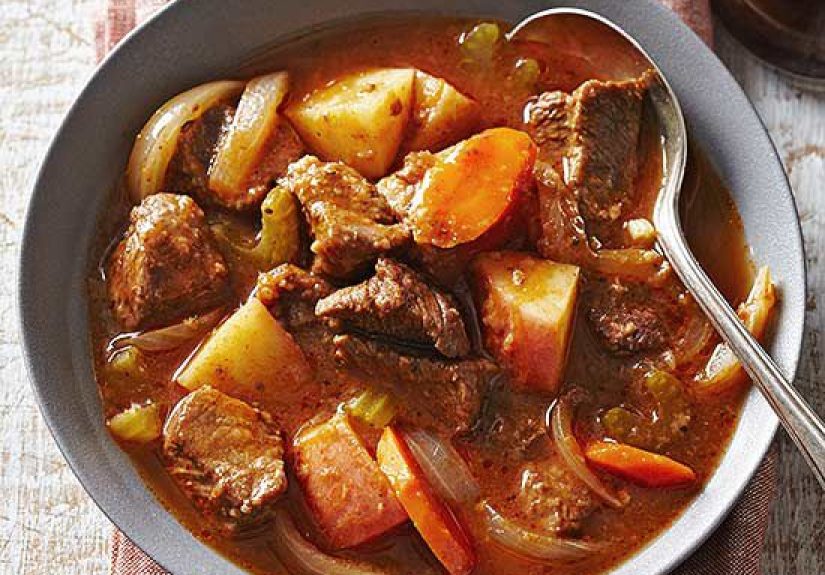
There are meals that whisper comfort, and then there are meals that show up wearing a wool blanket and carrying a loaf of crusty bread. Old-fashioned beef stew belongs firmly in the second group. It is humble, hearty, deeply satisfying, and gloriously unfussy. No foam. No tweezers. No “deconstructed” anything. Just tender beef, soft potatoes, sweet carrots, a rich savory broth, and the kind of aroma that makes people wander into the kitchen asking, “So… how long until dinner?” every twelve minutes.
A truly classic old-fashioned beef stew is not complicated, but it does reward good technique. The difference between a thin, sad bowl of beef soup and a rich, stick-to-your-ribs homemade beef stew comes down to a handful of smart choices: the right cut of meat, patient browning, balanced seasoning, and enough time for everything to mellow into one cozy, glorious pot. This is the kind of dish that tastes like Sunday, even if you make it on a Wednesday while wearing socks that do not match.
What Makes Old-Fashioned Beef Stew “Old-Fashioned”?
The phrase old-fashioned beef stew usually points to a traditional American style of stew built from pantry staples and practical cooking. Think beef chuck, onions, carrots, celery, potatoes, stock, herbs, and a thickened broth that lands somewhere between soup and gravy. It is a meal shaped by thrift and patience. Tough cuts of beef become tender through slow cooking. Basic vegetables pull their weight. The broth turns rich and glossy from browned bits, flour or starch, and time.
That old-school identity matters because this dish is not trying to be flashy. It is trying to be dependable. A good classic beef stew recipe should feel generous, deeply savory, and just rustic enough to make a polished restaurant entrée seem a little overdressed.
The Best Beef for Old-Fashioned Beef Stew
Chuck Roast Is the Gold Standard
If you want your beef stew with potatoes and carrots to taste like it came from someone’s family recipe box, chuck roast is usually the best place to start. It has enough connective tissue and fat to become meltingly tender after long cooking, but not so much that the pot turns greasy. When simmered gently, chuck transforms from chewy to luxurious. It is the Cinderella story of the meat counter, minus the glass slipper and plus a Dutch oven.
Cut the beef into fairly large chunks, not tiny pebbles. Small pieces cook too quickly and can go dry before the broth develops real depth. Bigger chunks hold their structure, stay juicy, and make each spoonful feel substantial.
Why “Stew Meat” Can Be a Gamble
Packages labeled “stew meat” can work, but they are often a mix of cuts, which means they do not always cook evenly. One piece turns tender while another still chews like it is holding a grudge. Buying a chuck roast and cutting it yourself gives you more consistent results and better flavor.
How Big Flavor Gets Built
Brown the Beef Properly
The first big flavor move in a Dutch oven beef stew is browning the meat. Not graying. Not lightly blushing. Browning. That deep golden crust creates the savory backbone of the stew. Pat the meat dry, season it well, dust lightly with flour if you like a traditional finish, and brown it in batches so the pan stays hot. Crowding the pot causes steaming, and steamed beef does not deliver the same depth. It is technically fine, but emotionally disappointing.
Respect the Aromatics
Once the beef is browned, the pot should welcome onions, celery, and garlic. This is where the stew starts smelling like a real plan instead of just cooked meat. Onions bring sweetness, celery adds savory backbone, and garlic rounds everything out. Carrots may join early for flavor or later for firmer texture, depending on your preference.
Tomato Paste, Worcestershire, and Other Quiet Heroes
Many of the best stew methods rely on a little tomato paste for color, depth, and umami. It does not make the stew taste like tomato sauce; it just makes everything taste more complete. Worcestershire sauce plays a similar role, adding a subtle savory tang that wakes up the broth without shouting for attention. A splash of red wine, dark beer, or even balsamic vinegar can also add welcome complexity, but none of these extras should bully the beef. In an old-fashioned stew, the beef still gets top billing.
A Classic Method for Better Beef Stew
If you want a reliable road map for a hearty beef stew, the process is wonderfully straightforward:
- Brown the beef in batches. Build color first. This is not the moment to rush.
- Cook the onions, celery, and garlic. Scrape up the browned bits as they soften.
- Add tomato paste and cook it briefly. Let it darken slightly for deeper flavor.
- Deglaze the pot. Use wine, beer, or broth to loosen the fond on the bottom.
- Return the beef and add stock, herbs, and seasonings. Bay leaf and thyme are classic choices.
- Simmer gently. A low bubble is ideal. Violent boiling makes the beef tougher, not better.
- Add potatoes and carrots at the right time. If they go in too early, they lose all sense of self and collapse into mush.
- Finish and adjust. Taste for salt, pepper, and brightness. A last sprinkle of parsley helps everything feel fresh.
You can cook this on the stovetop, in the oven, or in a slow cooker. The oven often gives especially steady, even heat, which is why so many home cooks swear by a heavy pot and a low oven for a truly classic beef stew recipe.
Potatoes, Carrots, and the Vegetable Question
An old-school stew is not just about the beef. The vegetables matter because they add sweetness, body, and texture. Potatoes help thicken the broth naturally as they release starch. Carrots bring sweetness that balances the savory richness. Onion and celery create the aromatic base. Mushrooms are optional but welcome if you want a deeper, woodsy note.
For the best texture, use waxy or all-purpose potatoes that can hold their shape. Russets can work, but they tend to break down more. That is wonderful if you want a thicker broth, less wonderful if you wanted distinct potato pieces and instead got mashed potato diplomacy in the pot.
How to Thicken Beef Stew Without Ruining It
Old-fashioned beef stew should have body. Not paste. Not water. Somewhere in the rich middle. The most traditional thickening method is flour, either dusted on the beef before browning or stirred into the aromatics. As the stew simmers, that flour helps the broth turn silky and substantial.
If you need a later adjustment, a cornstarch slurry can help, but use it gently. Add a little at a time and simmer briefly so the stew does not become glossy in a suspicious, cafeteria-adjacent way. Another smart trick is to mash a few cooked potatoes into the broth near the end. That thickens the stew while keeping the flavor natural and rustic.
Common Mistakes That Make Beef Stew Less Wonderful
Cooking Too Hot
Beef stew is a low-and-slow situation. High heat might seem efficient, but it often leaves the meat firm and the broth muddy. Gentle simmering gives collagen time to soften and flavor time to settle in.
Adding Everything at Once
Beef needs more time than potatoes, and potatoes need more time than peas. Dumping everything in at the beginning is the culinary equivalent of wearing a winter coat, swimsuit, and rain boots at the same time just in case.
Underseasoning
Large pots need confident seasoning. Taste near the end and adjust. A stew can be packed with good ingredients and still feel flat if the salt is timid.
Skipping the Make-Ahead Advantage
One of the joys of homemade beef stew is that it often tastes even better the next day. The flavors settle, the broth deepens, and the whole pot seems to get its life together overnight. This is not a myth. It is one of stew’s greatest talents.
Easy Variations That Still Feel Old-Fashioned
You can stay within the spirit of the dish while making a few changes:
- Add mushrooms for earthy depth.
- Use parsnips or turnips with the carrots and potatoes for more root-vegetable character.
- Finish with peas for color and sweetness.
- Add a splash of red wine for a slightly richer, more layered broth.
- Use pearl onions if you want a more nostalgic presentation.
The key is not to drift so far that the stew loses its old-fashioned soul. This is not the place for ten surprise spices and a foam garnish. This is where thyme, bay leaf, black pepper, and patience do the heavy lifting.
What to Serve With Old-Fashioned Beef Stew
The obvious answer is crusty bread, and the obvious answer is correct. Bread is perfect for dragging through every last bit of broth. Biscuits also work beautifully. Buttered egg noodles are excellent if you want to stretch the meal. A crisp green salad on the side can brighten the plate and keep dinner from leaning too far into glorious brown-on-brown territory.
For drinks, red wine works well, but so does iced tea, cider, or plain cold water because a rich stew does not need much competition. It already knows it is the main character.
Why This Dish Never Really Goes Out of Style
There is a reason old-fashioned beef stew keeps showing up in kitchens decade after decade. It is economical, adaptable, deeply comforting, and generous by nature. It turns a modest cut of meat into something luxurious. It feeds a table without fuss. It reheats beautifully. And it reminds people that “simple” and “boring” are not remotely the same thing.
When done well, beef stew with potatoes and carrots tastes like home cooking at its best: practical, flavorful, and designed to make people feel looked after. In a food world crowded with trends, that kind of reliability is not old-fashioned in a bad way. It is old-fashioned in the best possible way.
Experiences and Memories Tied to Old-Fashioned Beef Stew
Old-fashioned beef stew is one of those dishes that tends to come with a backstory. Ask ten people about it and you will probably get ten different versions, but most of them circle the same emotional neighborhood: cold weather, crowded kitchens, foggy windows, and somebody lifting a heavy lid while the whole room suddenly smells like dinner actually means something. Very few people have a dramatic life-changing memory involving a chia pudding bowl. Beef stew, however, has range.
For many families, stew is the dinner that appears when the temperature drops and everybody starts pretending they are “fine” in a drafty house while secretly standing as close to the stove as possible. The pot simmers for hours, and that waiting becomes part of the event. You do not just eat it; you live with it for an afternoon. You hear the occasional bubble. You catch the scent of thyme and onion in the hallway. Someone tears bread too early. Someone asks whether it is ready yet even though absolutely nothing has changed in the last eight minutes.
There is also something deeply reassuring about the way stew forgives ordinary home cooking. The carrots do not have to be cut into perfect little geometric masterpieces. The potatoes can be rustic. The beef can look rough around the edges before it cooks down. It is a dish that accepts real life. Maybe that is part of why people remember it so fondly. It was never only about flavor. It was about a pot that welcomed everyone exactly as they were, including the tired cook who had a long day and the kid who claimed not to like onions while somehow loving every bite anyway.
Old-fashioned beef stew also has the rare talent of improving the mood of a house. Not in a magical way, exactly, but close enough. A kitchen that smells like simmering beef, garlic, and herbs feels calmer. A bowl of hot stew encourages people to sit down longer, talk more, and scroll less. Even leftovers feel generous rather than second-rate. Day-two stew has that rich, settled flavor that makes people suspiciously complimentary, as if you secretly earned a culinary degree overnight.
Then there are the practical memories. Learning not to crowd the pan. Learning that low heat is not laziness; it is wisdom. Learning that the cheapest cut in the pot can become the most luxurious thing on the table if you treat it with time and respect. These are useful kitchen lessons, but they also feel strangely personal. Stew teaches patience in the most delicious possible format.
In the end, old-fashioned beef stew stays with people because it is more than a recipe. It is a ritual, a weather report, a family story, a budget-friendly triumph, and sometimes a tiny edible time machine. One spoonful can bring back a grandmother’s kitchen, a first apartment, a snow day, or a Sunday when everyone actually made it to the table on time. That is a lot for one pot to carry, but somehow stew does it with no complaints and very good gravy.
Conclusion
If you want a meal that delivers comfort, depth, and classic flavor without requiring culinary gymnastics, old-fashioned beef stew is still one of the best dishes you can make. Start with chuck roast, build flavor patiently, simmer gently, and let the vegetables join the party at the right time. The reward is a rich, hearty bowl of food that tastes nostalgic even when you are making it for the first time. It is practical enough for everyday cooking, special enough for Sunday supper, and dependable enough to earn a permanent place in the cold-weather rotation.







 Close
Close