
Table of Contents >> Show >> Hide
- Why Baked Pork Chops Turn Dry (and How This Recipe Prevents It)
- Quick-Glance: What You’ll Make
- Ingredients
- Step-by-Step: The Best Way to Bake Pork Chops
- Temperature, Safety, and the “Slightly Pink” Question
- Choosing the Best Pork Chops for Baking
- Troubleshooting: Common Problems (and Easy Fixes)
- Easy Variations (Same Juicy Method, Different Vibes)
- What to Serve with Baked Pork Chops
- Storage and Reheating
- FAQ
- Conclusion: The Best Baked Pork Chops Are a Thermometer Away
- Real-Life Kitchen Experiences (500+ Words of “Yep, Been There”)
Pork chops have a reputation problem. Somewhere along the way, we collectively decided they should be cooked until they resemble a politely seasoned hockey puck.
This stops today. The “best” baked pork chops aren’t complicatedthey’re strategic: choose the right chop, salt it like you mean it, bake at a confident
temperature, and trust a thermometer more than your aunt’s “just cook it longer” advice.
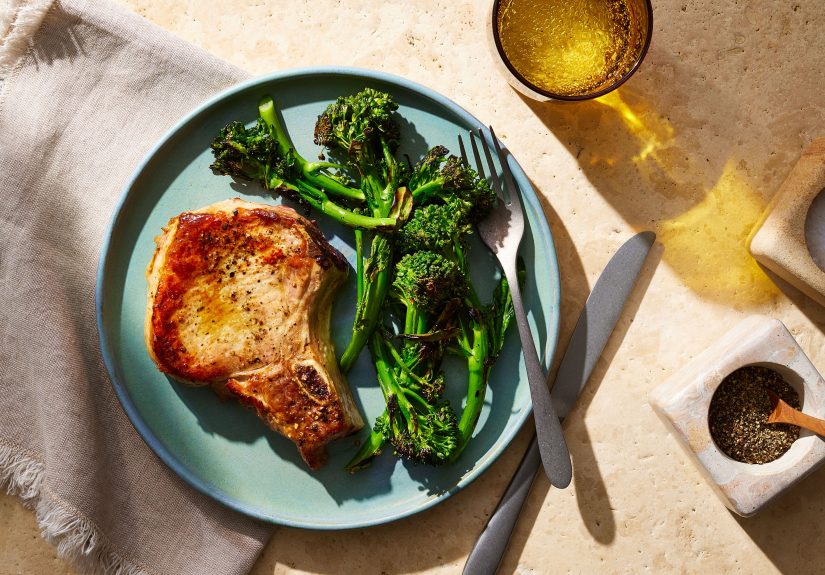
This recipe delivers juicy, flavorful chops with a browned edge and a tender, slightly blush center (yes, that’s normal). It’s weeknight-easy, dinner-guest-worthy,
and designed to survive real-life kitchenswhere someone always opens the oven “just to check.”
Why Baked Pork Chops Turn Dry (and How This Recipe Prevents It)
Pork chops are lean, which is great for your grocery bill and not-so-great for forgiveness if you overcook them. Dry pork chops usually happen because of one (or more)
of these troublemakers:
- Too thin: Thin chops cook fast and overshoot doneness before you can say “where’s the foil?”
- Not enough seasoning time: Salt right before baking seasons the surface; salting ahead seasons the chop.
- No thermometer: Timing varies by thickness, bone, starting temp, and your oven’s personality.
- Skipping rest time: Resting helps juices redistribute so they stay in the meatnot on your plate.
The fix is simple: use thicker chops when you can, dry-brine (a fancy term for “salt early”), bake on a rack for even heat, and pull the chops at the right
internal temperature.
Quick-Glance: What You’ll Make
Juicy Oven-Baked Pork Chops with Smoky Garlic Rub
Serves: 4 | Prep: 10 minutes (+ optional brine time) | Cook: 15–25 minutes
These chops are seasoned with a smoky-sweet rub, baked until juicy, then finished with a quick broil (or optional skillet sear) for that “restaurant edge”
without turning your kitchen into a smoke detector test lab.
Ingredients
For the Pork Chops
- 4 bone-in or boneless pork chops, 1 to 1¼ inches thick (about 2–2½ pounds total)
- 1½ teaspoons kosher salt (plus a pinch more if your chops are extra thick)
- 1 tablespoon olive oil
Smoky Garlic Rub
- 2 teaspoons smoked paprika (or regular paprika)
- 1 teaspoon garlic powder
- 1 teaspoon onion powder
- 1 teaspoon brown sugar (optional, but great for color)
- ½ teaspoon black pepper
- ¼ teaspoon dried thyme (or Italian seasoning)
- Pinch of cayenne (optional, for a gentle kick)
Optional Finishing Touch (Highly Recommended)
- 1 tablespoon butter, melted
- 1 small garlic clove, finely grated or minced
- 1 teaspoon lemon juice (or a splash of apple cider vinegar)
- Chopped parsley for serving
Step-by-Step: The Best Way to Bake Pork Chops
Step 1: Dry-brine (aka “salt early”) for juicier chops
Pat the chops dry. Sprinkle both sides evenly with the kosher salt. Place them on a plate or tray and refrigerate:
- Quick brine: 45 minutes (still worth it)
- Best results: 2–12 hours, uncovered if possible (helps the surface dry for better browning)
Short on time? You can skip this, but if you’ve ever said “my pork chops are always dry,” this is the single easiest upgrade.
Step 2: Preheat the oven and set up for even cooking
Heat the oven to 400°F. Place a wire rack on a rimmed baking sheet. (No rack? Use a sheet pan, but flip the chops halfway through.)
The rack helps hot air circulate so the bottom doesn’t steam in its own juices like it’s taking a spa day.
Step 3: Season like you mean it
In a small bowl, mix the rub ingredients. Remove chops from the fridge. Pat dry again (importantsurface moisture blocks browning).
Rub both sides with olive oil, then coat with the spice mix.
Step 4: Bake (and let the thermometer do the thinking)
Arrange chops on the rack with a little space between them. Bake until the thickest part reaches:
- Pull at 140–142°F if you plan to finish with a quick broil or skillet sear
- Pull at 145°F if you’re skipping the finish
As a rough guide (not a promise, because ovens are moody):
| Chop Thickness | Boneless | Bone-In |
|---|---|---|
| ¾ inch | 12–16 min | 14–18 min |
| 1 inch | 18–23 min | 20–25 min |
| 1¼–1½ inch | 22–28 min | 25–32 min |
Step 5: Finish for browning (choose your adventure)
Pork chops can be juicy without being deeply browned. But we want both, because we are adults with standards.
Pick one:
-
Quick broil: Switch oven to broil. Broil chops 1–2 minutes per side, watching closely.
(Sugar in the rub can darken quicklythis is not the time to check social media.) -
Optional skillet sear: Heat a skillet over high heat with a small drizzle of oil.
Sear chops 45–60 seconds per side until browned.
Step 6: Rest, then add the “wow” butter
Transfer chops to a plate and rest for 3–5 minutes. Meanwhile, stir melted butter with garlic and lemon juice.
Spoon a little over each chop, then sprinkle parsley. Serve immediately.
Temperature, Safety, and the “Slightly Pink” Question
For pork chops, the key number most home cooks need is 145°F (with a short rest). That temperature keeps pork safe to eat and far juicier than
the old “cook it to 160°F” era. A faint pink center can be normal at this donenessthink “rosy,” not “raw.”
Two pro tips that make this foolproof:
- Measure in the thickest part and avoid touching bone (bones read hotter).
- Plan for carryover cooking: Meat can rise a few degrees after it leaves the oven, especially thicker chops.
Choosing the Best Pork Chops for Baking
Bone-in vs. boneless
Bone-in chops tend to be a bit more flavorful and can feel juicier, partly because the bone insulates the meat.
Boneless chops are easier to eat and cook a little faster, but can dry out if they’re thin.
For this recipe, thickness matters more than bone.
Thickness sweet spot
If you can choose, go for 1 to 1¼ inches. Thin chops aren’t “bad,” but they’re basically a timed test with no extra credit.
Thick chops give you a better window between “done” and “why is this so chewy?”
Troubleshooting: Common Problems (and Easy Fixes)
“My pork chops are dry.”
- Next time: dry-brine at least 45 minutes.
- Use thicker chops (1 inch+).
- Pull at the right temperaturedon’t wait for “no pink anywhere.”
- Rest before slicing.
“They’re pale and boring.”
- Pat the surface dry before baking.
- Use a rack for better airflow.
- Finish with a short broil or a quick skillet sear.
“The seasoning tastes flat.”
- Salt earlier (dry-brine).
- Add an acidic finish: lemon juice or a splash of vinegar wakes up flavor instantly.
- Try fresh herbs at the endparsley, thyme, or rosemary.
Easy Variations (Same Juicy Method, Different Vibes)
1) Honey-Mustard Glaze
Mix 1 tablespoon Dijon mustard + 1 tablespoon honey + 1 teaspoon apple cider vinegar.
Brush on during the last 3–5 minutes of baking (or right after broiling).
2) Parmesan-Breadcrumb Crust
Swap the rub for a light coating of seasoned breadcrumbs mixed with grated Parmesan. Bake on a rack until golden.
(Keep using the thermometerbread crumbs don’t know when pork is done.)
3) Apple-Cider Pan Sauce (Stovetop Finish)
After baking, sear chops quickly in a skillet, remove them, then deglaze with a splash of apple cider and a little broth.
Simmer, add a knob of butter, and spoon over chops. Pork + apples = a classic for a reason.
What to Serve with Baked Pork Chops
- Roasted vegetables: broccoli, carrots, Brussels sprouts, green beans
- Something cozy: mashed potatoes, sweet potatoes, buttered noodles
- Something fresh: crunchy slaw, simple salad, sliced apples with a squeeze of lemon
- Something saucy: pan gravy, Dijon cream sauce, or even a spoon of chutney
Storage and Reheating
Store leftover pork chops in an airtight container in the refrigerator for up to 3–4 days.
Freeze for longer storage (quality is best within a few months).
To reheat without drying them out:
- Oven method: Place chops in a baking dish with a splash of broth or water, cover, and warm at 325°F until hot.
- Skillet method: Warm gently with a little butter or oil over medium-low heat, flipping often.
- Microwave method: Use medium power, cover, and heat in short bursts.
For food safety, leftovers should be reheated until steaming hot.
FAQ
Do I need to cover pork chops when baking?
Usually, no. Covering traps steam, which can soften browning. If you’re reheating leftovers or using very lean, thin chops, covering can help prevent drying.
Can I bake pork chops at 375°F instead of 400°F?
Yes375°F works and can be slightly more forgiving, but you may get less browning. If you use 375°F, expect a few extra minutes and consider the quick broil finish.
What if I only have thin chops?
Dry-brine for 45 minutes, bake a little lower (around 375–400°F), and start checking early. Thin chops can go from “perfect” to “paperweight” fast.
A quick sauce (like honey-mustard) can also help them taste juicier.
Conclusion: The Best Baked Pork Chops Are a Thermometer Away
If you take one thing from this recipe, let it be this: pork chops don’t need complicated tricksthey need the right doneness.
Salt them early, bake them hot, pull them at the right temperature, and let them rest. That’s how you get pork chops that are juicy, tender,
and worthy of a repeat performance (and not just because you bought a family pack on sale).
Real-Life Kitchen Experiences (500+ Words of “Yep, Been There”)
Here’s what tends to happen in actual homeswhere dinner is wedged between school, work, and the sudden realization that nobody took the trash out.
Baked pork chops are one of those meals that should be effortless, but only if you respect a few realities.
First: the thickness issue. Many people grab whatever package is closest, and thin chops are everywhere because they’re inexpensive and quick.
The experience is almost always the sameby the time you see any color, the inside has already rushed past juicy and landed in “why is my jaw tired?”
The best “real kitchen” workaround is not fancy: dry-brine them (even 45 minutes helps), and start checking early. Thin chops can be dinner heroes,
but they need supervision like a toddler near an open marker.
Second: the seasoning confidence gap. A lot of cooks under-season pork because they’re worried it’ll be “too much.”
Then they take a bite and realize it tastes like… warm protein. The rub in this recipe is intentionally balanced: smoky, garlicky, lightly sweet,
and designed to be friendly with side dishes. In practice, the moment people start salting earlier, everything changessuddenly the chop tastes seasoned
all the way through, not just on the surface. It’s the same chop, just finally living up to its potential.
Third: the “I don’t own a thermometer” phase. Many kitchens have a drawer of mystery tools (three can openers, two vegetable peelers, zero working thermometers).
Without a thermometer, people guess by time, then panic, then add “just five more minutes” repeatedly until the pork chop becomes a cautionary tale.
The consistent experience once a thermometer enters the picture is pure relief: you stop guessing, you stop hovering, and you stop making emergency gravy
to “save” the meal. It’s not about being fancyit’s about being done on purpose.
Fourth: the browning obsession. People want that golden edge, but they also don’t want smoke. The quick broil finish is the best compromise in most homes:
you get color fast, and you’re not searing four chops in batches while your side dish cools off and your dog stares into your soul.
The key “learned the hard way” moment: broilers are enthusiastic. Stay nearby, because 60 seconds is the difference between “beautiful crust”
and “why does it smell like campfire disappointment?”
Fifth: the rest time impatience. The chops come out, they smell amazing, and suddenly everyone is starving right now.
But slicing immediately is the fastest way to turn “juicy” into “where did all the moisture go?” In real kitchens, the easiest way to make rest time happen
is to give yourself a jobtoss the salad, warm the rolls, spoon the garlic-lemon butter. Three to five minutes disappears quickly, and the payoff is real.
Finally: leftovers. The first night is the showstopper, but the next day is where baked pork chops prove their practicality.
Slice them thin for sandwiches, tuck them into a rice bowl, or chop them into a quick stir-fry. The lived experience here is simple:
reheat gently, add a little moisture, and treat leftovers like a second dishnot a punishment. Your future self will thank you.






 Close
Close