
Table of Contents >> Show >> Hide
- Why Converse Shoes Are Perfect for DIY Decoration
- Before You Start: Prepare Your Converse Like a Pro
- Way 1: Paint or Draw on Your Converse Shoes
- Way 2: Add Fabric, Patches, Embroidery, or Embellishments
- Way 3: Customize the Details with Laces, Dye, Charms, and Styling
- Design Themes That Always Work
- Mistakes to Avoid When Decorating Converse Shoes
- How to Care for Decorated Converse Shoes
- Experience Section: What It Is Really Like to Decorate Converse Shoes
- Conclusion
Converse shoes have a rare superpower: they look good fresh out of the box, slightly beat-up, or completely transformed into a walking art project. Their clean canvas upper, rubber toe cap, simple laces, and iconic Chuck Taylor shape make them one of the easiest sneakers to personalize. Whether you own a crisp white pair of high tops, classic black low tops, platforms, or an older pair that has already survived concerts, coffee spills, and one suspicious puddle, decorating Converse shoes is a fun way to make them feel unmistakably yours.
The best part? You do not need to be a professional artist. You just need a plan, a few beginner-friendly supplies, and the patience not to wear your shoes while the paint is still tacky. That last part is important unless you want your socks to become part of the design.
This guide breaks down 3 ways to decorate Converse shoes: painting or drawing on the canvas, adding fabric and embellishments, and swapping or styling the details such as laces, charms, dye, and patches. Each method includes practical steps, design ideas, care tips, and real-world advice so your custom Converse sneakers look intentional, not like they lost a fight with a craft drawer.
Why Converse Shoes Are Perfect for DIY Decoration
Converse sneakers are popular for customization because they have a simple shape and large blank areas. Canvas Chuck Taylors, especially white or light-colored pairs, are ideal for fabric paint, acrylic paint mixed for fabric use, paint pens, embroidery, iron-on patches, lace changes, and decoupage. The flat side panels give you space for illustrations, names, flowers, checkerboards, stars, lyrics, doodles, or minimalist line art.
Another reason Converse shoes work so well for DIY projects is that they already have personality. The rubber toe, side patch, metal eyelets, and foxing stripe give the shoe structure, so even a small customization can look stylish. A single embroidered flower near the ankle can feel charming. A bold painted flame design can feel punk. A pastel lace swap can make the same shoe look soft and romantic. Basically, Converse are the denim jacket of sneakers: already cool, but always ready for patches.
Before You Start: Prepare Your Converse Like a Pro
Good decoration starts before you open the paint bottle. If the shoes are new, wipe away dust with a soft cloth. If they are used, clean them gently with lukewarm water and mild soap, then let them air-dry completely. Avoid machine washing or machine drying if you want to protect the shape, glue, rubber, and any future artwork.
Supplies You May Need
- Painter’s tape or masking tape
- Soft cloth, mild soap, and a small brush
- Pencil or washable fabric pencil
- Fabric paint, acrylic paint, or paint pens
- Fabric medium if using regular acrylic paint on canvas
- Small paintbrushes and detail brushes
- Fabric glue, Fabric Mod Podge, or strong craft adhesive
- Patches, rhinestones, beads, charms, ribbon, or lace
- New shoelaces, lace locks, or shoe charms
- Matte acrylic sealer or fabric-safe protective spray
- Newspaper, shoe trees, or paper towels to stuff inside the shoes
Remove the laces before decorating. Stuff the shoes with paper or shoe trees so the canvas has a firm surface. Tape off the rubber toe cap, sole edge, eyelets, and any areas you do not want painted. Think of painter’s tape as the responsible adult in the room. It keeps your creative energy from turning into accidental chaos.
Way 1: Paint or Draw on Your Converse Shoes
Painting is the most popular way to decorate Converse shoes because it gives you the most creative freedom. You can go bold with full-color artwork or keep it subtle with tiny stars, vines, initials, or abstract shapes. Fabric paint and paint pens work especially well on canvas because they are designed to flex with fabric. Regular acrylic paint can also work, but it is often better when mixed with fabric medium so it does not dry too stiff or crack quickly.
Best Design Ideas for Painted Converse
For beginners, simple designs are your best friend. Try a checkerboard strip along the side panel, tiny daisies around the eyelets, a sun and moon design on opposite shoes, or a small quote written along the midsole. If you feel more confident, paint clouds, flames, butterflies, cartoon-style food, album-inspired graphics, city skylines, or matching illustrations split across both shoes.
White Converse are perfect for bright colors, while black Converse look amazing with metallic paint, white paint pens, neon designs, or celestial themes. Red Converse can handle black outlines, cream accents, or retro tattoo-style art. Cream or off-white Converse are excellent for soft vintage florals, botanical sketches, and delicate pastel designs.
Step-by-Step: How to Paint Converse Shoes
- Clean and dry the shoes. Paint will not stick well to dirt, oil, or mystery sidewalk residue.
- Remove the laces. This gives you more room and keeps your laces from becoming accidental modern art.
- Tape the rubber sections. Cover the toe cap, sole edge, and logo patch if you want them untouched.
- Sketch lightly. Use pencil on white canvas or a light fabric pencil on darker shoes.
- Paint thin layers. Several thin coats look smoother and last better than one thick, crunchy coat.
- Let each layer dry. Rushing creates smears, fingerprints, and deep regret.
- Add outlines and details. Paint pens or fine brushes are great for clean edges.
- Seal the design. Use a fabric-safe or acrylic sealer once the paint is fully dry.
- Let the shoes cure. Wait at least 24 to 48 hours before wearing them, depending on the product instructions.
Tips for Better Painted Converse
Always test your paint on a hidden area or a scrap piece of canvas before committing. Use light pressure with paint pens so the ink does not bleed. If you are painting large areas, work from light colors to dark colors. If you are nervous, start with small designs near the heel or outer side panel instead of painting the entire shoe.
Avoid painting thick layers over areas that bend heavily, such as the toe crease. That area moves every time you walk, so thick paint may crack faster. If you want art near the front, use flexible fabric paint and keep the design lighter. The side panels and ankle area are usually safer for detailed artwork.
Way 2: Add Fabric, Patches, Embroidery, or Embellishments
If painting feels intimidating, decorate Converse shoes with texture instead. Fabric, patches, embroidery, rhinestones, studs, lace, ribbon, and appliqués can turn plain sneakers into something boutique-worthy. This method is great for people who love fashion details but do not necessarily want to freehand a dragon on canvas at 11 p.m.
Using Fabric to Cover Converse Panels
Fabric-covered Converse can look polished and custom-made. Floral cotton, plaid, denim, bandana print, toile, gingham, leopard print, or even leftover fabric from an old shirt can create a completely new style. The side panels are the easiest place to start because they are flatter than the toe area.
To attach fabric, make a paper pattern by tracing the side panel of the shoe. Cut your fabric slightly larger than the pattern so you have room to trim. Apply a thin, even layer of fabric glue or Fabric Mod Podge to the canvas, press the fabric down smoothly, and work out bubbles with your fingers. Once dry, trim the edges carefully with small scissors or a craft knife. Seal the edges with a little more adhesive to prevent fraying.
Decorating Converse with Patches
Patches are one of the easiest ways to customize Converse shoes. Iron-on patches may work on canvas, but because sneakers have curves, seams, and rubber nearby, sewing or fabric glue is often more controlled. Choose patches that match your style: smiley faces, cherries, lightning bolts, initials, flowers, planets, skulls, hearts, or travel-inspired patches.
Place patches before attaching them. Try one large patch near the ankle, two small patches on the outside panels, or a cluster of mini patches around the heel. Keep balance in mind. If one shoe has a bold patch, the other shoe can have a smaller matching accent so the pair looks coordinated rather than confused.
Adding Embroidery to Converse
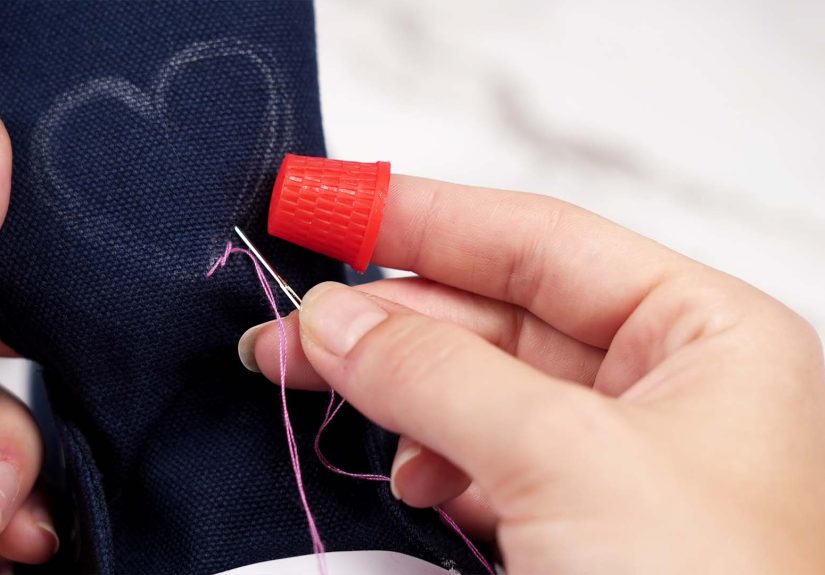
Embroidery gives Converse a handmade, elevated look. Simple flowers, stars, initials, tiny hearts, vines, or smiley faces work well on canvas. Use embroidery floss and a sharp needle, and avoid areas where the shoe has too many layers. The outer side panel is usually easier than the tongue or heel seam.
Before stitching, draw your design lightly. Keep stitches small and do not pull too tightly, or the canvas may pucker. If the inside of the shoe feels scratchy after stitching, cover the back of the embroidery with a small piece of soft fabric and flexible adhesive. Your ankles deserve peace.
Using Rhinestones, Studs, Pearls, or Beads
For a glam look, add rhinestones along the rubber toe line, pearls near the eyelets, or metal studs around the heel. Use a strong adhesive made for fabric, rubber, or mixed materials, depending on where the embellishments go. Place decorations with tweezers for better control. Let the glue cure completely before wearing the shoes.
One smart design trick is to decorate only one area. A fully rhinestoned shoe can be fabulous, but it can also become heavy and high-maintenance. A neat border, a small crystal starburst, or pearl accents around the ankle can look more wearable and last longer.
Way 3: Customize the Details with Laces, Dye, Charms, and Styling
The third way to decorate Converse shoes is to personalize the details. This method is ideal if you want a fresh look without permanently painting or gluing the canvas. It is also perfect for renters of the sneaker world: people who want commitment-free customization.
Swap the Laces
Changing the laces can completely transform Converse sneakers. Wide satin ribbons make high tops look romantic. Flat neon laces add a sporty streetwear feel. Black laces on white shoes create contrast. Cream laces soften bright colors. Patterned laces can bring in checkerboard, floral, rainbow, or animal-print energy without touching the canvas.
You can also experiment with lacing styles. Try bar lacing for a clean look, ladder lacing for an edgy style, or mismatched laces for a playful outfit. For a festival or concert look, use ribbon laces and add small charms near the bottom eyelets.
Add Shoe Charms and Lace Accessories
Shoe charms are not just for clogs. Small metal charms, alphabet beads, enamel pins, lace locks, safety pins, or tiny chains can make Converse feel personal. Add initials, lucky numbers, mini hearts, stars, or music-themed charms. Keep the accessories lightweight so they do not pull on the laces or slap your ankles while you walk.
If you like a punk-inspired look, thread small chains through the eyelets or attach safety pins to the canvas edge. If you prefer a softer aesthetic, use pastel beads, ribbon bows, or faux pearl charms. The key is to choose details that match your wardrobe, not just what looks cute on a craft-store shelf at 30% off.
Dye or Tie-Dye Your Converse
Dyeing is a great option for light-colored canvas Converse. You can create an ombré effect, pastel wash, dip-dyed toe, or full tie-dye design. Remove the laces first, protect the rubber with petroleum jelly or tape, and follow the dye product’s instructions carefully. Cotton canvas usually accepts dye better than synthetic materials, but results can vary depending on the shoe fabric, color, and finish.
For tie-dye, dampen the canvas, apply dye in sections, and keep colors from muddying together. Pink and orange blend beautifully. Blue and purple create a dreamy galaxy look. Green and yellow feel fresh and summery. Too many colors at once can turn brown quickly, which is fine only if your design concept is “swamp chic.”
Style the Rubber and Toe Cap Carefully
The rubber toe cap and midsole can be decorated too, but they require different materials than canvas. Paint may not stick well to rubber unless it is designed for flexible surfaces. Paint pens can work for temporary designs, but they may wear off with friction. For the rubber midsole, consider simple stripes, small doodles, or written quotes, and expect to touch them up over time.
If you want a clean, long-lasting result, decorate the canvas more heavily and keep the rubber simple. A bright lace swap, a painted side panel, and a clean white toe cap often look more professional than trying to cover every square inch.
Design Themes That Always Work
Minimalist Converse
Use black line art, tiny initials, small stars, or one embroidered flower. This style is perfect for people who want custom sneakers that still match everything.
Retro Converse
Paint mushrooms, smiley faces, wavy checkerboards, cherries, daisies, or 1970s-inspired color blocks. Add cream laces for a vintage touch.
Music-Inspired Converse
Add lyrics, tiny album symbols, guitar picks, sound waves, or band-inspired color schemes. Avoid copying copyrighted logos exactly if you plan to sell the shoes.
Wedding or Event Converse
Decorate with initials, wedding dates, pearls, lace, satin ribbon laces, or subtle metallic paint. Custom Converse can be comfortable reception shoes that still look photo-ready.
Streetwear Converse
Try bold lettering, graffiti-style marks, contrast laces, safety pins, chains, and black-and-white graphics. Keep the design sharp and intentional.
Mistakes to Avoid When Decorating Converse Shoes
The biggest mistake is using the wrong materials. Regular markers may bleed or fade. Thick acrylic paint may crack. Weak glue may fail after one walk around the block. Choose fabric-friendly supplies whenever possible.
Another common mistake is skipping prep. Dirty canvas, wet shoes, or oily surfaces can prevent paint and glue from bonding properly. Clean first, decorate second, celebrate third.
Do not rush drying time. Many paints feel dry on the surface before they are fully cured. Wearing your shoes too soon can cause smudges, creases, or sticky spots. Let your design rest. Your sneakers are not being lazy; they are becoming art.
Also, avoid overloading the shoe. Too many patches, colors, charms, rhinestones, and patterns can compete with each other. Pick a theme before you start. A clear idea usually looks more expensive than a dozen unrelated decorations fighting for attention.
How to Care for Decorated Converse Shoes
Once your Converse are decorated, treat them gently. Spot clean the canvas with a damp cloth and mild soap. Avoid soaking, machine washing, or machine drying, especially if you used paint, glue, rhinestones, or fabric. Let shoes air-dry at room temperature, away from direct heat.
If you painted the shoes, apply a light protective spray after the artwork is fully dry. If you added rhinestones or patches, check them occasionally and re-glue loose pieces before they disappear forever into the mysterious universe beneath car seats and restaurant booths.
Store your custom Converse somewhere dry. If they are white or pastel, avoid tossing them under muddy boots. Custom shoes are meant to be worn, but a little care helps them stay beautiful longer.
Experience Section: What It Is Really Like to Decorate Converse Shoes
Decorating Converse shoes sounds simple, and it can be, but the experience teaches you a few things very quickly. First, the blank canvas is both exciting and slightly terrifying. A plain white pair of Converse looks like opportunity. It also looks like pressure. The first pencil mark can feel dramatic, as if you are signing a contract with the sneaker gods. The best way to move past that fear is to start small. A tiny flower, star, stripe, or hidden initial near the heel can help you relax before you tackle a bigger design.
One of the most satisfying parts of decorating Converse is watching the shoes slowly become more personal. At first, they are just sneakers. Then you add a color, a patch, a lace change, or a little hand-painted symbol, and suddenly they feel like they have a backstory. Maybe the blue stars remind you of a summer trip. Maybe the embroidered initials are for a best friend. Maybe the flame design exists because you wanted to look cooler while buying iced coffee. All reasons are valid.
Painting Converse can be especially rewarding, but it rewards patience more than confidence. Thin layers matter. Drying time matters. Taping the rubber matters. People who skip these steps often end up with paint bleeding onto the sole or cracking where the shoe bends. People who take their time usually get cleaner results, even if they are not naturally artistic. A simple, neat design almost always looks better than a complicated rushed one.
Adding fabric or patches feels different. It is more like styling than drawing. You can move pieces around, test layouts, and see the design before anything becomes permanent. This makes it a great choice for beginners. The challenge is dealing with the curves of the shoe. Fabric wants to wrinkle around the toe and heel, so smaller panels are easier than trying to cover the entire sneaker on the first attempt. If you are new to decoupage, start with the outer side panels and leave the toe area alone until you feel more comfortable.
Lace swaps and charms are the easiest confidence boost. They take minutes, require almost no risk, and can change the whole mood of the shoe. A pair of black high-top Converse with red laces feels totally different from the same shoes with cream ribbon laces. This is the best route if you want seasonal changes: pastel laces for spring, plaid laces for fall, metallic charms for parties, or simple white laces when you want the shoes to calm down and behave.
The most important lesson from decorating Converse is that imperfection often makes them better. Handmade sneakers do not need to look factory-made. Slight brush texture, hand-drawn lines, and tiny quirks are part of the charm. Converse already carry a casual, lived-in spirit, so custom details fit naturally. They are not luxury shoes trapped behind glass. They are shoes for sidewalks, concerts, classrooms, weekend errands, and spontaneous plans.
If you are decorating Converse for the first time, choose a pair you are willing to experiment with. Older shoes are perfect practice because they already have character. Clean them, plan your design, and accept that the first version may not be flawless. The more you customize, the more you learn which paints flow well, which colors pop on canvas, which adhesives hold, and which ideas look better in your imagination than on your left foot.
In the end, decorating Converse is less about making perfect shoes and more about making shoes that feel like you. That is the real magic. You get to take a classic sneaker and turn it into something nobody else owns. And if someone asks where you bought them, you get the pleasure of saying, “I made them,” which is a small but excellent flex.
Conclusion
Decorating Converse shoes is one of the easiest and most enjoyable ways to personalize your wardrobe. You can paint canvas panels, add fabric and patches, embroider small designs, swap laces, attach charms, or experiment with dye. The best method depends on your style, patience level, and how permanent you want the design to be.
For bold artwork, use fabric paint or paint pens. For texture and personality, try patches, embroidery, rhinestones, or fabric panels. For quick updates, change the laces or add removable accessories. Start with clean shoes, use the right materials, let everything dry fully, and protect your finished design with gentle care.
Whether your finished Converse are minimalist, romantic, punk, retro, colorful, or wonderfully weird, they will have something store-bought shoes rarely do: your own creative fingerprint. And honestly, that is much cooler than another pair of sneakers that looks exactly like everyone else’s.
Note: This article is written for web publication in standard American English and is based on real sneaker-care, canvas-shoe customization, and craft-material best practices. Source links are intentionally not displayed, as requested.







 Close
Close