
Table of Contents >> Show >> Hide
- Why pee stains are so stubborn
- What you need before you start
- How to remove fresh pee stains from a mattress
- How to remove dried pee stains from a mattress
- How to remove pee smell from a mattress
- How to clean pet urine from a mattress
- What not to do
- Mattress type matters
- How to prevent future mattress stains
- When a stain may not come out completely
- Real-life experiences with removing pee stains from a mattress
- Final thoughts
Note: Always check your mattress care label first. Some mattress covers are washable, while some foam cores should never be soaked. The goal is to clean the stain, kill the smell, and avoid turning your bed into a damp science experiment.
A pee stain on a mattress can ruin a perfectly good day in record time. One minute you are thinking about coffee, emails, and the meaning of life. The next minute you are stripping the bed and wondering whether your mattress is now a permanent memorial to a midnight accident. The good news is that, in many cases, urine stains and odors can be removed with the right method, the right timing, and a little patience.
If you act fast, keep moisture under control, and use the right cleaning approach, you can often rescue the mattress without replacing it. The basic game plan is simple: blot first, treat the stain, neutralize odor, dry thoroughly, and protect the bed so you do not have to repeat this thrilling adventure next week.
In this guide, you will learn how to remove fresh pee stains from a mattress, how to handle dried stains, what to do about pet urine, which mistakes make the problem worse, and how to keep your mattress smelling like a bed instead of a very unhappy laundry room.
Why pee stains are so stubborn
Urine is not just “water with bad timing.” It contains waste compounds, salts, and proteins that can sink into the mattress surface and leave behind both discoloration and odor. That odor can linger because the liquid often penetrates deeper than it looks from the top. So even when the stain seems light, the smell may still be hanging out below the surface like an unwelcome houseguest.
Fresh urine is much easier to clean because it has not had as much time to dry into the fibers and foam. Dried urine, on the other hand, tends to leave a yellowish stain and a stronger smell. Pet urine is often the toughest version of all because it can be more concentrated and may need an enzyme cleaner to fully break down the odor-causing mess.
What you need before you start
Before you go into cleanup mode, gather your supplies so you are not sprinting through the house holding a soggy towel like you are in an Olympic event no one asked for.
Basic supplies
- Clean white towels or paper towels
- Spray bottle
- Cold or cool water
- Distilled white vinegar
- Baking soda
- Mild dish soap or liquid laundry detergent
- Vacuum with upholstery attachment
- Fan for faster drying
Optional supplies for tougher stains
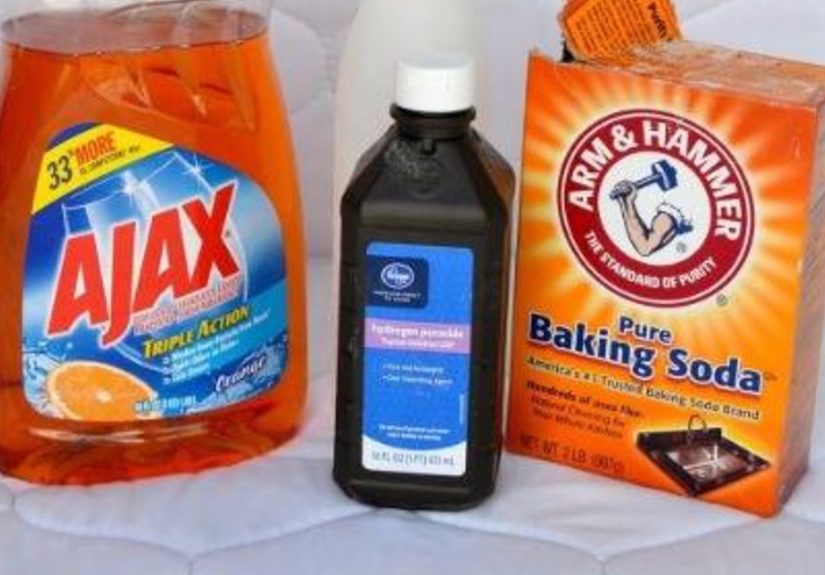
- Hydrogen peroxide
- Enzyme cleaner for pet urine or strong odor
- Rubber gloves
- Washable mattress protector
How to remove fresh pee stains from a mattress
If the accident is still fresh, this is your best-case scenario. It is annoying, yes, but still highly fixable.
Step 1: Strip the bed immediately
Remove sheets, blankets, pillowcases, and the mattress protector right away. Wash those items according to their care labels. If they are also stained, treat them separately before drying. Do not let soaked bedding sit in a heap for hours unless you are also trying to create a second cleaning project.
Step 2: Blot, do not scrub
Press clean towels or paper towels firmly into the wet area to absorb as much liquid as possible. Repeat with fresh dry towels until you are no longer pulling up much moisture. Do not rub or scrub. Scrubbing pushes the urine deeper into the mattress and spreads the stain, which is the opposite of what we are going for here.
Step 3: Spray a vinegar solution
Mix equal parts distilled white vinegar and cold water in a spray bottle. Lightly spray the stained area so it is damp but not drenched. Vinegar helps break down the urine residue and can reduce odor. Let it sit for about 10 to 15 minutes.
Step 4: Blot again
Use clean towels to blot up the moisture from the vinegar solution. Press down firmly. You want to lift out the liquid, not invite it to move in permanently.
Step 5: Cover with baking soda
Sprinkle a generous layer of baking soda over the treated area. This step helps absorb lingering moisture and odor. Let it sit for several hours, or overnight if possible. Yes, it looks messy. No, you should not panic. It is doing its job.
Step 6: Vacuum thoroughly
Once the baking soda is completely dry, vacuum it up using an upholstery attachment. If any smell remains, repeat the process. Sometimes one round is enough. Sometimes the mattress wants a little more attention because it enjoys drama.
How to remove dried pee stains from a mattress
Dried urine stains take a bit more effort because the residue has settled in and the discoloration may already be visible. This is where a stronger spot-treatment method can help.
Step 1: Make a stain-lifting solution
In a spray bottle, combine:
- 8 ounces of hydrogen peroxide
- 3 tablespoons of baking soda
- A few drops of mild dish soap
Shake gently until the baking soda dissolves. Use the mixture promptly rather than storing it for later.
Step 2: Lightly spray the stained area
Apply enough to coat the stain, but do not soak the mattress. This is especially important for memory foam and other foam mattresses, which do not love being waterlogged. Think “light treatment,” not “small flood.”
Step 3: Let it sit and dry
Leave the solution on the stain until it dries. As it works, it may loosen discoloration and leave behind a powdery residue from the baking soda.
Step 4: Vacuum residue and inspect
Vacuum up the dry residue and check the stain. If needed, repeat once more. Very old or deep stains may fade rather than disappear entirely, but odor can often still be significantly reduced.
How to remove pee smell from a mattress
Sometimes the stain is gone, but the smell keeps hanging around like it pays rent. Odor removal is really about two things: neutralizing what is left and drying the mattress completely.
Use baking soda generously
Baking soda is one of the best simple ways to deodorize a mattress. After spot-cleaning, spread a generous layer over the area and let it sit as long as you can. Overnight is ideal.
Increase airflow
Open windows if possible and point a fan directly at the mattress. Good airflow matters. A mattress that stays damp too long can start smelling musty, which is a truly unhelpful bonus problem.
Repeat if necessary
For stronger smells, do a second round of vinegar treatment followed by baking soda, or use an enzyme cleaner if the odor persists.
How to clean pet urine from a mattress
Pet urine is usually more stubborn than human urine, especially if a cat is involved. Cats, for reasons known only to cats, often manage to create odors with the emotional force of a full theatrical production.
For pet accidents, an enzyme cleaner is often the best choice. These cleaners are designed to break down the biological compounds in urine that cause lingering odor. Follow the product label carefully, because dwell time and drying instructions can vary.
Best approach for pet pee
- Blot up as much liquid as possible.
- Apply the enzyme cleaner according to label directions.
- Let it sit for the recommended time.
- Blot excess moisture.
- Sprinkle baking soda over the area.
- Air-dry fully, then vacuum.
If your pet returns to the same spot repeatedly, the odor is probably still there even if you cannot smell it clearly anymore. In that case, repeat the enzyme cleaner treatment before using the bed again.
What not to do
When cleaning pee stains from a mattress, the wrong move can turn a manageable stain into a lingering mess. Avoid these common mistakes:
Do not soak the mattress
More liquid does not equal more cleaning power. Overwetting can trap moisture inside the mattress and make drying much harder.
Do not scrub aggressively
Scrubbing can damage fibers, spread the stain, and push liquid deeper into the bed.
Do not use high heat too soon
Make sure the mattress is fully dry before covering it again. Trapping dampness under bedding is a great way to keep odor alive longer.
Do not mix bleach with other cleaners
Never mix bleach with ammonia or other cleaning products. Dangerous fumes can result. In general, bleach is not the best first choice for a mattress anyway, especially if the manufacturer advises against harsh stain removers.
Mattress type matters
Not every mattress should be cleaned the same way. This part matters more than people think.
Memory foam mattresses
Use as little moisture as possible. Foam can absorb liquid deeply and dry slowly. Spot-clean only, blot carefully, and allow extra drying time.
Mattresses with removable covers
If the cover is removable and washable, take it off and wash it according to the label. Still, avoid soaking the mattress core underneath unless the manufacturer clearly says it is safe.
Pillow-top or thick hybrid mattresses
These can trap moisture in their padded upper layers. Be patient with drying, use fans, and do not remake the bed until everything is fully dry.
How to prevent future mattress stains
The easiest pee stain to remove is the one that never reaches the mattress in the first place. Revolutionary, I know.
Use a waterproof mattress protector
This is the smartest move by far. A washable waterproof protector can stop liquids from soaking into the mattress and save you from the whole cleanup saga.
Wash bedding regularly
Clean sheets and protectors help keep odors from building up and make accidents easier to catch quickly.
Handle accidents right away
The longer urine sits, the harder it is to remove. Quick action is your best friend here.
Keep backup bedding nearby
If this is a recurring issue with kids, pets, or medical needs, having a spare mattress protector and extra sheets ready can make cleanup much less stressful.
When a stain may not come out completely
Some stains, especially older yellow marks, may not vanish 100 percent. That does not always mean the mattress is ruined. If the stain lightens, the odor is gone, and the mattress is fully dry, you may still be in excellent shape to keep using it.
However, if the mattress still smells strongly after repeated cleaning, feels damp deep inside, or has multiple old biological stains, replacement may be the better long-term choice. At some point, you are cleaning a bed, not auditioning for a forensic TV show.
Real-life experiences with removing pee stains from a mattress
If there is one comforting thing about this topic, it is this: you are absolutely not the only person who has Googled “how to remove pee stains from mattress” in a mild state of panic. This problem shows up in real homes for very normal reasons. Potty-training toddlers have accidents. Pets get sick, nervous, or elderly. Adults deal with illness, recovery, postpartum challenges, or plain bad luck. Mattresses, unfortunately, do not care why the accident happened. They just absorb the plot twist.
One of the most common experiences people describe is the fresh-mess miracle. They discover the accident quickly, strip the bed immediately, blot like champions, use vinegar and baking soda, and by the next day the mattress looks and smells almost normal again. In those cases, speed does most of the heavy lifting. People often say the cleanup felt overwhelming at first, but once they followed the steps in order, it became manageable. In other words, the mattress was dramatic, but not impossible.
Dried stains are where emotions get louder. Many people do not notice the accident until later, especially if it happened under a blanket, beneath a mattress pad, or during a chaotic week of parenting, caregiving, or travel. They lift the sheets and find that dreaded yellow ring. The first reaction is usually horror. The second is often denial. The third is intense online research. The encouraging part is that even older stains often improve with repeated treatments. The stain may not disappear completely, but the smell can still be knocked down enough to make the mattress usable and comfortable again.
Pet owners tend to have the most epic stories. A nervous rescue dog during a thunderstorm. A senior cat who suddenly decides the bed is a bathroom. A puppy who looks innocent while standing directly next to a very guilty-looking wet spot. In those situations, many people find that a regular DIY cleaner helps a little, but an enzyme cleaner is what really finishes the job. That “aha” moment matters. The smell that seemed immortal finally fades, and everyone in the house breathes easier, including the pet who caused the chaos.
Another common experience is learning the hard way that too much cleaner is not better. People sometimes soak the mattress, thinking they are being thorough, only to realize the bed now feels damp for far too long. Then the problem becomes half stain removal and half emergency drying operation. Fans, open windows, and patience suddenly become the real heroes. That lesson sticks: use enough cleaner to treat the stain, but not enough to baptize the mattress.
And then there is the mattress protector crowd, who usually sound like they have seen the future and returned with wisdom. Once someone goes through one messy cleanup, they almost always buy a waterproof protector and tell everyone else to do the same. It is one of those products that seems unnecessary until the day it becomes the MVP of the bedroom.
So if you are dealing with this right now, take heart. It is frustrating, yes, but it is also fixable more often than not. A pee stain on a mattress feels personal for about five minutes, then it becomes a cleaning project. Handle it step by step, keep the mattress as dry as possible, and give yourself credit for solving a problem that is a lot more common than most people admit.
Final thoughts
Removing pee stains from a mattress is equal parts speed, strategy, and restraint. Blot first. Use the right cleaner for the type of stain. Let baking soda help with odor. Dry the mattress thoroughly. And next time, let a waterproof mattress protector take one for the team.
Whether you are dealing with a toddler accident, a pet emergency, or one of life’s random little disasters, the mattress is often salvageable. The trick is not to panic, not to soak it, and not to assume one ugly yellow spot means the bed is doomed forever. With the right method, your mattress can go back to being a place for sleep instead of a reminder of the night everything went sideways.







 Close
Close