
Table of Contents >> Show >> Hide
- How to Make an Inclusive Thanksgiving Menu Without Making It Weird
- 1. Herby Vegan and Gluten-Free Stuffing
- 2. Roasted-Garlic Mashed Potatoes
- 3. Mushroom Gravy That Actually Tastes Like Gravy
- 4. Green Bean Casserole Without the Mystery Soup
- 5. Sweet Potato Casserole with a Crunchy Pecan Topping
- 6. Maple-Roasted Carrots with Fresh Herbs
- 7. Quinoa-Stuffed Acorn Squash
- 8. Cranberry-Orange Sauce
- 9. Vegan and Gluten-Free Pumpkin Pie
- Why These Vegan and Gluten-Free Thanksgiving Recipes Work So Well Together
- What Hosting This Kind of Thanksgiving Actually Feels Like
- Conclusion
- SEO Tags
Thanksgiving is supposed to be the warm, cozy, pass-the-potatoes holiday. But for a lot of families, it can also become the Wait, can you eat this? Olympics. One guest avoids gluten. Another eats fully plant-based. Someone else is suspicious of anything labeled “healthy” because they assume it tastes like damp cardboard. Suddenly, hosting dinner feels less like a celebration and more like a high-stakes group project with gravy.
The good news: a vegan and gluten-free Thanksgiving does not have to look like a plate of plain lettuce quietly regretting its life choices. In fact, some of the best holiday dishes are already easy to adapt. Potatoes want to be creamy. Squash loves maple and herbs. Cranberries were born to be dramatic. Mushrooms are basically tiny flavor overachievers.
The secret is not trying to make one “special diet” plate off to the side like a lonely afterthought. The real win is building a holiday menu where everyone can dig in together without needing a decoder ring for the ingredient list. That means choosing recipes that feel festive, taste familiar, and use smart swaps that actually work.
Below, you’ll find nine vegan and gluten-free Thanksgiving recipes that bring comfort, color, and serious main-character energy to the table. These are the kinds of dishes that make guests feel welcome, full, and just a little smug when they ask for seconds before realizing the recipe is both dairy-free and wheat-free.
How to Make an Inclusive Thanksgiving Menu Without Making It Weird
Before we get to the recipes, one important note: gluten-free cooking is not just about skipping bread. It also means checking labels on broth, soy sauce, crispy onions, oats, pie crusts, and packaged seasonings. Vegan cooking has its own sneaky ingredients too, like butter in mashed potatoes or cream in casseroles. When both matter, little details matter a lot.
That is why the best vegan and gluten-free Thanksgiving recipes lean on naturally safe ingredients first: potatoes, squash, cranberries, mushrooms, green beans, herbs, nuts, legumes, olive oil, and plant-based milk. Then they use practical swaps for the classics, like gluten-free bread in stuffing, cornstarch or arrowroot in gravy, coconut milk in pie filling, and certified gluten-free oats when you want a crisp topping.
Also, let’s say this louder for the people in the back holding the flour-covered spoon: if you are serving guests who need gluten-free food, use clean pans, separate utensils, and clearly labeled dishes. It is a holiday dinner, not a cross-contact experiment.
1. Herby Vegan and Gluten-Free Stuffing
Why it belongs on your table
No Thanksgiving spread feels complete without stuffing. It is savory, cozy, and smells like the house has been hugged by sage. A good vegan and gluten-free stuffing keeps all that comfort but swaps in gluten-free bread cubes and vegetable broth. Add onions, celery, garlic, and fresh herbs, and you are already halfway to holiday glory.
What makes it work
The best versions balance a soft center with crispy golden edges. To get there, dry out your gluten-free bread first. This step matters because fresh bread turns stuffing into spoonable sadness. A smart addition is lentils or chopped mushrooms, which give the dish more body and a savory depth that makes nobody ask, “So where’s the sausage?”
Flavor tip
Use plenty of sage, thyme, rosemary, and black pepper. If your stuffing tastes flat, it almost always needs more salt, more herbs, or a splash more broth. Thanksgiving stuffing should taste like autumn wearing a cable-knit sweater.
2. Roasted-Garlic Mashed Potatoes
Why everyone loves them
Mashed potatoes are one of the easiest side dishes to make vegan and gluten-free, which is excellent news for humanity. Instead of butter and cream, use olive oil, vegan butter, unsweetened oat milk, almond milk, or another neutral plant milk. Roasted garlic takes the flavor from “solid side dish” to “please move the bowl closer to me immediately.”
What makes them creamy
Choose Yukon Gold potatoes if you want a naturally creamy texture. They mash beautifully and do not need a ton of dairy-style help to feel luxurious. A little nutritional yeast can add extra savory depth without making the potatoes taste remotely “health-food store.” Caramelized onions also bring sweetness and richness if you want a more layered flavor.
Make-ahead note
Mashed potatoes can be held warm in a slow cooker or gently reheated with an extra splash of plant milk. This is useful because Thanksgiving timing is often a comedy of errors involving one oven and three people yelling about pie.
3. Mushroom Gravy That Actually Tastes Like Gravy
Why it matters
Let’s be honest: mashed potatoes without gravy are just waiting for their emotional support sauce. A great vegan and gluten-free gravy uses mushrooms, onions, garlic, vegetable broth, herbs, and a gluten-free thickener like cornstarch or arrowroot. The result is glossy, savory, and rich enough to earn its own applause.
How to build flavor
Mushrooms are the MVP here because they bring umami in a big way. You can deepen the flavor with tamari, miso, nutritional yeast, or a spoonful of tomato paste. Let the mushrooms brown properly instead of rushing them. Golden edges equal bigger flavor.
Hosting tip
Serve gravy in a labeled bowl with its own ladle so your gluten-free guests are not playing Russian roulette with the breadcrumb spoon from another dish.
4. Green Bean Casserole Without the Mystery Soup
Why this classic deserves a glow-up
Green bean casserole has long been the sleeper hit of Thanksgiving. But traditional versions often rely on canned cream soup and packaged onions that may contain dairy or gluten. The vegan and gluten-free version tastes fresher and somehow even more nostalgic.
What to use instead
Start with green beans, then make a creamy mushroom sauce from sautéed mushrooms, onion, garlic, plant milk, and a gluten-free thickener. Top with certified gluten-free crispy onions or make your own shallot topping if you are feeling ambitious and slightly competitive.
Texture is everything
The best casserole has tender green beans, a silky sauce, and a crunchy top. That contrast is what keeps people going back for “just a tiny spoonful more,” which is code for half the casserole dish.
5. Sweet Potato Casserole with a Crunchy Pecan Topping
Why it wins hearts
Sweet potato casserole is one of those dishes that walks the line between side and dessert and refuses to apologize. A vegan and gluten-free version can be every bit as rich and festive, especially when topped with pecans, brown sugar, maple syrup, cinnamon, and a little gluten-free oat crumble if desired.
Skip the mushy middle
Roast or steam the sweet potatoes until tender, then mash them with plant milk, vegan butter, vanilla, cinnamon, and a pinch of salt. The salt matters because it keeps the dish from tipping into one-note sweetness. The pecan topping adds crunch, warmth, and enough buttery energy to make marshmallows feel a little unnecessary.
Best serving idea
This dish pairs beautifully with stuffing and green beans. It also makes excellent leftovers, assuming anyone leaves you any.
6. Maple-Roasted Carrots with Fresh Herbs
Why simple works
Every Thanksgiving table needs at least one dish that is easy, bright, and not trying to be a casserole. Enter maple-roasted carrots. They bring color, sweetness, and just enough elegance to make the whole table look better dressed.
How to make them shine
Toss carrots with olive oil, maple syrup, salt, pepper, and maybe a little cumin or smoked paprika if you want extra depth. Roast until caramelized at the edges, then finish with parsley, thyme, or dill. A squeeze of lemon at the end can wake up the whole dish.
Why they matter for inclusion
These are naturally vegan and gluten-free with almost no modification. In other words, they are the low-drama friend every Thanksgiving menu needs.
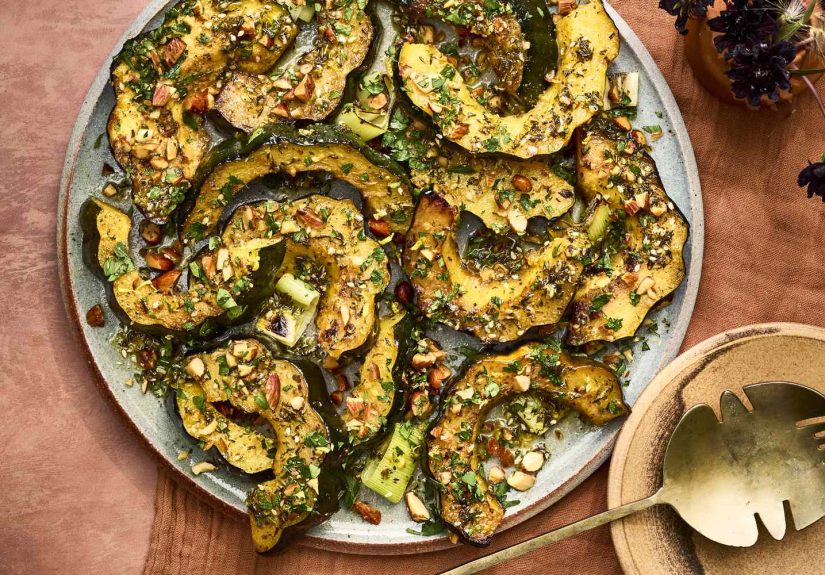
7. Quinoa-Stuffed Acorn Squash
Why it feels special
If you want one dish that looks impressive enough for the center of the table, stuffed acorn squash is it. It is colorful, cozy, and just theatrical enough to make guests say, “Ooh,” before anyone even sits down. Better yet, it works as a vegan and gluten-free main dish or hearty side.
What goes inside
A great filling starts with quinoa or wild rice, then layers in black beans or lentils, sautéed greens, herbs, pepitas or pecans, dried cranberries, and something bright like lime or orange. The squash itself becomes sweet and tender in the oven, which plays beautifully against the savory filling.
Why it is practical
This recipe looks fancy but is extremely forgiving. You can prep the filling ahead, roast the squash in advance, and assemble right before serving. It is one of the best holiday dishes for making plant-based guests feel like the menu was designed for them on purpose.
8. Cranberry-Orange Sauce
Why homemade is worth it
Cranberry sauce is one of the easiest Thanksgiving recipes to make from scratch, and the payoff is huge. A simple pot of cranberries, orange juice, zest, sugar or maple syrup, and warm spices tastes fresher, brighter, and less suspiciously gelatinous than the canned version.
How to balance the flavor
Cranberries are naturally tart, so they need sweetness, but not too much. Orange adds acidity and fragrance, while cinnamon, ginger, or a pinch of clove can make the sauce feel especially holiday-ready. Some cooks like adding diced apple for body and natural pectin.
Why guests appreciate it
This is another dish that is naturally vegan and gluten-free, which means everybody can spoon it over stuffing, squash, potatoes, or leftovers the next day without asking the annual holiday question: “Wait, what’s in this?”
9. Vegan and Gluten-Free Pumpkin Pie
Because dessert should not exile anyone
Pumpkin pie is the grand finale, and everyone deserves a slice. A strong vegan and gluten-free version uses a gluten-free crust and a smooth filling made from pumpkin purée, warm spices, and a dairy-free base like coconut milk. Some recipes use aquafaba for extra structure, while others rely on starch for a firm, silky set.
What makes it delicious
The flavor comes from the classics: cinnamon, ginger, nutmeg, cloves, vanilla, and a little salt to sharpen everything. Let the pie cool fully before slicing. This is not the time for reckless impatience. Warm pie may smell amazing, but a chilled, fully set pie actually looks like it belongs on a holiday table.
Easy finish
Top with coconut whipped cream and nobody will care that it is vegan and gluten-free. They will care that you made pumpkin pie disappear in record time.
Why These Vegan and Gluten-Free Thanksgiving Recipes Work So Well Together
What makes these dishes especially useful is that they do not feel like “substitutions first” recipes. They feel like real holiday food. The stuffing is herby and crisp. The mashed potatoes are creamy. The gravy is deep and savory. The squash is beautiful. The pie still tastes like Thanksgiving.
That is the real goal of an inclusive menu. Not to spotlight what is missing, but to make the table feel abundant. When the vegan guest, the gluten-free guest, and the meat-and-potatoes uncle all happily eat the same side dishes, you have officially won Thanksgiving.
What Hosting This Kind of Thanksgiving Actually Feels Like
The first time you plan a fully inclusive Thanksgiving, it can feel like you are trying to host a dinner party while solving a puzzle with oven mitts on. You read labels like a detective. You text people things like, “Is your oat milk preference emotional or structural?” You discover that crispy onions are not always gluten-free, and that one innocent-looking broth carton has wheat hiding in it like a tiny seasonal villain.
But once you get past that initial learning curve, something really nice happens: you stop thinking only about restrictions and start thinking about hospitality. The meal becomes less about what people cannot have and more about how good it feels when everyone can relax. No one has to bring a backup meal. No one has to quietly skip dessert. No one has to ask five awkward questions before touching the casserole dish.
That shift changes the whole mood of the holiday. Guests who usually feel like “the complicated one” suddenly do not. They can sit down, pass plates, and eat like everyone else. And honestly, that kind of ease is one of the most underrated Thanksgiving ingredients.
There is also a surprising side effect: inclusive menus often make the meal better. You end up cooking with more vegetables, more herbs, more texture, and more intention. Instead of leaning on dairy, wheat, or processed shortcuts for flavor, you build flavor in layers. Roasted garlic. Fresh thyme. Browned mushrooms. Orange zest. Maple syrup. Toasted pecans. All of that tastes like effort in the best possible way.
Another thing you notice is that people are far more open-minded when the food looks and smells amazing. Call something “vegan and gluten-free” too early, and somebody may act like you offered them a plate of printer paper. Put a bubbling dish of green bean casserole or a golden pumpkin pie in front of them first, though, and suddenly everyone becomes very progressive. Funny how that works.
These kinds of recipes also make leftovers better. Inclusive stuffing and gravy mean one less separate container in the fridge. Cranberry sauce works on everything. Stuffed squash reheats beautifully for lunch. Pumpkin pie for breakfast is still morally questionable, but at least now it is available to more people. That feels like progress.
Most of all, cooking this way reminds you what Thanksgiving is supposed to do. It is not a performance of perfection. It is not a contest to see who made the most butter-based side dishes. It is a meal meant to gather people in, make them feel cared for, and send them home fuller than they intended to be.
So if you are planning a menu this year, do not think of vegan and gluten-free Thanksgiving recipes as a compromise. Think of them as good hosting. Think of them as dishes with wider appeal, better balance, and a little more generosity built in. And if that generosity happens to come with extra mushroom gravy and a second slice of pumpkin pie, well, that is the kind of holiday magic nobody argues with.
Conclusion
If you want a Thanksgiving menu that feels warm, thoughtful, and genuinely welcoming, these nine vegan and gluten-free recipes are a smart place to start. They prove that inclusive holiday food can still be rich, nostalgic, and worthy of a very dramatic second helping. Build your menu around dishes everyone can share, pay attention to labels and prep tools, and suddenly the meal becomes easier for guests and more meaningful for the host. That is what a good Thanksgiving table should do: make room for everybody.







 Close
Close