
Table of Contents >> Show >> Hide
- Why Ketchup Works (And Why It’s Not for Everything)
- Before You Start: The Ketchup Cleaning Rules
- 1) Polish Copper Cookware and Decor (The “Wow, It’s Actually Copper” Reveal)
- 2) Brighten Brass Hardware (Cabinet Pulls, Doorknobs, Candlesticks)
- 3) Rescue Tarnished Silver (Flatware, Serving Pieces, Some Jewelry)
- 4) Clean Copper-Based Costume Jewelry (When It Turns Your Skin Green)
- 5) Remove Light Rust on Tools (Garden Shears, Screwdrivers, Wrenches)
- 6) Shine Chrome and Reduce Rust Specks (Faucets, Trim, Some Outdoor Metal)
- 7) De-Rust a Cast-Iron Pan (Then Re-Season It Like You Mean It)
- 8) Remove Hard-Water Spots on Faucets and Fixtures (Goodbye, Chalky Halo)
- Common Mistakes (So Your “Hack” Doesn’t Become a Sticky Crime Scene)
- Real-Life Experiences and Lessons Learned (About )
- Conclusion
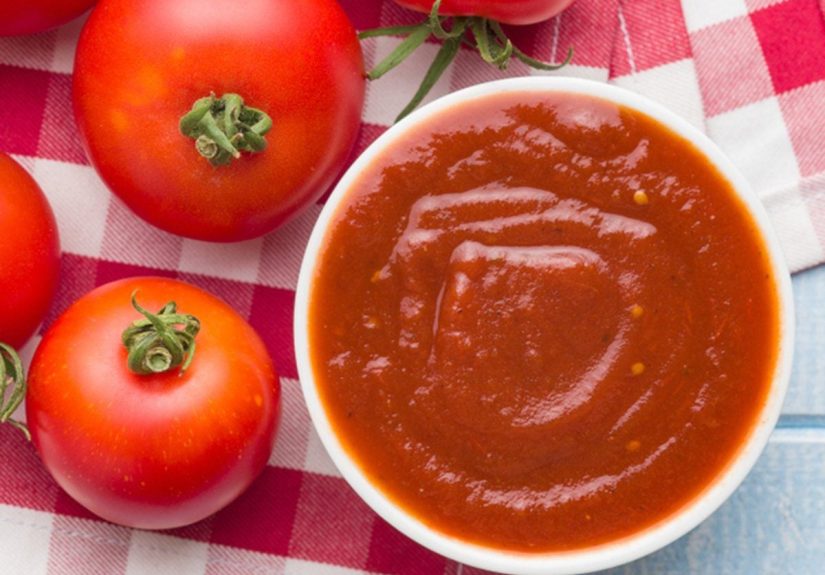
Ketchup has a great PR team. One minute it’s starring in your burger photo, the next it’s quietly auditioning for a
role as “surprisingly effective household cleaner.” And yes, this is as weird as it soundsuntil you remember
ketchup is basically a thick, clingy blend of mild acids (tomatoes + vinegar), a little salt, and water.
Translation: it’s not magic…it’s pantry chemistry with a flip-top cap.
This guide walks you through eight unexpected ways to clean with ketchup, with step-by-step instructions,
what it works on, what it can ruin, and how to avoid turning a quick shine-up into a sticky regret. If you’ve got
tarnish, a bit of rust, or water spots that laugh at your sponge, ketchup might be your new “I can’t believe this worked”
story.
Why Ketchup Works (And Why It’s Not for Everything)
Most ketchup contains vinegar (acetic acid) and tomato acids. Those mild acids can help loosen oxidation
(tarnish) and break down some mineral buildup. The ketchup’s thickness is a big part of the “hack” tooit stays put
on vertical surfaces, corners, and crevices instead of dripping off like straight vinegar would.
But ketchup is still acidic. That means it can strip finishes, dull a patina you actually wanted, and irritate surfaces
that don’t get along with acids (hello, some stones and coatings). So we’re keeping this list focused on situations where
ketchup is most likely to help: metals and mineral spots.
Before You Start: The Ketchup Cleaning Rules
- Spot-test first in an inconspicuous area, especially on plated, painted, lacquered, or antique pieces.
- Use plain ketchup (not spicy, not dyed novelty ketchup, not “extra garlic”) to avoid extra oils, pigments, or additives.
- Don’t let it camp out forever. A few minutes to an hour is plenty for most jobs. Longer isn’t always better.
- Rinse thoroughly and dry completely to prevent residue, spotting, or new oxidation.
- Use soft tools: microfiber cloths, soft sponges, cotton rags, and a soft toothbrush for detail work.
1) Polish Copper Cookware and Decor (The “Wow, It’s Actually Copper” Reveal)
Copper tarnish can make a gorgeous pan look like it survived a shipwreck. Ketchup can help lift that dull oxidation and
bring back warmth and shineespecially on copper bottoms and decorative copper pieces.
Best for
Light-to-moderate tarnish on copper pots, pans, mugs, sinks, and decor.
How to do it
- Wash the item first with warm soapy water to remove grease (acid + grease = streaky sadness).
- Apply a thin, even layer of ketchup to the tarnished areas.
- Let it sit 5–15 minutes for mild tarnish (up to 30 minutes if it’s stubborn).
- Buff gently with a soft cloth. Use a soft toothbrush for seams or stamped patterns.
- Rinse well, then dry immediately.
Pro tip
If you love the aged patina look, ketchup is not your friend. It’s trying to erase the “antique vibes” you worked
10 years to earn.
2) Brighten Brass Hardware (Cabinet Pulls, Doorknobs, Candlesticks)
Brass gets handled, gets oily, and then gets moody. Ketchup can cut through tarnish on brass quicklyespecially on small
household hardware that’s more “fingerprint museum” than “shiny accent.”
Best for
Solid brass items with tarnish: knobs, pulls, candlesticks, some fixtures.
How to do it
- Confirm it’s brass (a magnet test helps: brass is not magnetic).
- Spot-test a hidden area first.
- Apply ketchup with a cloth or your finger (gloves optional, but your dignity may appreciate them).
- Let sit for 1–5 minutes for light tarnish; up to 30–60 minutes for heavier tarnish.
- Wipe off, wash with warm soapy water, rinse, and dry completely.
- Buff with a clean cloth.
Watch-outs
- Lacquered brass (common on newer fixtures) may not respond well. If the finish is compromised, ketchup can make it look patchy.
- Antique brass often has a patina people want to keepketchup may remove it unevenly.
3) Rescue Tarnished Silver (Flatware, Serving Pieces, Some Jewelry)
When silver looks “vintage,” it can be charming. When it looks like it’s auditioning to be a villain’s spoon, it’s time
to intervene. Ketchup can remove light tarnishespecially in a pinch when you don’t have silver polish.
Best for
Light tarnish on silver flatware and silver items (especially with simple shapes).
How to do it
- Apply ketchup to a soft cloth and rub gently over tarnished areas.
- Let it sit about 10–15 minutes.
- Wipe off. Use a soft toothbrush for grooves or patterns.
- Rinse, then wash with gentle dish soap and water.
- Dry and buff with a soft towel.
Important caution
Some sources warn that certain ketchup formulas (for example, those containing sulfites) may not be ideal for silver.
Also, valuable antiques or heavily tarnished pieces are better handled with appropriate silver care products or professional
advice. When in doubt, don’t experiment on heirlooms.
4) Clean Copper-Based Costume Jewelry (When It Turns Your Skin Green)
If you’ve ever taken off a ring and discovered your finger is now a charming shade of “oxidized mermaid,” you’ve met copper oxidation.
A tiny amount of ketchup can help clean copper-based jewelry and improve appearance.
Best for
Copper and some brass fashion jewelry (no fragile stones, no glued settings, no pearls).
How to do it
- Put a small dab of ketchup on a soft cloth.
- Rub gently for 30–60 seconds.
- Rinse quickly and dry thoroughly.
What to avoid
- Jewelry with porous stones (pearls, opals), glued settings, or delicate plating.
- Anything expensive. Ketchup is a fun hack, not a jeweler.
5) Remove Light Rust on Tools (Garden Shears, Screwdrivers, Wrenches)
Rust is basically metal’s way of saying, “I’ve been neglected.” The mild acids in ketchup can help loosen surface rust,
especially if you give it time to work before scrubbing.
Best for
Light surface rust on small tools and hardware (not deep pitting).
How to do it
- Wipe off loose dirt and grime first.
- Spread ketchup over rusted areas and let sit 1–3 hours (overnight for stubborn rust).
- Scrub with a nylon brush or sponge. Wipe clean.
- Rinse and dry completely.
- Apply a light coat of oil to protect the metal (tool oil, mineral oil, or a thin machine oil).
Reality check
If the rust looks like a lunar crater, ketchup may soften it, but you’ll likely need stronger rust removal methods afterward.
Still, ketchup can be a surprisingly decent first step.
6) Shine Chrome and Reduce Rust Specks (Faucets, Trim, Some Outdoor Metal)
Chrome tends to show every water spot and rust speck like it’s being paid to snitch. Ketchup can help loosen tiny rust spots
and add a quick polish effectespecially when paired with a gentle scrubber.
Best for
Chrome faucets, chrome trim, light surface rust specks, and some metal fixtures.
How to do it
- Apply a small amount of ketchup directly to the rust specks or dull area.
- Let it sit 10–20 minutes.
- Wipe with a soft cloth; for stubborn spots, use crumpled aluminum foil very gently (test first).
- Rinse and dry, then buff.
Safety note
Avoid harsh abrasives (like steel wool) on chrome. Gentle is the goalscratches make future rust more likely by damaging the surface.
7) De-Rust a Cast-Iron Pan (Then Re-Season It Like You Mean It)
Ketchup is not a cast-iron daily cleanser. But if your cast iron has developed surface rust (often from moisture or storage),
ketchup can help break down the rust so you can reset the pan and re-season it.
Best for
Surface rust on cast iron that needs a “restart,” not routine cleaning.
How to do it
- Coat rusty areas with ketchup.
- Let sit 1–3 hours (longer if needed, checking occasionally).
- Scrub off ketchup and rust with a brush or sponge.
- Rinse quickly, then dry immediately and thoroughly (towel + low heat on the stove helps).
- Re-season: apply a very thin layer of oil and bake per your usual cast-iron seasoning routine.
Why the extra step matters
Acid can strip seasoningso ketchup is a “rust treatment,” not a “forever method.” Use it, rinse it, dry it, then rebuild that protective layer.
8) Remove Hard-Water Spots on Faucets and Fixtures (Goodbye, Chalky Halo)
Hard-water deposits can make a faucet look perpetually dusty, even when it’s freshly cleaned. Mild acids can help dissolve mineral buildup,
and ketchup’s thickness helps it cling to the exact spots you want to target.
Best for
Hard-water spots and mineral haze on metal faucets and fixtures (chrome and many stainless finishes).
How to do it
- Dry the fixture first so the ketchup doesn’t slide off immediately.
- Apply a thin layer of ketchup to the water-spotted area.
- Let sit 5–15 minutes.
- Wipe off with a damp microfiber cloth, then rinse and buff dry.
Important caution
Always spot-test on specialty finishes. And don’t use ketchup on natural stone surrounding the fixture (like marble),
because acids can etch stone.
Common Mistakes (So Your “Hack” Doesn’t Become a Sticky Crime Scene)
- Skipping the degrease step: ketchup works best on clean metal, not on a layer of cooking oil.
- Leaving it too long: acids + time can damage finishes or create uneven shine.
- Not rinsing fully: dried ketchup residue looks like you lost a condiment fight.
- Using it on the wrong surfaces: avoid natural stone, unfinished wood, and delicate coatings.
Real-Life Experiences and Lessons Learned (About )
If you’ve never cleaned with ketchup before, the first “experience” is usually emotional. It starts with skepticism:
you’re standing in your kitchen holding a bottle of ketchup like it’s a tiny red fire extinguisher, thinking,
“This is either going to be brilliant or I’m going to smell like fries for the rest of the day.”
A classic starter moment is the copper-bottom pan. You flip it over and realize the bottom isn’t “aged copper”
it’s “forgotten copper.” You spread ketchup in a thin layer, set a timer, and come back expecting nothing.
Then you wipe one streak and suddenly there’s a bright line of clean copper staring back at you like a before-and-after
photo. That’s usually when people go from doubtful to dangerously confident, and they start eyeing every metal surface
in the house like, “What else can I ketchup?”
Brass hardware is another frequent win, especially if you’ve got cabinet pulls that used to look gold-ish and now look… tired.
The “lesson learned” here is patience and gentleness. The people who get the best results usually do two short rounds
(apply, wait a few minutes, wipe) rather than one marathon soak. It’s also where spot-testing pays off: if the brass is
lacquered or plated, ketchup can clean unevenly. The experience becomes less “wow!” and more “why does this knob have
a weird patch?” So: test first, then commit.
Silver is the most polarizing experience. On lightly tarnished pieces, ketchup can feel like a secret shortcutespecially
when you’re cleaning for guests and need something presentable fast. But with heavy tarnish, ketchup can become the
“I tried, and it helped… a little” method. People often end up using it as a first pass, then finishing with a proper
silver cleaner or a polishing cloth. The bigger lesson is knowing what ketchup is: a mild helper, not a miracle worker.
For rust, the experience depends on expectations. If you’re dealing with faint surface rust on a tool, ketchup can feel
surprisingly effectiveespecially if you let it sit long enough and finish with a protective oil. But if the rust is
deep and flaky, ketchup is more like a warm-up act. The trick is to treat ketchup as a gentle, accessible starting point:
it loosens, softens, and makes scrubbing easier. Then you decide if you need to bring in heavier rust-removal tools.
And finally, the most practical “experience” takeaway: cleanup matters. Successful ketchup cleaning isn’t just applying
ketchupit’s rinsing thoroughly, drying completely, and (for tools and cast iron) protecting the surface afterward.
Ketchup can open the door to a cleaner finish, but your follow-up steps are what keep it looking good tomorrow.
Conclusion
Ketchup cleaning is one of those rare hacks that’s both funny and functionalwhen you use it in the right places.
Think of it as a mild, clingy acid paste that can help lift tarnish, soften surface rust, and polish away mineral haze.
Keep it on metals, keep it gentle, keep it brief, and always rinse and dry like you’re trying to impress a very picky
home economics teacher.






 Close
Close