

Table of Contents >> Show >> Hide
- First, a quick stress “reality check”
- 1) Do a 60-second reset (deep breathing that actually feels doable)
- 2) Move your bodyno gym membership required
- 3) Protect your sleep like it’s a VIP (Very Important Pillow)
- 4) Eat and drink in a way that supports calm (and watch the caffeine sneaks)
- 5) Set boundaries and manage your time (because “yes” is not a vitamin)
- 6) Stay connected (stress shrinks when it’s not carrying the whole story alone)
- 7) Use mindfulness, gratitude, or journaling to unclutter your mind
- 8) Take breaks from screens and news (your brain is not designed for infinite updates)
- How to turn these tips into a simple weekly plan
- When to get extra support
- Real-life experiences: what practicing self-care can look like (and feel like)
- Conclusion
Stress is basically your body’s overprotective security guard: it means well, but it’s not great at knowing the difference
between “I’m being chased by a bear” and “I have 47 unread emails and a suspiciously cheerful calendar invite.”
A little stress can be useful (hello, deadlines). But when stress becomes constant, it can mess with sleep, mood, focus,
digestion, energybasically the whole “being a functional human” package. The good news: self-care doesn’t have to be a luxury
vacation, a $12 green juice, or a personality trait. It can be small, repeatable actions that help your nervous system calm down
and your brain stop running emergency drills at 2 a.m.
Below are eight practical, evidence-informed self-care tips to manage stressplus specific examples to make them easier to use
in real life. Pick one or two to start. Consistency beats intensity. (Your nervous system loves boring routines. It’s weird like that.)
First, a quick stress “reality check”
Stress isn’t just “feeling worried.” It can show up as headaches, muscle tension, stomach issues, irritability, zoning out,
trouble sleeping, and feeling like you’re doing everything while also doing nothing. Chronic stress can contribute to longer-term
health problems, so it’s worth taking seriouslynot fearfully, just seriously.
Think of stress management as training your body to switch gears. You can’t delete stress from life, but you can build
a reliable “calm-down pathway” that helps you recover faster after stressful moments and reduces how often stress hijacks your day.
1) Do a 60-second reset (deep breathing that actually feels doable)
When stress spikes, your body tends to speed upbreathing gets shallow, muscles tighten, thoughts race. A short breathing reset
helps signal, “Hey, we’re not in immediate danger.” You don’t need perfect technique; you need a simple pattern you’ll actually use.
Try this: “Hand-on-belly” breathing (1 minute)
- Sit or lie down. Place one hand on your belly and one on your chest.
- Inhale slowly through your nose until your belly rises.
- Pause briefly.
- Exhale slowly and fully, feeling your belly fall.
- Repeat for 5–8 breaths.
If you like structure, you can also try a paced pattern (like inhale–hold–exhale counts). Just don’t overdo itif you feel
lightheaded, go back to a normal breath and try again later.
Real-life use
- Before a stressful call: 4 slow breaths to stop your voice from auditioning for “squeaky chipmunk.”
- In traffic: exhale longer than you inhale (a sneaky calm-down trick).
- At night: do it in bed with the lights low to cue “sleep mode.”
2) Move your bodyno gym membership required
Movement is one of the most reliable stress relievers because it helps burn off stress hormones and releases chemicals that support
mood and wellbeing. You don’t have to “crush” a workout. A walk counts. Stretching counts. Dancing in your kitchen counts (and may
also confuse your pets, which is a bonus).
Low-friction options
- 10-minute walk: especially outdoors, even if it’s just “around the block and back.”
- 3-song dance break: pick songs with a beat; stop when the playlist ends (boundaries!).
- Gentle mobility: neck rolls, shoulder circles, hip openersgreat for desk stress.
Make it stick
Tie movement to something you already do: walk while you take a phone call, stretch while coffee brews, do a lap around your home
after lunch. If you want a weekly goal, many heart-health guidelines recommend aiming for around 150 minutes of moderate activity
per weekthink brisk walkingspread across the week so it’s not a Saturday-only panic sprint.
3) Protect your sleep like it’s a VIP (Very Important Pillow)
Stress and sleep have a messy relationship: stress makes sleep harder, and poor sleep makes stress louder. The goal isn’t “perfect sleep,”
it’s a steadier rhythm. A consistent routine can lower the mental static that keeps you awake.
Sleep hygiene that doesn’t feel like punishment
- Pick a “lights down” time: 30–60 minutes before bed, dim lights and lower stimulation.
- Keep wake time steady: even if bedtime varies, a stable wake time helps reset rhythm.
- Create a wind-down ritual: shower, book, gentle stretching, calming music, or a guided relaxation.
- Write it out: a quick “worry list + next step” earlier in the evening can reduce bedtime rumination.
Real-life use
If you tend to doom-scroll at night, try a “phone parking spot” outside the bedroom. If that sounds impossible, start smaller:
keep the phone on the other side of the room so you have to stand up to scroll. Standing up is nature’s speed bump.
4) Eat and drink in a way that supports calm (and watch the caffeine sneaks)
When you’re stressed, your body wants quick energy, which often means sugar spikes, missed meals, and caffeine that slowly turns you
into a vibrating hummingbird. Balanced meals help stabilize energy and mood, and hydration supports overall function.
Simple nutrition moves
- Don’t skip meals on busy days: even a snack with protein + fiber helps (nuts + fruit, yogurt, cheese + crackers).
- Hydrate early: start the day with water; dehydration can feel like fatigue and irritability.
- Audit caffeine: if anxiety is high or sleep is off, reduce afternoon caffeine first.
Real-life use
If lunch disappears because meetings ate your calendar, keep a “stress snack” you actually like at your desk or bag. The best
snack is the one you’ll eat before you turn into a hangry philosopher questioning the meaning of email.
5) Set boundaries and manage your time (because “yes” is not a vitamin)
A major stress driver is overloadtoo many tasks, too little recovery, not enough “human capacity.” Time management isn’t about doing
everything; it’s about deciding what matters today and what can wait.
Try this: the “3–2–1 list”
- 3 must-do items (if you do only these, the day still counts)
- 2 should-do items (nice-to-have, not life-or-death)
- 1 could-do item (optional, bonus level)
Boundary scripts you can borrow
- “I can’t take that on this week, but I can revisit it next Monday.”
- “I’m at capacity. What should I deprioritize if this becomes urgent?”
- “Let me check my schedule and get back to you by end of day.”
Notice how none of these involve apologizing for existing. Revolutionary.
6) Stay connected (stress shrinks when it’s not carrying the whole story alone)
Social support is a powerful buffer against stress. That doesn’t mean you need a massive friend group. It means having at least
one or two peopleor a community spacewhere you can be real and feel seen.
Connection ideas that aren’t awkward
- Low-stakes check-in: “Want to do a 10-minute call and vent responsibly?”
- Body-doubling: work alongside someone (in person or virtual) for motivation and calm focus.
- Community time: class, club, volunteering, faith/community groupsbelonging matters.
If talking feels like too much, try “parallel presence”sitting with someone, watching a show, or going on a quiet walk. You still
get the nervous-system benefit of not being alone with the stress.
7) Use mindfulness, gratitude, or journaling to unclutter your mind
Mindfulness is simply paying attention to the present moment on purposewithout beating yourself up for having a human brain.
Research suggests mindfulness practices can reduce stress and improve wellbeing over time, but the key word is “practice.”
Pick one micro-practice
- Two-minute mindfulness: notice 5 things you see, 4 you feel, 3 you hear, 2 you smell, 1 you taste.
- Gratitude (specific): write 1–3 things you’re grateful for, with details (not just “family,” but “my sister’s meme texts”).
- Journaling prompt: “What’s stressing me out? What part of this is in my control? What’s one next step?”
Journaling isn’t about writing a novel. It’s about moving worries out of your head and onto paper so your brain stops trying to
“remember” them at 3 a.m.
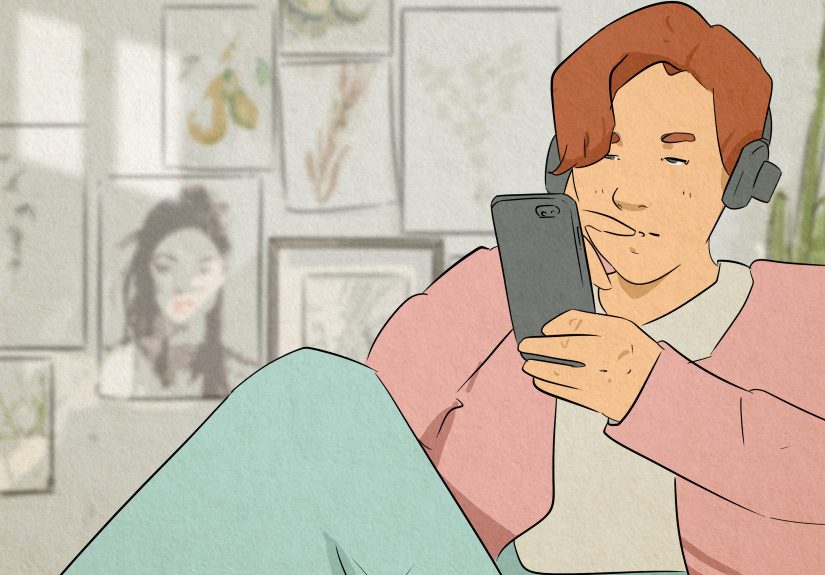
8) Take breaks from screens and news (your brain is not designed for infinite updates)
Being informed mattersbut constant exposure to upsetting news and endless social feeds can keep your stress response turned on.
A strategic break can reduce overwhelm and make your coping tools work better.
Try a “digital boundary” that feels realistic
- News window: check once or twice a day at set times (not right before bed).
- Social media speed limit: set a 15-minute timer, then stop when it ends.
- Phone-free zones: bathroom (yes), bed (ideally), meals (even just one a day).
Replace the scroll with something that refuels you
The trick isn’t just “stop scrolling.” It’s “start doing something your nervous system likes.” Try music, stretching, a hobby,
cooking, doodling, gardening, or watching something genuinely funny. Laughter can be a legit stress toolno spreadsheet required.
How to turn these tips into a simple weekly plan
If you try all eight tips at once, you’ll end up stressed about stress management. Instead, build a tiny system:
Pick your “daily minimum”
- Morning: 60-second breathing reset
- Midday: 10-minute walk or stretch
- Evening: 5-minute wind-down + write tomorrow’s 3–2–1 list
Pick your “stress flare” plan
Decide now what you’ll do when stress spikes:
- Breathe for 60 seconds
- Drink water
- Move for 2 minutes (walk, stretch, shake out tension)
- Send one message to a supportive person
The best plan is the one you can remember when your brain is in “AAAAAAAA” mode.
When to get extra support
Self-care is powerful, but it’s not a substitute for professional care. If stress feels constant, interferes with daily life,
leads to panic symptoms, or you’re not functioning the way you normally do, consider talking to a healthcare professional or a
licensed mental health provider. Getting support isn’t “failing.” It’s smart maintenancelike taking your car in before the engine
starts making horror-movie noises.
Real-life experiences: what practicing self-care can look like (and feel like)
I can’t have personal experiences, but I can share realistic, common patterns people report when they practice self-care
consistentlyplus a few relatable “day-in-the-life” scenarios. Consider these composite examples a mirror, not a mandate: take what fits,
leave what doesn’t.
Experience #1: The “I didn’t realize my body was clenched” moment
A lot of people discover stress lives in their bodies before they ever label it as “stress.” Shoulders up by the ears. Jaw tight.
Stomach tense. When they start doing a one-minute breathing reset a few times a day, the first noticeable change isn’t “I am now a Zen monk.”
It’s, “Oh… I can feel my shoulders drop.” That tiny shift matters because it interrupts the loop: tense body → anxious thoughts → tenser body.
Over time, people get better at noticing the early signals (tight chest, shallow breathing, irritability) and responding soonerbefore stress
snowballs into a full-day meltdown.
Experience #2: Better sleep without “trying harder”
People who struggle with stress sleep often assume they need stronger willpower. What usually helps more is a predictable wind-down routine
that makes bedtime boring (in a good way). For example, one person might stop checking news after 7 p.m., take a shower, do gentle stretching,
and write a quick “tomorrow list.” The result isn’t instant perfection, but they may notice fewer nights of lying awake replaying conversations
like a director’s cut. Sleep improves because the brain stops treating bedtime as a planning meeting.
Experience #3: The surprising power of “one boundary”
Another common experience: setting a single boundary reduces stress more than adding five new wellness habits. Imagine someone who always says
yes at work. They start using one script“I’m at capacity; what should I deprioritize?”and suddenly the workload becomes a shared problem,
not a silent personal burden. People often describe a weird mix of discomfort and relief at first. Discomfort because boundaries can feel like
conflict. Relief because their nervous system finally gets proof that they’re allowed to have limits.
Experience #4: Movement becomes mood insurance
Lots of people don’t “feel like exercising” when stressedwhich makes sense, because stress drains motivation. The shift happens when movement
becomes smaller and more consistent: a ten-minute walk after lunch, stretching while coffee brews, a short bodyweight routine twice a week.
People often report they don’t feel euphoric; they feel steadier. Less edgy. Less “one more email and I’ll move into the woods.” It’s mood insurance:
not flashy, but it pays out when life gets chaotic.
Experience #5: Stress doesn’t disappear, but recovery gets faster
This might be the biggest, most realistic win. Self-care doesn’t remove stressors like bills, deadlines, family problems, or life surprises.
What changes is recovery time. Instead of stress hijacking an entire day, it might hijack an hour. Instead of spiraling for a week after a rough
conversation, someone might spiral for an eveningthen use journaling, connection, and sleep to reset. People often describe it as “I still get
stressed, but I don’t get stuck as long.” That’s a real, measurable kind of progress.
If you want to try this in the most human way possible, pick one tip and attach it to a moment you already have:
morning coffee → 60-second breathing; lunch → 10-minute walk; bedtime → phone away + list tomorrow’s top three tasks. You’re not building a
perfect life. You’re building a more resilient one.






 Close
Close