
Table of Contents >> Show >> Hide
- 1. Statement Painted Ceilings Are Replacing Plain White Overhead
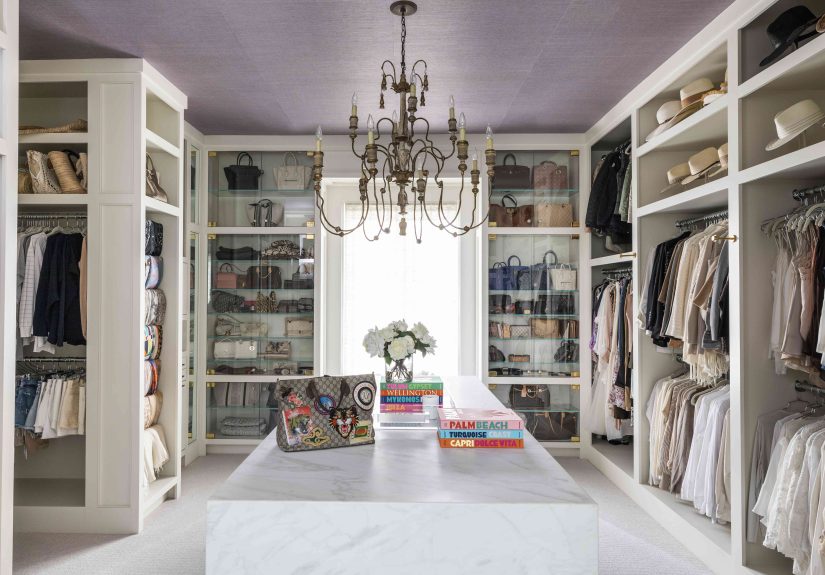
- 2. Wallpapered and Muraled Ceilings Are Going Main Character
- 3. Coffered, Tray, Beamed, and Molded Ceilings Are Making Rooms Feel Custom
- 4. Wood Ceilings and “Wood Drenching” Are Bringing Back Warmth
- 5. Tonal Ceilings and Color Drenching Are Getting More Sophisticated
- 6. Sculptural Ceiling Lighting Is Becoming the Jewelry of the Room
- Why 2025 Ceiling Trends Matter More Than They Used To
- Design Experiences and Lessons From Real-Life Ceiling Updates
- Conclusion
For years, ceilings were the polite little cousins of interior design: always present, rarely complimented, and usually dressed in the same flat white outfit. In 2025, that quiet era is over. Designers are looking up again, and homeowners are finally realizing the ceiling is not just a roof’s indoor understudy. It is the fifth wall, and it is having a very confident moment.
What is driving this shift? A few things at once. Homes are getting warmer, more personal, and less interested in “safe” choices. Instead of playing defense with bland paint and forgettable finishes, people want rooms that feel layered, expressive, and memorable. And since walls are already working overtime with color, art, millwork, and texture, the ceiling has become the next obvious place to create character.
The best part is that 2025 ceiling trends are not all expensive, dramatic, or mansion-only ideas. Some involve a gallon of paint and a little bravery. Others lean into millwork, wallpaper, wood planks, or statement fixtures that turn a room from “nice” into “whoa, okay, this person has taste.” Below are the six ceiling trends designers say will be everywhere in 2025, plus practical ways to bring each one home without needing a trust fund or a chandelier the size of a compact car.
1. Statement Painted Ceilings Are Replacing Plain White Overhead
If there is one message designers are practically shouting from a stylish ladder, it is this: stop ignoring the ceiling. A painted ceiling instantly changes how a room feels. It can make a space seem cozier, taller, moodier, softer, or more intentional depending on the shade and finish you choose.
Why it is trending
Designers in 2025 are embracing the ceiling as a focal point rather than a blank surface. That means color overhead is no longer a “bold” choice reserved for maximalists and people who own velvet slippers. It is increasingly part of mainstream decorating. Painted ceilings create depth, draw the eye upward, and help highlight existing details like beams, moldings, or tray shapes.
How to use it well
Soft blue, sage, mushroom, warm ivory, charcoal, and muted terracotta are all smart options depending on the room. In a bedroom, a darker ceiling can create a cocoon-like mood that feels cozy rather than cave-like. In a dining room, a color-washed ceiling makes the space feel a little more dressed up, like it actually remembered to wear accessories. In a kitchen or bathroom, pale tones with subtle sheen can bounce light while still adding personality.
The easiest approach is to paint the ceiling one or two shades deeper than the walls. That creates contrast without visual chaos. If the room already has strong furnishings or patterned wallpaper, keep the ceiling color simple. If the room is fairly neutral, this is your chance to let the ceiling do the flirting.
2. Wallpapered and Muraled Ceilings Are Going Main Character
Wallpapers are not staying on the walls anymore. In 2025, they are climbing overhead, and honestly, good for them. Designers are using wallpaper and mural-style treatments on ceilings to add movement, whimsy, and drama where people least expect it.
Why it is trending
Pattern overhead makes a room feel fully considered. It softens the hard stop of a plain white ceiling and creates a more immersive environment, especially in dining rooms, powder rooms, nurseries, libraries, and bedrooms. This trend also fits perfectly with the broader move toward expressive interiors and away from cookie-cutter resale decor.
Best ways to pull it off
Small rooms are actually ideal for this trend. A floral ceiling in a powder room, a striped ceiling in a breakfast nook, or a cloud-like mural in a bedroom can transform a compact space into something memorable. If you want a more tailored look, use a wallpaper that echoes a color already found in the room. If you want drama, pick a contrasting print and let the ceiling steal the spotlight.
Peel-and-stick options make this more accessible for renters or commitment-phobes. And yes, that is a real design category. Just make sure the room has enough supporting restraint elsewhere. If your sofa is patterned, your rug is patterned, and your drapes are patterned, the ceiling may need to sit this one out unless your goal is “Victorian fever dream.”
3. Coffered, Tray, Beamed, and Molded Ceilings Are Making Rooms Feel Custom
One of the biggest ceiling trends of 2025 is not about color at all. It is about architecture. Designers are bringing back coffered ceilings, tray ceilings, beams, molding, and other structural details that add depth and give rooms a more custom, elevated look.
Why it is trending
After years of sleek minimalism, homeowners are craving spaces with character. Architectural ceilings deliver that in a big way. Even subtle millwork can make a room feel refined, finished, and far more expensive than it was five minutes earlier. These details also help define open-concept spaces without building actual walls, which is a neat trick and a marriage-saving one if someone needs “their side” of the room.
Where it works best
Living rooms, dining rooms, entryways, and primary bedrooms benefit most from this trend. Coffered ceilings add richness and rhythm. Tray ceilings create height and airiness. Beams bring warmth and structure. Crown molding and panel trim provide a polished transition between wall and ceiling while making the whole room feel more intentional.
You do not always need a full renovation. Painted faux beams, applied molding, or a simple boxed trim pattern can create a similar effect on a smaller budget. The secret is proportion. Overly chunky details can overwhelm low ceilings, while fine trim can disappear in a huge room. Match the scale of the ceiling treatment to the room size, and suddenly your home starts looking suspiciously designer-approved.
4. Wood Ceilings and “Wood Drenching” Are Bringing Back Warmth
In 2025, wood is moving upward. Paneling, planking, slatted ceilings, white oak finishes, and warm timber tones are all showing up overhead as part of the broader return to natural materials and cozy interiors.
Why it is trending
After a long stretch of cool grays and sterile surfaces, many homeowners want rooms that feel grounded, tactile, and human. Wood ceilings instantly warm up a space and connect it to the larger trend of biophilic and nature-inspired design. They also pair beautifully with the earthy color palettes dominating interiors right now.
How designers are using it
Some homes are going all in with wood-drenched rooms, where wood appears on the floor, walls, ceiling, and furnishings. Others use wood overhead more strategically: a tongue-and-groove porch ceiling, light oak planks in a kitchen, reclaimed beams in a family room, or slatted wood in an office or media space.
The modern version of this trend is lighter, cleaner, and more nuanced than the dark 1970s paneling people still side-eye at estate sales. Bleached oak, honey tones, natural walnut, and matte finishes feel current. If a full wood ceiling is not in the budget, even a wood-look treatment, selective paneling, or a few architectural beams can create the same cozy, tailored effect.
5. Tonal Ceilings and Color Drenching Are Getting More Sophisticated
Color drenching is still going strong in 2025, but the ceiling is now a key player in making the look feel polished rather than accidental. Designers are painting walls, trim, and ceilings in coordinated tones to create rooms that feel immersive, harmonious, and surprisingly luxurious.
Why it is trending
People want rooms that feel cohesive and emotionally rich. Tonal painting does exactly that. Instead of treating the ceiling as a separate element, it becomes part of one continuous visual envelope. The result can make a room feel larger, moodier, softer, or more serene depending on the palette.
How to make it feel modern
Use related tones rather than one flat color everywhere. For example, a warm putty on the walls, a slightly deeper taupe on trim, and an earthy mushroom on the ceiling can create subtle dimension. Green families, dusty blues, clay tones, and warm neutrals all work beautifully. This is especially effective in bedrooms, libraries, dining rooms, and small spaces where intimacy is a plus.
If full drenching feels like too much, try a toned ceiling with matching crown molding, or paint the ceiling and upper trim in a deeper version of the wall color. It feels custom, layered, and intentional. Also, it conveniently distracts from the fact that your light fixture still came with the house.
6. Sculptural Ceiling Lighting Is Becoming the Jewelry of the Room
Ceiling design in 2025 is not just about surfaces. It is also about what hangs from them. Designers are favoring sculptural ceiling fixtures that function as focal points, whether that means Murano-inspired chandeliers, artisan pendants, flush mounts with personality, or organic forms in woven, plaster, ceramic, or brass finishes.
Why it is trending
Lighting has become more expressive across the board. Instead of disappearing into the background, ceiling fixtures are helping define the room’s style and mood. This trend fits beautifully with the move toward more personal interiors, because a statement fixture can tell a story in one glance.
What to look for
Think sculptural rather than merely functional. In dining rooms and entryways, chandeliers with vintage-inspired glass, layered silhouettes, or handmade textures are especially popular. In rooms with lower ceilings, flush mounts and semiflush fixtures are getting more decorative and less “builder-basic.” In kitchens, island lighting is becoming softer, more artisanal, and less aggressively industrial.
The goal is balance. A ceiling with strong color or pattern may need a cleaner fixture. A plain ceiling can support a more dramatic pendant or chandelier. Either way, the fixture should feel connected to the room’s overall palette and materials. A random light that ignores the rest of the design is like wearing hiking boots with a tuxedo. Bold, yes. Correct, not always.
Why 2025 Ceiling Trends Matter More Than They Used To
These trends are not just about decoration. They reflect a broader shift in how people want their homes to feel. The 2025 home is less concerned with playing it safe and more interested in character, comfort, and emotional impact. Ceilings are finally part of that conversation.
What makes these trends especially appealing is their flexibility. You can go subtle with a soft painted ceiling and simple molding, or dramatic with a mural, wood planks, and a sculptural chandelier. You can invest in real millwork or fake it beautifully with paint and trim. You can transform a room in one weekend or over the course of a renovation. In other words, there is a ceiling trend for almost every budget, style, and bravery level.
The smartest way to approach any of these ideas is to think about what your room actually needs. Want warmth? Try wood. Want height and polish? Add a tray detail or molding. Need personality in a bland space? Paint the ceiling or paper it. Want instant glamour? Let the fixture do the heavy lifting. The ceiling does not need to scream. It just needs to stop pretending it has nothing to say.
Design Experiences and Lessons From Real-Life Ceiling Updates
One of the most interesting things about ceiling trends in 2025 is how often people describe the same reaction after trying them: “I cannot believe we waited so long.” A painted or detailed ceiling tends to change a room faster than expected because it shifts the entire visual balance. People walk in, look up, and suddenly the room feels finished. Not decorated. Finished. That is a big difference.
In homes with builder-grade finishes, the ceiling is often the missing layer. The walls may be fine, the furniture may be decent, and the rug may be trying its best, but the room can still feel generic. Once a ceiling gets some attention, that plain room starts to feel custom. Even a soft beige ceiling in matte paint can make white walls look richer and more intentional. That kind of upgrade is subtle on paper but dramatic in person.
Another common experience is that ceilings can fix awkward proportions better than people expect. A dark ceiling in a tall room can make it feel grounded instead of echoey. A tray ceiling with a deeper inset color can create dimension in a flat box of a bedroom. Wood planks in a long, narrow room can add rhythm and warmth. And wallpaper overhead in a tiny powder room can turn what was once a forgettable pass-through space into the room guests talk about the most. That is a pretty good return on a few rolls of paper.
There is also a practical side to these trends. Ceiling treatments can help define zones in open layouts, especially when walls are limited. A dining area under a painted or papered ceiling feels more distinct. A beamed family room gains structure. A home office with a slatted wood ceiling or dramatic flush mount suddenly feels separate from the rest of the house, even without a door. In homes where every room has to multitask, that matters.
That said, the best experiences usually come from restraint, not chaos. The homeowners and designers who seem happiest with their ceiling choices are the ones who pick one clear idea and commit to it. If the ceiling has a mural, the rest of the room calms down. If the fixture is huge and sculptural, the palette stays edited. If the room is fully color-drenched, the furnishings support the mood instead of fighting it. The lesson is simple: your ceiling can absolutely be the star, but every star still needs a supporting cast.
And finally, there is the emotional factor. A lot of people are not just chasing trends in 2025. They are trying to make their homes feel warmer, more personal, and more reflective of how they actually want to live. Ceiling design fits that goal because it changes atmosphere, not just appearance. A room can feel softer, richer, more intimate, more creative, or more welcoming just because someone decided to stop treating the ceiling like an afterthought. That may sound dramatic, but so is a very good ceiling, and frankly, it has earned the right.
Conclusion
The biggest ceiling trends of 2025 all point in the same direction: up. Designers are turning ceilings into active design elements through paint, wallpaper, wood, millwork, tonal color, and sculptural lighting. Whether you want something soft and sophisticated or bold enough to make guests pause mid-sentence, this is the year to stop thinking of the ceiling as empty space.
The best ceiling trend for your home is the one that solves a problem while adding character. It should make the room feel warmer, taller, more cohesive, more memorable, or simply more you. Because in 2025, the most stylish ceiling is not necessarily the loudest one. It is the one that makes the whole room finally make sense.







 Close
Close