
Table of Contents >> Show >> Hide
- Why “higher fat” doesn’t automatically mean “bad news”
- How “low carb” works in real life (without turning into a math hobby)
- 1) Avocados
- 2) Eggs
- 3) Fatty fish (salmon, sardines, trout)
- 4) Full-fat, lower-carb dairy (cheese and plain Greek yogurt)
- 5) Nuts and seeds (macadamias, pecans, walnuts, chia)
- Low-carb friendly pairing ideas (so you’re not just eating “naked fat”)
- Quick shopping checklist for low-carb, higher-fat foods
- Bottom line
- Real-World Experiences: What People Notice When They Add Higher-Fat, Low-Carb Foods
“Higher fat” and “low carb” used to sound like a dietary buddy-cop movie where the two leads clearly hate each other. But in real kitchens (and real grocery aisles), they get along just fineespecially when you focus on whole foods, pay attention to portions, and pick fats that bring something to the table besides vibes.
This guide breaks down five naturally higher-fat foods that can fit comfortably into a low-carb approach, whether you’re aiming for fewer carbs overall, managing blood sugar, or just trying to stop feeling hungry 37 minutes after lunch. You’ll get the “why it works,” the “how to eat it without getting bored,” and the “oops, watch out for that” for each pick.
Why “higher fat” doesn’t automatically mean “bad news”
Fat is a macronutrient with a long rap sheet of misunderstandings. It’s calorie-dense, yesbut it’s also essential for hormone production, absorbing vitamins (A, D, E, K), and building satisfying meals that don’t leave you hunting for snacks like a raccoon at midnight.
The key isn’t “eat all the fat forever.” It’s choosing the right kinds most of the time. Many health authorities still recommend limiting saturated fat and prioritizing unsaturated fats (like those found in avocados, nuts, seeds, and olive oil). Translation: fat can be part of a healthy pattern, but quality and balance matter.
How “low carb” works in real life (without turning into a math hobby)
Low-carb eating usually means reducing foods that are heavy in starches and sugarsthink bread, pasta, rice, sweets, and many sweetened drinks. People use different carb targets depending on goals and health needs. Some go “moderately low,” others go “very low.”
You’ll also hear the term net carbs. It’s a common way to estimate the carbs that may have the biggest impact on blood sugar by subtracting fiber (and sometimes certain sugar alcohols) from total carbohydrates. Not every label makes this effortless, and not every body responds the same wayso consider net carbs a useful tool, not a universal law.
One more practical note: low-carb doesn’t have to mean low-vegetable. Non-starchy vegetables (leafy greens, broccoli, cauliflower, peppers, zucchini, mushrooms) tend to play very nicely with low-carb eatingand they help your plate look less like a sad protein-and-cheese slideshow.
1) Avocados
Avocados are basically nature’s way of saying, “What if butter were a fruit, but with fiber?” They’re higher in fat (mostly monounsaturated), relatively low in sugar, and they bring fiber to the partyan especially helpful combo when you’re cutting back on refined carbs.
Why they fit a low-carb approach
- High fat, low sugar: Most of an avocado’s calories come from fat, not starch.
- Fiber bonus: Fiber supports fullness and can help slow the absorption of carbs in a mixed meal.
- Ridiculously versatile: You can go savory, you can go creamy, you can go “I ate it with a spoon and I’m not sorry.”
Easy ways to eat more avocado
- Slice onto burgers or turkey lettuce wraps for instant “restaurant energy.”
- Mash with salt, lime, and cilantro; use as a dip for cucumbers and bell peppers.
- Blend into a creamy dressing with olive oil, lemon, garlic, and herbs.
- Add chunks to egg salad or tuna salad to reduce the need for extra mayo.
Watch-outs
Avocados are nutrient-dense, but they’re not calorie-light. If your goal includes weight loss, think in terms of portions (for example, half an avocado) and let it replace something else, rather than adding it on top of everything.
Also, keep an eye on store-bought guacamole: some versions add starches, sugar, or lots of extra oil. Not a disasterjust a reminder that labels exist for a reason.
2) Eggs
Eggs are one of the most low-carb-friendly foods on the planet. They’re naturally very low in carbohydrates, contain protein, and provide fatespecially if you keep the yolk (which you should, because the yolk is where much of the nutrition lives).
Why they fit a low-carb approach
- Minimal carbs: Eggs are naturally very low in carbohydrates, making them easy to fit into low-carb meal plans.
- Built-in portion control: One egg is a neat unit. No food scale required.
- Works with everything: Eggs are a “supporting actor” food that makes vegetables, leftovers, and proteins better.
Low-carb egg ideas that aren’t boring
- Veggie scramble: Sauté spinach, mushrooms, and peppers; add eggs; finish with cheese or avocado.
- Egg muffins: Bake beaten eggs with chopped veggies and cheese in a muffin tin for grab-and-go breakfasts.
- Shakshuka-ish: Poach eggs in a spicy tomato-and-pepper sauce (just watch added sugar in jarred sauces).
- “Dinner eggs”: Fried eggs over sautéed greens and a protein (salmon, chicken, or sausage) is criminally underrated.
Watch-outs
The egg itself is low carb. The problem is what people do around the egg: sweetened coffee drinks, hash browns, giant muffins pretending to be “breakfast,” and sauces with sugar. If your eggs arrive with a side of “carb confetti,” your macros may quietly drift.
If you have specific cholesterol or heart concerns, talk with a clinician or registered dietitian. Eggs can still fit, but the right balance depends on the bigger picture of your diet.
3) Fatty fish (salmon, sardines, trout)
If low-carb eating had an awards ceremony, fatty fish would win “Most Valuable Nutrient Package.” These fish are naturally low in carbs (typically zero), contain protein, and bring fats that are widely praisedespecially omega-3s.
Why they fit a low-carb approach
- Carb-free by nature: Plain fish doesn’t come with carbs (breading and sugary glazes do).
- Omega-3 fats: Fatty fish are among the best food sources of EPA and DHA.
- Big satiety: Protein + fat is a classic combination for staying full between meals.
How to eat more fatty fish without feeling like you live on a dock
- Sheet-pan salmon: Roast salmon with asparagus, broccoli, or green beans; finish with lemon and herbs.
- Sardine upgrade: Mash sardines with mustard, lemon, and herbs; serve over cucumber slices or greens.
- Salmon salad: Use canned salmon with mayo or avocado, diced celery, and pickles (hello, crunch).
- Taco bowl: Salmon chunks over shredded cabbage, pico de gallo, and a lime crema (skip the tortillas if you’re keeping carbs very low).
Watch-outs
The main low-carb pitfall is added carbs: breaded fish, sticky sauces, and sweet marinades. Also, if you’re pregnant, breastfeeding, or choosing fish for kids, follow mercury guidance and aim for a variety of seafood choices that are lower in mercury.
4) Full-fat, lower-carb dairy (cheese and plain Greek yogurt)
Dairy can be low-carb-friendly, but it’s a category where details matter. Many cheeses are naturally very low in carbs, while yogurt varies widely depending on added sugar and flavoring.
Why it fits a low-carb approach
- Cheese is typically very low carb: Many cheeses have little to no carbohydrate per serving.
- Plain Greek yogurt is protein-forward: It can work well in low-carb meals when it’s unsweetened.
- Convenience matters: Cheese and yogurt make it easier to build meals and snacks that actually satisfy.
Smart ways to use it
- Cheese + crunch: Pair cheddar, mozzarella, or goat cheese with cucumber, celery, or bell pepper strips.
- Greek yogurt as a sauce base: Mix plain Greek yogurt with lemon, garlic, and dill for a quick tzatziki-style dip.
- Upgrade salads: Add feta or shredded cheese for flavor and staying power.
- Quick “snack plate”: Cheese, olives, turkey slices, and a handful of nuts feels fancy with almost no effort.
Watch-outs
Flavored yogurt is often sugar in a costume. If the tub tastes like dessert, the label probably agrees. Also, dairy can be tricky for lactose intolerancesome people tolerate aged cheeses better than milk, but individual response varies.
Another practical note: cheese is delicious enough to encourage “portion optimism.” If your goal is weight management, treat cheese as a feature, not the entire main event.
5) Nuts and seeds (macadamias, pecans, walnuts, chia)
Nuts and seeds are low-carb favorites because they deliver fat, texture, and conveniencewithout the sugar spike you’d get from many packaged snacks. They’re also a solid way to add unsaturated fats into a low-carb pattern.
Why they fit a low-carb approach
- High fat, relatively low carbs: Many nuts are low in net carbs, especially when portioned thoughtfully.
- Fiber helps: Seeds like chia can add fiber and thicken recipes (puddings, smoothies) without much sugar.
- Snack insurance: A small portion can prevent the “I will eat anything in the pantry” moment.
Low-carb ways to use nuts and seeds
- Crunch on salads: Pecans or walnuts + greens + a protein = instant upgrade.
- Chia pudding: Chia + unsweetened milk of choice + cinnamon + a few berries.
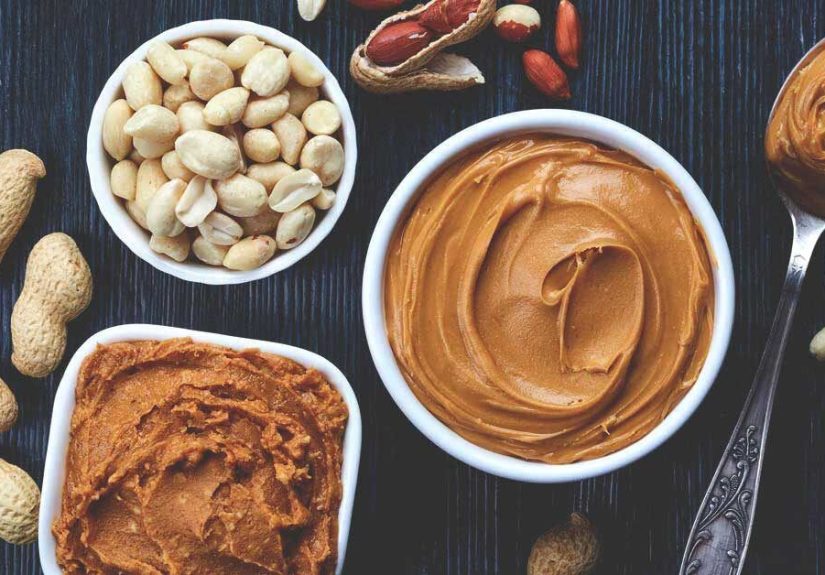
- Nut butter dip: Unsweetened peanut/almond butter with celery sticks (check labels for added sugar).
- DIY trail mix: Macadamias, pumpkin seeds, unsweetened coconut flakes, and cacao nibs.
Watch-outs
Nuts are small, snackable, and dangerously easy to overeat. A “handful” can quietly become three. Also, flavored nuts can be coated in sugar or starch, and honey-roasted anything is basically a dessert wearing hiking boots. Read the ingredient listespecially if you’re aiming for very low carb.
Low-carb friendly pairing ideas (so you’re not just eating “naked fat”)
Higher-fat foods shine when they’re paired with protein and fiber-rich vegetables. That combination supports fullness, makes meals more nutrient-dense, and (let’s be honest) tastes better.
- Avocado + eggs + salsa over sautéed spinach.
- Salmon + roasted broccoli with olive oil and lemon.
- Greek yogurt dip with cucumbers and grilled chicken.
- Cheese + nuts alongside a big salad and vinaigrette.
Quick shopping checklist for low-carb, higher-fat foods
- Choose unsweetened: plain yogurt, unflavored nuts, no-sugar-added dressings when possible.
- Scan for hidden carbs: breading, glazes, sweet marinades, “honey,” “maple,” “teriyaki,” “BBQ.”
- Prioritize whole foods: fish, eggs, avocados, and minimally processed dairy tend to be easiest.
- Balance fats: aim for more unsaturated fats; keep saturated fat reasonable within your overall diet.
- Keep it realistic: the best plan is the one you can actually follow on a Tuesday.
Bottom line
Low-carb eating doesn’t have to be joyless, repetitive, or built entirely from chicken breast and willpower. These five foods (avocados, eggs, fatty fish, lower-carb dairy, and nuts/seeds) can help you build meals that are satisfying, nutrient-dense, and practicalwithout relying on sugary snacks or refined starches.
If you’re managing diabetes, heart disease risk, kidney issues, or you’re pregnant/breastfeeding, it’s smart to check in with a clinician or registered dietitianespecially if you’re going very low carb.
Real-World Experiences: What People Notice When They Add Higher-Fat, Low-Carb Foods
When people shift toward lower-carb eating, the first surprise is often how different “full” feels. Instead of a fast, dramatic spike in energy followed by a crash (hello, mid-afternoon snack panic), meals built around protein, vegetables, and higher-fat whole foods tend to feel steadier. A breakfast of eggs with avocado, for example, doesn’t usually create that “I’m starving again by 10:30” problem the way a sweet pastry or a large bowl of sugary cereal can.
Another common experience: cravings change. Not always instantly, and not always perfectly, but many people report fewer constant snack thoughts once their meals include enough fat and protein to be satisfying. It’s not magicit’s physiology and practicality. If lunch is a salad with salmon, olive oil dressing, and a bit of cheese, it’s simply harder to be hungry an hour later compared with a carb-heavy lunch that digests quickly and leaves you chasing “something else.”
There’s also a learning curve with portions. Nuts are the classic example. People love how “keto-friendly” or “low-carb” nuts can be, and then discover that an entire bag of macadamias still contains… an entire bag of calories. The sweet spot many folks land on is treating nuts like a measured add-on (a small handful, a tablespoon of nut butter, a sprinkle on a salad) rather than the main character of snack time.
Dairy is another “your mileage may vary” category. Some people do great with cheese and plain Greek yogurt; others notice digestive discomfort, especially with larger portions. That’s where experimenting gently helps: smaller servings, choosing aged cheeses, or using yogurt as a sauce rather than eating a giant bowl. People who are lactose intolerant often find they can tolerate certain dairy foods better than othersbut they may need trial and error, and sometimes lactase supplements or lactose-free options are part of the solution.
Many also discover that “low carb” is easier when meals are built on repeatable patterns rather than constant reinvention. A few real-life templates that people tend to stick with: (1) eggs + vegetables + a fat (avocado or cheese), (2) big salad + protein + olive oil dressing, (3) fish or meat + roasted non-starchy vegetables, (4) yogurt-based dip + crunchy veggies, and (5) snack plates (cheese, olives, nuts, sliced turkey). Once those patterns exist, planning becomes less about discipline and more about default options.
Finally, a practical note people often mention: transitions can feel weird at first. If someone goes very low carb quickly, they may notice low energy, headaches, constipation, or irritability in the early daysoften because of fluid shifts and changes in electrolyte intake, not because “low carb is broken.” That’s why many find it easier to reduce carbs gradually, keep vegetables high, stay hydrated, and be mindful about sodium, potassium-rich foods, and overall fiber intake. The goal isn’t to suffer for your macros. The goal is a sustainable eating pattern that supports how you want to feelon weekdays, weekends, and yes, even at family gatherings where someone insists you “just try the cake.”







 Close
Close