
Table of Contents >> Show >> Hide
- Why Front Door Color Matters More in 2025
- 1. Moody Navy Blue
- 2. Earthy Red and Oxblood
- 3. Sage and Olive Green
- 4. Creamy White and Warm Greige
- 5. Black and Charcoal
- How to Choose the Right 2025 Front Door Color for Your House
- The Bottom Line
- Real-Life Experience: What Homeowners Learn After Painting the Front Door
- SEO Metadata
Your front door is the handshake of your house. It says hello before the wreath, before the doormat, before your guests decide whether you are “effortlessly stylish” or “owns three random cans of leftover paint and no fear.” In 2025, front door color trends are getting more confident, more grounded, and a lot less icy. The vibe is less “builder-grade shrug” and more “curated curb appeal with a pulse.”
Across paint brands, design editors, curb appeal experts, and real estate advice, one theme keeps popping up: homeowners want color that feels warm, expressive, and connected to natural materials. That means deep blues with gravitas, earthy reds that feel historic but fresh, greens that play nicely with landscaping, creamy neutrals that soften a facade, and blackened shades that make an entrance look tailored instead of timid.
If you are planning an exterior refresh this year, these are the five front door paint colors most likely to dominate 2025. Some are bold. Some are surprisingly versatile. All of them make your entry work harder without requiring a full-blown renovation, three contractors, and an emotional support spreadsheet.
Why Front Door Color Matters More in 2025
Homeowners are treating the entry like a design feature, not an afterthought. That makes sense: painting a front door is one of the fastest ways to update curb appeal, define your home’s personality, and create contrast with siding, brick, stone, or trim. In a year when exterior design is leaning toward biophilic, earthy, and moodier palettes, the front door has become the easiest place to try a trend without repainting the whole house.
The smartest 2025 front door colors do two jobs at once. First, they make the entrance feel intentional. Second, they play well with the rest of the exterior. The best choices do not scream for attention like a karaoke machine at a funeral. They create a focal point, support the architecture, and make the whole house look more finished.
1. Moody Navy Blue
Why it is trending
If 2025 had a signature front door mood, it would probably be “calm confidence.” Moody navy nails that brief. Blue keeps showing up in official paint forecasts because it feels classic enough for traditional homes, but sharp enough for modern ones. It has depth, elegance, and just enough drama to make a house feel polished without looking like it is trying too hard.
This year’s blue trend is not the washed-out coastal pastel that says, “I own seventeen seashell candles.” It is deeper, inkier, and more architectural. Think dark navy, blackened teal, slate-blue, or atmospheric denim. These shades look especially good with white trim, warm wood, red brick, limestone, and natural stone.
Where it works best
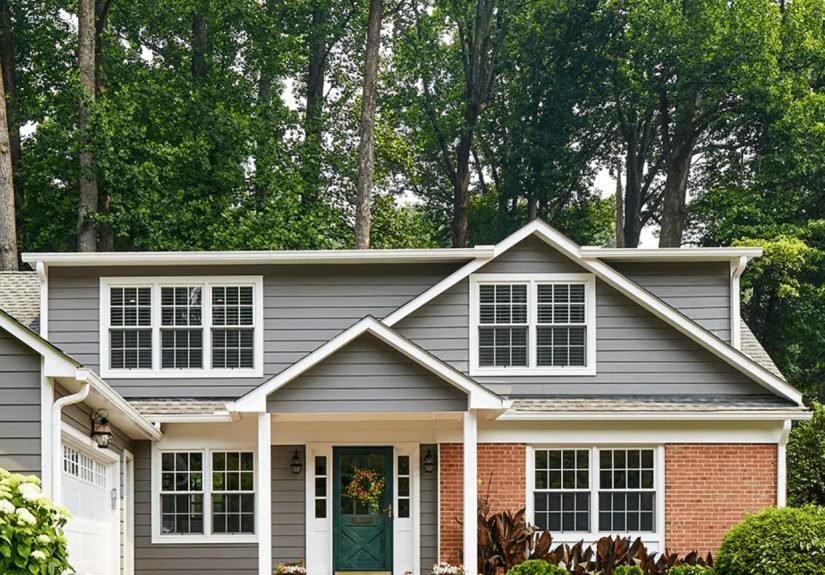
Moody navy is a ringer for Colonial, Craftsman, Cape Cod, farmhouse, and transitional homes. It is also a smart pick if your exterior already has visual texture from brick, cedar shakes, or stone. The rich color adds contrast without fighting those materials.
If your house is white, cream, taupe, or light gray, a navy front door is almost unfairly effective. It adds presence instantly. If your house is darker, choose a blue with enough undertone difference to stand out rather than disappear into the facade.
Shades to try
- Valspar Encore for an anchoring, confident blue
- Dutch Boy Mapped Blue for a timeless medium-to-deep blue accent
- Benjamin Moore Hale Navy for a designer-favorite classic
- Behr Midnight Blue for a moodier blue-gray look
2. Earthy Red and Oxblood
Why it is trending
Red is back, but 2025’s version is more grown-up than fire-engine bright. The new red leans earthy, ruby, clay, wine, or oxblood. It feels historic, warm, and a little luxurious, like your front porch suddenly developed excellent taste in boots and antique brass hardware.
This trend fits beautifully with the broader 2025 move toward richer, deeper hues. An earthy red front door delivers warmth and personality while still feeling rooted. It is bold, yes, but it is the kind of bold that knows how to behave at dinner. These reds look especially strong against white siding, creamy stucco, natural wood, charcoal trim, and traditional brick homes that need a little extra life.
Where it works best
If you live in a traditional home style, red is basically a cheat code. Federal, Colonial, cottage, and farmhouse exteriors all handle a deeper red beautifully. It also works well on wood homes that need a punchy accent without veering cartoonish.
The key in 2025 is avoiding anything too primary or too glossy unless your architecture is intentionally playful. Look for a red with brown, terracotta, or burgundy undertones. That keeps it current and helps it feel expensive.
Shades to try
- Behr Rumors for a deep ruby red with serious presence
- Benjamin Moore Heritage Red for a timeless Americana feel
- Behr Firecracker for a brighter brick-inspired statement
- Sherwin-Williams Rustic Red for a warm, sun-baked look
3. Sage and Olive Green
Why it is trending
Green continues its reign because it gets along with literally everything outside. Landscaping? Loves it. Stone? Fantastic. Wood? Best friends. Green front doors feel natural, welcoming, and quietly stylish. In 2025, the trend is shifting away from super-dark forest green and toward softer sage, muted olive, moss, and gray-green shades.
These tones have enough color to feel interesting, but enough gray or earthiness to stay calm. That is a big reason they are winning right now. They do not overwhelm the house. They settle into it. A sage or olive front door can make even a simple facade look thoughtful and custom.
Where it works best
Green is particularly good on homes surrounded by mature landscaping or natural materials. It can blend beautifully into the setting while still giving the entry definition. White cottages, beige siding, stone facades, and warm brick all pair beautifully with green.
If you want color but do not want to commit to something loud, this is your lane. Sage green is one of those rare shades that feels current, restful, and easy to live with. It is the “I have excellent taste and hydrate regularly” of front door colors.
Shades to try
- Valspar Sprig of Sage for a soft, rich sage
- Benjamin Moore Saybrook Sage for a classic muted green
- Behr Bitter Sage for a soft earthy option
- Sherwin-Williams Arugula for a stronger, more traditional green statement
4. Creamy White and Warm Greige
Why it is trending
Not every standout front door has to be bold. In 2025, warm whites, creamy off-whites, and greige-leaning taupes are getting plenty of attention because they soften exteriors and feel more welcoming than stark, icy whites. The look is clean, but not sterile; subtle, but not sleepy.
This is the antidote to the cold, hard, ultra-modern white that dominated for a while. Today’s warm neutrals have red, beige, or brown undertones that make the entry feel friendlier and more layered. On the right house, a creamy front door can look incredibly elegant, especially when paired with black hardware, natural wood accents, or darker trim.
Where it works best
This family works especially well on traditional homes, soft-modern exteriors, cottages, and houses with heavily textured materials like stone or brick. If your facade already has a lot going on, a warm neutral door can create balance. It is also a great move when you want the hardware, lighting, or millwork to do some of the talking.
And yes, a neutral door can still be memorable. The trick is choosing the right undertone. Creamy white feels inviting. Taupe feels grounded. Greige feels refined. Flat bright white, on the other hand, can feel a little too “freshly replaced refrigerator.”
Shades to try
- Benjamin Moore White Dove for a soft, reliable off-white
- Benjamin Moore Swiss Coffee for a clean but gentle classic
- Sherwin-Williams Shoji White for a warm, slightly tinted neutral
- A soft taupe or greige for homes that need depth without drama
5. Black and Charcoal
Why it is trending
Black front doors are not new, but 2025 is giving them an updated spin. Instead of reading as severe or overly formal, black and charcoal are being used to create contrast, add structure, and make the entry feel custom. Think less “haunted manor,” more “tailored blazer for your facade.”
Charcoal is especially strong this year because it gives you the drama of black without the full intensity. It works with contemporary homes, historic homes, and everything in between. It also pairs beautifully with warm whites, taupes, woods, olive greens, and stone, which is exactly the kind of earthy palette dominating 2025.
Where it works best
If your house is painted white, cream, or light beige, a black or charcoal front door creates an instant high-contrast focal point. It is also excellent for homes with black-framed windows, dark lanterns, or minimalist exterior details. On brick homes, a softer charcoal can feel more nuanced than a true jet black.
The only caution: darker colors absorb more heat, so if your front door gets blasted with direct sun all afternoon, use a durable exterior formula and pay attention to finish and material. Beauty is wonderful. A warped door is less poetic.
Shades to try
- Sherwin-Williams Iron Ore for a soft black with depth
- Benjamin Moore Black for a true classic black
- Behr Cracked Pepper for a blackened gray look
- Valspar Dark Kettle Black for a deep, dramatic finish
How to Choose the Right 2025 Front Door Color for Your House
Trends are helpful, but the best front door color is the one that looks like it belongs on your house. Before committing, look at five things: your siding color, trim color, roof tone, fixed materials like brick or stone, and how much sunlight hits the entry. A color that looks dreamy on a Pinterest-perfect bungalow can look deeply confused on a red brick ranch.
- For white or cream exteriors: Navy, earthy red, green, and black all work beautifully.
- For brick homes: Try sage, navy, charcoal, or a brown-based red.
- For modern homes: Black, charcoal, moody blue, and warm greige feel especially current.
- For cottages and traditional homes: Creamy white, muted green, and deep red are strong bets.
- For homes with natural wood or stone: Olive, clay-red, navy, and taupe tend to look beautifully grounded.
Also, test your sample outside. Paint colors shift wildly in daylight, shadow, and sunset. A sophisticated sage in the store can turn into “department-issued celery” by 4:30 p.m. if you are not careful.
The Bottom Line
The biggest front door paint colors of 2025 are richer, warmer, and more architectural than the chilly neutrals of recent years. Moody navy brings timeless depth. Earthy red adds warmth and character. Sage and olive green feel natural and collected. Creamy whites and warm greiges soften the facade. Black and charcoal deliver contrast and polish.
If there is one lesson from all of these 2025 paint trends, it is this: the best front door color is not just pretty on a swatch. It makes the entire exterior feel more intentional. That is what separates a trendy paint job from a smart one. Your door does not need to shout. It just needs to show up looking like it knows exactly what it is doing.
Real-Life Experience: What Homeowners Learn After Painting the Front Door
There is something weirdly satisfying about repainting a front door. It is not a full remodel, so you do not have to live in a construction zone and develop a stress relationship with takeout containers. But it still changes the way your house feels when you come home. That is why so many homeowners who repaint the front door end up talking about the experience like they adopted a slightly more confident version of their house.
One of the biggest lessons people discover is that the door color changes more than just the door. A moody navy can suddenly make white trim look crisper, planters look greener, and old brass hardware look intentional instead of forgotten. An earthy red can warm up a plain exterior and make a brick path feel like part of a bigger design story. A sage green can calm down a busy facade and make landscaping look more lush, even when the lawn is not exactly auditioning for a gardening magazine.
Another common experience is surprise at how much light affects the final result. A color that seemed soft and refined in the paint store can look louder outside. A black door can feel dramatic in the morning and elegant by dusk. A creamy white can lean buttery in afternoon sun and more tailored on cloudy days. People often realize that exterior color is less about the chip and more about the environment around it. The brick, the roof, the trees, the porch ceiling, the planters, and even the doormat all end up joining the conversation.
Homeowners also tend to notice that front door color changes how guests respond to the house. A colorful door becomes a landmark. People say things like, “Your house is the one with the great green door,” which is objectively more charming than, “I think you are the third beige one on the left.” The entry starts to feel memorable, and that adds a kind of everyday pleasure that is hard to measure but easy to feel.
Then there is the confidence factor. Many people start out terrified of choosing a bold color, only to realize the front door is the safest possible place to be brave. Painting an entire house black is a commitment. Painting one door charcoal is a Saturday. That lower-risk experiment is often what helps homeowners trust their taste more. Once they see the result, they start noticing details they want to improve next, like lighting, house numbers, planters, or trim.
And perhaps the most relatable lesson of all: nearly everyone wishes they had done it sooner. A fresh front door color is one of those rare home updates that feels both practical and emotional. It boosts curb appeal, yes, but it also changes the moment of arrival. It makes the house feel cared for. More finished. More personal. More like someone lives there on purpose instead of just storing shoes and mail inside it.
So if you are staring at your front door in 2025 thinking it looks a little tired, a little flat, or a little too committed to 2018 gray, trust that instinct. A gallon of paint may not solve every problem in life, but it can absolutely make your house look like it finally got some sleep.






 Close
Close