
Table of Contents >> Show >> Hide
- First, a quick gut-check: Is this normal sore-abs soreness?
- Way #1: Do active recovery (yes, moving helpsif you do it gently)
- Way #2: Use heat or cold the smart way (pick the right tool for the right job)
- Way #3: Recover like it’s your job (sleep, hydration, nutrition, and gentle soft-tissue work)
- How long will sore abs last?
- How to prevent sore ab muscles next time (without quitting abs forever)
- Real-World Experiences (Extra): What People Commonly Notice With Sore Abs and What Helps
- Experience #1: “Laughing hurts. Sneezing is an extreme sport.”
- Experience #2: “Rolling out of bed requires a three-step plan and emotional support.”
- Experience #3: “My abs feel tight all day, especially after sitting.”
- Experience #4: “I’m tempted to do more abs because soreness feels like proof.”
- Experience #5: “I’m sore, but I’m also kind of proud.”
- Conclusion
You crushed your core workout. Planks were plank-ing. Crunches were crunch-ing. Then the next morning you try to sit up like a normal human… and discover your abs have filed a formal complaint.
If your “six-pack area” feels tender, stiff, or achy after exercise, you’re probably dealing with delayed onset muscle soreness (DOMS)a common, temporary soreness that shows up after a new or tougher workout.
The good news: sore ab muscles usually improve on their own in a few days. The better news: you can feel noticeably better sooner if you treat them the smart way (not the “do 200 more sit-ups to punish them” way).
Below are three practical, evidence-based ways to treat sore absplus how to tell the difference between normal soreness and something that needs medical attention.
First, a quick gut-check: Is this normal sore-abs soreness?
Most post-workout ab soreness is DOMS. It tends to:
- Show up 12–24 hours after exercise (not usually immediately).
- Peak around 24–72 hours after the workout.
- Feel like a dull ache, stiffness, or tenderness when you move, laugh, cough, or roll out of bed like a burrito.
- Improve as you warm up, then return a bit later.
Soreness is more likely when you do a new movement (hello, hanging leg raises), increase volume or intensity, or emphasize eccentric work (the lowering phase).
Your ab muscles (rectus abdominis, obliques, transverse abdominis) can get DOMS just like your legs or arms.
When to be cautious
If you have sharp pain that started during the workout, visible bruising or swelling, a noticeable bulge in the abdominal wall, fever, or pain that feels “deep inside” rather than in the muscles,
that’s not classic DOMS. And if you have severe muscle pain + swelling + dark/tea-colored urine after an intense workout, treat that as urgent and get medical help right away.
Way #1: Do active recovery (yes, moving helpsif you do it gently)
When your abs are sore, your instinct might be to become a statue until further notice. But for DOMS, light movement is often the fastest path to relief.
Gentle activity increases blood flow, reduces stiffness, and can temporarily lessen sorenesswithout adding more muscle damage.
What “active recovery” looks like for sore abs
- Easy walking (10–30 minutes)
- Light cycling or swimming at a conversational pace
- Gentle yoga focused on breathing and mobility (avoid extreme core work)
- Low-intensity mobility for hips, spine, and ribcage
A simple 8-minute “sore abs” recovery flow (no equipment)
- Diaphragmatic breathing (1 minute): Lie on your back, knees bent, one hand on belly. Slow inhale through nose, slow exhale through mouth.
- Cat-cow (1 minute): Smooth spinal movement, no forcing range.
- Pelvic tilts (1 minute): Tiny, controlled motion to “wake up” the core gently.
- Open book stretch (1 minute each side): Thoracic rotation to reduce trunk stiffness.
- Gentle standing side bends (30 seconds each side): Keep it mildthink “stretch,” not “snap a selfie for a contortion calendar.”
- Easy walk (2 minutes): Around your room, hallway, or outside.
How hard is “gentle”?
Use a quick rule: you should be able to breathe through your nose and hold a normal conversation.
On a 1–10 discomfort scale, aim for a 2–4. If movement makes pain spike, back off.
What to avoid while you’re sore
- High-intensity core workouts (HIIT abs, max-effort sit-ups, heavy deadlifts if bracing hurts)
- Training to failure on the same sore muscles
- Anything that changes your form (arching, twisting, or holding your breath to “push through”)
You don’t have to skip exercise entirely. Often, the best move is to train a different area (upper body, easy cardio, mobility) while your abs calm down.
Way #2: Use heat or cold the smart way (pick the right tool for the right job)
Temperature therapy is simple, cheap, and surprisingly effective when you match it to your symptoms.
Cold tends to reduce pain and inflammation, while heat increases blood flow and helps muscles feel looser.
Choose cold when:
- You feel tenderness with a “hot” or inflamed feeling
- There’s swelling or you suspect a mild strain (especially right after the workout)
- You want short-term pain relief
How to do it: Wrap an ice pack (or a bag of frozen peasnature’s cold compress) in a thin towel and apply for 10–20 minutes. Give your skin a break between rounds.
Never put ice directly on skin and don’t fall asleep with it.
Choose heat when:
- Your abs feel stiff more than “angry”
- You feel tight when you stand up, twist, or reach
- You want to move more comfortably
How to do it: Use a warm shower, warm bath, or heating pad for 10–20 minutes.
Heat is often best before your gentle mobility session to make movement feel easier.
Again: don’t sleep on a heating pad.
Bonus: warm bath “recovery stack”
A warm bath can relax sore muscles and help you unwind. Some people add Epsom salt.
The evidence for Epsom salt specifically is mixed, but the warmth and relaxation can still be helpfulespecially if you follow it with hydration and sleep.
Compression and support (optional, but helpful for “moving around” days)
If your abs feel sore during daily activities, a comfortable compression shirt or supportive athletic wear can make movement feel less “jiggly and dramatic.”
Keep it comfortableno squeezing-the-life-out-of-your-organs energy.
Way #3: Recover like it’s your job (sleep, hydration, nutrition, and gentle soft-tissue work)
DOMS is basically your body saying, “We did a new thing. I’m remodeling.” Recovery is where that remodeling happens.
If you want your sore ab muscles to calm down faster, focus on the recovery basics that actually move the needle.
1) Prioritize sleep (your underrated “muscle repair supplement”)
Sleep supports tissue repair and reduces how intense soreness feels the next day.
If you can, aim for a consistent bedtime and enough hours that you wake up feeling human.
A very practical sore-abs tip: try sleeping on your side with a pillow between your knees or on your back with a pillow under your knees to reduce trunk tension.
2) Hydrate like you mean it
Hydration doesn’t “erase” DOMS, but dehydration can make everything feel worse (fatigue, cramps, headaches, and general “why did I do that workout” vibes).
Drink water throughout the day, and consider an electrolyte drink if you sweat a lot.
3) Eat for recovery (keep it simple)
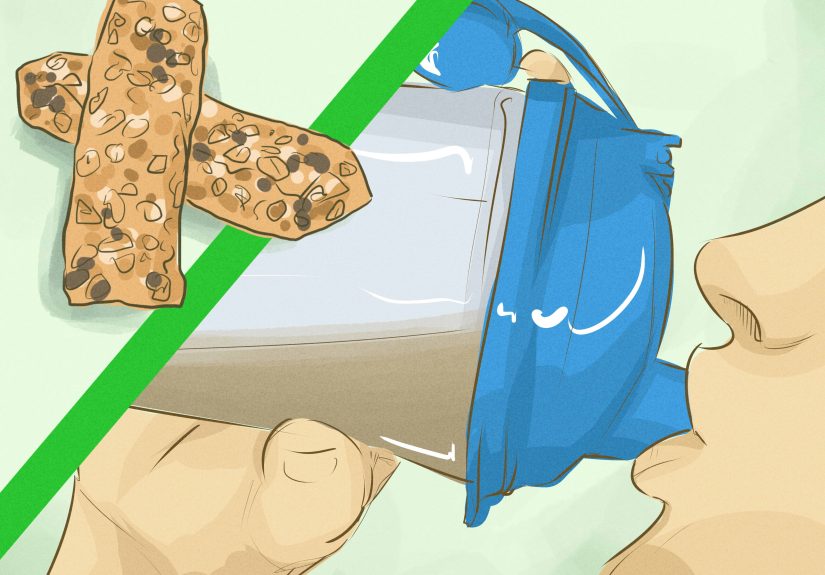
Your muscles need building blocks. A balanced meal with protein and carbs supports repair and replenishes energy stores.
No, you don’t need a mystical neon-blue supplement. Real-food examples:
- Greek yogurt + fruit + granola
- Eggs + toast + berries
- Rice + chicken/tofu + veggies
- Peanut butter sandwich + milk
If you want “extra credit,” include foods that fit an overall anti-inflammatory pattern: colorful fruits/veggies, omega-3 sources (like salmon), and whole grains.
But the big win is consistencynot perfection.
4) Gentle soft-tissue work: foam rolling and massage (with a core-friendly twist)
Foam rolling and massage can reduce the feeling of tightness and help you move more comfortably.
For sore abs, you usually don’t need to aggressively roll directly on your stomach (that can be uncomfortable and not very relaxing).
Instead, focus on nearby areas that affect how your torso feels:
- Hip flexors (tight hips can tug on your pelvis and make your core feel cranky)
- Quads (especially if you did lots of leg raises or compound lifts)
- Upper back/lats (if you did hanging work or heavy bracing)
- Glutes (because everything is connected and your glutes love attention)
How to do it: roll slowly, pause on tender spots briefly, and keep it “uncomfortable-but-tolerable,” not “I saw my ancestors.”
If you use a massage gun, keep the setting gentle and avoid bony areas.
What about pain relievers?
Over-the-counter pain relievers (like acetaminophen or anti-inflammatory meds) can reduce discomfort for some people.
If you’re under 18, talk with a parent/guardian and follow the product label or a clinician’s guidance.
Avoid taking more than directed, and don’t “mask” pain just to train hard on an injury.
How long will sore abs last?
Typical DOMS improves within a few days and keeps getting better over the week.
If soreness is getting worse after day 3–4, lasts more than 1–2 weeks, or significantly limits your ability to move normally, it’s worth checking in with a healthcare professional.
How to prevent sore ab muscles next time (without quitting abs forever)
You don’t need to fear core training. You just need a smarter ramp-up:
- Progress gradually: increase sets/reps/intensity a little at a time.
- Warm up: light cardio + dynamic trunk/hip mobility before hard work.
- Respect recovery: don’t smash the same core routine at max effort every day.
- Mix movements: rotate planks, anti-rotation holds, dead bugs, carries, and controlled flexion.
- Technique first: quality reps beat “keyboard-mashing” your spine with sloppy crunches.
Also: soreness is not a perfect scoreboard. You can make progress without being wrecked.
Strong abs are built with consistency, not with daily suffering and dramatic rolling-out-of-bed scenes.
Real-World Experiences (Extra): What People Commonly Notice With Sore Abs and What Helps
To make this extra practical, here are common “sore ab” experiences people reportplus how the three treatment methods above fit into real life.
These aren’t medical case studies (and they’re not about any one person). Think of them as the greatest hits album of post-core-workout reality.
Experience #1: “Laughing hurts. Sneezing is an extreme sport.”
A classic DOMS moment is realizing your abs are involved in basically everything: laughing, coughing, sneezing, even sitting up to reach your phone.
People often describe it as a tender, bruised feeling across the front of the belly or along the sides (obliques).
What helps: heat before movement (Way #2) plus a short mobility flow (Way #1).
A warm shower followed by gentle breathing and cat-cow can make everyday movements feel less sharp.
Also, bracing lightly with a pillow when you cough can reduce the “ow” factorlike giving your abs a tiny supportive hug.
Experience #2: “Rolling out of bed requires a three-step plan and emotional support.”
Sore abs can make sitting up feel like a sit-up competition you did not sign up for.
The trick many people learn is to roll to your side first, then push up with your arms instead of forcing a straight-up crunch.
What helps: active recovery and gentle movement (Way #1).
Even a 10-minute walk later that morning can reduce stiffness more than total rest.
Add a pillow under your knees when lying on your back to relax the front of your torso (Way #3: recovery setup).
Experience #3: “My abs feel tight all day, especially after sitting.”
Many people notice soreness feels worse after sitting still (school, gaming, long car rides) because stiffness builds.
Then they stand up and feel like a rusty folding chair.
What helps: tiny movement snacks (Way #1) and heat for stiffness (Way #2).
Every hour or so, try 60 seconds of gentle standing side bends, a slow torso rotation, and a short walk to the kitchen for water.
This is not “working out.” This is telling your body, “We still live here. Please don’t seize.”
Experience #4: “I’m tempted to do more abs because soreness feels like proof.”
It’s common to think soreness equals success. But DOMS is more about novelty and load than about whether the workout was “good.”
People who train consistently often get less sore over timeeven as they get strongerbecause their body adapts.
What helps: recovery fundamentals (Way #3) and smarter programming (prevention section).
If you want to keep training, switch focus: do light cardio, train upper body, or practice technique work at low intensity.
Save the hard core session for when you can brace and move well again.
Experience #5: “I’m sore, but I’m also kind of proud.”
This is the healthiest vibe: acknowledging soreness as a normal part of trying something challengingwithout turning it into a lifestyle.
If your soreness is mild-to-moderate and you’re otherwise fine, treat it as a sign your body is adapting.
Then help it adapt faster: move gently, use heat/cold appropriately, hydrate, eat, and sleep.
In most cases, you’ll be back to normal in a few daysand back to training with better pacing, better warm-ups, and fewer dramatic bed exits.
Conclusion
Treating sore ab muscles doesn’t require fancy gadgets or suffering through another round of crunches.
For typical post-workout soreness (DOMS), the winning combo is:
(1) gentle active recovery,
(2) smart heat/cold therapy,
and (3) real recovery basics like sleep, hydration, balanced meals, and light soft-tissue work.
If symptoms seem unusual (sharp pain, swelling, deep abdominal symptoms, or dark urine after extreme workouts), don’t “wait it out”get medical advice.





 Close
Close