
Table of Contents >> Show >> Hide
- Why an Upturned Nose Is Easier to Style Than You Think
- 1. Use Makeup to Define the Nose Without Making It Look Overworked
- 2. Choose Hair, Brows, and Accessories That Balance Your Features
- 3. Make It Look Good in Real Life by Owning It
- Common Mistakes to Avoid
- Experiences Related to “3 Ways to Make an Upturned Nose Look Good”
- Conclusion
Let’s start with the obvious truth that beauty culture sometimes forgets after its third espresso: an upturned nose already looks good. It can read playful, youthful, elegant, expressive, or all four before lunch. The issue usually is not the nose itself. The issue is that many people zoom in on one feature, stare at it like it owes them money, and suddenly decide it needs “fixing.” It does not. What it may need is styling.
If you want to make an upturned nose look especially flattering, the smartest approach is not to hide it under a mountain of contour and hope for the best. The better move is to create balance, softness, and intention. In other words: enhance the whole face so the nose looks like part of a polished picture, not the main character in a drama nobody asked for.
This guide breaks that down into three practical methods: makeup placement, styling choices, and real-world confidence techniques. None of them require a total reinvention. None of them ask you to declare war on your reflection. And yes, all of them are much more effective than angrily pinching your nose in the mirror while wondering why life is unfair.
Why an Upturned Nose Is Easier to Style Than You Think
An upturned nose usually has a slightly raised tip and a visible nostril angle from the front or side. That shape can photograph beautifully because it catches light well and adds lift to the center of the face. The trick is understanding that your goal is not to erase that lift. Your goal is to decide how much definition, softness, or balance you want around it.
Some people love leaning into the airy, doll-like effect of an upturned nose. Others prefer a more sculpted, refined look. Both are valid. Styling works best when it respects your natural structure instead of fighting it. That means subtle shading, thoughtful hair choices, flattering accessories, and a little strategic attention around the eyes and cheeks.
1. Use Makeup to Define the Nose Without Making It Look Overworked
The first and most popular way to make an upturned nose look good is makeup. The keyword here is refine, not rebuild. A beautifully styled nose contour should be almost invisible in real life. If your nose makeup enters the room five minutes before you do, the blending has officially filed for divorce.
Start With Fresh, Even Skin
Before contour ever enters the chat, make sure the skin around the nose looks smooth and calm. Redness, dry patches, or makeup separation around the nostrils can make any nose shape appear harsher. A light moisturizer, a thin layer of primer if you use one, and a natural base help create a softer finish.
If your nose tends to get oily, use a small amount of powder only where you need it. A completely flat, overly powdered nose can look stiff. A little natural skin texture is not your enemy. In fact, it often makes the whole face look more expensive, which is the beauty equivalent of arriving in a blazer instead of a panic spiral.
Contour the Bridge Lightly and Keep the Lines Thin
For an upturned nose, the most flattering contour is usually two soft, narrow lines running down the sides of the bridge. Use a contour shade that is only slightly deeper than your skin tone and preferably neutral or cool rather than orange. Harsh bronzer can make the center of the face look muddy, which is not the vibe.
Keep the contour lines close enough to create definition, but not so close that the nose suddenly looks drawn on with a ruler and unresolved feelings. Blend inward with a small brush or sponge. The effect should whisper “subtle structure,” not shout “I watched one tutorial at 2 a.m. and now I fear no cream product.”
If your nose is small and already lifted, go especially easy on the tip. Heavy shading under or around the tip can make the nostril area look more obvious. A softer approach usually flatters an upturned nose more than aggressive sculpting does.
Highlight With Restraint
Highlighter can help an upturned nose look elegant, but only if you place it carefully. A narrow line of soft highlight down the center of the bridge can make the nose look clean and polished. However, piling shimmer directly onto the tip can exaggerate lift in a way you may not want.
If your goal is balance, stop the highlight just before the very end of the tip or use a satin finish instead of strong sparkle. This keeps the nose bright without overemphasizing the upturn. Think candlelight, not disco ball.
Use the Rest of Your Makeup to Create Harmony
One of the easiest ways to make an upturned nose look good is to stop treating it like the only feature on your face. Strong brows, lifted lashes, softly defined cheeks, and a flattering lip color all create visual harmony. When the eyes and cheekbones are awake and present, the nose looks naturally integrated into the overall look.
For example, a polished everyday routine might include brushed-up brows, brown mascara, soft blush placed slightly high on the cheekbones, and a natural lip liner with gloss or balm. That combination creates a fresh, balanced look in which the nose feels charming rather than overanalyzed.
2. Choose Hair, Brows, and Accessories That Balance Your Features
The second big method is styling the face around the nose. This is the underrated move. Makeup gets all the glory because it comes with dramatic before-and-after videos and ring lights. But hair, glasses, and brow shape often do even more to influence how a nose is perceived.
Try Face-Framing Haircuts
Face-framing layers are one of the most flattering choices for almost any nose shape, especially an upturned nose. Why? Because they direct the eye outward and downward toward the cheekbones and jawline, creating beautiful balance through the center of the face.
Soft curtain bangs, wispy bangs, layered bobs, and long front pieces can all work well. These styles create motion and softness instead of leaving the middle of the face visually bare. If you wear your hair tightly pulled back every day, the nose becomes more prominent simply because there is no surrounding softness. That is not bad, but it is worth knowing.
A great example is the difference between a severe slicked-back bun and a bun with loose face-framing pieces. The first look puts every feature on full display. The second creates softness and dimension, which many people find especially flattering if they are self-conscious about the nose area.
Shape the Brows to Support the Whole Face
Brows are tiny architectural miracles. When they are well-groomed and shaped in a way that suits your face, they pull attention upward and help everything look more lifted. For someone with an upturned nose, softly structured brows can create a balanced top half of the face that makes the center look intentional and harmonious.
You do not need dramatic Instagram eyebrows carved with the precision of a legal contract. A brushed, slightly lifted brow with a natural arch is often more flattering. It draws focus to the eyes and gives the face that “I have my life together” energy, even if your group chat knows better.
Use Glasses Strategically
If you wear glasses, frame selection matters more than you may realize. Medium-width or slightly wider frames can help create balance across the face. Styles that highlight the brow line or have subtle lift at the corners can also pull attention toward the eyes rather than the tip of the nose.
Very tiny frames can sometimes make the nose area feel more central simply because they provide less visual structure. On the other hand, frames with good proportion can make the whole face look more cohesive. If you love glasses, this is excellent news, because it means your eyewear is not just functional. It is basically a tiny design strategy sitting on your face.
Do Not Forget Earrings and Necklines
Accessories matter, too. Earrings that bring light and movement near the cheeks can help balance the center of the face. Open necklines, interesting collars, or a bold lip can draw the eye around the whole composition. Beauty is rarely about one feature. It is usually about where the eye travels and whether the overall impression feels balanced.
3. Make It Look Good in Real Life by Owning It
The third method is less about products and more about presence. You can have flawless contour, glorious layers, and designer frames, but if you spend the whole day trying to hide your face, people notice that energy before they notice the nose. Confidence does not mean pretending to love every angle every second. It means carrying yourself like your face belongs in the room.
Know Your Best Angles Without Obsessing
Yes, photos matter. Yes, most people have a preferred angle. That is not vanity; that is being alive in the smartphone era. An upturned nose often photographs beautifully from slightly above eye level or in softly turned three-quarter angles. Straight-on shots can also look great when the lighting is even and the expression is relaxed.
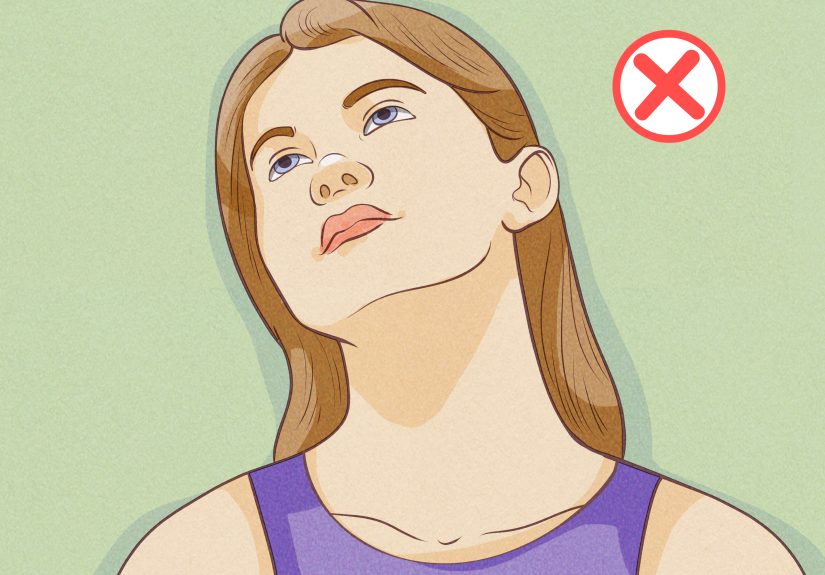
What usually hurts a photo is not the nose. It is tension. When people feel insecure, they tighten the mouth, lift the chin oddly, or strain their neck. Suddenly the photo looks stiff, and they blame the nose. Try relaxing your jaw, lowering your shoulders, and keeping your expression natural. You will be shocked how often the “problem” disappears.
Create a Signature Look
Every memorable face has a signature. Maybe yours is fluffy brows and dewy skin. Maybe it is a sleek ponytail with hoops and a glossy lip. Maybe it is a softly smudged liner and curtain bangs that make you look like you always know where the good coffee is. A signature style helps shift your attention from “How do I hide this feature?” to “How do I want to present myself?”
That mental shift matters. People who look great rarely look great because every feature is textbook symmetrical. They look great because their styling feels coherent. When an upturned nose is part of a clear, confident personal style, it reads as distinctive and attractive.
Stop Using Comparison as a Beauty Tool
This one may sting a little, but it helps: comparing your face to filtered photos, celebrity side profiles, or heavily edited beauty content is a terrible measuring system. Cameras distort. Trends change. Faces are not supposed to look mass-produced. An upturned nose can look charming, refined, youthful, quirky, or elegant depending on the rest of the styling and the energy behind it.
So if you want to make your upturned nose look good, do not start with the assumption that it looks bad. Start with the assumption that it already has personality, and your job is simply to style that personality well.
Common Mistakes to Avoid
The most common mistake is using too much contour on the tip. The second is putting bright shimmer directly on the tip and then wondering why the nose suddenly enters every photo before the rest of your face. The third is ignoring the surrounding features. Hair, brows, blush, lashes, and accessories all affect how the nose is perceived.
Another mistake is chasing perfection instead of polish. A polished face has soft transitions, flattering proportions, and a lived-in ease. A perfection-obsessed face often looks stiff and overcorrected. Beauty should make you look more like yourself, not like a witness protection version of yourself.
Experiences Related to “3 Ways to Make an Upturned Nose Look Good”
In real life, people with upturned noses often have a similar experience: they notice the feature intensely when they are younger, then gradually realize that other people either find it cute, memorable, or simply normal. What changes the most is not the nose itself but the styling and the mindset around it.
One common experience is discovering that heavy contour actually makes the nose feel more noticeable. Many people start out thinking more product equals better camouflage. Then they step into daylight, look in a car mirror, and realize the nose now has two dramatic racing stripes. The lesson is usually immediate and humbling. Softer contour, less product on the tip, and more attention to blending tend to give a much better result.
Another frequent experience is the haircut revelation. Someone wears their hair pulled straight back for years, assumes their nose is the issue, then tries curtain bangs or soft face-framing layers and suddenly feels far more balanced. Nothing about the actual nose changed. The surrounding lines changed. This is why styling can be so powerful: it reframes the whole face without turning beauty into a battle.
Eyebrows are another sleeper hit. Plenty of people underestimate how much brow grooming changes facial harmony. A softly lifted brow can make the eyes look more open and expressive, which naturally shifts attention upward. Once that happens, the nose often stops feeling like the center of every glance. It becomes one good feature among many.
Photo experiences tell a similar story. People often assume their nose looks worse in photos because of its shape, but the bigger factors are usually lighting, camera distance, and facial tension. Front-facing phone cameras can distort proportions. Harsh overhead lighting can overemphasize nostrils and shadows. A tense smile can make the whole center of the face look stiff. When people switch to softer light, relax their expression, and use a slightly turned angle, they often realize their nose was never the villain of the image.
There is also the experience of getting compliments on the very feature they worried about. This happens more than people expect. Someone spends years thinking their upturned nose makes them look childish, only to hear that it looks delicate, elegant, or charming. Beauty standards are not nearly as universal as they pretend to be. One person’s insecurity is another person’s favorite detail.
Perhaps the most important experience is the moment someone stops trying to correct the nose and starts building a style around it. That is where the real glow-up usually begins. A flattering haircut, a clean brow shape, a better glasses frame, a lighter hand with contour, and a little more ease in photos can completely change the way a person sees their face.
And that is really the heart of it. Making an upturned nose look good is often less about changing the nose and more about changing the approach. Once the goal becomes harmony instead of correction, the process gets easier, the results look better, and the mirror becomes a much less dramatic place to visit before leaving the house.
Conclusion
If you want to make an upturned nose look good, the best strategy is simple: refine with makeup, create balance with hair and accessories, and wear the feature like it belongs to you. Because it does. A little contour can add polish. Face-framing layers can create softness. Great brows and balanced glasses can shift the focus beautifully. But the biggest difference usually comes from dropping the idea that your face needs to be corrected before it can be attractive.
An upturned nose can be playful, elegant, youthful, or striking. The more thoughtfully you style the whole face, the more that feature becomes part of your charm instead of a target for criticism. So go ahead and use the tricks. Blend the contour. Book the haircut. Pick the frames. But remember the real headline: your nose is not the problem. It is a feature with character, and character is always more interesting than perfection.





 Close
Close